

 Pregledaj u prostoru
 Pošalji
 Podeli
 Detalji o delu
 Vodič
Vodič

 Preuzmi
 Slični predmeti
 Rendgenski snimak
 Automatska prezentacija
 Pitanja i odgovori
 Statistika
Man sitting beside a window


 Pročitaj više
Umetničko delo prikazano na ovoj stranici zaštićeno je autorskim pravima, što znači da zakonski nismo u mogućnosti da kreiramo niti prodajemo identičnu reprodukciju. Ova zaštita se sprovodi u skladu sa međunarodnim sporazumima kao što su Bernska konvencija i nacionalnim zakonima, uključujući i one koji su definisani u Američki zakon o autorskom pravu – Naslov 17.
Ovaj metod je u potpunosti usklađen sa regulativama o autorskim pravima jer ne podrazumeva kopiranje ili dupliranje zaštićenih umetničkih dela. Umesto toga, reč je o kreativnoj reinterpretaciji – novom slikarskom delu koje je inspirisano originalom, ali nije identično njemu.
Giclee štampa / Umetnički otisak
Giclée štampa ili print na platnu muzejskog kvaliteta uz brzu izradu i raznovrsne opcije završne obrade. ( Kupite ručno oslikano delo Pređi na digitalnu sliku)




P118B дин10

P118H дин10

P118W дин10

P438Z дин10

P508JH дин12

P508YH дин12

P805H дин10

P805Z дин10

P919BZ дин10

P919G дин10

P919XJ дин10

P959ZH дин10

P968JZ дин12

W106C дин8

W218G дин10

W218JH дин8

W218Y дин10

W307PJ дин10

W316G дин10

W316PJ дин8

W316Y дин10

W398PJ дин8

W4111J дин10

W500HY дин15

W500JH дин15

W692G дин12

W849H дин8

W940BG дин15

W953PJ дин8




Izaberite jednu od naših unapred definisanih veličina koje odgovaraju originalnim proporcijama umetničkog dela.

Unesite željenu širinu i visinu kako bi se štampa uklopila u vaš ram ili zid. Štampu je moguće samo iseći, ali nikada povećati iznad dimenzija originalne slike, stoga format sa drugačijim proporcijama uzrokuje gubitak dela slike. Pre početka štampe, poslaćemo vam digitalni prikaz radi potvrde. Slika prikazana na ovoj stranici ne predstavlja stvarni isrez — to pokazuje samo digitalni prikaz.
Dostava širom sveta () za 2 nedelje umesto uobičajenih 4/5 nedelja. (12 новембар)

Besplatna ekspresna dostava širom sveta

Visokokvalitetno laneno platno

Potpuno osiguranje transporta

Garancija povraćaja carine i uvoznih dažbina

Garancija vernosti boja

Politika povraćaja u roku od 100 dana (samo u slučaju nedostataka)

Garancija povrata 100% novca

Popust na više proizvoda
 Opcija sa staklom dostupna je samo za dimenzije manje od 110 cm

Man sitting beside a window
Giclee štampa / Umetnički otisak
Dimenzije reprodukcije
-


Ukupna cena
дин 6609
A Moment of Quietude: The Soul of Duchamp’s Early Mastery
In the vast, often turbulent history of modern art, there exists a rare, fleeting moment where the revolutionary spirit of Marcel Duchamp was still anchored in the serene beauty of the visible world. Man Seated by a Window, painted in 1907, captures this exquisite tension. Before he became the iconoclast who would dismantle the very definition of art through Dada and Readymades, Duchamp was a painter deeply engaged with the sensory delights of his surroundings. This piece invites the viewer into a private sanctuary, presenting a solitary figure lost in thought, framed by the soft light of a window and the vibrant life of blossoming flora. It is not merely a depiction of a man at rest; it is an invitation to pause, to breathe, and to find resonance in the quiet intervals of existence.
The composition functions as a delicate dialogue between the interior and the exterior worlds. As the eye wanders across the canvas, one encounters a masterful use of Post-Impressionist techniques that prioritize emotional atmosphere over rigid anatomical precision. The artist employs loose, gestural brushstrokes that imbue the scene with a sense of living movement—the gentle sway of leaves, the dappled light filtering through the glass, and the soft texture of the man's clothing. This stylistic choice creates a luminous quality, where the muted blues and greens of the background harmonize with warmer, sun-drenched hues from the garden outside, establishing a visual equilibrium that is both soothing and intellectually stimulating.
Technique and the Art of Atmosphere
Executed in oil on canvas, the painting showcases Duchamp’s formidable command over medium and light. The texture of the oil paint allows for a rich layering of color, which lends depth to the shadows within the room and brilliance to the petals of the flowers. For the discerning collector or interior designer, this work offers a sophisticated interplay of tones that can anchor a room with its tranquil energy. Unlike the starker, more clinical works of later modernism, this painting possesses a tactile warmth; it feels inhabited, as if the scent of the garden could drift through the frame. The way the light interacts with the subject suggests a daytime setting filled with the gentle vitality of spring or summer, making it an ideal centerpiece for spaces designed for contemplation and repose.
Beyond its aesthetic charm, the painting serves as a profound historical document. It captures a period of transition in art history, where the boundaries between Impressionism and the burgeoning movements of Cubism were still being negotiated. In this work, we see the seeds of Duchamp’s later philosophical inquiries—the way he uses the window not just as a physical object, but as a metaphorical lens through which we perceive reality. To possess a reproduction of this masterpiece is to hold a piece of the very foundation of modern thought, wrapped in the beautiful, accessible language of classical beauty.
An Inspiration for the Modern Interior
For those looking to curate an environment of elegance and intellectual depth, Man Seated by a Window offers unparalleled versatility. Its palette—a sophisticated blend of organic greens, deep blues, and soft floral accents—complements a wide array of interior styles, from contemporary minimalism to classic European aesthetics. The painting’s ability to evoke a sense of peace makes it a transformative element in a study, a library, or a quiet corner of a living space. It does not demand attention through noise, but rather commands respect through its profound stillness, acting as a window into a more thoughtful and reflective way of being.
Pitanja i odgovori
Da li je dostupno preuzimanje "Man sitting beside a window" u visokoj rezoluciji?
Da biste dobili digitalnu verziju dela „Man sitting beside a window”, autor Марсел Дишан, poručite je putem preuzimanje digitalne slike visoke rezolucije na stranici Digitalna slika u visokoj rezoluciji.
Na koji način se nacionalni poreklom povezuje sa Post-Impressionism dela "Man sitting beside a window"?
"Man sitting beside a window" povezuje pokret Post-Impressionism sa Француска kroz rodno mesto svog tvorca.
Kako mogu da pronađem dela koja su slična delu „Man sitting beside a window”, autor Марсел Дишан?
Stranica Slična dela za delo „Man sitting beside a window”, autor Марсел Дишан prikazuje srodna umetnička dela.
Srodna umetnička dela


Biografija umetnika
Марсел Дјушан: Револуционар уметности који је поставио нова питања
Марсел Дјушан, рођено име Анри-Робер-Марсел Дјушан, рођен 1887. године у близини Руана, Француска, био је више од уметника; био је филозофски провокатор који је дубински изменио ток модерне уметности. Иако је потекао из породице која цени уметност – са браћом који су били успешни уметници – Дјушан је рано показао тенденцију да изазива, да руши усталене норме. Није био задовољан само приказом света; желео је да изазове како га посматрамо и шта чини уметничку вредност. Та немилосрдна интелектуална љубопитљивост дефинисала је његову плодну каријеру.Од кубизма до дадаизма: Одбацивање конвенција
Уметничко путовање Дјушана било је обележено сталном еволуцијом, свесним одбацивањем устаљених норми. Његов рани ангажман са кубизмом, видљив у делима као што је *Портрет играча шаха* (1911), показао је интересовање за фрагментиране облике и више перспектива – одступање од традиционалног представљања. Међутим, брзо је прешао даље од чисто естетских брига, препознајући да једноставно преуређивање визуелних елемената није довољно да се решавају дубинска питања која су га занимала. Ужаси Првог светског рата наговелили су тај немир, што је Дјушана довело до прихватања дадаизма, покрета који је настао из разочарања и одбацивања логике, разума и традиционалних уметничких вредности. У оквиру дадаизма Дјушан је заиста почео да руши конвенционалне идеје о уметности. Није био заинтересован за стварање лепих објекта; желео је да провоцира размишљања, изазове претпоставке и разоткрије произвољност естетског суђења.Реади-мејди и подривање уметности
Увођење реади-меја – обичних производа који се бирају и представљају као уметност – било је Дјушанова најзначајнија доприноса 20. веку. То нису били само пронађени објекти; то су била свесне чинове уметничког подривања. Узимањем свакодневног предмета, као што је увез (*Фонтана*, 1917), потписивањем га „Р. Мут“ и слањем на изложбу уметности, Дјушан је поставио питање саме дефиниције уметничке вештине и ауторства. Да ли је рука уметника створила дело или је идеја уметника? Ово питање постало је централно за његову праксу и положило основу за Концептуалну уметност. Други познати реади-меји као што је *L.H.O.O.Q.* (1919), постерна репродукција Моне Лизе коју је исцртао мустаћем и брадом, били су шаљиви али проницни критике уметности и утврђених културних икона. Ова дела нису била намењена да се цене по естетским квалитетима; била су намењена да провоцирају дебату и натерају гледаоце да преиспитају своја предрасуду о томе шта чини уметност. Дјушан је веровао да уметност треба да борави у уму, а не само у оку.Наслеђе и трајни утицај
Утицај Марсела Дјушана на касније генерације уметника неизмерив је. Он је фундаментално променио наше разумевање уметности, отварајући пут за покрете као што су Концептуална уметност, Минимализам, Поп арт и безброј других. Његов нагласак на идеји иза дела – концепту иза рада – уместо његових естетских квалитета наставља да инспирише уметнике данас.- Кубизам: Раније истраживање фрагментираних облика и просторне репрезентације.
- Дадаизм: Одбацивање логике, разума и традиционалних уметничких вредности као одговор на Први светски рат.
- Концептуална уметност: Нагласак на идеји иза дела уметности, а не на његовим естетским квалитетима.

Марсел Дишан
1887 - 1968 , Француска
Osnovne informacije
- Artistic Movement Or Style:
- Кубизам
- Дадаизам
- Концептуална уметност
- Artists Or Movements Influenced By This Artist:
- Концептуална уметност
- Минимализам
- Поп арт
- Сурреализам
- Artists Who Influenced This Artist: ['Сезан']
- Date Of Birth: 1887
- Date Of Death: 1968
- Full Name: Анри-Робер-Марсел Дјушан
- Nationality: Француски Американац
- Notable Artworks:
- Фонтана
- L.H.O.O.Q
- Велико стакло
- Nude Descending a Staircase, No.2
- Place Of Birth: Бленвил-сур-Мер, Француска
Povezani članci

Impressionism's Masterpieces: 10 Paintings That Defined a Movement | ArtsDot
Journey through Impressionism's heart with 10 iconic paintings by Monet, Renoir & Degas. Explore light, color & the stories behind these masterpieces. Find museum-quality art reproductions and elevate your home decor on ArtsDot.com.

Iza svetlosti i boje: Impresionizam protiv postimpresionizma za diskriminatornog kolekcionara
Istražite suptilne razlike između Impresionizma i Postimpresionizma sa ArtsDot-om. Saveti za kolekcionare, investicije u umetnost i vrhunske reprodukcije slika. Pronađite savršeno delo za vašu kolekciju!
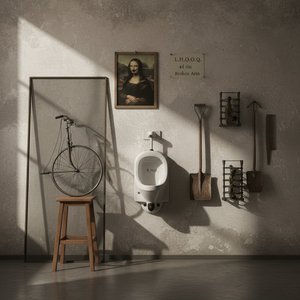
Marcel Duchamp: Challenging Conventions & Redefining Art in the 20th Century
Explore the revolutionary art of Marcel Duchamp! Discover how his Dadaist readymades challenged artistic conventions & redefined modern art. A deep dive into 'Fountain', conceptual shifts, and his lasting impact.

Postimpresionizma: 10 Remek Dela Koje Su Izmenila Umjetnost i Dekor
Otkrijte 10 remek dela postimpresionizma koja su revolucionisala umetnost! Van Gog, Monet, Sezan... Istorija, tehnika i emocije u svakoj slici. Inspiracija za vaš dom i vrhunske reprodukcije na ArtsDot.com. Explore the full collection online!

Beyond Impressionism: Exploring the Emotional Depth of Post-Impressionist Painting
Explore the profound emotional depth & innovative techniques of Post-Impressionism with ArtsDot. Discover Cézanne, Van Gogh, Gauguin & more – and their lasting impact on modern art.


