


 Pregledaj u prostoru
 Podeli
 Podeli
 Detalji
 Vodič
Vodič

 Preuzmi sliku
 Slični predmeti
 Rendgenski snimak
 Automatska prezentacija
 Statistika
Chess Game
 Oil On Canvas
- WallArt
- Post-Impressionism
 1910
1910- Modern
 114.0 x 146.0 cm
 Pročitaj više
Umetničko delo prikazano na ovoj stranici zaštićeno je autorskim pravima, što znači da zakonski nismo u mogućnosti da kreiramo niti prodajemo identičnu reprodukciju. Ova zaštita se sprovodi u skladu sa međunarodnim sporazumima kao što su Bernska konvencija i nacionalnim zakonima, uključujući i one koji su definisani u Američki zakon o autorskom pravu – Naslov 17.
Ovaj metod je u potpunosti usklađen sa regulativama o autorskim pravima jer ne podrazumeva kopiranje ili dupliranje zaštićenih umetničkih dela. Umesto toga, reč je o kreativnoj reinterpretaciji – novom slikarskom delu koje je inspirisano originalom, ali nije identično njemu.
Giclee štampa / Umetnički otisak
Giclée štampa ili print na platnu muzejskog kvaliteta uz brzu izradu i raznovrsne opcije završne obrade. ( Naručite ručno oslikano reprodukciju Pređi na prodaju digitalnih slika)




P118B дин10

P118H дин10

P118W дин10

P438Z дин10

P508JH дин12

P508YH дин12

P805H дин10

P805Z дин10

P919BZ дин10

P919G дин10

P919XJ дин10

P959ZH дин10

P968JZ дин12

W106C дин8

W218G дин10

W218JH дин8

W218Y дин10

W307PJ дин10

W316G дин10

W316PJ дин8

W316Y дин10

W398PJ дин8

W4111J дин10

W500HY дин15

W500JH дин15

W692G дин12

W849H дин8

W940BG дин15

W953PJ дин8




Izaberite jednu od naših unapred definisanih veličina koje odgovaraju originalnim proporcijama umetničkog dela.

Unesite širinu i visinu koja vam je potrebna, kako bi se uklopili u vaš ram ili na vaš zid. Štampa se može samo iseći, nikada ne može biti veća od originalne slike, stoga format sa drugačijim proporcijama gubi deo slike. Poslaćemo vam digitalni prikaz radi potvrde pre nego što započnemo štampu. Slika prikazana na ovoj stranici ne pokazuje stvarni rez — to pokazuje samo digitalni prikaz.
Dostava širom sveta () za 2 nedelje umesto uobičajenih 4/5 nedelja. (21 октобар)

Besplatna ekspresna dostava širom sveta

Visokokvalitetno laneno platno

Sveobuhvatno osiguranje transporta

Garancija povraćaja carine i uvoznih dažbina

Garancija vernosti boja i autentičnosti pri reprodukciji

Politika povraćaja u roku od 100 dana (samo u slučaju nedostataka)

Garancija povrata 100% novca

Popust pri većoj količini
 Opcija sa staklom dostupna je samo za dimenzije manje od 110 cm

Chess Game
Giclee štampa / Umetnički otisak
Veličina reprodukcije
-


Ukupna cena
дин 6355
A Game of Shadows: Marcel Duchamp’s “The Chess Game”
Marcel Duchamp's "The Chess Game," painted in 1910, isn’t merely a depiction of a game; it’s a meticulously crafted tableau of ennui, social constraint, and the burgeoning anxieties of modern life. Housed within the walls of the Philadelphia Museum of Art, this oil on canvas invites viewers into a world where strategic decisions collide with unspoken tensions, all rendered in Duchamp's signature post-impressionist style – a deliberate departure from the naturalistic focus of his predecessors. The painting’s power lies not just in its visual elements but in the complex web of symbolism it weaves, reflecting the intellectual currents of early 20th-century Europe and hinting at Duchamp’s revolutionary approach to art itself.Duchamp's artistic journey leading up to "The Chess Game" was marked by a restless experimentation. Initially drawn to Cubism – evident in his earlier work, *Portrait of Chess Players* – he soon found himself increasingly dissatisfied with the purely formal concerns of the movement. He sought to capture not just the appearance of objects but their underlying essence, their emotional weight. This pursuit led him toward Dadaism and ultimately, Conceptual Art, where the idea behind a work often superseded its physical form. “The Chess Game” embodies this shift, prioritizing atmosphere and psychological suggestion over straightforward representation.
- Post-Impressionist Influence: Duchamp’s use of bold colors – particularly the muted greens and browns that dominate the scene – is characteristic of post-impressionism. However, he employs these colors not to faithfully reproduce reality but to evoke a specific mood: one of quiet desperation and stifled energy.
- Gustave Flaubert's Echoes: The painting’s pervasive sense of boredom and restlessness directly reflects the themes explored by Gustave Flaubert in *Madame Bovary*. Duchamp, deeply influenced by Flaubert’s exploration of female dissatisfaction and the limitations imposed upon women in 19th-century society, uses the chess game as a metaphor for life itself – a strategic battle fought within restrictive social boundaries.
- Brotherly Portraiture: The inclusion of Duchamp's brothers, Raymond and Jacques Villon, alongside their wives, Yvonne and Gaby, is particularly significant. Their postures—hunched over the chessboard, Yvonne reclining languidly on the grass, Gaby nervously fiddling with a tea set—suggest a subtle power dynamic. The exclusion of the women from the game underscores the societal constraints placed upon them at the time, highlighting their limited roles and unspoken frustrations.
The Scene Unfolds: A Garden of Contemplation
The setting itself is crucial to understanding the painting’s emotional impact. It's a meticulously rendered garden scene, yet one devoid of warmth or vitality. The furniture—a table laden with cups, bowls, and spoons—suggests a comfortable domesticity, but it’s juxtaposed against the palpable sense of unease. The chessboard, positioned at the center of the composition, becomes a potent symbol: a battlefield where men engage in intellectual warfare while women are relegated to the periphery. The careful arrangement of objects – the strategically placed cups and bowls, the precise positioning of the chairs – creates a visual rhythm that mirrors the strategic thinking required for success in chess, yet simultaneously underscores the artificiality of the situation.Symbolism and the Chessboard as Metaphor
Beyond its immediate depiction, “The Chess Game” is rich with symbolic meaning. The chessboard itself represents life’s complexities – a series of choices, strategies, and potential outcomes. The players, engrossed in their game, are trapped within this metaphorical landscape, navigating challenges and making decisions that shape their destinies. Duchamp's brothers, as the dominant figures at the table, embody the masculine ideals of the era—intellectual prowess, strategic thinking, and a perceived control over their own lives. The exclusion of the women suggests a critique of patriarchal structures and the limited opportunities available to women in that society. Yvonne’s semi-recumbent position speaks to a sense of passive acceptance, while Gaby's nervous fidgeting hints at suppressed anxieties.Artistic Significance and Reproduction
“The Chess Game” stands as a pivotal work in Duchamp’s artistic development, demonstrating his early experimentation with post-impressionism and foreshadowing his later embrace of Cubism and Conceptual Art. It's a remarkably prescient painting, capturing the anxieties and social tensions of its time while simultaneously anticipating the radical shifts that would transform the art world in the 20th century. ArtsDot.com offers meticulously crafted oil painting reproductions of this captivating masterpiece, ensuring that every detail—from the subtle nuances of color to the intricate textures of the furniture—is faithfully recreated. These handmade reproductions provide a tangible connection to Duchamp’s revolutionary vision, allowing art enthusiasts and collectors alike to experience the power and beauty of “The Chess Game” in their own homes.- High-Quality Reproduction: Our skilled artists use traditional oil painting techniques to meticulously recreate Duchamp's original work, capturing its unique atmosphere and emotional depth.
- Authentic Materials: We employ only the finest pigments and canvases to ensure that our reproductions are durable and visually stunning.
- A Window into Modernity: Own a piece of art history and gain a deeper understanding of Duchamp’s artistic vision.
Explore more post-impressionist masterpieces and discover the beauty of handmade art at Marcel Duchamp: Chess Game and The Chess Game on ArtsDot.com.
Pitanja i odgovori
Kakvo je istorijsko mesto dela "Chess Game"?
„Chess Game”, Марсел Дјушан pripada pravcu Post-Impressionism, unutar perioda Modern. Zajedno, oni delu daju njegovo mesto u istoriji umetnosti.
Da li je delo "Chess Game" autora Марсел Дјушан u javnom vlasništvu i zašto?
Status autorskih prava za delo "Chess Game" - još uvek je zaštićeno autorskim pravima - proizilazi iz smrti umetnika 1968.
Koliko su intenzivne boje u delu „Chess Game”, Марсел Дјушан?
„Chess Game”, Марсел Дјушан prikazuje Balanced intenzitet boja.
Srodna umetnička dela


Biografija umetnika
Марсел Дјушан: Револуционар уметности који је поставио нова питања
Марсел Дјушан, рођено име Анри-Робер-Марсел Дјушан, рођен 1887. године у близини Руана, Француска, био је више од уметника; био је филозофски провокатор који је дубински изменио ток модерне уметности. Иако је потекао из породице која цени уметност – са браћом који су били успешни уметници – Дјушан је рано показао тенденцију да изазива, да руши усталене норме. Није био задовољан само приказом света; желео је да изазове како га посматрамо и шта чини уметничку вредност. Та немилосрдна интелектуална љубопитљивост дефинисала је његову плодну каријеру.Од кубизма до дадаизма: Одбацивање конвенција
Уметничко путовање Дјушана било је обележено сталном еволуцијом, свесним одбацивањем устаљених норми. Његов рани ангажман са кубизмом, видљив у делима као што је *Портрет играча шаха* (1911), показао је интересовање за фрагментиране облике и више перспектива – одступање од традиционалног представљања. Међутим, брзо је прешао даље од чисто естетских брига, препознајући да једноставно преуређивање визуелних елемената није довољно да се решавају дубинска питања која су га занимала. Ужаси Првог светског рата наговелили су тај немир, што је Дјушана довело до прихватања дадаизма, покрета који је настао из разочарања и одбацивања логике, разума и традиционалних уметничких вредности. У оквиру дадаизма Дјушан је заиста почео да руши конвенционалне идеје о уметности. Није био заинтересован за стварање лепих објекта; желео је да провоцира размишљања, изазове претпоставке и разоткрије произвољност естетског суђења.Реади-мејди и подривање уметности
Увођење реади-меја – обичних производа који се бирају и представљају као уметност – било је Дјушанова најзначајнија доприноса 20. веку. То нису били само пронађени објекти; то су била свесне чинове уметничког подривања. Узимањем свакодневног предмета, као што је увез (*Фонтана*, 1917), потписивањем га „Р. Мут“ и слањем на изложбу уметности, Дјушан је поставио питање саме дефиниције уметничке вештине и ауторства. Да ли је рука уметника створила дело или је идеја уметника? Ово питање постало је централно за његову праксу и положило основу за Концептуалну уметност. Други познати реади-меји као што је *L.H.O.O.Q.* (1919), постерна репродукција Моне Лизе коју је исцртао мустаћем и брадом, били су шаљиви али проницни критике уметности и утврђених културних икона. Ова дела нису била намењена да се цене по естетским квалитетима; била су намењена да провоцирају дебату и натерају гледаоце да преиспитају своја предрасуду о томе шта чини уметност. Дјушан је веровао да уметност треба да борави у уму, а не само у оку.Наслеђе и трајни утицај
Утицај Марсела Дјушана на касније генерације уметника неизмерив је. Он је фундаментално променио наше разумевање уметности, отварајући пут за покрете као што су Концептуална уметност, Минимализам, Поп арт и безброј других. Његов нагласак на идеји иза дела – концепту иза рада – уместо његових естетских квалитета наставља да инспирише уметнике данас.- Кубизам: Раније истраживање фрагментираних облика и просторне репрезентације.
- Дадаизм: Одбацивање логике, разума и традиционалних уметничких вредности као одговор на Први светски рат.
- Концептуална уметност: Нагласак на идеји иза дела уметности, а не на његовим естетским квалитетима.

Марсел Дјушан
1887 - 1968 , Francuska
Brzi pregled
- Datum Rođenja: 28. jul 1887.
- Datum Smrti: 2. oktobar 1968.
- Istaknuta Dela:
- Fontana
- L.H.O.O.Q.
- Veliko staklo
- Boîte-en-valise
- Mesto Rođenja: Blanvil-sur-Mer, Francuska
- Nacionalnost: Francusko-Američki
- Puno Ime: Marsel Dšoampa
- Umetnici Ili Pokreti Pod Uticajem Ovog Umetnika:
- Konceptualna umetnost
- Pop Art
- Minimalizam
- Umetnički Pokret Ili Stil:
- Kubizam
- Dadaizam
- Konceptualna umetnost
Srodni članci

Pixelated Prestige: Exploring Scarcity, Value, and Cultural Impact in Limited Edition Gaming Paintings
Explore the world of limited edition gaming paintings! Discover investment strategies, artist insights & preservation tips for collectors. Trusted expertise in rare video game art.
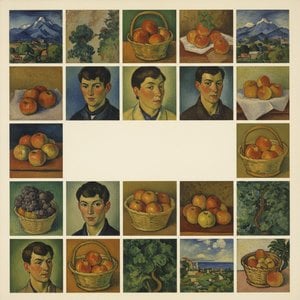
Paul Cézanne: 25 Remek-dela Revolucionarnog Umjetnika | ArtsDot
Istražite 25 remek-dela Paula Cézanna, revolucionarnog slikara impresionizma i postimpresionizma. Otkrijte priče iza ikoničnih pejzaža, portreta i mrtve prirode. Kupite luksuzne reprodukcije slika na ArtsDot.com!

Beyond Impressionism: Exploring the Emotional Depth of Post-Impressionist Painting
Explore the profound emotional depth & innovative techniques of Post-Impressionism with ArtsDot. Discover Cézanne, Van Gogh, Gauguin & more – and their lasting impact on modern art.

Pixel & Palette: Exploring the Artistic Craftsmanship of Hand-Painted Game Universes and the Artists Who Bring Them to Life
Explore the artistry of hand-painted game universes! Discover techniques, artists & history behind this unique style. Expert insights for collectors & developers.

Iznad Piksela i Igre: Estetski i Identitetski Značaj Gejming Umetnosti za Modernog Kolekcionara
Istražite svet gejming umetnosti! Ekskluzivna analiza kolekcionarskih predmeta, trendova i investicionih mogućnosti. Saveti stručnjaka za modernog kolekcionara.


