


 Pregledaj u prostoru
 Podeli
 Podeli
 Detalji
 Vodič
Vodič

 Preuzmi sliku
 Slični predmeti
 Rendgenski snimak
 Automatska prezentacija
 Statistika
A la manera de Delvaux


 Pročitaj više
Umetničko delo prikazano na ovoj stranici zaštićeno je autorskim pravima, što znači da zakonski nismo u mogućnosti da kreiramo niti prodajemo identičnu reprodukciju. Ova zaštita se sprovodi u skladu sa međunarodnim sporazumima kao što su Bernska konvencija i nacionalnim zakonima, uključujući i one koji su definisani u Američki zakon o autorskom pravu – Naslov 17.
Ovaj metod je u potpunosti usklađen sa regulativama o autorskim pravima jer ne podrazumeva kopiranje ili dupliranje zaštićenih umetničkih dela. Umesto toga, reč je o kreativnoj reinterpretaciji – novom slikarskom delu koje je inspirisano originalom, ali nije identično njemu.
Giclee štampa / Umetnički otisak
Giclée štampa ili print na platnu muzejskog kvaliteta uz brzu izradu i raznovrsne opcije završne obrade. ( Naručite ručno oslikano reprodukciju Pređi na prodaju digitalnih slika)




P118B дин10

P118H дин10

P118W дин10

P438Z дин10

P508JH дин12

P508YH дин12

P805H дин10

P805Z дин10

P919BZ дин10

P919G дин10

P919XJ дин10

P959ZH дин10

P968JZ дин12

W106C дин8

W218G дин10

W218JH дин8

W218Y дин10

W307PJ дин10

W316G дин10

W316PJ дин8

W316Y дин10

W398PJ дин8

W4111J дин10

W500HY дин15

W500JH дин15

W692G дин12

W849H дин8

W940BG дин15

W953PJ дин8




Izaberite jednu od naših unapred definisanih veličina koje odgovaraju originalnim proporcijama umetničkog dela.

Unesite širinu i visinu koja vam je potrebna, kako bi se uklopili u vaš ram ili na vaš zid. Štampa se može samo iseći, nikada ne može biti veća od originalne slike, stoga format sa drugačijim proporcijama gubi deo slike. Poslaćemo vam digitalni prikaz radi potvrde pre nego što započnemo štampu. Slika prikazana na ovoj stranici ne pokazuje stvarni rez — to pokazuje samo digitalni prikaz.
Dostava širom sveta () za 2 nedelje umesto uobičajenih 4/5 nedelja. (21 октобар)

Besplatna ekspresna dostava širom sveta

Visokokvalitetno laneno platno

Sveobuhvatno osiguranje transporta

Garancija povraćaja carine i uvoznih dažbina

Garancija vernosti boja i autentičnosti pri reprodukciji

Politika povraćaja u roku od 100 dana (samo u slučaju nedostataka)

Garancija povrata 100% novca

Popust pri većoj količini
 Opcija sa staklom dostupna je samo za dimenzije manje od 110 cm

A la manera de Delvaux
Giclee štampa / Umetnički otisak
Veličina reprodukcije
-


Ukupna cena
дин 6355
A Whisper of Delvaux: Duchamp’s Enigmatic Reverie
Marcel Duchamp's *A la manera de Delvaux* (In the Manner of Delvaux) is not a painting in the traditional sense, but rather a meticulously constructed collage that operates as a fascinating echo of Surrealist painter Paul Delvaux. Created in 1942, this work exists as a subtle yet potent exploration of desire, memory, and the unsettling beauty found within the subconscious. It’s a piece born from exile and artistic questioning, reflecting Duchamp's evolving stance towards representation and the very definition of art itself.
The image centers around a poignant scene: a baby, seemingly nursing from a bottle held by a maternal figure. This intimate act is framed within a larger composition populated by shadowy figures, hinting at a narrative that remains tantalizingly out of reach. The sepia tone imbues the work with a nostalgic quality, evoking faded photographs and half-remembered dreams. Duchamp doesn’t attempt to replicate Delvaux's style directly; instead, he *interprets* it, distilling its essence into a fragmented visual poem. He achieves this through the skillful juxtaposition of found imagery – likely cut from magazines or other printed sources – creating a dreamlike atmosphere that is both alluring and disquieting.
The Shadow of Surrealism and Duchamp’s Conceptual Shift
To understand *A la manera de Delvaux*, one must consider the artistic climate of the time. Duchamp had already shaken the foundations of the art world with his “readymades” – ordinary manufactured objects elevated to the status of art through sheer force of conceptual intent, most famously exemplified by *Fountain* (1917). By 1942, he was living in New York, having fled Europe during World War II. He found himself amidst a burgeoning Surrealist movement, and while not fully embracing its tenets, he engaged with its ideas about the unconscious mind and the power of irrationality. Delvaux’s paintings, with their eerie depictions of classical architecture populated by nude figures and trains, provided a particularly resonant visual language for Duchamp to explore.
However, *A la manera de Delvaux* isn't merely an homage; it’s a subtle critique. Duchamp wasn’t interested in simply mimicking another artist’s style. He was probing the nature of representation itself. By creating a work “in the manner of” Delvaux, he highlights the act of imitation and questions originality. The collage format further emphasizes this deconstruction, breaking down images into their constituent parts and reassembling them to create something new – or rather, something that *comments* on what already exists. It’s a precursor to his later, more ambitious conceptual works, like *Étant donnés*, where the viewer is confronted with a hidden world revealed through a peephole.
Emotional Resonance and Interior Spaces
The emotional impact of *A la manera de Delvaux* is subtle but profound. The image evokes feelings of longing, vulnerability, and perhaps even a touch of melancholy. The nursing baby, a universal symbol of innocence and dependence, is rendered with a delicate ambiguity. Is it a scene of comfort or one of quiet desperation? The shadowy figures surrounding the central subject add to this sense of unease, suggesting hidden anxieties and unspoken desires.
For collectors and interior designers, a reproduction of *A la manera de Delvaux* offers a unique opportunity to introduce a touch of intellectual sophistication into any space. Its muted tones and enigmatic imagery lend themselves well to a variety of settings, from modern lofts to classic libraries. The work’s conceptual depth invites contemplation, making it a conversation starter and a testament to the power of art to challenge our perceptions. It is not simply a decorative piece; it's an invitation to delve into the complexities of the human psyche and the ever-evolving nature of artistic expression.
Pitanja i odgovori
Postoji li prezentacija u obliku slajdova za „A la manera de Delvaux”, Марсел Дјушан?
Delo „A la manera de Delvaux”, Марсел Дјушан možete pogledati u obliku prezentacije na stranici Diaporama za ovo umetničko delo.
Kojom tehnikom i stilom se odlikuje „A la manera de Delvaux”, Марсел Дјушан?
„A la manera de Delvaux”, Марсел Дјушан spaja tehniku Acrylic On Canvas sa stilom Surrealist Collage. Tehnika i pravac opisuju način izrade i stil dela.
Ko je kreirao "A la manera de Delvaux" i u kom je stilu?
Delo "A la manera de Delvaux" delo je Марсел Дјушан u stilu Surrealist Collage. Umetnik i pravac definišu tradiciju ovog dela.
Srodna umetnička dela


![Genre Allegory [george Washington] — Марсел Дјушан, Surrealism](/media/artworks/images-thumb/90/d9/90d9ce324280fe5002abd42626b6c52f.jpg)


Biografija umetnika
Марсел Дјушан: Револуционар уметности који је поставио нова питања
Марсел Дјушан, рођено име Анри-Робер-Марсел Дјушан, рођен 1887. године у близини Руана, Француска, био је више од уметника; био је филозофски провокатор који је дубински изменио ток модерне уметности. Иако је потекао из породице која цени уметност – са браћом који су били успешни уметници – Дјушан је рано показао тенденцију да изазива, да руши усталене норме. Није био задовољан само приказом света; желео је да изазове како га посматрамо и шта чини уметничку вредност. Та немилосрдна интелектуална љубопитљивост дефинисала је његову плодну каријеру.Од кубизма до дадаизма: Одбацивање конвенција
Уметничко путовање Дјушана било је обележено сталном еволуцијом, свесним одбацивањем устаљених норми. Његов рани ангажман са кубизмом, видљив у делима као што је *Портрет играча шаха* (1911), показао је интересовање за фрагментиране облике и више перспектива – одступање од традиционалног представљања. Међутим, брзо је прешао даље од чисто естетских брига, препознајући да једноставно преуређивање визуелних елемената није довољно да се решавају дубинска питања која су га занимала. Ужаси Првог светског рата наговелили су тај немир, што је Дјушана довело до прихватања дадаизма, покрета који је настао из разочарања и одбацивања логике, разума и традиционалних уметничких вредности. У оквиру дадаизма Дјушан је заиста почео да руши конвенционалне идеје о уметности. Није био заинтересован за стварање лепих објекта; желео је да провоцира размишљања, изазове претпоставке и разоткрије произвољност естетског суђења.Реади-мејди и подривање уметности
Увођење реади-меја – обичних производа који се бирају и представљају као уметност – било је Дјушанова најзначајнија доприноса 20. веку. То нису били само пронађени објекти; то су била свесне чинове уметничког подривања. Узимањем свакодневног предмета, као што је увез (*Фонтана*, 1917), потписивањем га „Р. Мут“ и слањем на изложбу уметности, Дјушан је поставио питање саме дефиниције уметничке вештине и ауторства. Да ли је рука уметника створила дело или је идеја уметника? Ово питање постало је централно за његову праксу и положило основу за Концептуалну уметност. Други познати реади-меји као што је *L.H.O.O.Q.* (1919), постерна репродукција Моне Лизе коју је исцртао мустаћем и брадом, били су шаљиви али проницни критике уметности и утврђених културних икона. Ова дела нису била намењена да се цене по естетским квалитетима; била су намењена да провоцирају дебату и натерају гледаоце да преиспитају своја предрасуду о томе шта чини уметност. Дјушан је веровао да уметност треба да борави у уму, а не само у оку.Наслеђе и трајни утицај
Утицај Марсела Дјушана на касније генерације уметника неизмерив је. Он је фундаментално променио наше разумевање уметности, отварајући пут за покрете као што су Концептуална уметност, Минимализам, Поп арт и безброј других. Његов нагласак на идеји иза дела – концепту иза рада – уместо његових естетских квалитета наставља да инспирише уметнике данас.- Кубизам: Раније истраживање фрагментираних облика и просторне репрезентације.
- Дадаизм: Одбацивање логике, разума и традиционалних уметничких вредности као одговор на Први светски рат.
- Концептуална уметност: Нагласак на идеји иза дела уметности, а не на његовим естетским квалитетима.

Марсел Дјушан
1887 - 1968 , Francuska
Brzi pregled
- Datum Rođenja: 28. jul 1887.
- Datum Smrti: 2. oktobar 1968.
- Istaknuta Dela:
- Fontana
- L.H.O.O.Q.
- Veliko staklo
- Boîte-en-valise
- Mesto Rođenja: Blanvil-sur-Mer, Francuska
- Nacionalnost: Francusko-Američki
- Puno Ime: Marsel Dšoampa
- Umetnici Ili Pokreti Pod Uticajem Ovog Umetnika:
- Konceptualna umetnost
- Pop Art
- Minimalizam
- Umetnički Pokret Ili Stil:
- Kubizam
- Dadaizam
- Konceptualna umetnost
Srodni članci

Dada: A Revolution of Anti-Art & the Rejection of Reason in Early 20th Century Aesthetics
Explore the revolutionary Dada art movement! Discover its origins, key artists like Duchamp & Arp, and lasting impact on modern art. A deep dive into anti-art & challenging conventions.

Dadaism: A Rebellion Against Reason – Exploring the Origins, Characteristics, and Enduring Legacy of an Anti-Art Movement
Explore the revolutionary Dada art movement! Discover its origins in WWI, key artists like Duchamp & Höch, core principles, and lasting impact on modern and contemporary art. A comprehensive guide for enthusiasts.

Echoes of Time: Nostalgia, Technique & Cultural Significance in Vintage Paintings
Explore the captivating world of vintage paintings! Discover key styles, cultural significance & collecting tips from art experts at ArtsDot. Find authentic reproductions and elevate your home décor.

The Enigmatic Realm of Paul Delvaux: Surrealism, Memory & the Poetics of Disquiet
Explore the haunting dreamscapes of Paul Delvaux, a master of Surrealism. Discover his iconic motifs, classical influences & enduring legacy with ArtsDot.com.
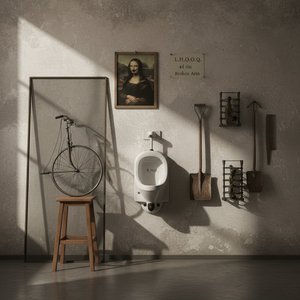
Marcel Duchamp: Challenging Conventions & Redefining Art in the 20th Century
Explore the revolutionary art of Marcel Duchamp! Discover how his Dadaist readymades challenged artistic conventions & redefined modern art. A deep dive into 'Fountain', conceptual shifts, and his lasting impact.


