

 Pregledaj u prostoru
 Pošalji
 Podeli
 Detalji o delu

 Преузми
 Slični predmeti
 Rendgenski snimak
 Slajdovi
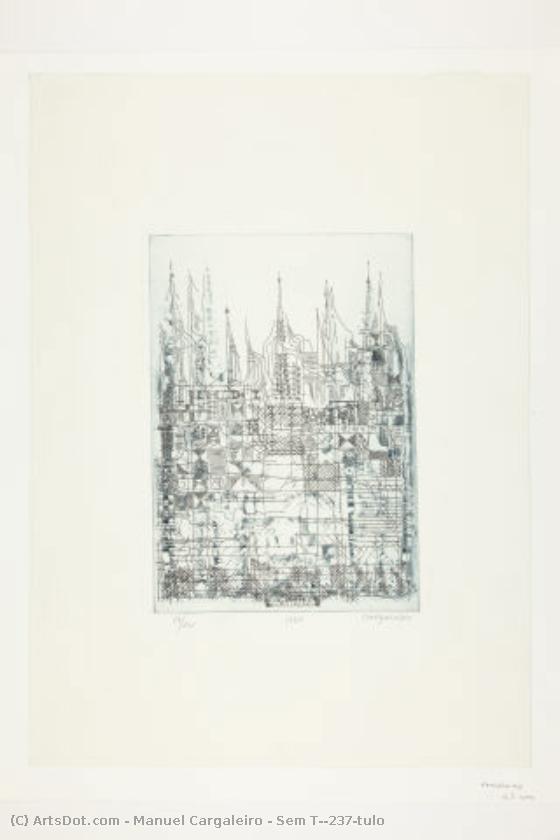
Sem Título
 Surrealism
 1982
1982 67.0 x 49.0 cm
 Музей имени Гулбенкяна
 Pročitaj više
Ručno rađena uljana reprodukcija
Ručno oslikano uljanim bojama na platnu u dimenzijama i okviru po vašem izboru, izrađeno po porudžbini od strane naših umetnika. ( Kupi print Kupi digitalnu sliku)




































Izaberite jednu od naših unapred definisanih veličina koje odgovaraju originalnim proporcijama umetničkog dela.

Можете унети сопствене димензије како бисте прилагодили дело одређеном оквиру или простору. Ако одабрана величина не одговара пропорцијама оригинала, слика ће бити исечена или проширена додатним елементима који се ручно насликавају. Дигитални prikaz ће вам бити послат на одобрење пре почетка производње.
Имајте на уму да преглед на екрану не одражава стварно исецање или проширење. Само приказ (mockup) ће тачно приказати коначну композицију.
Иако су доступне прилагођене величине, препоручујемо да одаберете димензију из дефинисане листе како бисте сачували оригиналне пропорције.
Nakon narudžbine, tim ArtsDot.com će klijentu putem e-pošte poslati uputstva i dostaviti prikaz predloženog rešenja
Isporuka širom sveta () za 3/4 nedelje umesto uobičajenih 5 nedelja. (19 август). Bez kompromisa po pitanju kvaliteta.

Besplatna ekspresna dostava širom sveta

Visokokvalitetno laneno platno

Kompletno osiguranje transporta

Garancija povraćaja carine i uvoznih dažbina

Garancija vernosti boja

Politika povrata u roku od 60 dana (samo u slučaju nedostataka)

Garancija povrata novca od 100%

Popust pri grupnoj kupovini
 Opcija sa staklom dostupna je samo za dimenzije manje od 110 cm

Sem Título
Tehnika reprodukcije
Dimenzije reprodukcije
-


Konačna cena
$ 263
Srodna umetnička dela


![Abstract Composition [triptych] — Vaclav Vytlacil, Abstract Expressionism](/media/artworks/images/thumbnails/e5/3d/e53db42ea02644b9a8e722f9d4dd3742.jpg)
Biografija umetnika
The Soul of Geometry: The Artistic Odyssey of Manuel Cargaleiro
In the vast tapestry of twentieth-century art, few threads are as vibrant or as structurally profound as those woven by Manuel Cargaleiro. Born in 1927 in the serene landscape of Vila Velha de Ródão, Portugal, Cargaleiro emerged not from the rigid confines of formal academies, but as a brilliant autodidact, a self-taught visionary who allowed his intuition to guide his brush and clay. His journey was one of constant metamorphosis, moving between the tactile earthiness of ceramics and the ethereal expansiveness of painting. To look upon his work is to witness a dialogue between the ancient traditions of the Iberian Peninsula and the cutting-scale abstractions of the modern era, a seamless blend where the weight of history meets the lightness of geometric thought.
Cargaleiro’s artistic language was deeply rooted in the azulejo—the iconic Portuguese ceramic tiles that carry the echoes of Arab craftsmanship. However, he did not merely replicate tradition; he revolutionized it. By treating the tile as a modular unit of a much larger, dynamic composition, he transformed static surfaces into breathing landscapes of color and form. This fascination with the decorative arts was balanced by his profound engagement with the École de Paris. Settling in France in 1957, he found himself immersed in an atmosphere of avant-garde experimentation. The works of masters such as Robert Delaunay, Max Ernst, Victor Vasarely, and Paul Klee acted as celestial guides, teaching him how to utilize primary colors and geometric modules to suggest movement, depth, and a rhythmic pulse within a two-dimensional plane.
A Legacy Carved in Clay and Color
The true magic of Cargaleiro’s oeuvre lies in his ability to evoke spatial dynamism through simplified shapes. His compositions often feel as though they are in a state of perpetual motion, where a single line or a bold block of color can trigger a sense of cosmic expansion. This mastery of lyrical abstraction allowed him to communicate complex emotional truths through the most fundamental visual elements. Whether he was working on large-scale frescoes—such as his celebrated contribution to the Champs-Elysées Clémenceau subway station in Paris—or intimate etchings, his dedication to the interplay of light and geometry remained unwavering.
His achievements were recognized far beyond the borders of Portugal, earning him prestigious decorations and honors across France and Italy. His life’s work was not merely a collection of objects, but an institutional legacy, evidenced by the Foundation-Museum Manuel Cargaleiro, which stands as a testament to his generosity and his commitment to preserving the art of ceramics. As we reflect on his passing in June 2024, we see an artist who successfully bridged the gap between the artisanal and the avant-garde, leaving behind a world that is infinitely more colorful, structured, and profound.
Key Milestones of His Career:
- Self-Taught Beginnings: Developed a unique aesthetic through personal exploration and observation.
- Mastery of Azulejo: Elevated Portuguese ceramic tile art into a sophisticated medium for modern abstraction.
- Parisian Influence: Integrated the principles of the École de Paris, focusing on spatial dynamism and primary color palettes.
- Public Artistry: Created monumental works, including iconic frescoes for the Paris Metro.
- Institutional Impact: Established a lasting legacy through the creation of museums and foundations dedicated to ceramic excellence.

Manuel Cargaleiro
1927 - , Portugal
Osnovne informacije
- Artistic Movement Or Style: Geometric abstraction
- Artists Or Movements Influenced By This Artist: ['École de Paris']
- Artists Who Influenced This Artist:
- Delaunay
- Ernst
- Vasarely
- Klee
- Date Of Birth: 1927
- Full Name: Manuel Cargaleiro
- Nationality: Portuguese
- Notable Artworks:
- Sem Título
- Estudo Raionista
- Paisagem do meu Jardim
- Place Of Birth: Vila Velha de Ródão, Portugal
Povezani članci

Etching Masters: 10 Legendary Prints That Revolutionized Art | ArtsDot
Journey through 10 legendary etching masterpieces by Rembrandt, Dürer & Goya. Explore the history of printmaking and discover timeless art for your home. Find museum-quality reproductions at ArtsDot.com.

Abstraktni Ekspresionizam: 10 Remek Dela Koja Su Definisala Pokret
Otkrijte 10 remek dela koja su definisala apstraktni ekspresionizam! Istražite dela Pola Krausa, Džejson Poloka i drugih. Saznajte priče iza umetnosti i inspirisanje za dekoraciju doma. Eksplorirajte kolekciju na ArtsDot.com!

Etching: A Historical Survey of Technique, Aesthetic Qualities & Enduring Artistic Significance
Explore the rich history of etching, from its origins to Rembrandt's masterful innovations. Discover the technique, aesthetic qualities & enduring legacy of this captivating art form. Expert insights for collectors and enthusiasts.

Top 10 dela geometrijske apstrakcije koje morate videti | ArtsDot.com
Istražite 10 remek-dela geometrijske apstrakcije – Mondrian, Malevič i Kandinski. Otkrijte priče iza ovih ikoničnih slika i pronađite inspiraciju za dekoraciju enterijera sa ArtsDot.com! Reprodukcije vrhunskog kvaliteta.

The Intricate World of Etching: A Historical Survey of Technique, Aesthetic Evolution, and Enduring Artistic Impact
Explore the rich history of etching, from its origins to modern practice. Discover techniques, key artists like Rembrandt, and insights for collectors. A comprehensive guide by ArtsDot.

