

- 16.0 x 9.0 cm


Slika prati vaše izbore: , .
Opis predmeta
Discover Ludwig van Beethoven's captivating 'Conversation Booklet,' offering intimate glimpses into his life, musical ideas, and daily routines during his prolific career. A unique window into a genius's world.
 Pročitaj više
Biografija umetnika
Istražite život i muziku Ludviga van Betaovena (1770-1827), ključnog kompozitora prelaza iz klasicizma u romantizam. Otkrijte čuvene simfonije poput br. 9, Mesečevu sonatu i njegovo trajno nasleđe uprkos gluvoći. #Beethoven
Ručno rađena uljana reprodukcija
Ručno oslikano uljanim bojama na platnu u dimenzijama i okviru po vašem izboru, izrađeno po porudžbini od strane naših umetnika. ( Pređi na štampu Pređi na digitalnu sliku)
Saznajte više o ovoj slici
 Pregledaj u prostoru
 Pošalji
 Podeli
 Detalji o delu
 Vodič
Vodič

 Preuzmi
 Slični predmeti
 Rendgenski snimak
 Automatska prezentacija
 Pitanja i odgovori
 Statistika
Naručite svoju sliku u četiri jednostavna koraka
Ne žurite. Možete promeniti bilo koji odgovor; cena u vašoj korpi se ažurira nakon svakog izbora.
1 Prvi od četiri koraka
Koju veličinu želite?
Ovi formati zadržavaju proporcije originalnog slikarskog dela. Crtež prikazuje vaš izbor na zidu, iznad dvometarske garniture.
Ili unesite sopstvene dimenzije
Izaberite jednu od naših unapred definisanih veličina koje odgovaraju originalnim proporcijama umetničkog dela.

Unesite potrebnu širinu i visinu kako bi se slika uklopila u vaš ram ili zid. Pošto je ovo ručno oslikano delo, umetnik može za dimenzije drugačijeg oblika naslikati malo više prostora oko slike ili malo skratiti ivice — izbor je na vama. Pre početka rada, poslaćemo vam digitalni prikaz radi potvrde. Slika prikazana na ovoj stranici ne predstavlja konačan rezultat — samo digitalni prikaz pokazuje stvarnu sliku.
2 Drugi od četiri koraka
Na koji način želite da bude pripremljeno: u rolni, na platnu ili u ramu?
Cene u nastavku odnose se na dimenziju koju ste izabrali u prvom koraku.
Izaberite ivice platna
Izaberite svoj okvir

Beli rub дин1

zamrljene ivice дин1

Prošireno дин1

P118B дин10

P118H дин10

P118W дин10

P438Z дин10

P508JH дин12

P508YH дин12

P805H дин10

P805Z дин10

P919BZ дин10

P919G дин10

P919XJ дин10

P959ZH дин10

P968JZ дин12

W106C дин8

W218G дин10

W218JH дин8

W218Y дин10

W307PJ дин10

W316G дин10

W316PJ дин8

W316Y дин10

W398PJ дин8

W4111J дин10

W500HY дин15

W500JH дин15

W692G дин12

W849H дин8

W940BG дин15

W953PJ дин8

H24-GOLD дин30

H24-SILVER дин30

H36-GOLD дин45

H36-SILVER дин45
Uokvireno
Profil: . Ukupna veličina sa okvirom: .
3 Treći od četiri koraka
Da li biste želeli da nešto promenite na slici?
Većina ljudi odgovara sa ne. Pošto je svaka slika ručno rađena, naš umetnik je može i prilagoditi vašim željama.
Nakon porudžbine, tim ArtsDot.com će poslati imejl klijentu radi dobijanja uputstava i dostaviti prikaz makete
4 Četvrti korak od četiri
Nekoliko opcija za završnu obradu
Sve su opcione. Odgovori koji su već izabrani ne podrazumevaju dodatni trošak.
Ko je autor?
Svetska isporuka () za 3/4 nedelje umesto uobičajenih 5 nedelja. (3 новембар). Bez kompromisa po pitanju kvaliteta.
Plakica, kao u muzeju?
Detalji gravirane bronze ploče
This elegant plaque features the artist's name and the title of the artwork, finely engraved for a timeless presentation.
It is made from bronze with a refined, elegant finish. The text is precisely laser-engraved for a sharp and permanent result. Measuring 9x2 cm, the plaque is compact yet easy to read. It's built to be durable and scratch-resistant, offering a professional, museum-quality look. Mounting is simple thanks to the included adhesive backing.
Detalji prozirne akrilne pločice
The plaque includes essential engraved details such as the artist's name, the title of the artwork, the date it was created, the type of media used-like oil on canvas or watercolor-a brief description of the piece, and a QR code that links to the complete artwork information.
It is crafted from clear acrylic, offering a sleek, modern appearance. The text is UV-engraved in black to ensure strong visual contrast. With a size of 10x15 cm, it ensures optimal readability. It comes equipped with two metal hooks for secure wall mounting. The plaque is designed to be weather-resistant, making it suitable for various environments, and it includes interactive features that work seamlessly with smartphone scanning.
Detalji crne akrilne pločice
This elegant plaque includes engraved information such as the artist's name, the title of the artwork, the date it was created, the type of media used (like oil on canvas or watercolor), a short description of the artwork, and a QR code for quick access to more information.
The plaque itself is made from refined black acrylic with a premium finish. The text is laser-engraved in white for high contrast and readability. Its size is 10x15 cm, designed to be easy to read. It comes with two metal hooks for professional mounting. The design is sleek and fits any interior style. It is also weather-resistant and durable, with built-in digital integration for mobile compatibility.
Zaštitni lak?
Kada vam je potrebno?
✓ Proverite i naručite
Vaša slika, upravo onakva kakvu ste naručili

Conversation Booklet
Tehnika reprodukcije
Dimenzije reprodukcije
-

Vrhunski maestri umetnosti
Više detalja, prefinjenosti i dodatnog vremena za izradu
-

Okvir za reprodukciju
-
-
Za umetnička dela ili reprodukcije čija je bilo koja strana veća od 105 cm (približno 41 inč), okvir će biti isporučen u obliku rastavljenog seta za sklapanje. Ovaj metod osigurava bezbednu dostavu i sprečava oštećenja tokom transporta.
Potrebna je profesionalna montaža – ovo nije proizvod namenjen samostalnoj izradi.
Set mora sastaviti i platno zategnuti iskusni profesionalni ramitelj, koristeći drveni lepak (nije uključen u set), hvataljku za zatezanje platna i stege kako bi se održao prav ugao okvira dok se lepak suši. Nepravilno sklapanje ili neravnomerno zategnuto platno mogu trajno oštetiti umetničko delo, što nije pokriveno našom garancijom.
 Za umetnička dela ili reprodukcije čija je bilo koja strana veća od 105 cm (približno 41 inč), okvir će biti isporučen u obliku rastavljenog seta za sklapanje. Ovaj metod osigurava bezbednu dostavu i sprečava oštećenja tokom transporta.
Sve šipke od masivnog drveta su uključene, precizno isečene po veličini.
Montira se pomoću priloženih šrafova, uz dodatno korišćenje lepka za drvo za spojeve u uglovima, koji nije uključen u set i koji vaš čuvar okvira mora obezbediti.
Potreban je profesionalni alat koji nije uključen u set: klešta za zatezanje platna (zatezač) i stege za održavanje pravih uglova letvica tokom sušenja lepka.
Važno:
Za spojeve u uglovima neophodan je lepak za drvo, šipke se moraju pričvrstiti stezgama dok lepak potpuno ne osuši, a za zatezanje platna na sklopljenom ramu potrebne su hvataljke za zatezanje platna. Nijedan od ovih alata nije uključen u komplet. Pre naručivanja ove veličine, molimo Vas da unapred obezbedite iskusnog profesionalca za ramačenje.

Kratki opis natpisa
-
-

Zaštitni lak
Sjajni lak (pojačava intenzitet boja, štiti od svetlosti i vlage)
-

Personalizujte svoje umetničko delo
Primeri mogućnosti izmene: Zamena lica fotografijom kupca; Dodavanje ljubimca (npr. zamena mačke psom); Uključivanje skrivene poruke u pozadini; Promena pejzaža ili elemenata pozadine.
-

Hitna dostava
Svetska isporuka () za 3/4 nedelje umesto uobičajenih 5 nedelja. (3 новембар). Bez kompromisa po pitanju kvaliteta.
-
Brza dostava
Dostava širom sveta () u roku od 5 nedelja. (10 новембар).
Uključeno u cenu
Ukupna cena
дин 27556
Opcija sa staklom dostupna je samo za dimenzije manje od 110 cm
Uključeno uz svaku porudžbinu
- Besplatna ekspresna dostava širom sveta
- Visokokvalitetno laneno platno
- Potpuno osiguranje transporta
- Garancija povraćaja carine i uvoznih dažbina
- Garancija vernosti boja
- Politika povraćaja u roku od 100 dana (samo u slučaju nedostataka)
- Garancija povrata 100% novca
- Popust na više proizvoda


A Window into the Soul: Unveiling Beethoven's Intimate Notebook
Imagine a world saturated with sound, yet rendered silent by an encroaching darkness. Ludwig van Beethoven, one of history’s most profound musical innovators, navigated this paradox with extraordinary resilience and unwavering creativity. The “Conversation Booklet” – a collection of meticulously handwritten notes spanning 1818-1824 – offers an unprecedented glimpse into the mind of this tormented genius, revealing not just his compositional process but also his deeply human struggles, anxieties, and moments of profound connection. More than simply a shopping list or a series of errands, these pages are fragments of a soul wrestling with deafness, loneliness, and the relentless pursuit of artistic expression.
Preserved within the Beethoven-Haus in Bonn, this unassuming volume – bound in simple brown leather – is a treasure trove for scholars and art enthusiasts alike. It’s a testament to Beethoven's meticulous nature, his constant need to organize and document his world, even as his auditory perception diminished. The notes themselves are written in German, often in a hurried, almost frantic script, reflecting the urgency of the tasks at hand – from ordering sugar and spices to sketching musical ideas and lamenting the state of his affairs. The pages aren’t pristine; they bear the marks of use: smudges, creases, and faint stains—evidence of a life lived intensely and documented with unwavering dedication.
Decoding the Language of Necessity
Beyond the mundane details – requests for walking sticks, mentions of chamber pots, and observations about local merchants – lie glimpses into Beethoven’s creative process. The booklet contains musical fragments, sketched melodies, and even brief analyses of his own compositions. One can trace the evolution of ideas as he scribbles down fleeting thoughts, often followed by a crossed-out notation or a decisive stroke indicating a change in direction. The notes reveal a man constantly experimenting, refining, and pushing the boundaries of musical form. Interestingly, many entries are punctuated with seemingly random observations – a description of a swimming belt from Verona, a reflection on the price of flour—suggesting that even in moments of intense creative focus, Beethoven remained acutely aware of his surroundings and the practicalities of daily life.
The booklet’s significance extends beyond its purely biographical value. It provides invaluable insight into the social and intellectual context of Beethoven's time. The references to contemporary events, musical trends, and personal relationships paint a vivid picture of Bonn in the early 19th century. Furthermore, it highlights the challenges faced by artists struggling with disabilities – Beethoven’s deafness forced him to rely on alternative methods of communication and documentation, shaping his approach to both music and life.
Symbolism and Emotional Resonance
The “Conversation Booklet” is not merely a record of transactions; it's imbued with profound symbolism. The act of writing itself becomes a form of self-expression, a way for Beethoven to grapple with his inner turmoil and external challenges. The meticulousness of the notes reflects his desire for control in a world increasingly dominated by chaos and uncertainty. The seemingly random observations—the swimming belt, the price of flour—can be interpreted as metaphors for the complexities of human existence: fleeting pleasures, mundane necessities, and the constant struggle to find meaning amidst the everyday.
The emotional impact of this document is undeniable. It offers a rare opportunity to connect with Beethoven on a deeply personal level, witnessing his vulnerability, his frustrations, and his unwavering determination. It’s a poignant reminder that even the greatest geniuses are ultimately human beings grappling with their own limitations and seeking solace in the pursuit of beauty.
A Reproduction for Reflection
Reproductions of Beethoven's “Conversation Booklet” offer a unique opportunity to bring this extraordinary document into your home or studio. Each carefully crafted print captures the texture, imperfections, and handwritten details of the original, allowing you to experience the intimacy and emotional resonance of this remarkable artifact. Whether displayed as a statement piece in a study or incorporated into an interior design scheme, this reproduction serves as a constant reminder of Beethoven’s extraordinary life and enduring legacy—a testament to the power of creativity, resilience, and the human spirit.
Pitanja i odgovori
Koja je paleta boja korišćena u delu „Conversation Booklet”, autor Ludvig Van Betoven?
Boje dela "Conversation Booklet" čine Neutrals paletu. Ova klasifikacija opisuje dominantne grupe boja.
Da li je „Conversation Booklet”, autor Ludvig Van Betoven portret, pejzaž ili kvadratna kompozicija?
Format dela "Conversation Booklet" je Landscape, što vam može biti od pomoći prilikom planiranja prostora u kojem ćete postaviti reprodukciju.
S obzirom na svoje boje, za koju se prostoriju preporučuje „Conversation Booklet”, autor Ludvig Van Betoven?
Neutrals boje dela „Conversation Booklet”, autor Ludvig Van Betoven savršeno se uklapaju u preporučeni prostor: Living Room.
Srodna umetnička dela


Ludvig Van Betoven
1770 - 1827, Nemačka
Biografija umetnika
Rano detinjstvo i muzički počeci
Ludvig van Betoven, čuveni nemački kompozitor i pijanista, rođen je u Bonu, u Nemačkoj, 1770. godine. Projavljujući svoj muzički talenat još u najranijem detinjstvu, počeo je da studira muziku kod različitih učitelja pre nego što se preselio u Beč, gde će provesti najveći deo svog života.- Sonatu za klavir i violončelo (A-dur) op. 69, prvi pokret (dostupno na ArtsDot.com)
- Betovenov manuskript dela Missa Solemnis (može se videti na Wikipedia)
- Tri klavirske sonate iz opusa 1, koje je zastupao knez Karl Alois Lihnovski
Povezani članci

Fernand Léger: 25 Remek-dela Modernog Umetnika za Vaš Dom | ArtsDot
Istražite 25 remek-dela Fernanda Légera, pionira modernog umetništva i kubizma. Otkrijte priče iza njegovih ikoničnih slika, boje i tehniku. Reprodukcije vrhunskog kvaliteta za luksuzni dekor enterijera na ArtsDot.com.
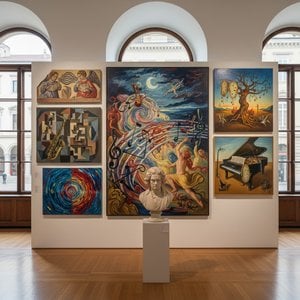
Harmonies on Canvas: Exploring the Visual Representation of Music in Art History
Explore the fascinating history of music's visual representation in art! From ancient symbolism to modern abstraction, discover how artists have captured sound and emotion on canvas. Expert insights & stunning examples.
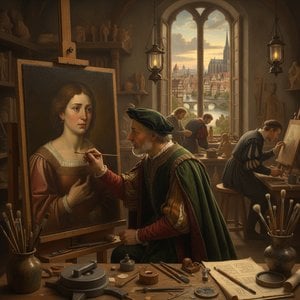
The Northern Awakening: Artistic Innovation & Cultural Transformation in the German Renaissance
Explore the artistic innovation of the German Renaissance! Discover Dürer, the Danube School & Reformation art. Learn about techniques, materials & lasting influence. Find museum-quality reproductions at ArtsDot.