


 Pregledaj u prostoru
 Pošalji
 Podeli
 Detalji o delu

 Преузми
 Slični predmeti
 Rendgenski snimak
 Slajdovi
 Statistika
Horace John Abbot
 Academic Realism
 51.0 x 38.0 cm
 Pročitaj više
Ručno rađena uljana reprodukcija
Ručno oslikano uljanim bojama na platnu u dimenzijama i okviru po vašem izboru, izrađeno po porudžbini od strane naših umetnika. ( Pređi na štampu Pređi na digitalnu sliku)




































Izaberite jednu od naših unapred definisanih veličina koje odgovaraju originalnim proporcijama umetničkog dela.

Можете унети сопствене димензије како бисте прилагодили дело одређеном оквиру или простору. Ако одабрана величина не одговара пропорцијама оригинала, слика ће бити исечена или проширена додатним елементима који се ручно насликавају. Дигитални prikaz ће вам бити послат на одобрење пре почетка производње.
Имајте на уму да преглед на екрану не одражава стварно исецање или проширење. Само приказ (mockup) ће тачно приказати коначну композицију.
Иако су доступне прилагођене величине, препоручујемо да одаберете димензију из дефинисане листе како бисте сачували оригиналне пропорције.
Nakon narudžbine, tim ArtsDot.com će klijentu putem e-pošte poslati uputstva i dostaviti prikaz predloženog rešenja
Isporuka širom sveta () za 3/4 nedelje umesto uobičajenih 5 nedelja. (16 септембар). Bez kompromisa po pitanju kvaliteta.

Besplatna ekspresna dostava širom sveta

Visokokvalitetno laneno platno

Kompletno osiguranje transporta

Garancija povraćaja carine i uvoznih dažbina

Garancija vernosti boja

Politika povraćaja u roku od 100 dana (isključivo u slučaju nedostataka)

Garancija povrata novca od 100%

Popust pri grupnoj kupovini
 Opcija sa staklom dostupna je samo za dimenzije manje od 110 cm

Horace John Abbot
Tehnika reprodukcije
Dimenzije reprodukcije
-


Konačna cena
$ 263
Srodna umetnička dela


Biografija umetnika
Louis Fabron: Bridging Neoclassicism and Romantic Emotion
Louis Fabron (1855 – 1907) stands as a remarkable figure in late nineteenth-century American art, skillfully blending the stylistic rigor of Neoclassicism with the expressive fervor characteristic of Romanticism. Born in Paris, France, Fabron’s artistic journey began amidst the intellectual currents shaping European culture—a period marked by debates over artistic idealism versus realism and fueled by burgeoning interest in psychological portraiture. His formative years were spent absorbing the lessons of established masters like Jean-Auguste Dominique Ingres and Alexandre Cabanel, whose meticulous attention to detail and idealized representations profoundly impacted Fabron’s approach to painting. Fabron's early works demonstrate a dedication to classical principles—precise lines, balanced compositions, and muted palettes—reflecting the prevailing aesthetic sensibilities of his time. However, he swiftly moved beyond mere imitation, injecting emotional depth into his canvases that distinguished him from many of his contemporaries. This stylistic duality is particularly evident in portraits like “Francis Chardon’s Father” (1893), where Fabron captures not just physical likeness but also the subtle nuances of character and paternal affection. The painting utilizes a masterful blend of academic realism—characterized by meticulous rendering of textures and anatomical accuracy—with an expressive tonal range that conveys warmth and dignity. His collaboration with Horace John Abbot, another prominent portraitist of the era, resulted in several celebrated commissions showcasing Fabron’s ability to convey psychological complexity within a formal framework. Abbot's portraits often explored themes of introspection and moral contemplation, mirroring Fabron’s own artistic vision. Fabron skillfully employed rich browns and golds—a hallmark of Abbot’s technique—to imbue his canvases with an aura of sophistication and gravitas. Fabron’s influence extended beyond individual portraits; he championed the pursuit of “emotional truth” within academic painting—a controversial stance that challenged prevailing dogma. He argued passionately for artists to strive not merely for accurate representation but also for conveying genuine feeling, asserting that beauty resided in capturing the inner life of their subjects. This conviction solidified Fabron’s legacy as a pioneer of psychological portraiture and contributed significantly to the evolution of American art during the Gilded Age. Fabron's enduring contribution lies in his ability to synthesize disparate artistic traditions—classical precision and Romantic emotion—creating images that resonate with both intellectual rigor and profound human empathy. His paintings continue to captivate viewers today, serving as a testament to his artistic genius and his unwavering commitment to exploring the complexities of human experience. He remains an important artist for understanding the transition from Neoclassicism to Impressionism in America.
louis fabron
1855 - 1907
Osnovne informacije
- Artistic Movement Or Style: Academic Realism
- Artists Or Movements Influenced By This Artist: ['Romanticism']
- Artists Who Influenced This Artist: ['Anne-Louis Girodet']
- Date Of Birth: 1855
- Date Of Death: 1907
- Full Name: Louis Fabron
- Nationality: French
- Notable Artworks:
- Francis Chardon's Father
- Horace John Abbot
- Place Of Birth: Paris, France
Povezani članci
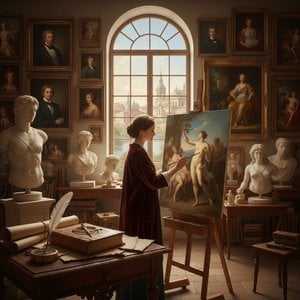
Academic Realism: Technique, History & Enduring Influence on Art
Explore the captivating world of Academic Realism! Discover key artists, techniques & its lasting impact on art history. Expert insights & high-quality reproductions at ArtsDot.

The Poetic Truth of Observation: Exploring 19th-Century Realism in Painting
Explore the captivating world of 19th-century Realism! Discover key artists like Courbet & Millet, masterpieces, and the powerful social commentary behind this influential art movement. Expert insights at ArtsDot.

Romantic Realism's Finest: 10 Masterpieces for Your Home | ArtsDot
Explore 10 defining masterpieces of Romantic Realism! Discover Courbet, Millet & Daumier's powerful paintings—capturing emotion and social realities. Find museum-quality reproductions for your home at ArtsDot.com.

Academic Realism's Finest: 10 Masterpieces for Art Lovers & Home Decor
Explore 10 defining Academic Realism masterpieces by Bouguereau, Gérôme & Cabanel. Discover the stories behind these iconic paintings and bring timeless art into your home with museum-quality reproductions from ArtsDot.com. Explore the full collection online!

Academic Art: Tradition, Technique & the Pursuit of Ideal Form in the 19th Century
Explore the world of Academic Art! Discover its history, key artists like Ingres & Bouguereau, defining techniques, and lasting influence on 19th-century painting. Learn about the Salon system and its legacy.