


 Pregledaj u prostoru
 Podeli
 Podeli
 Detalji
 Vodič
Vodič

 Preuzmi sliku
 Slični predmeti
 Rendgenski snimak
 Automatska prezentacija
 Statistika
Cigar or bar cabinet


 Pročitaj više
Giclee štampa / Umetnički otisak
Giclée štampa ili print na platnu muzejskog kvaliteta uz brzu izradu i raznovrsne opcije završne obrade. ( Naručite ručno oslikano reprodukciju Pređi na prodaju digitalnih slika)




P118B $10

P118H $10

P118W $10

P438Z $10

P508JH $12

P508YH $12

P805H $10

P805Z $10

P919BZ $10

P919G $10

P919XJ $10

P959ZH $10

P968JZ $12

W106C $8

W218G $10

W218JH $8

W218Y $10

W307PJ $10

W316G $10

W316PJ $8

W316Y $10

W398PJ $8

W4111J $10

W500HY $15

W500JH $15

W692G $12

W849H $8

W940BG $15

W953PJ $8




Izaberite jednu od naših unapred definisanih veličina koje odgovaraju originalnim proporcijama umetničkog dela.

Možete uneti sopstvene dimenzije kako biste umetničko delo prilagodili specifičnom okviru ili prostoru. Ako odabrani format ne odgovara proporcijama originalne slike, mi ćemo ili iscrtati deo dela ili proširiti sliku pomoću ogledane ivice ili jednobojnog popunjavanja. Digitalni prikaz će vam biti poslat na odobrenje pre početka proizvodnje.
Imajte na umu da pregled na ekranu ne odražava stvarno iscrtavanje ili proširivanje. Samo će prikaz (mockup) precizno pokazati finalnu kompoziciju.
Iako su prilagođene dimenzije dostupne, preporučujemo da odaberete dimenziju sa unapred definisane liste kako biste očuvali originalne proporcije.
Dostava širom sveta () za 2 nedelje umesto uobičajenih 4/5 nedelja. (27 септембар)

Besplatna ekspresna dostava širom sveta

Visokokvalitetno laneno platno

Sveobuhvatno osiguranje transporta

Garancija povraćaja carine i uvoznih dažbina

Garancija vernosti boja i autentičnosti pri reprodukciji

Politika povraćaja u roku od 100 dana (samo u slučaju nedostataka)

Garancija povrata 100% novca

Popust pri većoj količini
 Opcija sa staklom dostupna je samo za dimenzije manje od 110 cm

Cigar or bar cabinet
Giclee štampa / Umetnički otisak
Veličina reprodukcije
-


Ukupna cena
$ 62
Koloman Moser’s Cigar Bar: A Symphony of Geometric Elegance
The Vienna Secession movement, born in 1897 as a defiant reaction against the conservative artistic conventions of the Austro-Hungarian Empire, sought to forge a new aesthetic path—one rooted in clarity, precision, and an embrace of modern geometric forms. Among its most influential figures was Koloman Moser (1868–1918), a multifaceted artist who excelled not only as a graphic designer but also as a furniture maker, architect, and textile artist. His “Cigar Bar,” created around 1903, embodies the spirit of this revolutionary movement perfectly—a testament to Moser’s unwavering commitment to Gesamtkunstwerk ideals: the unification of art and craft into a single harmonious whole.- Historical Context: The Secession emerged from a milieu grappling with anxieties about industrialization and societal change, rejecting the ornate grandeur of Historicism in favor of a more austere yet intellectually stimulating aesthetic. Moser’s work reflects this ethos, aligning itself with the broader cultural currents shaping Vienna at the turn of the century.
- Design Principles: The cabinet's design is characterized by its striking simplicity—a double stand-like base supporting a cube-shaped body divided into two halves by a mirror. This geometric structure immediately establishes a sense of balance and order, mirroring the principles championed by Josef Hoffmann and Ludwig Wittgenstein, who were instrumental in establishing Wiener Werkstätte.
- Material & Technique: Constructed primarily from walnut wood, Moser’s masterpiece showcases exceptional craftsmanship. The intricate inlay work covering the entire body is executed with meticulous attention to detail—rows of symmetrical motifs crafted from brass and enamel—demonstrating a mastery of traditional techniques adapted for contemporary expression.
The Mirror's Reflection: Symbolism and Spatial Illusion
Beyond its formal geometry, “Cigar Bar” possesses a profound symbolic dimension. The inclusion of a mirror within the cabinet’s interior serves as more than just a functional element; it represents introspection and duality—a visual metaphor for contemplating one's own identity amidst the complexities of the surrounding world. Moser skillfully employs spatial illusion to heighten the viewer’s experience, creating an atmosphere of refined contemplation. The mirrored surface subtly expands the perceived dimensions of the space, inviting viewers to immerse themselves in its elegant simplicity.- Vienna Secession Influence: Moser's embrace of geometric abstraction aligns seamlessly with the Secession’s rejection of academic conventions and its pursuit of expressive forms inspired by Japanese art and Islamic design—a deliberate departure from Western artistic traditions.
- Decorative Motifs: The symmetrical motifs adorning the cabinet’s surface are not merely decorative embellishments; they embody the Secession's fascination with mathematical precision and harmonious proportions—reflecting a belief in the power of rational order to elevate aesthetic experience.
A Celebration of Craftsmanship and Artistic Vision
Featured prominently in the eighth Secession exhibition, “Cigar Bar” solidified Moser’s reputation as one of Vienna's foremost artists of the Art Nouveau era—a movement that celebrated organic forms and flowing lines while simultaneously embracing technological innovation. The piece exemplifies the Gesamtkunstwerk ideal—the unification of art and craft into a single cohesive artistic statement—demonstrating Moser’s unwavering belief in the transformative potential of creative collaboration. Its enduring appeal lies not only in its exquisite aesthetic qualities but also in its embodiment of Vienna's cultural dynamism during a pivotal moment in European history.- Ver Sacrum Publication: The Secession’s periodical Ver Sacrum documented Moser’s artistic endeavors and championed his innovative approach to design—further elevating his profile within the Viennese art community.
- Legacy & Influence: “Cigar Bar” continues to inspire designers and artists today, serving as a timeless exemplar of geometric elegance and masterful craftsmanship—a testament to Koloman Moser's enduring contribution to the history of Art Nouveau.
Provenance and Recognition
The cabinet’s inclusion in the György Ráth Villa collection underscores its significance within Viennese art history. Its appearance in issue no. 3 of Ver Sacrum cemented Moser’s place as a leading figure of the Secession movement—a celebration of artistic innovation and cultural dynamism that reverberates through the decades. Today, “Cigar Bar” resides in the Museum of Applied Arts Vienna (MAK), where it stands as an enduring symbol of Austria's artistic heritage—a masterpiece crafted with unwavering dedication to both aesthetic beauty and intellectual rigor.Srodna umetnička dela


Biografija umetnika
Рани живот и образовање
Коломан Мозер, рођен 30. марта 1868. године у Бечу, Аустроугарска (данас део Хрватске), био је кључна фигура аустријске уметничке сцене, посебно познат по свом доприносу графичкој уметности и као оснивач Бечке сецесије. Његов уметнички пут започео је формалним студијама на Винер Академији и Кунстгевербешуле, где је касније постао инструктор од 1899. године надаље. Ова академска основа се показала кључном за обликовање његове свестране каријере кроз различите медијуме. Породило му је рану изложеност уметности и дизајну, негујући оштар поглед на детаље и естетику који ће дефинисати његов уметнички стил. Мозерова породична позадина значајно је утицала на његово разивијање осећаја за лепоту, што се одразило у каснијим делима.Уметнички допринос: Многострана каријера
Мозеров утицај на графичку уметност је неоспоран. Дизајнирао је поштанске марке, вињете за часописе и друге штампане материјале са изразитим геометријским шарама и стилизованим сликама. Његови дизајни карактерисали су се јасноћом, елеганцијом и иновативном употребом типографије. Али његов таленат није био ограничен само на графички дизајн; Мозер је уметност проширио и на моду, витражне прозоре, порцелан, керамику, дувано стакло, столарију, сребро и драгуљерију. Ово демонстрира његову посвећеност интеграцији уметности у свакодневни живот. Његови архитектонски дизајни, посебно апсидна мозаика и витражни прозори за Кирхе ам Штајнхоф у Бечу (1904), показују његову способност да споји уметничку визију са функционалним дизајном. Ова дела се сматрају ремек-делима архитектуре ар нувоа.Бечка радионица и дух сарадње
Године 1903. Мозер је заједно са Јозефом Хофманом суосновао Бечку радионицу (Wiener Werkstätte). Овај колаборативни центар имао је за циљ стварање естетски пријатних кућних производа уједињујући уметнике и занатлије. Бечка радионица заговарала је филозофију “Гезамткунстверк” – тотално дело уметности – где је сваки аспект објекта, од његовог дизајна до производње, пажљиво разматран. Мозерово учешће у Бечкој радионици учврстило је његову посвећеност функционалној лепоти и уздигло статус примењене уметности. Радионица није била само место за производњу предмета већ и платформа за промовисање нових идеја о дизајну и уметничком изразу.Утицаји, развој и наслеђе
Мозеров уметнички развој био је под утицајем неколико кључних покрета, укључујући ар нуво, симболизам и Бечку сецесију. Инспирацију је црпео из јапанских дрвореза, што је обликовало његову употребу равних површина боје и поједностављених облика. Његов стил се временом развијао, постајући све више апстрактан и геометријски, задржавајући осећај елеганције и финоће. Мозерово наслеђе је овековечено његовим дизајном на аустријском новцу од 100 евра са мотивом Штајнхоф цркве (2005), признајући његов трајан утицај на уметност и дизајн. Умро је у Бечу 1918. године, оставивши за собом значајан корпус дела који наставља да инспирише уметнике и дизајнере данас. Његови доприноси су помогли да се обликује ток модерне уметности и дизајна, истичући важност интеграције лепоте у свакодневне предмете и просторе. Мозер је био визионар који је веровао да би уметност требало да буде доступна свима, а не само елити.
Коломан Мозер
1868 - 1918 , Хрватска
Brzi pregled
- Artistic Movement Or Style: Бечка сецесија
- Artists Or Movements Influenced By This Artist: ['Радница']
- Date Of Birth: 30. март 1868.
- Date Of Death: 1918.
- Full Name: Коломан Мозер
- Nationality: Аустријанац
- Notable Artworks:
- Декорација фасаде
- Плесачица
- Три клечеће жене
- Place Of Birth (City And Country): Беч, Хрватска
Srodni članci

Art Nouveau: 10 Remek Dela Koja Su Definisala Pokret - Elegancija Za Vaš Dom
Otkrijte 10 remek dela Art Nouveau pokreta! Uronite u svet Alfonsa Muche, Gustava Klimta i drugih genijalaca. Istorija umetnosti, inspiracija za dekoraciju doma i reprodukcije vrhunskog kvaliteta na ArtsDot.com. Istražite celu kolekciju online!

The Vienna Secession: A Rebellion of Form & Spirit in Fin-de-Siècle Art
Discover the revolutionary Vienna Secession art movement! Explore Klimt, Olbrich & more. Learn about its history, characteristics & lasting influence on modern art. High-quality reproductions available.

Gustav Klimt: A Golden Legacy of Sensuality & Symbolism in Viennese Art
Explore the captivating world of Gustav Klimt with ArtsDot. Discover his iconic paintings, the Vienna Secession movement, & enduring legacy. High-quality reproductions available.

Koloman Moser: A Synthesis of Art Nouveau, Secessionism & the Gesamtkunstwerk Ideal
Explore the life & work of Koloman Moser, a pivotal figure in the Vienna Secession & Wiener Werkstätte. Discover his stunning graphic design, architecture, and applied arts – a true pioneer of Viennese Art Nouveau. Learn more at ArtsDot.
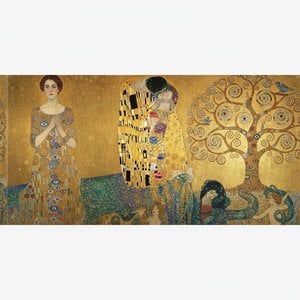
Gustav Klimt: 25 Remek-Dela Koje Očaravaju Svet – Reprodukcije za Vaš Dom
Uronite u svet Gustava Klimta! Otkrijte 25 remek-dela bečkog secesiona, od 'Poljupca' do portreta Adele Bloch-Bauer. Reprodukcije slika vrhunskog kvaliteta za luksuzni enterijer – inspiracija i dekoracija na ArtsDot.com.