

 Pregledaj u prostoru
 Pošalji
 Podeli
 Detalji o delu
 Vodič
Vodič

 Preuzmi
 Slični predmeti
 Rendgenski snimak
 Automatska prezentacija
 Pitanja i odgovori
 Statistika
Boy


 Pročitaj više
Giclee štampa / Umetnički otisak
Giclée štampa ili print na platnu muzejskog kvaliteta uz brzu izradu i raznovrsne opcije završne obrade. ( Kupite ručno oslikano delo Pređi na digitalnu sliku)




P118B дин10

P118H дин10

P118W дин10

P438Z дин10

P508JH дин12

P508YH дин12

P805H дин10

P805Z дин10

P919BZ дин10

P919G дин10

P919XJ дин10

P959ZH дин10

P968JZ дин12

W106C дин8

W218G дин10

W218JH дин8

W218Y дин10

W307PJ дин10

W316G дин10

W316PJ дин8

W316Y дин10

W398PJ дин8

W4111J дин10

W500HY дин15

W500JH дин15

W692G дин12

W849H дин8

W940BG дин15

W953PJ дин8




Izaberite jednu od naših unapred definisanih veličina koje odgovaraju originalnim proporcijama umetničkog dela.

Unesite željenu širinu i visinu kako bi se štampa uklopila u vaš ram ili zid. Štampu je moguće samo iseći, ali nikada povećati iznad dimenzija originalne slike, stoga format sa drugačijim proporcijama uzrokuje gubitak dela slike. Pre početka štampe, poslaćemo vam digitalni prikaz radi potvrde. Slika prikazana na ovoj stranici ne predstavlja stvarni isrez — to pokazuje samo digitalni prikaz.
Dostava širom sveta () za 2 nedelje umesto uobičajenih 4/5 nedelja. (12 новембар)

Besplatna ekspresna dostava širom sveta

Visokokvalitetno laneno platno

Potpuno osiguranje transporta

Garancija povraćaja carine i uvoznih dažbina

Garancija vernosti boja

Politika povraćaja u roku od 100 dana (samo u slučaju nedostataka)

Garancija povrata 100% novca

Popust na više proizvoda
 Opcija sa staklom dostupna je samo za dimenzije manje od 110 cm

Boy
Giclee štampa / Umetnički otisak
Dimenzije reprodukcije
-


Ukupna cena
дин 6609
The Essence of Edo: Hokusai’s "Boy"
Katsushika Hokusai's "Boy," created in 1844, serves as a profound meditation on the spirit of Japan during the twilight of the Edo period. This monochrome woodblock print, a component of the artist's monumental Thirty-Six Views of Mount Fuji, captures a moment of quiet contemplation. The work depicts a boy standing before an umbrella, a composition that juxtaposes youthful innocence against the broader anxieties of a changing society. Through meticulous observation, Hokusai conveys a sense of emotion and presence, inviting the viewer to look through a window into the soul of a bygone era.
The technical mastery of the Ukiyo-e style is evident in the print's precision. Hokusai utilized the relatively new Prussian blue pigment to create a striking contrast against the muted tones of the background, emphasizing the boy's presence and the solemnity of the scene. Through the use of hatching and shading, the artist sculpted form and depth without the need for color, a hallmark of the expressive power of woodblock printing. The inclusion of Japanese plum blossoms, rendered in gold lacquer on the umbrella's mount, symbolizes renewal and perseverance, adding a layer of aesthetic grandeur to the work.
Visual Composition and Symbolism
The visual narrative of the piece is centered on the interaction between the subject and the symbolic elements present in the scene. The boy's posture, slightly turned toward the observer, establishes an intimate connection with the viewer. The umbrella, traditionally a symbol of protection from rain and misfortune, represents resilience and fortitude. This imagery, set against the backdrop of a shifting historical landscape, reflects the tension between permanence and change that characterized the period.
The artwork's details include:
Pitanja i odgovori
Na koju fazu karijere umetnika Кацушика Хокусај odgovara datum 1844 za delo "Boy"?
S obzirom na datum nastanka iz 1844. godine, delo "Boy" pripada Mature Period periodu umetnika Кацушика Хокусај.
Kako mogu da pronađem dela koja su slična delu „Boy”, autor Кацушика Хокусај?
Umetnicka dela slična delu „Boy”, autor Кацушика Хокусај prikupljena su na stranici Slična dela ovog umetničkog dela.
Da li "Boy" prikazuje snažne kontraste svetla i tame?
Svetlo-tamni kontrast dela "Boy" je označen kao Gentle. Kontrast opisuje stepen razlike između svetlih i tamnih površina.
Srodna umetnička dela
![Indian Tobacco Shop Sign [obverse, Indian Facing Left] — Винслоу Хомер, American Realism](/media/artworks/images-thumb/23/47/234786c2828c25069cd7d401f9f6d842.jpg)


Biografija umetnika
Неустанска потрага за „пролазним светом”
У оживљеним улицама Едо, син израђивача огрдела, почиње да црта. Са само шесто године, дечак већ скица, вођен гладом за креативношћу коју његов отац, Накаџима Исе, препознаје, али не може потпуно да усмери. Ово није живот у комфорту; то је упорни, суров успон кроз друштвене слојеве Токугава шогуната. Са дванаест година, он улази у атеље Кацукаве Шуншо, учећи захтевну прецизност укијо-е гравюре. Он не долази да би копирао свог учитеља. Напротив, он апсорбује технике „пролазног света” — приказе глумаца и куртизанки — и почиње да расплита нити овог жанра, тражећи нешто много шире и дубље.
Његова каријера је серија прерођења. Променио је своје име преко тридесет пута, што је пракса која означава његове прелазне припадности и његово одбијање да остане стационаран. Прелази са илустрације књига на стварање појединачних гравюра, што је транзиција која му омогућа је да прошири своју визију. Он је човек у сталном кретету, немирна душа која уметност посматра као целоглаву еволуцију, а не као одређену одредишту.
Геометрија природе
Фокус се мења. Урбане сцене Едо предавају се огромном размару природног пејзажа. Око 1831. године појављује се серија Тридесет шест погледа на планину Фуџи, која фундаментално мења опсег јапанског гравјура. У делу Велики талас у Канагави, океан је огромна сила која подсећа на когот, студија тензије и перспективе која дочарава ужаснућу моћ мора у супротности крхкости људских бродова. Ово није само пејзаж; то је сутица са узвишеним. Користи прускају плаву, пигмент увезен из Европе, како би водема и небу дао нову дубину, стварајући визуелни језик који делује истовремено древно и изненађујуће модеран.
Његова придржавања се протежу изван великог, до најситнијих детаља. Колекције Хокусај манга откривају ум опсегнут механизима живота. Он скица све: кривину кичме животиње, немирно кретање толпе, чудну анатомију мифичних бића. Његова линија је смела и одлучна. Он бележи ефемерно — прскање таласа, изненадни покрет путника — са прецизијношћу која премошћу између онога што се види и онога што се осећа.
Глобални одјех
Како се Јапан отвара за свет крајем 19. века, његов утицај путује преко океана. Феномен јапонизма завладава Европом. Његове композиције, карактеристичне по необичним перспективама и равним равни, стижу до очију Клода Монеа и Винсента ван Гога. У његовом делу они виде начин да се ослободе традиционалног западњачког реализма. Утицај је дубок. Његова способност да пронађе смисао у свакодневном, као и у монументалном, оставља трајан печат на путовање модерне уметности.
Он остаје ученик до самог краја. Чак и у својим осамдесетим, он за себе каже Гакјо Роџин, „старац луд за сликањем”. Умре 1849. године, остављајући за собом огроман опус дела који обухвата скоро деведесет година непрестаног експериментисања. Он није само документовао свет; он је реконфигурисао начин на који се свет види.

Кацушика Хокусај
1760 - 1849 , Јапан
Osnovne informacije
- Artistic Movement Or Style: Укијо-е
- Artists Or Movements Influenced By This Artist:
- Клод Моне
- Егар Дега
- Винсент ван Гог
- Јапонизам
- Date Of Birth: 1760
- Date Of Death: 1849
- Full Name: Кацушика Хокусај
- Nationality: Јапанец
- Notable Artworks:
- Велики талас у Канагави
- Тридесет шест погледа на планину Фуџи
- Place Of Birth: Токио, Јапан
Povezani članci

Katsushika Hokusai: 25 Remek-dela Japanskog Umetnika za Vaš Dom | ArtsDot
Uronite u svet Katsushike Hokusaija! Otkrijte 25 remek-dela japanskog umetnika, uključujući čuveni 'Veliki talas'. Ukiyo-e štampe, pejzaži i istorija iza svakog dela. Pronađite inspiraciju za dekor enterijera i kupite reprodukcije slika vrhunskog kvaliteta na ArtsDot.com.

Katsushika Hokusai: A Comprehensive Exploration of the Master's Life, Art, and Enduring Legacy
Explore the life & art of Katsushika Hokusai, Japan's ukiyo-e master! Discover 'The Great Wave,' landscapes, manga & his profound influence on Western art. A comprehensive guide for enthusiasts.

Ukiyo-e's Poetic Visionary: Hiroshige Ando & the Transformation of Landscape in 19th-Century Japan
Explore the life & art of Ando Hiroshige, Japan's last great ukiyo-e master. Discover his iconic landscapes, poetic style, and profound influence on Western Impressionism. Learn about The Fifty-Three Stations & more!

Under the Canopy: A Study of Light, Shadow, and Life within Historical Umbrella Artworks
Explore how Renoir and Monet used umbrellas to master light and shadow. Discover the beauty of Impressionist landscapes today.
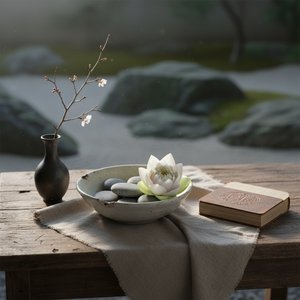
The Poetics of Stillness: Exploring Serenity as Subject & Aesthetic Quality in Visual Art
Explore the profound beauty of serenity in art history & contemporary works. Discover how artists evoke calm through color, composition & minimalism. Find artwork to cultivate peace and wellbeing.


