

- 430.0 x 380.0 cm


Slika prati vaše izbore: , .
Opis predmeta
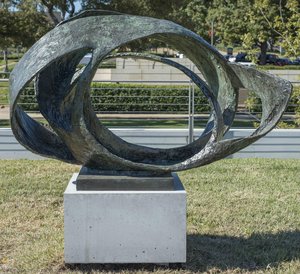
A striking red egg sculpture stands boldly within a serene grassy field in this monumental 2012 work by Katsuji Kishida, inviting you to explore the powerful presence of this contemporary Japanese masterpiece.
 Pročitaj više
Biografija umetnika
Otkrijte monumentalne skulpture Kacudžija Kišide! Istražite njegovo nasleđe od gvožđa i bronze u Parizu i Japanu.
Ručno rađena uljana reprodukcija
Ručno oslikano uljanim bojama na platnu u dimenzijama i okviru po vašem izboru, izrađeno po porudžbini od strane naših umetnika. ( Pređi na štampu Pređi na digitalnu sliku)
Ovo umetničko delo je zaštićeno autorskim pravima
Umetničko delo prikazano na ovoj stranici zaštićeno je autorskim pravima, što znači da zakonski nismo u mogućnosti da kreiramo niti prodajemo identičnu reprodukciju. Ova zaštita se sprovodi u skladu sa međunarodnim sporazumima kao što su Bernska konvencija i nacionalnim zakonima, uključujući i one koji su definisani u Američki zakon o autorskom pravu – Naslov 17.
Kao poštovana i legalna alternativa, nudimo prilagođene, ručno oslikane umetničke radove inspirisane originalom. Naši stručni i profesionalni umetnici pažljivo proučavaju stil, ambijent i umetničku suštinu originala kako bi kreirali novo, unikatno delo koje budi istu emociju – ostajući pritom potpuno autentično stvaranje.
Ovaj metod je u potpunosti usklađen sa regulativama o autorskim pravima jer ne podrazumeva kopiranje ili dupliranje zaštićenih umetničkih dela. Umesto toga, reč je o kreativnoj reinterpretaciji – novom slikarskom delu koje je inspirisano originalom, ali nije identično njemu.
Saznajte više o ovoj slici
 Pošalji
 Podeli
 Detalji o delu
 Vodič
Vodič

 Preuzmi
 Slični predmeti
 Automatska prezentacija
 Pitanja i odgovori
 Statistika
Naručite svoju sliku u četiri jednostavna koraka
Ne žurite. Možete promeniti bilo koji odgovor; cena u vašoj korpi se ažurira nakon svakog izbora.
1 Prvi od četiri koraka
Koju veličinu želite?
Ovi formati zadržavaju proporcije originalnog slikarskog dela. Crtež prikazuje vaš izbor na zidu, iznad dvometarske garniture.
Ili unesite sopstvene dimenzije
Izaberite jednu od naših unapred definisanih veličina koje odgovaraju originalnim proporcijama umetničkog dela.

Unesite potrebnu širinu i visinu kako bi se slika uklopila u vaš ram ili zid. Pošto je ovo ručno oslikano delo, umetnik može za dimenzije drugačijeg oblika naslikati malo više prostora oko slike ili malo skratiti ivice — izbor je na vama. Pre početka rada, poslaćemo vam digitalni prikaz radi potvrde. Slika prikazana na ovoj stranici ne predstavlja konačan rezultat — samo digitalni prikaz pokazuje stvarnu sliku.
2 Drugi od četiri koraka
Na koji način želite da bude pripremljeno: u rolni, na platnu ili u ramu?
Cene u nastavku odnose se na dimenziju koju ste izabrali u prvom koraku.
Izaberite ivice platna
Izaberite svoj okvir

Beli rub дин1

zamrljene ivice дин1

Prošireno дин1

P118B дин10

P118H дин10

P118W дин10

P438Z дин10

P508JH дин12

P508YH дин12

P805H дин10

P805Z дин10

P919BZ дин10

P919G дин10

P919XJ дин10

P959ZH дин10

P968JZ дин12

W106C дин8

W218G дин10

W218JH дин8

W218Y дин10

W307PJ дин10

W316G дин10

W316PJ дин8

W316Y дин10

W398PJ дин8

W4111J дин10

W500HY дин15

W500JH дин15

W692G дин12

W849H дин8

W940BG дин15

W953PJ дин8

H24-GOLD дин30

H24-SILVER дин30

H36-GOLD дин45

H36-SILVER дин45
Uokvireno
Profil: . Ukupna veličina sa okvirom: .
3 Treći od četiri koraka
Da li biste želeli da nešto promenite na slici?
Većina ljudi odgovara sa ne. Pošto je svaka slika ručno rađena, naš umetnik je može i prilagoditi vašim željama.
Nakon porudžbine, tim ArtsDot.com će poslati imejl klijentu radi dobijanja uputstava i dostaviti prikaz makete
4 Četvrti korak od četiri
Nekoliko opcija za završnu obradu
Sve su opcione. Odgovori koji su već izabrani ne podrazumevaju dodatni trošak.
Ko je autor?
Svetska isporuka () za 3/4 nedelje umesto uobičajenih 5 nedelja. (4 новембар). Bez kompromisa po pitanju kvaliteta.
Plakica, kao u muzeju?
Detalji gravirane bronze ploče
This elegant plaque features the artist's name and the title of the artwork, finely engraved for a timeless presentation.
It is made from bronze with a refined, elegant finish. The text is precisely laser-engraved for a sharp and permanent result. Measuring 9x2 cm, the plaque is compact yet easy to read. It's built to be durable and scratch-resistant, offering a professional, museum-quality look. Mounting is simple thanks to the included adhesive backing.
Detalji prozirne akrilne pločice
The plaque includes essential engraved details such as the artist's name, the title of the artwork, the date it was created, the type of media used-like oil on canvas or watercolor-a brief description of the piece, and a QR code that links to the complete artwork information.
It is crafted from clear acrylic, offering a sleek, modern appearance. The text is UV-engraved in black to ensure strong visual contrast. With a size of 10x15 cm, it ensures optimal readability. It comes equipped with two metal hooks for secure wall mounting. The plaque is designed to be weather-resistant, making it suitable for various environments, and it includes interactive features that work seamlessly with smartphone scanning.
Detalji crne akrilne pločice
This elegant plaque includes engraved information such as the artist's name, the title of the artwork, the date it was created, the type of media used (like oil on canvas or watercolor), a short description of the artwork, and a QR code for quick access to more information.
The plaque itself is made from refined black acrylic with a premium finish. The text is laser-engraved in white for high contrast and readability. Its size is 10x15 cm, designed to be easy to read. It comes with two metal hooks for professional mounting. The design is sleek and fits any interior style. It is also weather-resistant and durable, with built-in digital integration for mobile compatibility.
Zaštitni lak?
Kada vam je potrebno?
✓ Proverite i naručite
Vaša slika, upravo onakva kakvu ste naručili

Wind egg
Tehnika reprodukcije
Dimenzije reprodukcije
-

Vrhunski maestri umetnosti
Više detalja, prefinjenosti i dodatnog vremena za izradu
-

Okvir za reprodukciju
-
-
Za umetnička dela ili reprodukcije čija je bilo koja strana veća od 105 cm (približno 41 inč), okvir će biti isporučen u obliku rastavljenog seta za sklapanje. Ovaj metod osigurava bezbednu dostavu i sprečava oštećenja tokom transporta.
Potrebna je profesionalna montaža – ovo nije proizvod namenjen samostalnoj izradi.
Set mora sastaviti i platno zategnuti iskusni profesionalni ramitelj, koristeći drveni lepak (nije uključen u set), hvataljku za zatezanje platna i stege kako bi se održao prav ugao okvira dok se lepak suši. Nepravilno sklapanje ili neravnomerno zategnuto platno mogu trajno oštetiti umetničko delo, što nije pokriveno našom garancijom.
 Za umetnička dela ili reprodukcije čija je bilo koja strana veća od 105 cm (približno 41 inč), okvir će biti isporučen u obliku rastavljenog seta za sklapanje. Ovaj metod osigurava bezbednu dostavu i sprečava oštećenja tokom transporta.
Sve šipke od masivnog drveta su uključene, precizno isečene po veličini.
Montira se pomoću priloženih šrafova, uz dodatno korišćenje lepka za drvo za spojeve u uglovima, koji nije uključen u set i koji vaš čuvar okvira mora obezbediti.
Potreban je profesionalni alat koji nije uključen u set: klešta za zatezanje platna (zatezač) i stege za održavanje pravih uglova letvica tokom sušenja lepka.
Važno:
Za spojeve u uglovima neophodan je lepak za drvo, šipke se moraju pričvrstiti stezgama dok lepak potpuno ne osuši, a za zatezanje platna na sklopljenom ramu potrebne su hvataljke za zatezanje platna. Nijedan od ovih alata nije uključen u komplet. Pre naručivanja ove veličine, molimo Vas da unapred obezbedite iskusnog profesionalca za ramačenje.

Kratki opis natpisa
-
-

Zaštitni lak
Sjajni lak (pojačava intenzitet boja, štiti od svetlosti i vlage)
-

Personalizujte svoje umetničko delo
Primeri mogućnosti izmene: Zamena lica fotografijom kupca; Dodavanje ljubimca (npr. zamena mačke psom); Uključivanje skrivene poruke u pozadini; Promena pejzaža ili elemenata pozadine.
-

Hitna dostava
Svetska isporuka () za 3/4 nedelje umesto uobičajenih 5 nedelja. (4 новембар). Bez kompromisa po pitanju kvaliteta.
-
Brza dostava
Dostava širom sveta () u roku od 5 nedelja. (11 новембар).
Uključeno u cenu
Ukupna cena
дин 27448
Opcija sa staklom dostupna je samo za dimenzije manje od 110 cm
Uključeno uz svaku porudžbinu
- Besplatna ekspresna dostava širom sveta
- Visokokvalitetno laneno platno
- Potpuno osiguranje transporta
- Garancija povraćaja carine i uvoznih dažbina
- Garancija vernosti boja
- Politika povraćaja u roku od 100 dana (samo u slučaju nedostataka)
- Garancija povrata 100% novca
- Popust na više proizvoda


A Monumental Presence in the Landscape
In the heart of a serene, verdant field, where the soft rustle of trees meets the quiet contemplation of park benches, stands a singular, breathtaking vision: Wind Egg. Created in 2012 by the master Japanese sculptor Katsuji Kishida, this monumental piece commands attention through its sheer audacity and vibrant color. The sculpture, a massive red egg measuring an impressive 430 x 380 cm, rests upon a sturdy concrete base, acting as a bold, crimson heartbeat within the natural landscape. To encounter this work is to witness a profound dialogue between man-made geometry and the organic fluidity of nature. The striking contrast between the saturated red of the sculpture and the lush greens of the surrounding meadow creates a visual tension that is both arresting and deeply memorable, inviting onlookers to pause their journey and engage with its silent, powerful presence.
The Mastery of Katsuji Kishida
To understand the soul of Wind Egg, one must look toward the artistic evolution of Katsuji Kishida. Born in Tokyo in 1937 and educated at the prestigious Musashino Art University, Kishida’s journey was one of constant upward aspiration. His move to Paris in 1967 served as a transformative catalyst, exposing him to the avant-garde spirit of Europe and refining his ability to manipulate heavy, industrial materials into poetic forms. Kishida was a virtuoso of metal, frequently working with iron, bronze, and stainless steel to achieve a sense of monumentality. In Wind Egg, we see the culmination of this lifelong pursuit—the ability to take a solid, weighty form and imbue it with an ethereal quality that suggests movement, as if the very wind has shaped this crimson vessel. His technique allows the sculpture to transcend its physical mass, offering a sense of lightness and "upward allure" that became his artistic signature.
Symbolism and Emotional Resonance
Beyond its striking aesthetic, Wind Egg invites deep philosophical reflection. The egg is a universal symbol of potential, fertility, and the beginning of life; it represents a dormant power waiting to hatch. By rendering this symbol in such a bold, unapologetic red, Kishida injects a sense of urgency and vitality into the landscape. The title itself suggests an invisible force—the wind—acting upon a tangible object, hinting at the unseen energies that shape our world and our destinies. For the collector or the interior designer, this piece offers more than just visual impact; it provides a focal point for contemplation. It evokes emotions ranging from the playful curiosity of a child discovering a giant treasure to the profound awe one feels when facing the sublime. Whether placed in a grand public garden or reimagined as a high-quality reproduction within a sophisticated interior, Wind Egg serves as a testament to the enduring power of form and color to stir the human spirit.
Pitanja i odgovori
Da li je "Wind egg" tipično za ono što je Kacudži Kišida obično stvarao?
Učestale teme umetnika Kacudži Kišida obuhvataju monumental metal sculpture, upward allure and aspiration, parisian artistic influence, modernist sculptural forms; delo "Wind egg" fokusira se na red egg sculpture, grassy field, trees, people, concrete base, benches, nature.
Mogu li da vidim „Wind egg”, autor Kacudži Kišida na svom zidu pre kupovine?
Delo „Wind egg”, autor Kacudži Kišida možete isprobati na svom zidu putem stranice AR prikaz, koristeći proširenu stvarnost na kompatibilnom uređaju.
Koja veličina štampe za "Wind egg" bi najbolje odgovarala mojoj prostoriji?
Za prostoriju kao što je Hotel Lobby, za delo "Wind egg" preporučujemo štampu u veličini od Large.
Srodna umetnička dela




Kacudži Kišida
1937 - 2019, Japan
Biografija umetnika
Rano detinjstvo i obrazovanje
Kacudži Kišida, čuveni japanski skulptor, rođen je u Tokiju 1937. godine. Svoju strast prema skulpturi negovao je na Univerzitetu umetnosti Mušashino u Tokiju, gde je diplomirao 1963. godine. Ovaj trenutak je označio početak njegovog dugog puta ka stvaranju monumentalnih dela koja će ostaviti neizbrisiv trag u svetu umetnosti.Pariski period i umetnička evolucija
Godine 1967, Kišida je preduzeo značajan korak preseljenjem u Pariz, grad koji je tada bio prepun umetničkih inovacija. Ova relokacija nije samo proširila njegove vidike, već je duboko uticala na njegov stil, što se jasno vidi u njegovim kasnijim delima. Sve do svoje smrti 2019. godine, Kišida je nastavio da živi i stvara u Parizu, ostavljajući za sobom nasleđe skulptura koje karakteriše njihova uzvišena privlačnost i težnja ka monumentalnosti.Umetnički stil i značajna dela
Kišidine skulpture često su koristile metal kao primarni materijal, pri čemu su gvožđe, bronza i nerđajući čelik bili njegov omiljeni izbori. Ova preferencija mu je omogućila da istraži svestranost ovih materijala, što je rezultiralo delima koja su istovremeno vizuelno upečatljiva i podstiču na razmišljanje.- Uzvišena privlačnost, serija skulptura koja predstavlja Kišidin prepoznatljiv stil, može se pronaći u različitim galerijama i muzejima u Francuskoj i Japanu.
- Njegova dela su izlagana u Muzeju lepih umetnosti (Gifu, Japan), prikazujući njegov značajan doprinos japanskoj umetnosti.
- Kišidine skulpture su takođe deo javnih i privatnih kolekcija u Japanu i Evropi, što je dokaz njegove globalne privlačnosti.
Nasleđe i uticaj
Monumentalne skulpture Kacudžija Kišide ostavile su neprolazan trag u svetu umetnosti. Njegov uticaj se može videti kod brojnih savremenih umetnika koji nastavljaju da pomeraju granice skulpture. Značajne reference: Muzej Petit Palais (Francuska), poznat po svojoj impresivnoj kolekciji, imao je značajan uticaj na Kišidin rad. Takođe, Muzej Luksemburg (Francuska), još jedan francuski muzej, izlagao je dela koja su inspirisala Kišidin stil.Zaključak
Uspon Kacudžija Kišide ka statusu monumentalne figure u svetu skulpture svedoči o njegovoj posvećenosti i strasti prema umetnosti. Njegovo nasleđe nastavlja da inspiriše umetnike i ljubitelje umetnosti, osiguravajući mu trajno mesto u annalsima istorije umetnosti.- Za više informacija o delima Kacudžija Kišide, posetite: https://AllPaintiliingsStore.com/@/katsuji-kishida
- Istražite kolekciju Muzeja lepih umetnosti (Gifu, Japan) na: /en/art/show/art-d3ar2v-en/
- Otkrijte uticaj francuskih muzeja na Kišidin rad na: https://ArtsDot.com/@@/a@d3agqp-the-museum-petit-palais-(france)
Povezani članci

The Enduring Form: Sculpture Across History, Technique & Emotional Resonance
Explore the rich history of sculpture with ArtsDot. Discover key techniques, influential artists & investment potential for discerning collectors. Expert insights into valuing and collecting timeless masterpieces.

Henry Moore: Sculpting Modernity – Form, Emotion & the Human Condition
Explore the revolutionary sculptures of Henry Moore – abstract forms, reclining figures & powerful expressions of the human condition. Discover his legacy & artistic process with ArtsDot.

The Enduring Form: Exploring Themes & Techniques in Sculpture Across Historical Periods
Explore the rich history of sculpture from ancient masterpieces to contemporary innovations. Discover key techniques, influential artists & investment potential for discerning art collectors.