


 Pregledaj u prostoru
 Podeli
 Podeli
 Detalji
 Vodič
Vodič

 Preuzmi sliku
 Slični predmeti
 Rendgenski snimak
 Automatska prezentacija
 Statistika
Untitled (D2X7EH)
 Buddhist Painting
 301
301 124.0cm x 74.0cm
 Pročitaj više
Ručno rađena uljana reprodukcija
Ručno oslikano uljanim bojama na platnu u dimenzijama i okviru po vašem izboru, izrađeno po porudžbini od strane naših umetnika. ( Pređi na prodaju štampanih primeraka Pređi na prodaju digitalnih slika)




































Izaberite jednu od naših unapred definisanih veličina koje odgovaraju originalnim proporcijama umetničkog dela.

Možete uneti sopstvene dimenzije kako biste prilagodili umetničko delo određenom okviru ili prostoru. Ako odabrana veličina ne odgovara proporcijama originala, slika će biti isečena ili proširena dodatnim elementima koji se ručno oslikavaju. Digitalni prikaz će vam biti poslat na odobrenje pre početka proizvodnje.
Imajte na umu da pregled na ekranu ne odražava stvarno prisecanje ili proširenje. Samo mockup će precizno prikazati konačnu kompoziciju.
Iako su dostupne prilagođene veličine, preporučujemo da izaberete dimenziju iz unapred definisane liste kako biste sačuvali originalne proporcije.
Nakon narudžbine, tim ArtsDot.com će klijentu putem e-pošte poslati uputstva i dostaviti prikaz predloženog rešenja
Svetska isporuka () za 3/4 nedelje umesto uobičajenih 5 nedelja. (24 септембар). Bez kompromisa po pitanju kvaliteta.

Besplatna ekspresna dostava širom sveta

Visokokvalitetno laneno platno

Sveobuhvatno osiguranje transporta

Garancija povraćaja carine i uvoznih dažbina

Garancija vernosti boja i autentičnosti pri reprodukciji

Politika povraćaja u roku od 100 dana (samo u slučaju nedostataka)

Garancija povrata 100% novca

Popust pri većoj količini
 Opcija sa staklom dostupna je samo za dimenzije manje od 110 cm

Untitled (D2X7EH)
Tehnika izrade reprodukcije
Veličina reprodukcije
-


Ukupna cena
$ 288
Srodna umetnička dela


Biografija umetnika
A Brush with Eternity: The World of Kasuga Motomitsu
Kasuga Motomitsu remains a figure shrouded in the mists of early Japanese art history, yet his influence resonates through centuries of Kamakura period (1185-1333) painting. Unlike many artists whose lives are meticulously documented, details surrounding Motomitsu’s existence are scarce. He wasn't a court painter celebrated with official commissions or extensive biographical records; instead, he emerged as a pivotal figure in the development of *yamato-e*, a distinctly Japanese style of landscape and narrative painting that prioritized intimate observation and emotional resonance over strict adherence to Chinese conventions. Born sometime in Japan during the late 10th or early 11th century, his story is largely reconstructed through analysis of his surviving works—most notably, the exquisite Portrait of Xuanzang (Genjō) with Attendant. This painting isn’t merely a portrait; it's a window into the spiritual world of the period and a testament to Motomitsu’s mastery of silk as a medium.Early Influences and Artistic Training
The artistic landscape in which Motomitsu matured was undergoing significant transformation. Prior to the Kamakura period, Japanese painting had been heavily influenced by Chinese styles—particularly Song Dynasty landscapes and figure paintings. However, a growing desire for uniquely Japanese expression began to take root. Buddhist art played a crucial role in shaping Motomitsu’s early aesthetic sensibilities. The emphasis on intricate detail, symbolic representation, and the use of gold leaf and vibrant colors within religious iconography profoundly impacted his approach. He received training in traditional Japanese art forms, absorbing techniques passed down through generations of artisans. This foundation allowed him to skillfully blend established conventions with a burgeoning sense of individuality. It’s believed that Motomitsu's early work focused on Buddhist themes, preparing him for the complex task of depicting religious figures and narratives with both technical precision and spiritual depth.The Portrait of Xuanzang: A Masterpiece Unveiled
Portrait of Xuanzang (Genjō) with Attendant, created in the 14th century, stands as Motomitsu’s most celebrated achievement—and arguably a defining work within *yamato-e*. The painting depicts the Chinese Buddhist monk Xuanzang, revered in Japan as Genjō, alongside an attendant. Measuring 123.8cm x 74.3cm, the silk canvas is imbued with a serene atmosphere and remarkable attention to detail. Motomitsu’s use of color is striking—not through bold extravagance but through subtle harmonies and delicate gradations. The rendering of Xuanzang himself is particularly noteworthy; his face conveys wisdom, compassion, and an inner tranquility that transcends mere physical representation. The landscape surrounding the figures isn't a realistic depiction of nature but rather a symbolic evocation of the spiritual realm—a space conducive to contemplation and enlightenment.Style and Technique: A Delicate Balance
Motomitsu’s artistic style is characterized by a delicate balance between precision and expressiveness. His lines are fluid yet controlled, creating a sense of movement and vitality within his compositions. He skillfully employed traditional Japanese motifs, such as cherry blossoms—symbols of impermanence and renewal—and dragons, representing power and good fortune. The choice of silk as his medium was crucial to his artistic vision. Silk allowed him to achieve an unparalleled level of detail and luminosity, enhancing the ethereal quality of his paintings. His technique involved layering colors meticulously, creating depth and texture that draws the viewer into the artwork’s world. This painstaking process reflects a deep reverence for materials and a commitment to craftsmanship.Legacy and Impact: Shaping Japanese Aesthetics
While concrete details about Motomitsu's life remain elusive, his impact on the development of Japanese art is undeniable. He helped pave the way for a more distinctly Japanese aesthetic—one that prioritized emotional resonance, intimate observation, and symbolic representation over strict adherence to Chinese conventions. His work influenced generations of artists who followed, inspiring them to explore new forms of expression within *yamato-e*. The Portrait of Xuanzang (Genjō) with Attendant continues to be revered as a masterpiece of Japanese art—a testament to Motomitsu’s skill, vision, and enduring legacy. He represents a pivotal moment in the transition from Chinese-influenced styles towards a uniquely Japanese artistic identity, leaving an indelible mark on the cultural landscape of Japan.
kasuga motomitsu
Japan
Brzi pregled
- Artistic Movement Or Style: World Goes Pop
- Artists Or Movements Influenced By This Artist: ['Influences various contemporary artists']
- Artists Who Influenced This Artist: ['Influenced by diverse artists within the World Goes Pop movement']
- Date Of Death: Living
- Notable Artworks: ['Various works featured in The World Goes Pop exhibition']
- Place Of Birth: WahooArt
Srodni članci

Katsushika Hokusai: 25 Remek-dela Japanskog Umetnika za Vaš Dom | ArtsDot
Uronite u svet Katsushike Hokusaija! Otkrijte 25 remek-dela japanskog umetnika, uključujući čuveni 'Veliki talas'. Ukiyo-e štampe, pejzaži i istorija iza svakog dela. Pronađite inspiraciju za dekor enterijera i kupite reprodukcije slika vrhunskog kvaliteta na ArtsDot.com.

Floating World: The Captivating Art and Legacy of Japanese Ukiyo-e
Explore the profound beauty of Japanese Ukiyo-e. Discover the history, masters like Hokusai, and the enduring legacy of the 'Floating World' through an expert art-historical lens.

Léonard Foujita: A Poetic Synthesis of Japanese Sensibility & European Modernism
Discover the captivating world of Léonard Foujita, a master bridging Japanese aesthetics & European Modernism. Explore his signature style, diverse works, and enduring legacy – essential reading for discerning art collectors.
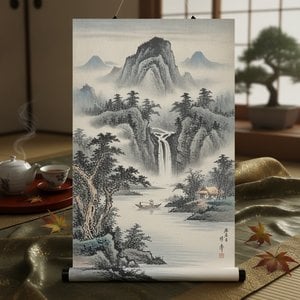
Serenity on Canvas: A Guide to the Timeless Beauty of Japanese Landscape Painting
Discover the serene beauty of Japanese landscape painting. From Hokusai's iconic woodblock prints to meditative sumi-e ink washes, explore a visual journey through the 'floating world' and learn how to bring this timeless Zen aesthetic into your modern home decor.

Utagawa Kuniyoshi: A Master of Japanese Ukiyo-e – Narrative Innovation & the Fusion of Tradition with Popular Culture
Explore the captivating world of Utagawa Kuniyoshi, a master of Japanese ukiyo-e woodblock prints. Discover his innovative warrior scenes, vibrant landscapes & lasting legacy in 19th-century art history.