

 Pregledaj u prostoru
 Pošalji
 Podeli
 Detalji o delu
 Vodič
Vodič

 Preuzmi
 Slični predmeti
 Rendgenski snimak
 Automatska prezentacija
 Pitanja i odgovori
 Statistika
Self-Portrait

- 69.0 x 58.0 cm


 Pročitaj više
Giclee štampa / Umetnički otisak
Giclée štampa ili print na platnu muzejskog kvaliteta uz brzu izradu i raznovrsne opcije završne obrade. ( Kupite ručno oslikano delo Pređi na digitalnu sliku)




P118B дин10

P118H дин10

P118W дин10

P438Z дин10

P508JH дин12

P508YH дин12

P805H дин10

P805Z дин10

P919BZ дин10

P919G дин10

P919XJ дин10

P959ZH дин10

P968JZ дин12

W106C дин8

W218G дин10

W218JH дин8

W218Y дин10

W307PJ дин10

W316G дин10

W316PJ дин8

W316Y дин10

W398PJ дин8

W4111J дин10

W500HY дин15

W500JH дин15

W692G дин12

W849H дин8

W940BG дин15

W953PJ дин8




Izaberite jednu od naših unapred definisanih veličina koje odgovaraju originalnim proporcijama umetničkog dela.

Unesite željenu širinu i visinu kako bi se štampa uklopila u vaš ram ili zid. Štampu je moguće samo iseći, ali nikada povećati iznad dimenzija originalne slike, stoga format sa drugačijim proporcijama uzrokuje gubitak dela slike. Pre početka štampe, poslaćemo vam digitalni prikaz radi potvrde. Slika prikazana na ovoj stranici ne predstavlja stvarni isrez — to pokazuje samo digitalni prikaz.
Dostava širom sveta () za 2 nedelje umesto uobičajenih 4/5 nedelja. (3 новембар)

Besplatna ekspresna dostava širom sveta

Visokokvalitetno laneno platno

Potpuno osiguranje transporta

Garancija povraćaja carine i uvoznih dažbina

Garancija vernosti boja

Politika povraćaja u roku od 100 dana (samo u slučaju nedostataka)

Garancija povrata 100% novca

Popust na više proizvoda
 Opcija sa staklom dostupna je samo za dimenzije manje od 110 cm

Self-Portrait
Giclee štampa / Umetnički otisak
Dimenzije reprodukcije
-


Ukupna cena
дин 6601
A Glimpse into Enlightenment Elegance: Joseph Boze's Self-Portrait
To stand before this portrait is to step directly into the refined drawing rooms of late 18th-century France, a world steeped in the sophisticated air of the Rococo period. This self-portrait by Joseph Boze captures not merely a likeness, but an entire persona—one of measured intellect and aristocratic bearing. The subject gazes out with an unwavering, direct intensity, his expression suggesting a man accustomed to being observed, yet possessing a quiet depth that invites closer contemplation. Every element, from the meticulously styled wig to the crisp white collar, speaks volumes about the societal expectations and artistic ideals of the era.
Mastery in Pastel: Technique and Detail
The technical brilliance evident in this work is breathtaking. While the subject matter evokes the grandeur often associated with oil painting, the delicate handling suggests a masterful use of pastel—a medium that lends itself to ethereal softness while retaining remarkable fidelity to detail. Boze’s ability to render texture so convincingly, whether it be the sheen on the dark coat or the subtle variations in his graying hair, speaks to an extraordinary level of skill. The muted beige background serves as a perfect foil, allowing the richness of the sitter's attire and the nuance of his features to command all attention. It is a study in controlled elegance, where every stroke seems deliberate.
The Context of Courtly Life
Joseph Boze was a painter whose career spanned some of the most tumultuous decades in French history. His association with the royal court, particularly during the reign of Louis XVI, means this portrait is imbued with the weight of patronage and high society. The style itself—the fashionable wig, the structured yet graceful clothing—anchors us firmly to the period just before the seismic shifts of revolution. Owning a reproduction of this piece allows one to curate an atmosphere of enduring, pre-revolutionary refinement within any modern space.
Symbolism and Enduring Presence
The self-portrait format inherently carries a layer of introspection; it is the artist presenting his own carefully curated image to posterity. The direct gaze acts as a powerful conduit between the centuries, establishing an immediate, personal connection with the viewer. Symbolically, the portrait embodies the Enlightenment ideal: a celebration of human intellect paired with impeccable taste. For collectors and designers alike, this piece offers more than mere decoration; it is a conversation starter, whispering tales of powdered wigs, royal favor, and artistic genius.
Pitanja i odgovori
Kakvo se raspoloženje i emocija prepliću u "Self-Portrait"?
„Self-Portrait”, autor Joseph Boze prenosi Reflective osećaj unutar opšte Elegant atmosfere.
Kakav je emocionalni ton dela „Self-Portrait”, autor Joseph Boze?
Emocionalni ton zabeležen za „Self-Portrait”, autor Joseph Boze je Reflective, što sažima osećaj koji ovo delo izražava.
Kako se medijum i pokret spajaju u delu "Self-Portrait"?
„Self-Portrait“ je urađeno u tehnici Pastel, u stilu Rococo.
Srodna umetnička dela


Biografija umetnika
Joseph Boze: A Royal Painter Amidst Tumultuous Times
Joseph Boze (1745-1826) stands as a fascinating figure in the annals of French art history—a portraitist who navigated the turbulent currents of the Enlightenment and Revolution with remarkable resilience. Born in Les Matiques, France, Boze’s artistic journey began amidst a period of significant social and political upheaval, shaping his oeuvre and cementing his place as one of Louis XVI's most trusted artists.- Early Life & Training: Boze’s formative years were marked by exposure to the artistic traditions of Provence, where he honed his skills in miniature painting—a technique favored for its intimacy and precision.
Royal Patronage and Artistic Flourishing
Boze quickly gained renown for his ability to capture the likenesses of prominent figures, securing commissions from the royal court. His portraits of Louis XVI and Marie Antoinette exemplify the elegance and grandeur of the Bourbon monarchy—works characterized by meticulous detail and a masterful understanding of anatomy and drapery. Notably, he survived the Reign of Terror thanks to his unwavering loyalty and diplomatic connections, demonstrating an astute awareness of political realities. The Palace of Versailles became his canvas for many years, where he created stunning depictions of royal families and dignitaries.- Notable Commissions: Among his most celebrated commissions were portraits of Jean-Paul Marat—a revolutionary icon—and Charles Eugène Gabriel de la Croix, Marquis de Castries—a military leader who played a crucial role in restoring the monarchy.
Technique and Style
Boze’s artistic style is distinguished by its realism and sensitivity. He employed oil paints on ivory panels, utilizing glazing techniques to achieve luminous effects and subtle tonal variations—a hallmark of Rococo artistry. His portraits are imbued with a profound psychological depth, capturing not merely physical appearance but also conveying the sitter's character and emotions. The Louvre houses one of his self-portraits, offering invaluable insight into his artistic vision and personal demeanor.- Materials & Techniques: Boze’s meticulous approach to painting involved layering thin glazes over a preparatory underpainting—a technique that allowed him to build up color gradually while maintaining tonal harmony.
Legacy and Influence
Despite the upheavals of his time, Joseph Boze persevered, continuing to produce portraits until his death in Paris in 1826. His work represents a pivotal moment in French art history—a testament to artistic excellence amidst political turmoil. He remains an important figure in the study of Rococo portraiture and continues to inspire artists today with his dedication to realism and psychological portrayal. Boze’s enduring legacy resides not only in his individual masterpieces but also in his contribution to preserving the visual memory of a bygone era—a royal painter who skillfully documented the grandeur and anxieties of his age.
Joseph Boze
1745 - 1826 , France
Osnovne informacije
- Full Name: Joseph Boze
- Nationality: French
- Date Of Birth: 1745
- Date Of Death: 1826
- Place Of Birth: Les Matiques, France
- Notable Artworks:
- Portrait of Honoré Gabriel Riqueti
- Portrait of Jean-Paul Marat
- Portrait of Charles Eugène Gabriel de la Croix, Marquis de Castries
- Portrait of Jeanne-Louise-Henriette Campan
- Artistic Movement Or Style: Portraiture
Povezani članci
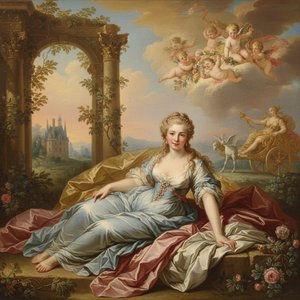
François Boucher: Rococo Master of Myth, Sensuality, and the French Court
Explore the captivating world of François Boucher, master of Rococo painting! Discover his iconic works, aristocratic patronage, and lasting influence on French art history. Learn more at ArtsDot.

The Rococo Aesthetic: Opulence, Rebellion & the Pursuit of Pleasure in 18th-Century Art
Explore the opulent world of Rococo art! Discover its origins, key artists like Watteau & Boucher, and lasting influence on design. Expert insights for collectors & enthusiasts.

Vigée Le Brun: Portraiture, Patronage & Feminine Identity in 18th-Century France
Explore the life & art of Louise Élisabeth Vigée Le Brun, Marie Antoinette’s renowned portraitist. Discover her Rococo style, self-portraits, and influence on 18th-century French painting. A deep dive into patronage & feminine identity.

Illuminating the Enlightenment: A Comprehensive Exploration of 18th-Century Painting
Explore the captivating world of 18th-century painting! Discover Rococo's playful elegance & Neoclassicism’s Enlightenment ideals with expert insights into Fragonard, David, and more. A comprehensive guide for art enthusiasts.

Rokoko: 10 Remek Dela Koja Su Definisala Eleganciju i Ukus
Otkrijte 10 remek dela koja su definisala rokoko umetnost! Uronite u svet Boucher-a, Watteau-a i Fragonarda. Istorija, stil i inspiracija za vaš dom. Kvalitetne reprodukcije i kuratorski odabiri na ArtsDot.com!