

 Pošalji
 Podeli
 Detalji o delu
 Vodič
Vodič

 Preuzmi
 Slični predmeti
 Automatska prezentacija
 Pitanja i odgovori
 Statistika
Apollo


 Pročitaj više
Giclee štampa / Umetnički otisak
Giclée štampa ili print na platnu muzejskog kvaliteta uz brzu izradu i raznovrsne opcije završne obrade. ( Kupite ručno oslikano delo Pređi na digitalnu sliku)




































Izaberite jednu od naših unapred definisanih veličina koje odgovaraju originalnim proporcijama umetničkog dela.

Unesite željenu širinu i visinu kako bi se štampa uklopila u vaš ram ili zid. Štampu je moguće samo iseći, ali nikada povećati iznad dimenzija originalne slike, stoga format sa drugačijim proporcijama uzrokuje gubitak dela slike. Pre početka štampe, poslaćemo vam digitalni prikaz radi potvrde. Slika prikazana na ovoj stranici ne predstavlja stvarni isrez — to pokazuje samo digitalni prikaz.
Dostava širom sveta () za 2 nedelje umesto uobičajenih 4/5 nedelja. (8 новембар)

Besplatna ekspresna dostava širom sveta

Visokokvalitetno laneno platno

Potpuno osiguranje transporta

Garancija povraćaja carine i uvoznih dažbina

Garancija vernosti boja

Politika povraćaja u roku od 100 dana (samo u slučaju nedostataka)

Garancija povrata 100% novca

Popust na više proizvoda
 Opcija sa staklom dostupna je samo za dimenzije manje od 110 cm

Apollo
Giclee štampa / Umetnički otisak
Dimenzije reprodukcije
-


Ukupna cena
дин 6599
José Álvarez Cubero’s Apollo: A Testament to Neoclassical Ideal
The sculpture “Apollo” by José Álvarez Cubero stands as a cornerstone of Spanish Neoclassicism, embodying the artistic fervor that swept across Europe in the early 19th century. Created in 1808 during a period marked by royal patronage and burgeoning influence from Italian sculptural traditions, this marble masterpiece transcends mere representation; it speaks to enduring ideals of beauty, harmony, and divine grace.Subject Matter & Mythological Significance
Apollo, revered as the Greek god of music, poetry, light, healing, and prophecy, occupies a central position in Western mythology. Cubero’s depiction captures the youthful Apollo in a pose that reflects both physical strength and contemplative serenity—a deliberate choice designed to elevate him beyond a simple figure into an embodiment of human perfection. The laurel wreath adorning his head symbolizes victory and honor, referencing Apollo's triumphs over rivals and reinforcing his status as a divine hero. This selection of subject matter wasn’t accidental; Neoclassical artists sought inspiration from classical antiquity, believing it represented the pinnacle of civilized achievement and moral virtue.Style & Technique: Embracing Classical Form
Cubero meticulously adhered to the principles of Neoclassicism, prioritizing balance, symmetry, and restraint—characteristics that distinguished this movement from its Romantic predecessor. The sculpture’s form is characterized by a masterful contrapposto stance, subtly shifting weight onto one leg to create a naturalistic curve in Apollo's torso. This technique, honed through training under Miguel Verdiguier and further refined during his studies in Paris and Rome, demonstrates an unwavering commitment to anatomical accuracy and classical proportions. The sculptor skillfully carved the marble from a single block using chisels and hammers—a laborious process that demanded exceptional skill and patience. Lines dominate the composition, delineating Apollo’s musculature and drapery with precision, mirroring the stylistic conventions of artists like Antonio Canova who championed similar approaches.Historical Context & Artistic Influences
The sculpture's creation coincided with King Charles IV’s reign in Spain, a period witnessing significant artistic renewal fueled by European intellectual currents. Cubero’s formative years were spent absorbing the teachings of Miguel Verdiguier and honing his craft at the Academy of San Fernando in Madrid—institutions that actively promoted Neoclassical ideals. Crucially, he was profoundly impacted by the sculptural achievements of Antonio Canova, whose works championed idealized beauty and anatomical realism. This influence is palpable in Cubero’s meticulous attention to detail and his unwavering devotion to classical forms.Emotional Impact & Legacy
“Apollo” transcends its material form, conveying a sense of timeless elegance and spiritual contemplation. The sculpture's diffused lighting enhances the marble’s texture, emphasizing Apollo’s physique and creating an atmosphere of solemn grandeur. It serves as a poignant reminder of Neoclassicism’s aspiration to capture the sublime—the awe-inspiring beauty that inspires reverence and elevates the human spirit. Today, reproductions of “Apollo” continue to captivate audiences worldwide, cementing Cubero's place among Spain’s most celebrated sculptors and securing his legacy as an artist who successfully translated classical ideals into enduring artistic expression.Pitanja i odgovori
Koja je tehnika korišćena za "Apollo" i kada je delo nastalo?
Delo "Apollo" nastalo je 1808. godine korišćenjem tehnike Marble. Materijal i datum opisuju način i vreme kada je original izrađen.
Koja veličina reprodukcije se preporučuje za „Apollo”, autor José Álvarez Cubero?
Preporučena veličina štampe za rad "Apollo" je Medium. Dostupne su i druge veličine istih proporcija.
Kakva su prava na reprodukciju dela "Apollo" u muzeju Museo del Prado?
Status autorskih prava za delo „Apollo”, autor José Álvarez Cubero je jasan: rad pripada u javnom vlasništvu – autorska prava su istekla. Njegovo prisustvo u muzeju Museo del Prado ne menja taj status.
Srodna umetnička dela


Biografija umetnika
José Álvarez Cubero: A Life in Neoclassical Sculpture
Early Life and Education
- Born: 23 April 1768, Priego de Córdoba, Spain.
- José Álvarez Cubero began his artistic journey as the son of a stonemason, displaying an early aptitude for drawing and modeling.
- He received formal training from the French sculptor Miguel Verdiguier in Cordova and later at the Academy of San Fernando in Madrid.
Career Development & Influences
- Royal Patronage: In 1799, King Charles IV awarded Cubero a pension to study art in Paris and Rome – pivotal cities for Neoclassical sculpture.
- Influences: While in these artistic hubs, he was profoundly influenced by the works of Antonio Canova, adopting and refining the principles of Neoclassicism.
- His early work demonstrated a growing mastery of anatomical detail and classical forms.
Major Works & Artistic Style
- “Ganymede” (1804): Executed in Paris, this sculpture brought Cubero immediate acclaim and established his reputation as a leading sculptor.
- “Antilochus and Memnon” (1818): Commissioned by Ferdinand VII, this marble group is considered one of his most successful works and now resides in the Museum of Madrid.
- Portrait Busts: He also created remarkable portrait busts of prominent figures like Ferdinand VII, Gioacchino Rossini, and the Duchess of Alba, noted for their vigor and fidelity.
- “The Defence of Zaragoza” (1823): A significant work depicting a heroic scene from Spanish history.
Political Challenges & Later Life
- Imprisonment: Cubero’s refusal to acknowledge Joseph Bonaparte as King of Spain led to his imprisonment in Rome, demonstrating his strong patriotic convictions.
- Following his release, he briefly worked for Napoleon I decorating the Quirinal Palace.
- Court Sculptor: In 1816, he was appointed court sculptor to Ferdinand VII, solidifying his position within Spanish artistic circles.
- Upon returning to Madrid, Cubero dedicated himself to teaching at the Academy of San Fernando.
Legacy & Historical Significance
- Mentorship: He mentored a new generation of Spanish sculptors, including Ponciano Ponzano, who became one of the most celebrated Neoclassical sculptors of his time.
- Neoclassical Contribution: Cubero played a crucial role in establishing and promoting Neoclassical sculpture in Spain, bridging the gap between Italian and Spanish artistic traditions.
- Death: José Álvarez Cubero died on 26 November 1827, in Madrid, leaving behind a legacy of refined craftsmanship and patriotic dedication.

José Álvarez Cubero
1768 - 1827 , Spain
Osnovne informacije
- Name: José Álvarez Cubero
- Movement: Neoclassical
- Birth Date: 23 April 1768
- Death Date: 26 November 1827
- Influenced: Ponciano Ponzano
- Birth Place: Priego de Córdoba, Spain
- Nationality: Spanish
- Date Of Birth: 1768
- Date Of Death: 1827
- Influenced By: Miguel Verdiguier, Antonio Canova
- Notable Works:
- Ganymede
- The Defence of Zaragoza
- Antilochus and Memnon
- Place Of Birth: Priego de Córdoba, Spain
Povezani članci

Bronze Sculptures That Defined Art History | ArtsDot
Journey through art history with our Top 10 bronze sculptures! Explore masterpieces by Rodin, Michelangelo & more. Discover stories behind iconic statues and find museum-quality reproductions for your home decor at ArtsDot.com.
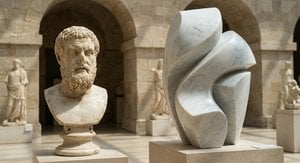
The Enduring Allure of Marble in Art History: From Classical Sculpture to Modern Abstraction
Explore the captivating history of marble sculpture from ancient Greece to modern art. Discover renowned artists like Canova & Michelangelo, carving techniques, and investment insights at ArtsDot.

The Enduring Form: Exploring Themes & Techniques in Sculpture Across Historical Periods
Explore the rich history of sculpture from ancient masterpieces to contemporary innovations. Discover key techniques, influential artists & investment potential for discerning art collectors.

The Enduring Legacy of Marble: A Comprehensive Exploration of Technique, Symbolism & Artistic Expression
Explore the rich history of marble sculpture from antiquity to the Renaissance! Discover key techniques, influential artists & enduring themes in classical art. Expert insights for collectors and enthusiasts at ArtsDot.

Bronze Age to Modern Masters: 10 Sculptures That Redefined Art | ArtsDot
Journey through art history with 10 legendary bronze sculptures – from Michelangelo's David to Rodin’s Thinker. Explore the stories, techniques & timeless beauty of these masterpieces. Find museum-quality reproductions & elevate your home decor on ArtsDot.com.