


 Pregledaj u prostoru
 Podeli
 Podeli
 Detalji
 Vodič
Vodič

 Preuzmi sliku
 Slični predmeti
 Rendgenski snimak
 Automatska prezentacija
 Statistika
Ale Cans


 Pročitaj više
Umetničko delo prikazano na ovoj stranici zaštićeno je autorskim pravima, što znači da zakonski nismo u mogućnosti da kreiramo niti prodajemo identičnu reprodukciju. Ova zaštita se sprovodi u skladu sa međunarodnim sporazumima kao što su Bernska konvencija i nacionalnim zakonima, uključujući i one koji su definisani u Američki zakon o autorskom pravu – Naslov 17.
Ovaj metod je u potpunosti usklađen sa regulativama o autorskim pravima jer ne podrazumeva kopiranje ili dupliranje zaštićenih umetničkih dela. Umesto toga, reč je o kreativnoj reinterpretaciji – novom slikarskom delu koje je inspirisano originalom, ali nije identično njemu.
Giclee štampa / Umetnički otisak
Giclée štampa ili print na platnu muzejskog kvaliteta uz brzu izradu i raznovrsne opcije završne obrade. ( Naručite ručno oslikano reprodukciju Pređi na prodaju digitalnih slika)




P118B дин10

P118H дин10

P118W дин10

P438Z дин10

P508JH дин12

P508YH дин12

P805H дин10

P805Z дин10

P919BZ дин10

P919G дин10

P919XJ дин10

P959ZH дин10

P968JZ дин12

W106C дин8

W218G дин10

W218JH дин8

W218Y дин10

W307PJ дин10

W316G дин10

W316PJ дин8

W316Y дин10

W398PJ дин8

W4111J дин10

W500HY дин15

W500JH дин15

W692G дин12

W849H дин8

W940BG дин15

W953PJ дин8




Izaberite jednu od naših unapred definisanih veličina koje odgovaraju originalnim proporcijama umetničkog dela.

Možete uneti sopstvene dimenzije kako biste umetničko delo prilagodili specifičnom okviru ili prostoru. Ako odabrani format ne odgovara proporcijama originalne slike, mi ćemo ili iscrtati deo dela ili proširiti sliku pomoću ogledane ivice ili jednobojnog popunjavanja. Digitalni prikaz će vam biti poslat na odobrenje pre početka proizvodnje.
Imajte na umu da pregled na ekranu ne odražava stvarno iscrtavanje ili proširivanje. Samo će prikaz (mockup) precizno pokazati finalnu kompoziciju.
Iako su prilagođene dimenzije dostupne, preporučujemo da odaberete dimenziju sa unapred definisane liste kako biste očuvali originalne proporcije.
Dostava širom sveta () za 2 nedelje umesto uobičajenih 4/5 nedelja. (13 октобар)

Besplatna ekspresna dostava širom sveta

Visokokvalitetno laneno platno

Sveobuhvatno osiguranje transporta

Garancija povraćaja carine i uvoznih dažbina

Garancija vernosti boja i autentičnosti pri reprodukciji

Politika povraćaja u roku od 100 dana (samo u slučaju nedostataka)

Garancija povrata 100% novca

Popust pri većoj količini
 Opcija sa staklom dostupna je samo za dimenzije manje od 110 cm

Ale Cans
Giclee štampa / Umetnički otisak
Veličina reprodukcije
-


Ukupna cena
дин 6297
The Quiet Power of the Ordinary
Jasper Johns' Ale Cans (1964) isn’t a grand statement; it’s not a revolutionary explosion of color or form. Instead, it resides in the deceptively simple depiction of two Ballantine Ale cans stacked atop one another. Yet within this seemingly mundane subject lies a profound exploration of perception, representation, and the very nature of art itself. Johns, a pivotal figure bridging Abstract Expressionism and Pop Art, wasn’t interested in simply replicating reality; he was fascinated by how we *see* it, and how that visual experience can be translated into a lasting image.

A Dialogue with Duchamp and the Readymade
To fully appreciate Ale Cans, it’s crucial to understand its context within Johns' artistic development. He was deeply influenced by Marcel Duchamp’s concept of the “readymade”—ordinary, mass-produced objects elevated to the status of art simply through the artist’s selection and declaration. Johns didn’t transform the cans into something entirely new; he meticulously rendered them, almost obsessively, as if attempting to capture their essence. This echoes Duchamp's approach – taking the familiar and presenting it in a way that forces us to reconsider its meaning. The work is a direct response to the idea of elevating the commonplace, challenging traditional notions of artistic merit.
The lithograph itself, produced by Universal Limited Art Editions (ULAE), speaks volumes about this process. ULAE was renowned for its high-quality printing and its collaborative approach with artists like Johns, who worked closely with printers to achieve the desired effects. The careful layering of ink, the subtle variations in tone, and the deliberate inclusion of black scribbled lines all contribute to a sense of meticulousness and control – a stark contrast to the seemingly effortless nature of everyday objects.
The Illusion of Depth and the Flatness of Print
One of the most striking aspects of Ale Cans is its unsettling juxtaposition of realism and abstraction. The cans appear three-dimensional, rendered with careful attention to detail – the labels, the metallic sheen, even the subtle shadows cast by the table. However, this illusion is immediately undermined by the stark black background, which is clearly flat. This creates a tension between the perceived reality of the objects and the inherent flatness of the printed medium. Johns deliberately exploits this contradiction, forcing the viewer to confront the limitations of representation and the artificiality of the image.
Deborah Wye, in her analysis for *Artists and Prints*, notes that “An interval of several months separated the execution of the first six stones and the seventh, the delicate border in black. The importance of this broken line should not be underestimated, for it at once separates and unites the image and the flatness of the paper.” This deliberate disruption highlights Johns’s conscious engagement with the printing process – he wasn't simply copying an object; he was actively shaping its representation within the constraints of the medium.
Symbolism and the American Landscape
Beyond its formal qualities, Ale Cans carries a subtle symbolic weight. The cans themselves are instantly recognizable icons of American consumer culture – a ubiquitous symbol of leisure and refreshment. Johns’s repeated use of this image throughout his career reflects his broader interest in exploring American iconography and the ways in which everyday objects shape our understanding of national identity. The work can be seen as a meditation on the relationship between art, commerce, and the visual landscape of postwar America.
Reproductions of Ale Cans offer a unique opportunity to appreciate Johns’s masterful technique and his profound insights into the nature of representation. A hand-painted reproduction captures not only the image itself but also the artist's deliberate choices, allowing viewers to engage with the work on a deeper level.
Pitanja i odgovori
Ko je kreirao "Ale Cans"?
Delo "Ale Cans" je kreirao/la Џаспера Џонса. Informacije na ovoj stranici opisuju originalno delo umetnika Џаспера Џонса.
Da li je „Ale Cans”, Џаспера Џонса poznato umetničko delo?
Nivo popularnosti zabeležen za „Ale Cans”, Џаспера Џонса iznosi Iconic.
Ko je autor dela "Ale Cans" i u kom umetničkom pravcu?
Delo "Ale Cans" delo je Џаспера Џонса u stilu Pop Art. Umetnik i pravac definišu tradiciju ovog dela.
Kakvo je opšte raspoloženje dela „Ale Cans”, Џаспера Џонса?
„Ale Cans“ odiše Calm atmosferom.
Mogu li da naručim uljanu reprodukciju dela "Ale Cans"?
„Ale Cans“ je dostupan kao ručno oslikana uljana reprodukcija na lanenom platnu. Porudžbinu možete izvršiti na ova stranica, uz izbor različitih dimenzija.
Na koji način se tehnika i stil spajaju u delu "Ale Cans"?
„Ale Cans“ je urađeno u tehnici Lithograph, u stilu Pop Art.
Za koju prostoriju se preporučuje „Ale Cans”, Џаспера Џонса?
Preporučeni prostor za „Ale Cans”, Џаспера Џонса je Living Room. Ovaj predlog se, naravno, može prilagoditi vašem enterijeru.
Koja je preporučena veličina štampe za „Ale Cans”, Џаспера Џонса?
Za rad "Ale Cans" preporučena je veličina štampe Medium. Dostupne su i druge veličine istih proporcija.


Biografija umetnika
Јаспер Џонс: Симболи, Слоеви и Редефинисање Америчке Уметности
Јаспер Џонс се појавио као кључна фигура у америчкој уметности, спајајући емотивну интензивност апстрактног експресионизма са нарастајућим поп арт покретом који је ускоро редефинисао границе уметничке праксе. Рођен у Огасти, Џорџија, 1930. године, његов рани живот био је обележен осећајем нестабилности након развода родитеља, искуство које је можда суптилно обликовало његова каснија истраживања идентитета и припадности у контексту америчке иконографије. Његове године формирања одвијале су се преко различитих школа, пре него што је кратко похађао Универзитет Јужне Каролине, али је тек његовим пресељењем у Њујорк 1949. године Џонс заиста почео да гради свој уметнички пут. Период служења током Корејског рата додатно обликовао његов привид, изложивши га свету далеко од нарастајуће уметничке сцене којој се враћао са жељом.Од Абстракције до Симбола: Нови Визуелни Језик
Поратнички амерички свет уметности био је доминантан апстрактним експресионизмом – стилом карактеристичним спонтаном гестом и дубоко личним емоционалним изразом. Иако је на њега првобитно утицао овај покрет, Џонс се осећао позван да пређе даље од чисто нерепрезентационог приступа. Тражио је нови визуелни језик, који би укључивао препознатљиву ивиницу не као илустрације, већ као возила за дубље размишљање. То није било само о *приказивању* света; него о томе како ми перципирамо и интерпретирамо симболе у њему. Кључни утицаји су водили његов одлазак: Марсел Дјушан је радикално поставио питање конвенционалних појмова стварања уметности кроз своје реди-мејде, док је наглашеност материјалитета у апстрактном експресионизму информисала Џонсове ране технике. Међутим, свакодневни објекти и моћни симболи америчке културе – застави, мете, карте, бројеви – заиста су постали централни у његовом уметничком речнику. Он није био заинтересован да избегне репрезентацију; желео је да је деконструише, слоји значењем, и на крају открије њену урођену амбивалентност.Иконичне Изобразе: Застави, Мете и Језик Симбола
Џонсови пробојни радови дошли су средином 1950-их, одмах га успостављајући као снажну силу за поштовање. Његове слике застава, посебно *Застава* (1954–55), нису биле патриотске декларације, већ истраге саме природе репрезентације. Рендиране у полу-апстрактном стилу, користећи енкаустик – пигмент помешан са топлом воском – и технике колажа, ове заставе нису биле само слике; биле су текстуризоване површине оптерећене симболичком тежином. Серија мета, која почиње 1958. године, додатно је истраживала ову фасцинацију препознатљивим облицима, постављајући питања перцепције и значења кроз наизглед једноставан образац циља. *Карта* (1961), са својим фрагментираним и слојевитим приказима Сједињених Држава, улазила је у теме географије, идентитета и комплицираности националне репрезентације. Радови попут *False Start* (1959) демонстрирали су његово експериментисање са језиком и визуелним кодовима, стварајући комплексне композиције које су позивале гледаоце да дешифрују њихова подлежућа значења. Чак и *White Flag* (1955), наизглед једноставан монохроматски платно, покренуло је дубока питања о одсуству, предаји и самом чину гледања.Наслеђе Утицаја: Отварање Пута за Поп Арт и Даље
Утицај Јаспера Џонса на трајекторију модерне уметности је несумљив. Он је играо кључну улогу у транзицији од апстрактног експресионизма до поп арта, оспоравајући превлађујуће естетске норме и отварајући нове путеве за уметничко истраживање. Прихватањем препознатљивих слика, отворио је пут за уметнике попут Ендија Ворхола и Роја Лихтенштајна, који би додатно избрисали границу између високе уметности и популарне културе. Његова блиска сарадња са Робертом Раушенбергом такође је била дубоко утицајна, подстичући дух експериментисања и гурајући границе уметничке праксе. Џонсова дела настављају да резонују данас, инспиришући генерације уметника да оспоравају претпоставке, изазивају конвенције и истражују моћ симбола у обликовању нашег разумевања света. Он остаје активан уметник, константно еволуира свој приступ и учвршћује своју позицију као једне од најважнијих фигура у 20. и 21. веку.Признање и Трајно Значење
Током своје истакнуте каријере, Јаспер Џонс је добио бројне награде, укључујући Златну лавску награду на Бијеналу у Венецији 1988. године, Националну медаљу за уметност 1990. године и Президентску медаљу слободе 2011. године. Његова дела се чувају у главним музејским колекцијама широм света – Музеју модерне уметности, Витнеи музеју америчке уметности, Музеју уметности Метрополитен у Њујорку и Тејт Модерн у Лондону, само да наведемо неке. Био је предмет бескрајних изложби, што је учврстило његов статус мајстора модерне уметности. Поред слика, Џонсови доприноси проширују се на скулптуру и графику, демонстрирајући његову вештину и непоколебљиву посвећеност уметничкој иновацији. Његово трајно наслеђе лежи не само у иконама које је створио, већ и у дубоким питањима која је поставио о природи репрезентације, симболизма и самом есенцији онога што значи бити уметник у брзо мењајућем свету.
Џаспера Џонса
1930 - , Сједињене Америчке Државе
Brzi pregled
- Datum Rođenja: 15. maj 1930.
- Mesto Rođenja (Grad I Zemlja): Augusta, SAD
- Nacionalnost: Američki
- Puno Ime: Džasper Džons
- Slikari Koji Su Uticali Na Ovog Umetnika: ['Marsel Dšoan']
- Umetnici Ili Pokreti Koje Je Ovaj Umetnik Inspirisao:
- Endi Vorhol
- Roja Lihstenštajn
- Umetnički Pokret Ili Stil: Pop Art, Apstraktni ekspresionizam
- Značajna Dela:
- Zastava
- Meta
- Mapa
- Bela zastava
Srodni članci
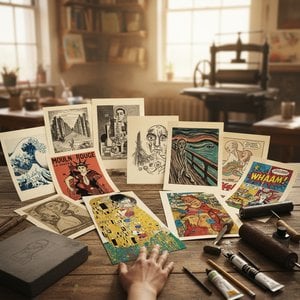
Top 10 Lithographs That Revolutionized Art | ArtsDot
Explore 10 legendary lithographs by Toulouse-Lautrec, Munch & Picasso that redefined art! Discover the stories behind these iconic prints and find museum-quality reproductions for your home decor at ArtsDot.com. Explore the full collection online.

Pop Art: 10 Remek Dela Koja Su Definisala Pokret – I Uredila Vaš Dom
Otkrijte 10 remek dela koja su definisala pop art pokret! Istražite Andy Warhol, Roy Lichtenstein i druge legende. Saznajte priče iza ikoničnih slika i inspirisanje za vaš dom. Kvalitetne reprodukcije na ArtsDot.com – ispunite svoj prostor umetnošću!

25 Remek-dela Džona Konstebla: Lepota Engleske na Platnu | ArtsDot
Uronite u svet Džona Konstebla! Otkrijte 25 remek-dela engleskog pejzaža, romantizma i seoske idile. Kupite reprodukcije slika vrhunskog kvaliteta za dekoraciju enterijera na ArtsDot.com.

Challenging Conventions: Pop Art's Origins, Evolution & Enduring Legacy
Explore the fascinating history of Pop Art, from its rebellious origins to its enduring influence on contemporary artists. Discover key figures like Warhol & Lichtenstein and learn about collecting this iconic movement.

25 Remek-dela Džona Singera Sargenta: Portreti Elegancije i Svetlosti | ArtsDot
Uronite u svet Džona Singera Sargenta! Otkrijte 25 remek-dela impresionizma i realizma, od portreta Madame X do fascinantnih akvarela. Inspiracija za dekoraciju enterijera & luksuzne reprodukcije slika na ArtsDot.com.


