

 Pregledaj u prostoru

 Pošalji
 Podeli
 Detalji o delu
 Vodič


 Preuzmi
 Slični predmeti
 Rendgenski snimak
 Automatska prezentacija
 Pitanja i odgovori
 Statistika
untitled (7451)

 Pročitaj više
Giclee štampa / Umetnički otisak
Giclée štampa ili print na platnu muzejskog kvaliteta uz brzu izradu i raznovrsne opcije završne obrade. ( Kupite ručno oslikano delo Pređi na digitalnu sliku)




P118B дин10

P118H дин10

P118W дин10

P438Z дин10

P508JH дин12

P508YH дин12

P805H дин10

P805Z дин10

P919BZ дин10

P919G дин10

P919XJ дин10

P959ZH дин10

P968JZ дин12

W106C дин8

W218G дин10

W218JH дин8

W218Y дин10

W307PJ дин10

W316G дин10

W316PJ дин8

W316Y дин10

W398PJ дин8

W4111J дин10

W500HY дин15

W500JH дин15

W692G дин12

W849H дин8

W940BG дин15

W953PJ дин8




Izaberite jednu od naših unapred definisanih veličina koje odgovaraju originalnim proporcijama umetničkog dela.

Unesite željenu širinu i visinu kako bi se štampa uklopila u vaš ram ili zid. Štampu je moguće samo iseći, ali nikada povećati iznad dimenzija originalne slike, stoga format sa drugačijim proporcijama uzrokuje gubitak dela slike. Pre početka štampe, poslaćemo vam digitalni prikaz radi potvrde. Slika prikazana na ovoj stranici ne predstavlja stvarni isrez — to pokazuje samo digitalni prikaz.
Dostava širom sveta () za 2 nedelje umesto uobičajenih 4/5 nedelja. (16 новембар)

Besplatna ekspresna dostava širom sveta

Visokokvalitetno laneno platno

Potpuno osiguranje transporta

Garancija povraćaja carine i uvoznih dažbina

Garancija vernosti boja

Politika povraćaja u roku od 100 dana (samo u slučaju nedostataka)

Garancija povrata 100% novca

Popust na više proizvoda
 Opcija sa staklom dostupna je samo za dimenzije manje od 110 cm

untitled (7451)
Giclee štampa / Umetnički otisak
Dimenzije reprodukcije
-


Ukupna cena
дин 6573
A Window into Faith and Artistic Genius: Examining Jan van Eyck’s Untitled Portrait
Jan van Eyck's "Untitled (7451)" stands as a cornerstone of Early Netherlandish painting, embodying not merely visual beauty but also profound spiritual contemplation and unparalleled artistic innovation. Painted circa 1432, this portrait transcends its formal depiction of a woman—likely a noblewoman—to become an emblem of humanist ideals intertwined with religious devotion, reflecting the burgeoning intellectual fervor of the Burgundian Netherlands during its golden age. The artwork’s enduring fascination stems from Van Eyck's masterful manipulation of oil paint – a revolutionary medium at the time – which allowed for unprecedented levels of detail and luminosity previously unattainable with tempera pigments. This breakthrough technique is immediately apparent upon observation; the subtle gradations of color, achieved through layering thin glazes, imbue the canvas with an ethereal glow that captures the very essence of light itself.- Style: Early Netherlandish Renaissance – Characterized by meticulous realism and symbolic representation, prioritizing accuracy in portraying human anatomy and drapery alongside conveying moral and spiritual messages.
- Technique: Oil Paint – Van Eyck pioneered the use of oil paint, transforming painting from a laborious process reliant on drying time into one capable of producing astonishingly vibrant colors and textures. This method enabled him to achieve unparalleled levels of detail and luminosity.
Historical Context: Bruges and Beyond
“Untitled (7451)” was created in Bruges—then the wealthiest city in Europe—a hub of artistic patronage and intellectual exchange. This prosperous environment fostered a climate receptive to humanist thought, which championed observation and reason alongside faith. Van Eyck’s work exemplifies this synthesis, demonstrating how art could simultaneously celebrate human beauty and convey religious truths. The painting's creation coincided with the commissioning of monumental artworks like ‘The Ghent Altarpiece,’ showcasing the ambition and artistic prowess of the era. This collaborative project solidified Van Eyck’s reputation as a visionary artist and cemented his place in art history.Symbolism: Light, Faith, and Inner Reflection
Beyond its technical brilliance, “Untitled (7451)” is rich in symbolic meaning. The red curtain serves as a visual barrier, representing the separation between earthly concerns and divine contemplation—a common motif in religious art of the period. More profoundly, the woman’s downward gaze symbolizes humility before God, reflecting the Christian belief that true wisdom resides in acknowledging one's dependence on divine grace. The overall effect is emotionally resonant, inviting viewers to contemplate themes of faith, virtue, and inner peace – qualities valued highly during the Renaissance.Emotional Impact: A Moment Frozen in Time
Ultimately, “Untitled (7451)” succeeds in capturing a fleeting moment of profound stillness and contemplation. The artist’s meticulous attention to detail—the subtle nuances of color, texture, and gesture—transforms the portrait into more than just an image; it becomes a conduit for spiritual experience. Reproductions of this masterpiece offer collectors and interior designers alike the opportunity to bring home a piece of artistic history – a testament to Van Eyck's genius and the enduring power of art to inspire reflection and elevate the human spirit.Pitanja i odgovori
Šta prikazuje „untitled (7451)”, autor Јан ван Ајк i kakvo je raspoloženje dela?
„untitled (7451)”, autor Јан ван Ајк prikazuje portraiture, religion, medievalart, oilpaintingtechnique, symbolism, luxuryitems, renaissancestyle, u Elegant raspoloženju. Motiv i atmosfera zajedno dočaravaju delo.
Da li je delo "untitled (7451)" autora Јан ван Ајк u javnom vlasništvu i zašto?
Status autorskih prava za delo "untitled (7451)" - u javnom vlasništvu – autorska prava su istekla - proizilazi iz godine smrti umetnika, 1441.
Da li postoji prezentacija u obliku slajdova za „untitled (7451)”, autor Јан ван Ајк?
Dijaporama dela "untitled (7451)" dostupna je na stranici Galerija slika tog umetničkog dela.
Srodna umetnička dela


Biografija umetnika
Жаном ван Ејком: Мајстор светлости и реализма
Жан ван Ејк, име које је непроцењиво у свету ранонедерландског сликарства и револуционарској употреби уљане боје, остаје енигматична фигура упркос његовом огромном утицају на историју уметности. Рођен око 1390. године у Мастрихту, у оно што је сада Холандија, ван Ејк је потекао из породице дубоко у корену у уметничкој традицији – његов старији брат Хуберт такође је био сликар, иако детаљи о његовом раду остају недовољно познати. Иако су тачни подаци о његовом животу ретки, посебно о годинама формирања, јасно је да је Жан поседовао урођену надареност и брзо се узпео у уметничке кругове свог времена. Већ 1422. године основао је радионицу у Хагу, запошљавајући помоћнике и подузевши поруџбине које су најављивале његову мајсторску вештину. Овај рани успех није био заснован само на уметничкој вештини; Жан је био човек интелигенције и поверљивости, особине које ће ускоро привући пажњу моћних покровитеља.У служби Бургундије: Дипломатија и уметнички процват
Преломни тренутак у каријери Жана ван Ејка наступио је када је именован за двор бургундског жупана, прво под Јоханом III Бесстрашним, а касније Филипом Добрим. Ово није било само спонзорско распоређивање; Жан је био поверен са дипломатским мисијама, што је демонстрирало поверење жупана у његову дискрецију и интелект. Ова путовања преко Европе – укључујући авантуре у Португалију и Шпанију – изложила су га различитим културама и уметничким утицајима, фино обликујући његов еволуирајући стил. Двор је пружио не само финансијску сигурност, већ и приступ ресурсима који су омогућавали Жану да се бави амбициозним пројектима, гурајући границе онога што је уметнички било постигнуто. Он није био само сликар *за* бургундску елиту; постао је део њиховог света, одражавајући и побољшавајући њихов углед својом уметношћу. Ова јединствена позиција пружила му је ниво уметничке слободе кога ретко којим сликаром тадашњег доба је било стало.Алхемија уља: Револуција у техници
Иако није измислио уљну боју – њену употребу претходи Жану – он је несумњиво савршено овладао њом. Пре његових иновација, темпера је била доминантна техника, која нуди ограничене могућности мешања и релативно мат завршни слој. Жан је откључао пуни потенцијал уљане боје кроз пажљиво наслагање наносних глазура, постижући невиђен ниво детаља, луминиозности и реализма. Ова техника омогућила је суптилне градијенте тона, богатије боје и стварање текстура које су имитирале живот саме по себи. Ефекат је био трансформативан; површине су изгледале да светлују изнутра, тканине су поседовале тактилну квалитету, а портрети су заувек ухватили не само сликовиње, већ и психолошку дубину. Његова мајсторска вештина није била само техничка – био је то алхемијски процес, који је претварао пигменте у нешто попут живог стварности. Ова иновација није остала незапажена; постала је основа за генерације сликара који су следили, фундаментално мењајући изглед западне уметности.Мајсторска дела и трајно наслеђе
Уметничко наслеђе Жана ван Ејка оверено је релативно малим, али изузетно утицајним корпусом рада. Гентски олтар (1432), монументални полиптих, представља његов најамбициозни подухват – сложену тезуру религиозне симболике и техничке бриљиантности. Потврда је и Портрет Ђованија Арнолфиниа и његове супруге (1434), револуционарно дело у портрету, познато по свом реализму, детаљној изради и енигматској симболици. Друга запазила дела укључују Дрезденски триптих, који демонстрира његову способност да приказује религиозна сцена са изузетном јасноћом, и задивљујући Човек у плавом намету, сведочанство о способности да се ухвати индивидуални карактер. Ова дела нису само визуелне репрезентације; они су прозори у други свет – свет пажљиво рендеран са скоро опседнутом пажњом на детаље. Утицај Жана ван Ејка се протеже далеко изван ових икона, обликујући развој ранонедерландског сликарства и инспиришући безброј уметника вековима уназад. Преминуо је у Брижу 1441. године, оставивши за собом наслеђе које наставља да резонира данас, подсећајући нас на моћ уметности да осветљава човечко искуство.
Јан ван Ајк
1390 - 1441 , Белгија
Osnovne informacije
- Datum Rođenja: c. 1390
- Datum Smrti: 1441
- Mesto Rođenja: Maastricht, Holandija
- Nacionalnost: Fleminski
- Puno Ime: Jan van Eyck
- Umetnici Pod Uticajem: ['Rana holandska škola']
- Umetnički Pokret: Rana holandska škola
- Značajna Dela:
- Gentski oltar
- Portret Arnolfinija
- Drezdenski triptih
- Čovek u plavom turbanu
Povezani članci

Hendrick Terbrugghen: Caravaggism, Spirituality & the Dutch Golden Age Painter's Evolving Style
Explore the captivating world of Hendrick Terbrugghen, a leading Dutch Golden Age painter influenced by Caravaggio. Discover his dramatic use of light, spiritual depth & lasting legacy. Learn more at ArtsDot.

Illuminating Belief: A Visual Exploration of Faith Across Artistic Movements & Historical Contexts
Explore the rich history of faith through art! Discover Renaissance masterpieces, iconic artists & religious symbolism with expert analysis from ArtsDot. Perfect for collectors and enthusiasts.

Early Netherlandish Masters: 10 Paintings That Revolutionized Art & Decor
Journey into the world of Early Netherlandish painting! Explore 10 masterpieces by Jan van Eyck, Rogier van der Weyden & more. Discover stunning detail, symbolism & Renaissance art for your home decor. Find museum-quality reproductions on ArtsDot.com
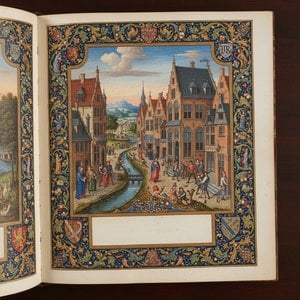
Illuminating Realism: Early Netherlandish Painting (15th-16th Centuries)
Explore the captivating world of Early Netherlandish painting! Discover Jan van Eyck, Hans Memling & more. Uncover symbolism, techniques & the legacy of these Flemish masters. A comprehensive guide for art enthusiasts.

Mark Rothko: 25 Remek-dela Apstraktne Ekspresije za Vaš Dom | ArtsDot
Istražite 25 remek-dela Marka Rothka – ikona apstraktne ekspresije. Otkrijte priče, tehnike i emocije iza ovih veličanstvenih slika. Reprodukcije vrhunskog kvaliteta za vaš dom na ArtsDot.com!


