


 Pregledaj u prostoru
 Podeli
 Podeli
 Detalji
 Guide
Guide

 Preuzmi sliku
 Slični predmeti
 Rendgenski snimak
 Automatska prezentacija
 Statistika
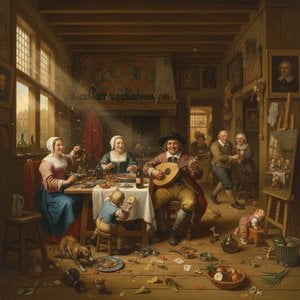
The procuress.

 Pročitaj više
Ručno rađena uljana reprodukcija
Ručno oslikano uljanim bojama na platnu u dimenzijama i okviru po vašem izboru, izrađeno po porudžbini od strane naših umetnika. ( Pređi na prodaju štampanih primeraka Pređi na prodaju digitalnih slika)




P118B $10

P118H $10

P118W $10

P438Z $10

P508JH $12

P508YH $12

P805H $10

P805Z $10

P919BZ $10

P919G $10

P919XJ $10

P959ZH $10

P968JZ $12

W106C $8

W218G $10

W218JH $8

W218Y $10

W307PJ $10

W316G $10

W316PJ $8

W316Y $10

W398PJ $8

W4111J $10

W500HY $15

W500JH $15

W692G $12

W849H $8

W940BG $15

W953PJ $8




Izaberite jednu od naših unapred definisanih veličina koje odgovaraju originalnim proporcijama umetničkog dela.

Možete uneti sopstvene dimenzije kako biste prilagodili umetničko delo određenom okviru ili prostoru. Ako odabrana veličina ne odgovara proporcijama originala, slika će biti isečena ili proširena dodatnim elementima koji se ručno oslikavaju. Digitalni prikaz će vam biti poslat na odobrenje pre početka proizvodnje.
Imajte na umu da pregled na ekranu ne odražava stvarno prisecanje ili proširenje. Samo mockup će precizno prikazati konačnu kompoziciju.
Iako su dostupne prilagođene veličine, preporučujemo da izaberete dimenziju iz unapred definisane liste kako biste sačuvali originalne proporcije.
Nakon narudžbine, tim ArtsDot.com će klijentu putem e-pošte poslati uputstva i dostaviti prikaz predloženog rešenja
Svetska isporuka () za 3/4 nedelje umesto uobičajenih 5 nedelja. (20 септембар). Bez kompromisa po pitanju kvaliteta.

Besplatna ekspresna dostava širom sveta

Visokokvalitetno laneno platno

Sveobuhvatno osiguranje transporta

Garancija povraćaja carine i uvoznih dažbina

Garancija vernosti boja i autentičnosti pri reprodukciji

Politika povraćaja u roku od 100 dana (samo u slučaju nedostataka)

Garancija povrata 100% novca

Popust pri većoj količini
 Opcija sa staklom dostupna je samo za dimenzije manje od 110 cm

The procuress.
Tehnika izrade reprodukcije
Veličina reprodukcije
-


Ukupna cena
$ 263
Srodna umetnička dela


Biografija umetnika
Santi di Tito: A Counterpoint to Mannerism
Santi di Tito (1603 – 1661) emerged from the vibrant, tumultuous artistic landscape of late Renaissance and early Baroque Rome, a period defined by intense stylistic debate. His life and career represent a fascinating case study in navigating evolving artistic conventions, ultimately forging a distinctive style that stands as a crucial bridge between Mannerism and the burgeoning naturalism of the Baroque. Born in Sansepolcro, a small town in Umbria, Santi’s early training remains somewhat shrouded in mystery, with accounts suggesting influences from figures like Bronzino and Baccio Bandinelli, though definitive proof is elusive. This lack of clear lineage contributed to his unique artistic trajectory – one that deliberately distanced itself from the established norms of the time.Early Career and Roman Apprenticeship
Santi’s journey to Rome in 1558 marked a pivotal moment, placing him within the heart of the city's artistic ferment. He spent nearly a decade working alongside Giovanni de’ Vecchi and Niccolò Circignani on monumental frescoes within the Palazzo Salviati and the Sala Grande of the Belvedere at the Vatican – projects that showcased the grandeur and complexity of Mannerist painting. These early commissions exposed Santi to the prevailing stylistic trends, characterized by elongated figures, complex spatial arrangements, and a deliberate emphasis on elegance and refinement. However, rather than simply absorbing these influences, Santi began to subtly reshape them, introducing a greater sense of naturalism and a more restrained palette. The frescoes in the Belvedere, particularly *Homage of the People*, reveal his growing interest in classical forms and a desire for clarity and balance – qualities that would become hallmarks of his later work.The Studiolo of Francesco I: A Defining Period
Santi’s most significant contribution to the Roman art scene occurred during his tenure at the Palazzo Vecchio, where he was commissioned to decorate the *Studiolo* (a private study) of Francesco I de' Medici, Grand Duke of Tuscany. This project proved transformative, solidifying Santi’s distinctive style and establishing him as a leading figure in the Counter-Mannerist movement. The two paintings created for this space – *Sisters of Phaeton* and *Hercules and Iole* – exemplify his innovative approach. Unlike the crowded, theatrical compositions typical of Mannerism, Santi's works are characterized by a remarkable clarity of form, a carefully considered use of light and shadow, and a focus on idealized beauty. He deliberately avoided the excessive ornamentation and artificiality that had become associated with Mannerist painting, opting instead for a more restrained and harmonious aesthetic. This shift was consciously intended as a reaction against the prevailing *maniera* of artists like Bronzino and Federico Zuccari, whom he viewed as overly elaborate and lacking in genuine naturalism.A Reformist Style: Embracing Classical Ideals
Santi’s artistic philosophy can be understood within the broader context of the Counter-Reformation. The Catholic Church was actively seeking to reform its image and promote a more accessible form of religious art, one that emphasized clarity, piety, and emotional engagement. Santi's work reflects this desire for renewal, moving away from the complex intellectualism of Mannerism towards a more direct and emotionally resonant style. He drew inspiration from classical antiquity, particularly the works of Raphael, seeking to emulate his sense of grace, harmony, and balance. This commitment to classical ideals is evident in his careful attention to proportion, his use of idealized figures, and his avoidance of excessive detail. As S. J. Freedberg noted, Santi’s style was “Raphaelesque,” a deliberate attempt to recapture the perceived purity and elegance of Raphael's art.Later Works and Legacy
Following his return to Florence in 1564, Santi continued to produce significant works throughout his career, including altarpieces for Santa Croce and frescoes for Volterra Cathedral. His *Resurrection of Lazarus* and *Supper at Emmaus*, particularly the latter, demonstrate his ability to convey profound emotion through subtle gestures and carefully rendered details. Despite his artistic achievements, Santi faced considerable financial difficulties, ultimately declaring bankruptcy in 1662. He died in poverty in 1661, largely unrecognized during his lifetime. However, his work gradually gained recognition in the 19th century, and today he is considered one of the most important figures in the Counter-Mannerist movement – a pivotal artist who helped to shape the course of European painting. His legacy lies not only in his individual masterpieces but also in his courageous challenge to established artistic conventions and his unwavering commitment to classical ideals.
jan gerritsz van bronchorst
1603 - 1661 , Netherlands
Brzi pregled
- Artistic Movement Or Style: Landscape painting
- Artists Or Movements Influenced By This Artist:
- Terborch
- Metsu
- Artists Who Influenced This Artist: ['Rafel and Jochem Camphuysen']
- Date Of Birth: 1603/1604
- Date Of Death: 1677
- Full Name: Aert van der Neer
- Nationality: Dutch
- Notable Artworks:
- Moonlit Landscape
- Winter in Holland
- Place Of Birth: Amsterdam, Netherlands
Srodni članci
Jan Steen: A Master of Dutch Genre Painting & the Golden Age
Explore the life & art of Jan Steen, a leading Dutch Golden Age painter renowned for his humorous genre scenes & insightful social commentary. Discover his techniques, legacy, and collecting tips.

Golden Age Reflections: Dutch Baroque Painting & Cultural Innovation
Explore the Dutch Golden Age of painting! Discover key artists like Vermeer & ter Borch, their innovative techniques, and the rich cultural context behind these Baroque masterpieces. Learn about collecting & appreciating this iconic art period.

Zlatno doba Holandske umetnosti: Top 10 remek dela za vaš dom
Otkrijte remek dela Holandskog zlatnog doba! Uronite u svet Rembrandta, Vermeera i drugih majstora. 10 ikoničnih slika koje su definisale umetnost. Inspiracija za vaš dom i kolekciju - ekskluzivne reprodukcije na ArtsDot.com!

Willem van de Velde the Elder: Master of Maritime Painting & Chronicler of the Dutch Golden Age
Discover the captivating maritime paintings of Willem van de Velde the Elder, a master chronicler of the Dutch Golden Age. Explore his unparalleled realism and lasting influence on naval art history.

Rembrandt van Rijn: 25 Majstorstava Svetla i Senke za Vaš Dom | ArtsDot
Uronite u svet Rembrandta van Rijna! Otkrijte 25 najlepših dela holandskog majstora – portrete, istorijske scene i biblijska platna. Kvalitetne reprodukcije slika za dekoraciju enterijera dostupne na ArtsDot.com.