


 Pregledaj u prostoru
 Podeli
 Podeli
 Detalji
 Vodič
Vodič

 Preuzmi sliku
 Slični predmeti
 Rendgenski snimak
 Automatska prezentacija
 Statistika
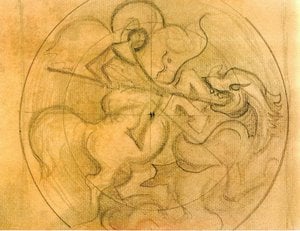
Untitled (976)
 Pročitaj više
Ručno rađena uljana reprodukcija
Ručno oslikano uljanim bojama na platnu u dimenzijama i okviru po vašem izboru, izrađeno po porudžbini od strane naših umetnika. ( Pređi na prodaju štampanih primeraka Pređi na prodaju digitalnih slika)




































Izaberite jednu od naših unapred definisanih veličina koje odgovaraju originalnim proporcijama umetničkog dela.

Možete uneti sopstvene dimenzije kako biste prilagodili umetničko delo određenom okviru ili prostoru. Ako odabrana veličina ne odgovara proporcijama originala, slika će biti isečena ili proširena dodatnim elementima koji se ručno oslikavaju. Digitalni prikaz će vam biti poslat na odobrenje pre početka proizvodnje.
Imajte na umu da pregled na ekranu ne odražava stvarno prisecanje ili proširenje. Samo mockup će precizno prikazati konačnu kompoziciju.
Iako su dostupne prilagođene veličine, preporučujemo da izaberete dimenziju iz unapred definisane liste kako biste sačuvali originalne proporcije.
Nakon narudžbine, tim ArtsDot.com će klijentu putem e-pošte poslati uputstva i dostaviti prikaz predloženog rešenja
Svetska isporuka () za 3/4 nedelje umesto uobičajenih 5 nedelja. (22 септембар). Bez kompromisa po pitanju kvaliteta.

Besplatna ekspresna dostava širom sveta

Visokokvalitetno laneno platno

Sveobuhvatno osiguranje transporta

Garancija povraćaja carine i uvoznih dažbina

Garancija vernosti boja i autentičnosti pri reprodukciji

Politika povraćaja u roku od 100 dana (samo u slučaju nedostataka)

Garancija povrata 100% novca

Popust pri većoj količini
 Opcija sa staklom dostupna je samo za dimenzije manje od 110 cm

Untitled (976)
Tehnika izrade reprodukcije
Veličina reprodukcije
-


Ukupna cena
$ 263
Srodna umetnička dela


Biografija umetnika
Džejms Glison: Arhitekta australijskog nadrealizma
Džejms Timoti Glison (1915–2008) nije bio samo umetnik; bio je mag čina pejzaža, tkalac noćnih mora i snova, i verovatno prvi istinski surrealista u Australiji. Izranjajući iz umetničkog pejzaža posleratnog doba, Glison je stvorio jedinstvenu viziju — svet prožet primordijalnom anksioznošću, koji odjekuje glasovima mitologije i psihoanalize — viziju koja i danas duboko odjekuje. Njegov rad se ne može lako kategorisati; to je moćan spoj australijskog identiteta, evropskih uticaja i duboko ličnog simbolizma, prikazan na hrabrim, impasto platnima koja zahtevaju pažnju i pozivaju na kontemplaciju.
Rođen u Hornsbiju, u Novoj Južnoj Velskoj, Glisonov rani život obeležio je duboki osećaj izmeštenosti. Vlasništvo njegove porodice nad hotelom pružilo je uvid u mračnu stranu australijskog društva, dok su njegove umetničke sklonosti negovane kroz susret sa uticajnim figurama poput Mej Marsden, koja ga je usmerila ka slikarstvu kao izlazu za njegov rastuću anksioznost. Ovaj formativni period u njemu je usadio fascinaciju nesvesnim i želju da se suoči sa neprijatnim istinama — temom koja će postati centralna za njegovo delo. Njegovo početno obrazovanje u Tehničkom koledžu Istočnog Sidneja postavilo je temelje, ali su upravo uranjanje u dela Dalija, Masona, Freuda i Junga zaista zapalili njegove nadrealističke senzibilitete.
Genesis jedne vizije
Glisonov umetnički put počeo je namernim odbacivanjem konvencionalnog predstavljanja. Pod uticajem evropskih nadrealista — posebno Dalijeovog istraživanja onirskih slika i Masonove organske apstrakcije — nastojao je da zaobiđe ograničenja vizuelne percepcije, sa ciljem da uhvati sirovu energiju nesvesnog uma. Njegova rana dela, poput „Sejača“ (1acija), već su nagoveštavala ovu ambiciju, predstavljajući izobličeni pejzaž naseljen enigmatičnim figurama koje su delovale kao da izranjaju iz vrtloga boja i formi. Ovo je označilo odstupanje od tradicionalne australijske umetnosti, koja se često fokusirala na pastoralne scene i idealizovane pejzaže; Glison je koračao potpuno drugačijim putem.
Posleratna era, sa svojim anksioznostima oko fašizma i nadolazećom pretnjom globalnog sukoba, duboko je oblikovala njegove umetničke probleme. Te strahove je kanalisao u moćne, apokaliptične slike — prostrane, puste pejzaže kojima dominiraju visoke stenske formacije, potopljene figure i uznemirujuće suprotnosti. To nisu bili samo prikazi prirode; to su bila simbolička predstavljanja nesigurne pozicije čovečanstva unutar haotičnog univerzuma. Njegov rad je postao vizuelna meditacija o smrtnosti, krhkosti postojanja i trajnoj moći primordijalnih instinkata.
Jezik simbolizma
Glisonova slika su bogate simbolizmom, crpeći iz mitologije, folklora i psihoanalitičke teorije kako bi stvorile slojevita značenja. Ponavljajući se motiv muškog nude — često prikazan kao usamljena figura koja izranja iz uzburkanih voda ili urušavanja ruševina — predstavlja ranjivost, smrtnost i borbu za samosvest. Upotreba oker tonova — koji podsećaju na australijsku pustinju — stvara osećacije istovremeno bliskosti i otuđenosti, usidrujući njegove nadrealne vizije u pejzaž njegove domovine, dok istovremeno priziva bezvremensko, gotovo biblijsko kvalitete.
Njegova kasnija dela, posebno diptici „Ubu“ (1970-te), exemplifikuju ovaj simbolički jezik. Ova monumentalna platna prikazuju potopljene figure i trule strukture, sugerišući kolaps civilizacije i neizbežni povratak primordijalnom haosu. Ipak, usred razaranja, tu postoji čudna lepota — osećaj otpornosti i neustrašivog duha — koji govori o ljudskom kapacitetu za preživljavanje i obnovu.
Nasleđe i priznanje
Uticaj Džejmsa Glisona na australijsku umetnost je neosporan. Bio je pionir u uspostavljanju nadrealizma kao održivog umetničkog pokreta u zemlji, izazivajući konvencionalne predstave lepote i reprezentacije. Njegovo delo se nastavlja proučavati i ceniti zbog svoje emocionalne intenzivnosti, simboličke dubine i jedinstvenog vizuelnog jezika.
Godine 2004, Nacionalna galerija Australije priredila je sveobuhvatnu retrospektivnu izložbu „Iza ekrana vida“, koja je učvrstila njegovo mesto među najvažnijim australijskim umetnicima. Izložba je privukla značajnu pažnju javnosti na njegov rad i istakla njegovu trajnu relevantnost. Njegovo nasleđe prevazilazi njegove slike; bio je i cenjeni umetnički kritičar, predavač, kustos i pisac, značajno doprinoseći razvoju istorije australijske umetnosti. Njegova kolekcija je donirana Nacionalnoj galeriji Australije 2007. godine, osiguravajući da njegova vizionarska dela nastave da inspirišu generacije umetnika i posmatrača.
Trajni utisak
Glisonova slika nisu samo lepe slike; one su duboke izjave o ljudskom stanju. One nas suočavaju sa našim strahovima, anksioznošću i smrtnošću, dok nam istovremeno nude uvid u skrivene dubine nesvesnog uma. Njegov rad ostaje moćan svedočanstvo o trajnoj moći umetnosti da izazove, provocira i, na kraju, osvetli misterije postojanja.

Džejms Glison
1915 - 2008 , Australija
Brzi pregled
- Artistic Movement Or Style: Surrealizam
- Artists Or Movements Influenced By This Artist:
- Robert Klippel
- Australijski surrealizam
- Artists Who Influenced This Artist:
- Salvador Dalí
- Max Ernst
- Sigmund Freud
- Carl Jung
- Date Of Birth: 21. novembar 1915.
- Date Of Death: 20. oktobar 2008.
- Full Name: James Timothy Gleeson
- Nationality: Australijac
- Notable Artworks:
- Bez naslova (530)
- Bez naslova (723)
- Bez naslova (973)
- Place Of Birth: Sidnej, Australija