

 Pregledaj u prostoru
 Pošalji
 Podeli
 Detalji o delu
 Vodič
Vodič

 Preuzmi
 Slični predmeti
 Rendgenski snimak
 Automatska prezentacija
 Pitanja i odgovori
 Statistika
Squelette regardant des chinoiseries


 Pročitaj više
Giclee štampa / Umetnički otisak
Giclée štampa ili print na platnu muzejskog kvaliteta uz brzu izradu i raznovrsne opcije završne obrade. ( Kupite ručno oslikano delo Pređi na digitalnu sliku)




P118B дин10

P118H дин10

P118W дин10

P438Z дин10

P508JH дин12

P508YH дин12

P805H дин10

P805Z дин10

P919BZ дин10

P919G дин10

P919XJ дин10

P959ZH дин10

P968JZ дин12

W106C дин8

W218G дин10

W218JH дин8

W218Y дин10

W307PJ дин10

W316G дин10

W316PJ дин8

W316Y дин10

W398PJ дин8

W4111J дин10

W500HY дин15

W500JH дин15

W692G дин12

W849H дин8

W940BG дин15

W953PJ дин8




Izaberite jednu od naših unapred definisanih veličina koje odgovaraju originalnim proporcijama umetničkog dela.

Unesite željenu širinu i visinu kako bi se štampa uklopila u vaš ram ili zid. Štampu je moguće samo iseći, ali nikada povećati iznad dimenzija originalne slike, stoga format sa drugačijim proporcijama uzrokuje gubitak dela slike. Pre početka štampe, poslaćemo vam digitalni prikaz radi potvrde. Slika prikazana na ovoj stranici ne predstavlja stvarni isrez — to pokazuje samo digitalni prikaz.
Dostava širom sveta () za 2 nedelje umesto uobičajenih 4/5 nedelja. (4 новембар)

Besplatna ekspresna dostava širom sveta

Visokokvalitetno laneno platno

Potpuno osiguranje transporta

Garancija povraćaja carine i uvoznih dažbina

Garancija vernosti boja

Politika povraćaja u roku od 100 dana (samo u slučaju nedostataka)

Garancija povrata 100% novca

Popust na više proizvoda
 Opcija sa staklom dostupna je samo za dimenzije manje od 110 cm

Squelette regardant des chinoiseries
Giclee štampa / Umetnički otisak
Dimenzije reprodukcije
-


Ukupna cena
дин 6601
A Haunting Encounter with Mortality
In the quiet, monochrome depths of James Ensor’s "Squelette regardant des chinoiseries," we are invited into a space that feels simultaneously intimate and profoundly unsettling. Painted around 1908, this masterful composition transcends a mere depiction of a domestic interior to become a psychological landscape. At first glance, the viewer encounters a room furnished with the familiar comforts of a bourgeois home—a couch, a chair, and the silent companionship of two dogs. Yet, as the eye adjusts to the starkness of the scene, the presence of a skeletal figure emerges, gazing intently at decorative chinoiserie panels. This juxtaposition of the domestic and the macabre creates a tension that is quintessential to Ensor’s vision, forcing us to confront the inescapable reality of death amidst the fleeting beauty of worldly possessions.
The technique employed here is nothing short of hypnotic. Eschewing the vibrant palettes often associated with late 19th-century art, Ensor utilizes a bold black ink wash that lends the work an almost sculptural quality. The absence of color serves to amplify the emotional weight of the subject matter; without the distraction of hue, the viewer is left to navigate the textures of light and shadow. The artist’s hand is visible in the varying gradations of the wash, ranging from smooth, ghostly transitions to jagged, anxious lines that mirror the internal unrest of the scene. For the collector or designer, this piece offers a sophisticated monochromatic elegance, providing a focal point that commands attention through its depth and structural intensity rather than through overt ornamentation.
The Intersection of Tradition and Modern Anxiety
To understand the profound impact of this work, one must look toward the cultural ferment of the early 20th century. Ensor was working during an era of immense transition, where the fascination with Eastern aesthetics—specifically chinoiserie—acted as a decorative counterpoint to Western traditions. By placing a skeletal figure in contemplation of these exotic, delicate patterns, Ensor highlights a poignant dialogue between the permanent and the ephemeral. The chinoiserie represents the height of ornamental luxury and cultural curiosity, while the skeleton serves as a memento mori, a stark reminder that even the most exquisite human creations are subject to the passage of time.
This thematic duality makes the artwork an extraordinary choice for those looking to infuse a space with intellectual and emotional resonance. It is not merely a decoration but a conversation piece that explores themes of isolation, memory, and the gaze. The way the skeletal figure is positioned—centrally yet subtly off-kilter—suggests a world slightly out of balance, inviting the observer to reflect on their own relationship with the transient nature of life. Whether placed in a contemporary gallery setting or a classic study, this reproduction carries with it the heavy, beautiful shadows of Ensor’s Belgian heritage, offering a timeless window into the human condition.
Pitanja i odgovori
Kolika je luminancija dela „Squelette regardant des chinoiseries”, autor Јемас Енсор?
Boje dela "Squelette regardant des chinoiseries" pokazuju luminancu od Soft Shadow.
Iz kog istorijskog perioda potiče „Squelette regardant des chinoiseries”, autor Јемас Енсор?
Delo „Squelette regardant des chinoiseries”, autor Јемас Енсор potiče iz perioda Modern, što mu daje važan istorijski kontekst.
Da li postoji prezentacija u obliku slajdova za „Squelette regardant des chinoiseries”, autor Јемас Енсор?
Dostupna je i prezentacija slika: stranica Galerija slika za delo „Squelette regardant des chinoiseries”, autor Јемас Енсор.
Srodna umetnička dela


Biografija umetnika
James Ensor: A Pioneer of Expressionism and Surrealism
James Sidney Edouard, Baron Ensor (Ostend, 13 April 1860 – 19 November 1949) was a Belgian painter and printmaker who stands as one of the most influential figures in the development of Expressionism and Surrealism. Born into an English father and Belgian mother amidst the vibrant atmosphere of Ostend’s seaside resort town, Ensor’s upbringing instilled within him a profound fascination with observation and detail—a foundation upon which he would construct his distinctive artistic vision.
Early Influences and Artistic Training
From a young age, Ensor demonstrated an exceptional talent for drawing and painting. Encouraged by his parents' operation of a souvenir shop brimming with curiosities and carnival masks – a veritable cabinet of wonders that ignited his imagination – he pursued formal artistic training at the Académie Royale des Beaux-Arts in Brussels. Despite encountering resistance from the rigid academic conventions of the time, Ensor quickly recognized the necessity of forging his own path, prioritizing experimentation and personal expression above all else.
The Emergence of Grotesque Vision
Around 1886–87, Ensor embarked on a transformative artistic journey, rejecting Impressionistic ideals in favor of a bold embrace of grotesque imagery. Influenced by Rembrandt’s masterful use of chiaroscuro, the unsettling visions of Francisco Goya, and the evocative symbolism of Japanese woodcuts, he developed a highly personal iconography characterized by jarring juxtapositions of color and form.
Major Works and Recurring Themes
Ensor's oeuvre is marked by an unparalleled exploration of psychological complexity and social critique. Paintings like *The Oyster-eater* (1882) exemplify his meticulous attention to detail and his ability to convey profound emotional resonance, while *Christ’s Entry into Brussels* (1888–89), arguably his magnum opus, remains a monumental satire of religious hypocrisy—a painting initially met with vehement disapproval but now universally recognized as a cornerstone of Expressionist art.
Legacy and Influence
James Ensor's uncompromising artistic vision profoundly impacted subsequent generations of artists. His rejection of academic formalism, coupled with his fearless confrontation of taboo subjects and his masterful manipulation of visual language—particularly the use of bold brushstrokes and vibrant hues—established him as a pivotal figure in the genesis of Expressionism and Surrealism. Today, Ensor’s work continues to inspire awe and provoke contemplation, serving as a timeless reminder that art possesses the capacity to unsettle conventions and illuminate the darkest recesses of human consciousness.

Јемас Енсор
1860 - 1949 , Бележија
Osnovne informacije
- Artistic Movement Or Style: Expressionism, Surrealism
- Artists Who Influenced This Artist:
- Bruegel the Elder
- Francisco Goya
- Whistler
- Date Of Birth: April 13, 1860
- Date Of Death: November 19, 1949
- Full Name: James Sidney Edouard Ensor
- Nationality: Belgian
- Notable Artworks:
- The Scandalized Masks
- Skeletons Fighting...
- Christ's Entry into Brussels
- Place Of Birth: Ostend, Belgium
Povezani članci

James Ensor's Grotesque Visions: Social Commentary & Artistic Innovation
Explore the unsettling yet captivating world of James Ensor, a pioneer of Expressionism. Discover his satirical masterpieces, symbolic imagery & lasting influence on modern art. High-quality reproductions available at ArtsDot.

Unlocking Emotion: A Beginner's Guide to the Raw Power of Symbolic Expressionism Art
Discover the raw emotion of Symbolic Expressionism. Our expert guide explores how masters like Munch use color and form to convey inner feelings, offering inspiration for collectors looking to bring powerful, soulful art into their modern homes.
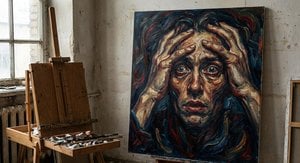
Figurative Expressionism: Emotional Intensity & Subjective Reality in 20th-Century Art
Explore the powerful world of Figurative Expressionism with ArtsDot. Discover key artists like Kirchner & Beckmann, understand its emotional depth, and learn how to collect this influential 20th-century art movement.

Masterpieces of the English Countryside: Top 25 Sir Alfred James Munnings Artworks
Explore 25 iconic Sir Alfred James Munnings masterpieces. Discover timeless equine art on ArtsDot.com.

Džems Abbot MekNil Whistler: 25 Remek-dela Majstora Tonalizma | ArtsDot
Istražite 25 remek-dela Džemsa Abota MekNila Whistler-a! Uronite u svet Tonalizma, portreta i prelepog pejzaža. Kupite vrhunske reprodukcije slika na ArtsDot.com i obogatite svoj enterijer luksuznom umetnošću.


