

 Pregledaj u prostoru
 Pošalji
 Podeli
 Detalji o delu
 Vodič
Vodič

 Preuzmi
 Slični predmeti
 Rendgenski snimak
 Automatska prezentacija
 Pitanja i odgovori
 Statistika
Epigrafi e Statue


 Pročitaj više
Giclee štampa / Umetnički otisak
Giclée štampa ili print na platnu muzejskog kvaliteta uz brzu izradu i raznovrsne opcije završne obrade. ( Kupite ručno oslikano delo Pređi na digitalnu sliku)




P118B дин10

P118H дин10

P118W дин10

P438Z дин10

P508JH дин12

P508YH дин12

P805H дин10

P805Z дин10

P919BZ дин10

P919G дин10

P919XJ дин10

P959ZH дин10

P968JZ дин12

W106C дин8

W218G дин10

W218JH дин8

W218Y дин10

W307PJ дин10

W316G дин10

W316PJ дин8

W316Y дин10

W398PJ дин8

W4111J дин10

W500HY дин15

W500JH дин15

W692G дин12

W849H дин8

W940BG дин15

W953PJ дин8




Izaberite jednu od naših unapred definisanih veličina koje odgovaraju originalnim proporcijama umetničkog dela.

Unesite željenu širinu i visinu kako bi se štampa uklopila u vaš ram ili zid. Štampu je moguće samo iseći, ali nikada povećati iznad dimenzija originalne slike, stoga format sa drugačijim proporcijama uzrokuje gubitak dela slike. Pre početka štampe, poslaćemo vam digitalni prikaz radi potvrde. Slika prikazana na ovoj stranici ne predstavlja stvarni isrez — to pokazuje samo digitalni prikaz.
Dostava širom sveta () za 2 nedelje umesto uobičajenih 4/5 nedelja. (4 новембар)

Besplatna ekspresna dostava širom sveta

Visokokvalitetno laneno platno

Potpuno osiguranje transporta

Garancija povraćaja carine i uvoznih dažbina

Garancija vernosti boja

Politika povraćaja u roku od 100 dana (samo u slučaju nedostataka)

Garancija povrata 100% novca

Popust na više proizvoda
 Opcija sa staklom dostupna je samo za dimenzije manje od 110 cm

Epigrafi e Statue
Giclee štampa / Umetnički otisak
Dimenzije reprodukcije
-


Ukupna cena
дин 6601
Echoes of Antiquity: A Study in Renaissance Form
To gaze upon this preparatory drawing by Jacopo Bellini is to step directly into the vibrant, intellectual crucible of the early Italian Renaissance. It is not merely an image; it is a blueprint of genius—a tangible record of an artist wrestling with the monumental weight and exquisite potential of classical antiquity. Rendered in the delicate interplay of charcoal and ink upon aged paper, the composition presents three distinct sculptural visions: two majestic equestrian figures poised atop grand pedestals, alongside a solitary, standing form. The very air around these sketches seems charged with the ambition of creation, capturing Bellini’s profound dedication to mastering both the human figure and the architectural setting that frames it.
The Mastery of Line and Shadow
Technically, this piece is a masterclass in preparatory drawing. Bellini utilizes line not just to outline, but to construct volume. The charcoal lends a wonderfully tactile, almost dusty texture to the surface, suggesting the grit of the sculptor's workshop, while the sharp precision of the ink defines the architectural vocabulary—the clean lines of the plinths, the graceful curves of implied arches, and the musculature beneath drapery. Observe how light is suggested through meticulous shading; it falls across the imagined bronze or marble surfaces, giving these static drawings a startling sense of three-dimensional presence. This commitment to linear perspective ensures that every element, from the base to the crowning figure, feels anchored in believable space.
Symbolism and the Weight of Empire
The subject matter speaks volumes about the cultural currents of 15th-century Venice. The inclusion of equestrian statues immediately evokes themes of power, authority, and imperial patronage—the enduring legacy of Roman emperors whose forms Bellini so reverently studied. These figures are more than mere decoration; they are symbolic anchors connecting the burgeoning humanism of the Renaissance with the perceived glory of Rome. Furthermore, the accompanying inscriptions, though faded, serve as mnemonic devices, naming and titling these idealized subjects, grounding the artistic fantasy in historical narrative.
A Touch for the Modern Collector
For the discerning collector or designer whose aesthetic appreciates history imbued with intellectual rigor, this drawing offers unparalleled depth. It speaks to a time when art was inseparable from philosophy and engineering. Owning a reproduction of Bellini’s studies is not simply acquiring artwork; it is curating an atmosphere of scholarly elegance. Imagine this piece lending its quiet authority to a study or gallery—a constant, beautiful reminder that the greatest masterpieces begin with the most thoughtful sketch.
Pitanja i odgovori
Ko je kreirao "Epigrafi e Statue" i u kom je stilu?
Delo "Epigrafi e Statue" delo je Džako Belini u stilu Early Renaissance. Umetnik i pravac definišu tradiciju ovog dela.
Za koju prostoriju se preporučuje „Epigrafi e Statue”, autor Džako Belini?
Preporučeni prostor za „Epigrafi e Statue”, autor Džako Belini je Living Room. Ovaj predlog se, naravno, može prilagoditi vašem enterijeru.
Kakvu atmosferu donosi „Epigrafi e Statue”, autor Džako Belini u enterijer?
Sa svojim Calm raspoloženjem, delo "Epigrafi e Statue" je idealno za Living Room.
Srodna umetnička dela


Biografija umetnika
Venecijanski pionir renesansne perspektive
Đakopo Belini stoji kao ključna figura u rađanju renesansnog stila slikarstva koji je cvetao u Veneciji i severnoj Italiji. On je bio mnogo više od običnog slikara; bio je jedan od temeljnih inovatora svog doba, oblikujući umetničke senzibilitete kroz pedantno posmatranica prirode i majstorsko uvođenje linearne perspektive – tehnike koja je prethodno bila uglavnom odsutna iz venecijanske tradicije. Iako danas preživi vrlo malo Belinijevih originalnih platna koja bi se mogla posmatrati u punom sjaju, njegovo duboko nasleđe prvenstveno živi u njegovim izvrsnim skicama, poput onih koji se čuvaju u Britanskom muzeju i Luvru. Ovi crteži otkrivaju duboku fascinaciju prostranim pejzažnim vidicima i složenim arhitektonskim projektima, nudeći neprocenjiv uvid u umetnički proces koji je nagovestio stilske revolucije narednih vekova.
Rođen u Veneciji oko 1396. godine, Đakopove formativne godine bili su prožeti bogatim, dekorativnim tradicijama kasnog gotičkog perioda. Njegovo rano obrazovanje sugeriše da je bio učenik slavnog Đentilea da Fabrijana, umetnika čija je radionica proizvela neke od najambicioznijih i najukrasnijih fresaka tog vremena. Ova prestižna povezanost nesumnjivo je u Beliniju usadila doživotno poštovanje prema zamršenim detaljima, harmoniji boja i određenoj dekorativnoj složenosti. Tokom početka svoje karijere bio je aktivan u Folinju između 1411. i 1412. godine, gde je sarađivao na monumentalnim freskama Palazija Trinci, radeći rame uz rame sa samim majstorima koji su definisali međunarodni gotički stil.
Putovanje kroz srce renesanse
Značajna prekretnica dogodila se kada je Belini oko 1423. godine otputovao u Firencu. Ovo putovanje postavilo ga je u epicentar intenzivnog perioda umetničkog eksperimentisanja predvođenog luminarima kao što su Bruneleski, Donatelo i Masačio. U Firenci se susreo sa uzbudljivom naukom linearne perspektive, otkrićem koje će fundamentalno izmeniti njegov pristup prostoru i dubini. Spajajući lirnu, dekorativnu eleganciju svojih venecijanskih korena sa strukturnom rigoroznošću i prostornom jasnoćom firentinskih inovatora, Belini je počeo da kova jedinstven vizuelni jezik. Ova sinteza omogućila mu je da se pomeri iznad ravnih, simboličkih ravni srednjeg veka ka imerzivnijem prikazu sveta, koji podseća na prozor kroz koji gledamo u stvarnost.
Kako je njegova karijera napredovala, Belini je postao centralna figura u uspostavljanju porodične dinastije koja će dominirati venecijanskom umetnošću generacijama. Njegov uticaj nije bio samo lični već i pedagoški, jer je svoje inovacije preneo na svoje sinove, Đentilea i Đovanija. Kroz njih su se seme njegovih eksperimenata sa svetlom, pejzažom i perspektivom procvetalo u raskoš visoke renesanse koja se povezuje sa imenom Belini. Njegov rad služio je kao most između ornamentalnih tradicija prošlosti i humanističkog realizma budućnosti, čineći ga neizostavnim osvetljenjem u evoluciji italijanske umetnosti.
Nasleđe i istorijski značaj
Istorijski značaj Đakova Belinija leži u njegovoj ulozi katalizatora promene. Iako je veliki deo njegovog stvaralaštva ostao zabeležen u intimnom medijumu mastila i pera, te skice služe kao nacrt za venecijansku renesansu. Njegova sposobnost da zamisli složene, višeslojne pejzaže i matematički koherentne arhitekture pružila je osnovu njegovim naslednicima da istraže atmosfersku lepotu venecijanske lagune. Proučavati Belinija znači svedočiti samom trenutku kada je oko umetnika počelo istinski da ovladava iluzijom dubine, zauvek menjajući način na koji čovečanstvo doživljava naslikani svet.

Džako Belini
1396 - 1470 , Italija
Osnovne informacije
- Artistic Movement Or Style: Renesansa
- Artists Or Movements Influenced By This Artist: ['Masaccio']
- Artists Who Influenced This Artist: ['Gentile da Fabriano']
- Date Of Birth: Venecija, Italija (1396)
- Date Of Death: oko 1470.
- Full Name: Jacopo Bellini
- Nationality: Italijan
- Notable Artworks:
- Razapriće u katedrali u Veroni
- Madonna idete
- Place Of Birth: Venecija
Povezani članci

Bronze Sculptures That Defined Art History | ArtsDot
Journey through art history with our Top 10 bronze sculptures! Explore masterpieces by Rodin, Michelangelo & more. Discover stories behind iconic statues and find museum-quality reproductions for your home decor at ArtsDot.com.

The Enduring Form: Exploring Themes & Techniques in Sculpture Across Historical Periods
Explore the rich history of sculpture from ancient masterpieces to contemporary innovations. Discover key techniques, influential artists & investment potential for discerning art collectors.
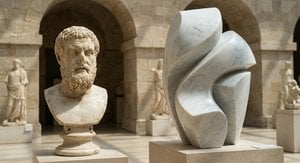
The Enduring Allure of Marble in Art History: From Classical Sculpture to Modern Abstraction
Explore the captivating history of marble sculpture from ancient Greece to modern art. Discover renowned artists like Canova & Michelangelo, carving techniques, and investment insights at ArtsDot.

Bronze Age to Modern Masters: 10 Sculptures That Redefined Art | ArtsDot
Journey through art history with 10 legendary bronze sculptures – from Michelangelo's David to Rodin’s Thinker. Explore the stories, techniques & timeless beauty of these masterpieces. Find museum-quality reproductions & elevate your home decor on ArtsDot.com.

Jacopo Tintoretto: 25 Remek-dela Venecijanskog Majstora | Reprodukcije i Inspiracija za Dom
Uronite u svet Jacopa Tintoreta! Otkrijte 25 remek-dela venecijanskog renesansnog majstora. Istražite dramatične kompozicije, bogate boje i istoriju umetnosti na ArtsDot.com. Reprodukcije slika za luksuzni enterijer.