


 Pregledaj u prostoru
 Podeli
 Podeli
 Detalji
 Vodič
Vodič

 Preuzmi sliku
 Slični predmeti
 Rendgenski snimak
 Automatska prezentacija
 Statistika
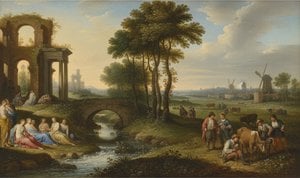
Italian Landscape
 Oil On Canvas
- WallArt
- Romantic Landscape Painting
 1795
1795- Early Modern
 65.0 x 96.0 cm
 Hermitage Museum
 Pročitaj više
Giclee štampa / Umetnički otisak
Giclée štampa ili print na platnu muzejskog kvaliteta uz brzu izradu i raznovrsne opcije završne obrade. ( Naručite ručno oslikano reprodukciju Pređi na prodaju digitalnih slika)




P118B дин10

P118H дин10

P118W дин10

P438Z дин10

P508JH дин12

P508YH дин12

P805H дин10

P805Z дин10

P919BZ дин10

P919G дин10

P919XJ дин10

P959ZH дин10

P968JZ дин12

W106C дин8

W218G дин10

W218JH дин8

W218Y дин10

W307PJ дин10

W316G дин10

W316PJ дин8

W316Y дин10

W398PJ дин8

W4111J дин10

W500HY дин15

W500JH дин15

W692G дин12

W849H дин8

W940BG дин15

W953PJ дин8




Izaberite jednu od naših unapred definisanih veličina koje odgovaraju originalnim proporcijama umetničkog dela.

Type the width and the height you need, to fit your frame or your wall. A print can only be cut, never made bigger than the picture, so a size with a different shape loses a part of the image. We send you a digital mockup to approve before we print anything. The picture shown on this page does not show the real cut — only the mockup does.
Dostava širom sveta () za 2 nedelje umesto uobičajenih 4/5 nedelja. (14 октобар)

Besplatna ekspresna dostava širom sveta

Visokokvalitetno laneno platno

Sveobuhvatno osiguranje transporta

Garancija povraćaja carine i uvoznih dažbina

Garancija vernosti boja i autentičnosti pri reprodukciji

Politika povraćaja u roku od 100 dana (samo u slučaju nedostataka)

Garancija povrata 100% novca

Popust pri većoj količini
 Opcija sa staklom dostupna je samo za dimenzije manje od 110 cm

Italian Landscape
Giclee štampa / Umetnički otisak
Veličina reprodukcije
-


Ukupna cena
дин 6306
A Symphony of Light and Tranquility
In the vast tapestry of the Romantic movement, few works capture the ethereal essence of the Italian countryside as profoundly as Jacob Philippe Hackert’s Italian Landscape. Created in 1795, this oil on canvas masterpiece serves as a window into an idealized Arcadia, where the grandeur of nature and the quietude of pastoral life exist in perfect, undisturbed harmony. As one gazes upon the canvas, there is an immediate sense of being transported to a world far removed from the industrializing tensions of the late 18th century. The painting does not merely represent a location; it evokes a feeling of timelessness, inviting the viewer to linger within its sun-drenched valleys and misty mountain peaks.
The composition is a masterclass in balanced tension, guiding the eye through a meticulously layered journey. In the foreground, a tranquil river meanders with a gentle grace, its surface acting as a mirror for the clear blue sky and the lush greenery that lines its banks. The presence of grazing cows adds a touch of pastoral intimacy, grounding the epic scale of the landscape in the humble, rhythmic reality of rural life. As the gaze moves toward the middle ground, rolling hills draped in verdant vegetation lead the viewer upward toward a majestic mountain range. These peaks, partially veiled by an atmospheric haze, command the horizon with an imposing power that speaks to the Romantic fascination with the sublime—the awe-inspiring and sometimes overwhelming beauty of the natural world.
The Mastery of Atmosphere and Technique
Hackert’s technical prowess is most evident in his sophisticated use of sfumato, a technique he refined under the influence of his mentor, Claude Joseph Vernet. By subtly blurring the boundaries between distant mountains and the sky, Hackert creates a palpable sense of depth and atmospheric perspective. This soft, smoky transition prevents the landscape from feeling static; instead, it breathes with moisture and light. The artist’s ability to marry minute, realistic details—such as the individual textures of foliage and the rugged contours of rocks—with this expansive, misty atmosphere is what distinguishes this work as a pinnacle of his era.
The color palette is a deliberate study in serenity, dominated by harmonious shades of emerald, forest green, and deep azure. These cool tones are punctuated by the warm, golden light that seems to filter through the clouds, illuminating the classical architecture nestled among the trees. This interplay of light and shadow does more than define form; it establishes a mood of profound peace. For the discerning collector or interior designer, this painting offers a sophisticated focal point that brings a sense of calm and classical elegance to any space, acting as an anchor of tranquility in a modern environment.
Historical Resonance and Lasting Legacy
To understand the Italian Landscape is to understand the heart of a traveling artist. Hackert, born in Germany but deeply enamored with the Mediterranean spirit, spent much of his career capturing the light of Italy. His work reflects the transition from Neoclassical precision toward the more expressive, emotional observations of the Romantic era. The inclusion of classical architectural elements—columns and structures that hint at a storied past—serves as a poignant reminder of humanity's historical connection to the land. These man-made wonders do not intrude upon the scenery but rather blend seamlessly into the natural topography, suggesting a world where civilization and nature exist in a state of grace.
Owning a reproduction of such a significant work allows one to possess a fragment of art history. It is an invitation to daily contemplation, a piece that rewards repeated viewing with new discoveries of light, shadow, and texture. Whether placed in a grand library or a contemporary living suite, Hackert’s vision of the Italian landscape remains a timeless testament to the enduring power of beauty and the quiet majesty of the earth.
Pitanja i odgovori
Koliko svetlosti se čini da boje dela "Italian Landscape" reflektuju?
Boje dela "Italian Landscape" pokazuju Gentle Luminance luminancu.
Ko je napravio "Italian Landscape" i kada?
Jakob Filip Hakert je napravio/la "Italian Landscape" u 1795. godine.
Kada je "Italian Landscape" nastalo i kojem umetničkom pravcu pripada?
Delo "Italian Landscape" nastalo je 1795. godine, u okviru pokreta Romantic Landscape Painting.
Srodna umetnička dela


Biografija umetnika
Rano detinjstvo i umetničke osnove
Jacob Philipp Hackert se pojavio na umetničkoj sceni 1737. godine, rođen u Prenzlau, u Brandenburgu – regiji koja se danas nalazi unutar granica Nemačke. Njegovo odrastanje bilo je prožeto umetnošću; njegov otac, Philipp Hackert, bio je portretista i slikar životinja, čime je postavio početne temelje za kreativni put mladog Jacoba. Ovaj porodični uticaj protezao se i na njegovog ujaka, pod čijim vođstvom je umetnik dalje usavršavao svoje veštine. Formalno obrazovanje sledilo je u prestižnoj Pruskoj akademiji umetnosti u Berlinu od ente 1758. godine, gde je marljivo razvijao tehničke osnove koje će kasnije definisati njegov stil. Međutim, Hackertova rana karijera nije bila ograničena samo na zidove studija. Njegova putovanja vodila su ga kroz Švedsku Pomeraniju i, na kraju, do Stokholma, gde je ključni posao za barona Adolfa Fridriha von Olthofa – dekorativni zidni freske za baronsko imanje – proširio njegove umetničke vidike i izložio ga različitim estetskim senzibilitetima. Ove formativne godine bile su presudne u oblikovanju Hackertovog oka i pripremi ga za grandiozne pozornice njegove karijere.Italijansko buđenje: Pariz, Rim i Napulj
Definitivno poglavlje otvorilo se Hackertovim preseljenjem u Pariz između 1765. i 1768. godine, zajedno sa kolegom švajcarskim umetnikom Balthasarom Antonom Dunkerom. Ovaj period se pokazao transformativnim, uranjajući ga u vibrantno umetničko okruženje. Osetio je dubok uticaj Claudea Josepha Verneta, slavnog slikara pejzaža i morskih slika, upijajući elemente Vernetovih dramatičnih kompozicija i atmosferskih efekata u svoj sopstveni, tada još rano razvijajući stil. Istovremeno, studije kod nemačkog gravira Johann Georg Wille-a izbrusile su njegovu preciznost i pažnju posvećenu detaljima. Godine 1768. Hackert je krenuo na putovanje koje će neopovratno promeniti njegov umetnički pravac – preselio se u Italiju sa svojim bratom Georgom, uspostavljajući svoje prisustvo prvenstveno u Rimu i Napulju. Ovaj potez označio je početak izuzetno plodnog perioda podstaknut brojnim porudžbinama prikaza italijanske ruralne sredine, najpre svega od strane ser Vilijama Hamiltona. Prešao je čitavu Italiju, pedantno dokumentujući njenu lepotu i stičući priznanje kao majstor pejzažne slike. Svetlost, boje i sama suština Italijanskog poluostrva očaravali su ga, postajući definisničke karakteristike njegovog dela.Pokroviteljstvo, priznanje i umetnički procvat
Hackertova umetnička karijera uzdignula se do novih visina zahvaljujući kombinaciji talenta i strateškom pokroviteljstvu. Njegova sposobnost da uhvati uzvišenu lepotu Italije odjekivala je kod istaknutih ličnosti širom Evrope. Monumentalna porudžbina stigla je od Katarine Velike iz Rusije – ciklus slika koji prikazuje ključnu bitku kod Česme, čime je učvrstio svoju reputaciju na međunarodnom nivou. Njegov položaj dodatno je učvrstilo plodno prijateljstvo sa papom Pio VI, što je rezultiralo značajnim umetničkim projektima koji su pokazivali njegovu veštinu i svestranost. Godine 1786, Hackert je dostigao vrhunac svoje karijere kada je imenovan dvorovnim slikarom Ferdinandu I od dve Sicilije u Napulju. Ova prestižna uloga prevazilazila je puko slikanje; povereno mu je da savetuje pri osnivanju laboratorije za restauraciju slika u muzeju Capodimonte i da nadgleda prenos cenjenih Farnese kolekcija iz Rima u Napulj, demonstrirajući svoje duboko razumevanje istorije umetnosti i konzervacije. Stvorio je značajna dela prikazujući Casertu i Kraljevsku palatu u Caserti, kao i seriju koja ilustruje burbonske luke. Zanimljivo je da je Hackert u to vreme služio i kao tajni informator Rusije, održavajući kontakt sa Andrey Razumovskym – što je svedočanstvo o složenom političkom pejzažu u kojem je delovao. Posebna, dragocena veza procvetala je između Hackerta i Johann Wolfganga von Goethea tokom njegove posete Napulju 1786. godine, stvarajući prijateljstvo koje je dodatno uzdiglo njegov intelektualni ugled.Stil, nasleđe i istorijski značaj
Umetnički stil Jacoba Philippa Hackerta predstavlja upečatljivu sintezu klasičnog pejzaža i tadašnje nove romantičarske senzibilnosti. Pod snažnim uticajem dela Claudea Lorraina, njegove kompozicije karakterišu pažljivo uravnoteženi aranžmani koji spajaju uočenu stvarnost sa idealizovanom estetskom vizijom. Ipak, Hackert se izdvojio nepokolebljivom posvećenošću botaničkoj tačnosti i željom za prepoznatljivim prikazima mesta. Njegove slike obeležene su oštrim prikazima prirodnih detalja i realističnim portretima italijanskog pejzaža, često okupanih toplom, zlatnom svetlošću. Pravedno se smatra jednim od najvećih tumača žanra vedutismo – slikanja koja pedantno prikazuju prizore gradova i pejzaže sa topografskom preciznošću. Hackertov istorijski značaj prevazilazi njegov umetnički doprinos; služio je kao vitalni kulturni ambasador između Nemačke i Italije tokom kasnog 18. veka, povezujući umetničke tradicije i podstičući međukulturnu razmenu. Preminuo je 28. aprila 1807. godine u San Pietro di Careggi blizu Firence, ostavljajući za sobom obimno delo koje i danas izaziva divljenje zbog svoje lepote, tehničke majstorstva i trajnog istorijskog značaja. Njegovi pejzaži nisu samo prikazi prirode; oni su prozori u svet prožet i klasičnim sjajem i romantičnom emocijom.
Jakob Filip Hakert
1737 - 1807 , Nemačka
Brzi pregled
- Artistic Movement Or Style: Klasicizam, Romantizam
- Artists Or Movements Influenced By This Artist: Vedutismo
- Artists Who Influenced This Artist:
- Claude Joseph Vernet
- Johann Georg Wille
- Claude Lorrain
- Date Of Birth: 15. septembar 1737.
- Date Of Death: 28. april 1807.
- Full Name: Jacob Philipp Hackert
- Nationality: Nemačka
- Notable Artworks:
- Pejzaž sa rekom
- Pogled na Kazertu
- Jesen
- Chesma ciklus
- Place Of Birth: Prenzlau, Nemačka
Srodni članci

Evocations of Place: A Historical Journey Through Landscape Art
Explore the rich history of landscape art with ArtsDot. Discover renowned artists, movements like Impressionism & Romanticism, and expert guidance for collecting timeless pieces. Find your perfect serene escape today!

Barok Majstor dela: Top 10 Umjetničkih Remeka za Vaš Dom
Otkrijte 10 remek dela koja su definisala baroknu umetnost! Karavagio, Bernini i više – istražite priče iza ovih ikoničnih slika. Inspiracija za vaš dom? Pogledajte kolekciju na ArtsDot.com!

Glavna dela koja su definisala Romantični pejzaž: 10 remek-dela za vaš dom
Otkrijte 10 remek-dela romantičnog pejzažnog slikarstva! Uronite u svet Claude Lorraina, Caspara David Friedricha i Turnera. Ispričane priče umetnosti, inspiracija za dekoraciju doma. Kvalitetne reprodukcije na ArtsDot.com – istražite celu kolekciju online!
Cornelis van Poelenburch: Bridging Mannerism & the Dutch Baroque Landscape
Discover Cornelis van Poelenburch, a pivotal Dutch Baroque landscape painter bridging Mannerism & Italianate styles. Explore his life, key works, and lasting influence on 17th-century art with ArtsDot.

25 Remek-dela Džona Konstebla: Lepota Engleske na Platnu | ArtsDot
Uronite u svet Džona Konstebla! Otkrijte 25 remek-dela engleskog pejzaža, romantizma i seoske idile. Kupite reprodukcije slika vrhunskog kvaliteta za dekoraciju enterijera na ArtsDot.com.