

 Pregledaj u prostoru
 Pošalji
 Podeli
 Detalji o delu
 Vodič
Vodič

 Preuzmi
 Slični predmeti
 Rendgenski snimak
 Automatska prezentacija
 Pitanja i odgovori
 Statistika
Separated

 Pročitaj više
Giclee štampa / Umetnički otisak
Giclée štampa ili print na platnu muzejskog kvaliteta uz brzu izradu i raznovrsne opcije završne obrade. ( Kupite ručno oslikano delo Pređi na digitalnu sliku)




P118B дин10

P118H дин10

P118W дин10

P438Z дин10

P508JH дин12

P508YH дин12

P805H дин10

P805Z дин10

P919BZ дин10

P919G дин10

P919XJ дин10

P959ZH дин10

P968JZ дин12

W106C дин8

W218G дин10

W218JH дин8

W218Y дин10

W307PJ дин10

W316G дин10

W316PJ дин8

W316Y дин10

W398PJ дин8

W4111J дин10

W500HY дин15

W500JH дин15

W692G дин12

W849H дин8

W940BG дин15

W953PJ дин8




Izaberite jednu od naših unapred definisanih veličina koje odgovaraju originalnim proporcijama umetničkog dela.

Unesite željenu širinu i visinu kako bi se štampa uklopila u vaš ram ili zid. Štampu je moguće samo iseći, ali nikada povećati iznad dimenzija originalne slike, stoga format sa drugačijim proporcijama uzrokuje gubitak dela slike. Pre početka štampe, poslaćemo vam digitalni prikaz radi potvrde. Slika prikazana na ovoj stranici ne predstavlja stvarni isrez — to pokazuje samo digitalni prikaz.
Dostava širom sveta () za 2 nedelje umesto uobičajenih 4/5 nedelja. (4 новембар)

Besplatna ekspresna dostava širom sveta

Visokokvalitetno laneno platno

Potpuno osiguranje transporta

Garancija povraćaja carine i uvoznih dažbina

Garancija vernosti boja

Politika povraćaja u roku od 100 dana (samo u slučaju nedostataka)

Garancija povrata 100% novca

Popust na više proizvoda
 Opcija sa staklom dostupna je samo za dimenzije manje od 110 cm

Separated
Giclee štampa / Umetnički otisak
Dimenzije reprodukcije
-


Ukupna cena
дин 6575
Srodna umetnička dela


Biografija umetnika
István Farkas: A Lost Voice of the École de Paris
István Farkas, a name largely absent from mainstream art history for decades, represents a poignant and compelling story of artistic talent tragically cut short by the horrors of the Holocaust. Born in Budapest in 1887 into a family deeply rooted in publishing—his father, József Wolfner, was the founder of Singer and Wolfner – Farkas’s early life was marked by both privilege and profound loss. The untimely death of his mother at just four years old shaped his perspective, leading him to adopt the name “Farkas,” a wolf, reflecting a sense of resilience and perhaps even solitude that would permeate much of his work. This transformation—from Wolfner to Farkas – speaks volumes about his personal journey and desire for a new identity.
Farkas’s artistic education began under the guidance of László Mednyánszky in Budapest, an early exposure to the burgeoning Hungarian art scene. He then sought further refinement in Paris, enrolling at the Académie de la Palette – a hub for avant-garde artists during that era. It was here, in 1912, amidst the vibrant Cubist circles of André Salmon, that Farkas truly began to forge his own distinctive style. Salmon’s influence is undeniable; he became a close friend and collaborator, even writing a monograph dedicated to Farkas's work, a testament to the artist’s growing recognition within Parisian artistic circles.
World War I dramatically altered Farkas’s trajectory. He enlisted as a lieutenant in the Austro-Hungarian army, experiencing the brutal realities of war and enduring capture before being held as a prisoner of war in Italy. This period undoubtedly shaped his worldview, contributing to the melancholic undertones often found in his paintings. Following the war, he returned to Budapest, inheriting the family publishing house after his father’s death in 1932 – a responsibility that simultaneously provided stability and demanded significant time commitment. Despite this added burden, he steadfastly maintained his studio in Paris, a crucial space for creative expression and connection with the international art community.
The Parisian Years: Style and Influences
Farkas’s artistic development during his time in Paris is particularly fascinating. He became a significant figure within the École de Paris, an umbrella term encompassing artists from across Europe who flocked to the city seeking inspiration and recognition. His work demonstrates a unique blend of influences – Cubism's fragmented forms, elements of Fauvism’s bold color palettes, and a distinctly Hungarian sensibility. He wasn’t simply replicating established styles; he was synthesizing them into something entirely his own.
His paintings often depict urban landscapes—particularly the bustling streets of Paris—with an almost dreamlike quality. He masterfully captured fleeting moments, conveying a sense of nostalgia and quiet observation. The use of muted colors – predominantly blues, greens, and browns – creates a somber atmosphere, while carefully placed details hint at deeper emotional currents. His compositions frequently feature solitary figures, lost in thought or simply observing the world around them, reflecting a common theme within his oeuvre.
The influence of André Salmon is particularly evident in Farkas’s later work. Salmon encouraged him to explore themes of memory and loss, concepts that resonated deeply with the artist's personal experiences. Farkas’s ability to evoke atmosphere and emotion through subtle brushstrokes and carefully chosen color palettes is a hallmark of his style – a testament to his artistic skill and sensitivity.
A Marriage and a Tragic Interruption
In 1925, István Farkas married Ida Kohner, the daughter of Baron Adolf Kohner, a prominent figure in Hungarian Jewish society. This union brought stability and companionship to his life, and they raised three children together. Their shared artistic interests fostered a creative environment within their home, further fueling Farkas’s passion for painting.
However, this period of relative happiness was abruptly shattered by the rise of anti-Semitic legislation in Hungary during the 1930s. As a Jew, Farkas faced increasing persecution and discrimination. The Hungarian Horthy regime intensified its policies targeting Jewish citizens, creating an atmosphere of fear and uncertainty. Despite these challenges, he continued to exhibit his work, showcasing his talent to a wider audience.
Loss and Legacy
The outbreak of World War II brought unimaginable horrors to Hungary, culminating in the systematic deportation of Jews to Auschwitz. In March 1944, as the Nazi occupation intensified, Farkas, along with his family, was arrested and sent to the Kistarcsa deportation camp. After weeks of confinement, he and others were transported to Auschwitz, where they were murdered upon arrival. His wife, Ida Kohner, met a similar fate, tragically killed by Hungarian fascists shortly before her own deportation.
Farkas’s work remained largely forgotten for decades after the war, overshadowed by the immense tragedy of the Holocaust. However, beginning in the mid-1980s, a renewed interest in his art emerged, fueled by research and rediscovery. Today, István Farkas is recognized as a significant, albeit tragically overlooked, figure within the École de Paris – an artist whose evocative landscapes and poignant portraits offer a powerful glimpse into a lost world and a testament to the enduring power of human creativity even in the face of unimaginable adversity. His paintings now stand as a haunting reminder of his talent and a solemn tribute to a life cut short.

István Farkas
1887 - 1944 , Hungary
Osnovne informacije
- Full Name: István Farkas
- Nationality: Hungarian
- Date Of Birth: 1887
- Date Of Death: 1944
- Place Of Birth: Budapest, Hungary
- Notable Artworks: ['Fate (walking At The Water Tower)']
- Artistic Movement Or Style: École de Paris, Cubism
- Artists Who Influenced This Artist: ['László Mednyánszky']
- Artists Or Movements Influenced By This Artist: ['André Salmon']
Povezani članci

Károly Ferenczy: Pioneering Hungarian Modernism & the Soul of a Nation
Explore the life & art of Károly Ferenczy, a pivotal figure in Hungarian Modernism. Discover his landscapes, portraits, and role in founding the Nagybánya colony. Expert insights for collectors & enthusiasts.

Echoes of War & Hope: Top 10 Artworks Reflecting the 1940s | ArtsDot
Journey through a decade of resilience & change with our Top 10 artworks of the 1940s. Explore iconic paintings by Rockwell, Hopper & more—reflecting WWII's impact and post-war hope. Find museum-quality reproductions at ArtsDot.com

Concrete Visions: Exploring the Urban Landscape in Painting – From Realism to Contemporary Art
Explore the evolution of cityscape painting from Realism to contemporary art with ArtsDot. Discover key artists & invest in timeless urban visions. Expert guidance, museum-quality reproductions.
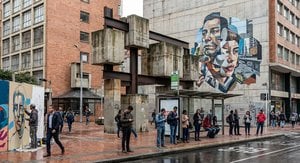
Concrete Narratives: Exploring Urban Life in Modern & Contemporary Art
Explore the evolution of cityscape painting with ArtsDot. Discover key artists from Realism to contemporary movements & invest in timeless urban visions. Expert guidance, museum-quality reproductions.

Concrete Visions: Exploring Representations of Urban Life in Modern & Contemporary Art
Explore the evolution of cityscape painting from Realism to contemporary art. Discover key artists & invest in timeless urban visions with ArtsDot's expert guidance and museum-quality reproductions.