

 Pregledaj u prostoru
 Podeli
 Podeli
 Detalji
 Vodič
Vodič

 Preuzmi sliku
 Slični predmeti
 Rendgenski snimak
 Automatska prezentacija
 Statistika
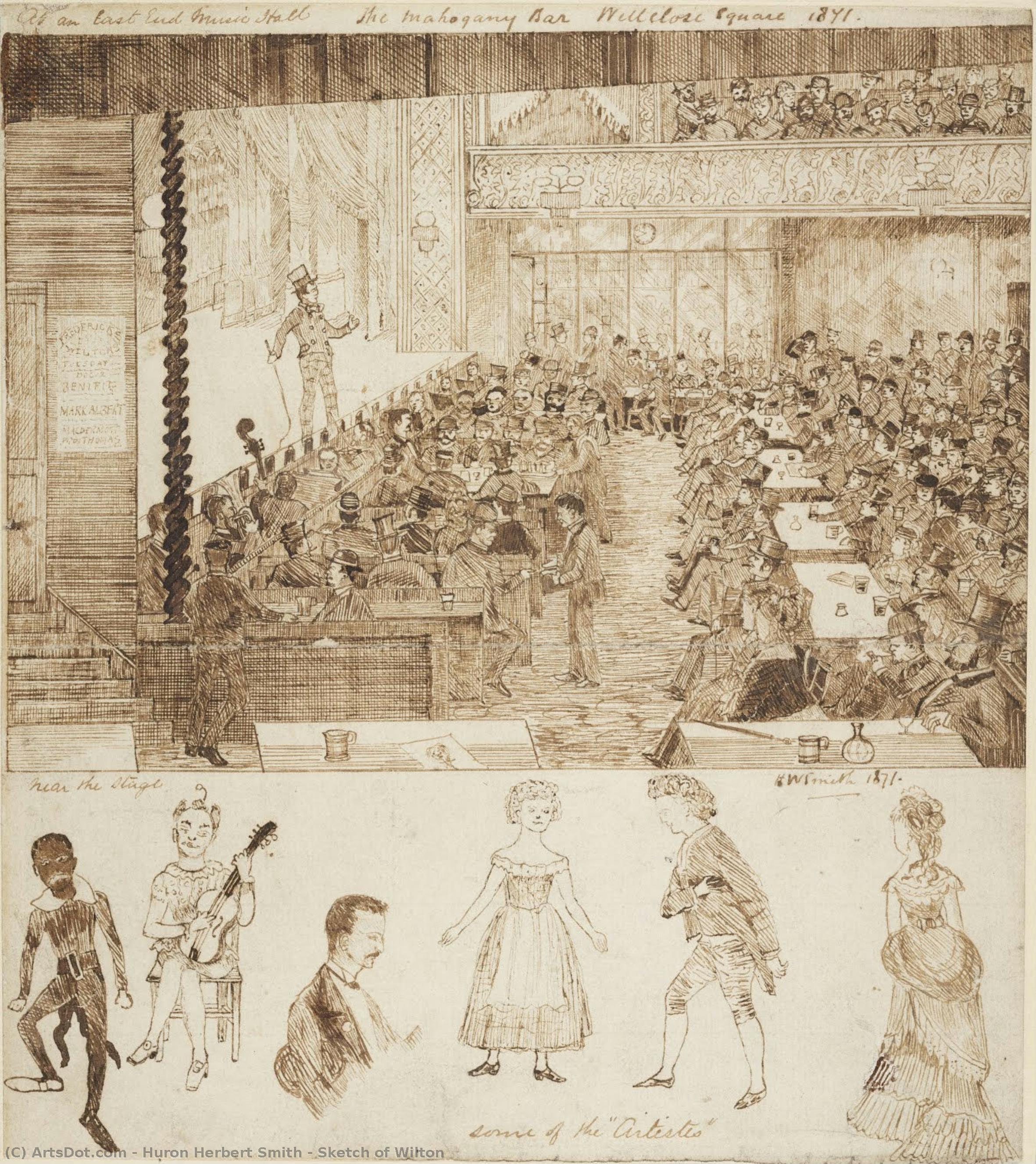
Sketch of Wilton


 Pročitaj više
Giclee štampa / Umetnički otisak
Giclée štampa ili print na platnu muzejskog kvaliteta uz brzu izradu i raznovrsne opcije završne obrade. ( Naručite ručno oslikano reprodukciju Pređi na prodaju digitalnih slika)




































Izaberite jednu od naših unapred definisanih veličina koje odgovaraju originalnim proporcijama umetničkog dela.

Možete uneti sopstvene dimenzije kako biste umetničko delo prilagodili specifičnom okviru ili prostoru. Ako odabrani format ne odgovara proporcijama originalne slike, mi ćemo ili iscrtati deo dela ili proširiti sliku pomoću ogledane ivice ili jednobojnog popunjavanja. Digitalni prikaz će vam biti poslat na odobrenje pre početka proizvodnje.
Imajte na umu da pregled na ekranu ne odražava stvarno iscrtavanje ili proširivanje. Samo će prikaz (mockup) precizno pokazati finalnu kompoziciju.
Iako su prilagođene dimenzije dostupne, preporučujemo da odaberete dimenziju sa unapred definisane liste kako biste očuvali originalne proporcije.
Dostava širom sveta () za 2 nedelje umesto uobičajenih 4/5 nedelja. (26 септембар)

Besplatna ekspresna dostava širom sveta

Visokokvalitetno laneno platno

Sveobuhvatno osiguranje transporta

Garancija povraćaja carine i uvoznih dažbina

Garancija vernosti boja i autentičnosti pri reprodukciji

Politika povraćaja u roku od 100 dana (samo u slučaju nedostataka)

Garancija povrata 100% novca

Popust pri većoj količini
 Opcija sa staklom dostupna je samo za dimenzije manje od 110 cm

Sketch of Wilton
Giclee štampa / Umetnički otisak
Veličina reprodukcije
-


Ukupna cena
$ 62
Srodna umetnička dela


Biografija umetnika
The Botanical Visionary: The Life and Legacy of Huron Herbert Smith
In the quiet intersection where scientific rigor meets the delicate beauty of the natural world, the life of Huron Herbert Smith emerges as a profound testament to human curiosity. Born in the heart of America in Danville, Indiana, in 1883, Smith possessed an innate sensitivity to the living textures of the earth. His journey was not merely one of academic pursuit but a soulful exploration of the silent dialogues between flora and the indigenous cultures that have long revered them. Through his eyes, a plant was never just a biological specimen; it was a vessel of history, a cornerstone of tradition, and a masterpiece of evolutionary design.
Smith’s intellectual foundation was forged in the prestigious halls of Depauw University and Cornell University, where he mastered the disciplines of botany and zoology. This rigorous training provided him with the precise anatomical knowledge required for scientific excellence, yet it could not stifle his burgeoning passion for ethnobotany—the study of how people and plants interact. He possessed a rare ability to look beyond the cellular structure of a leaf to see the cultural significance embedded within its fibers, recognizing that the oral traditions and folklore of Native American tribes held as much vital truth as any laboratory finding.
A Symbiosis of Science and Artistry
The professional zenith of Smith’s career was defined by his transformative work at the Milwaukee Public Museum. Serving as the Assistant Curator of Botany and later as the head of the department, he embarked on a mission to document the botanical wisdom of Native American tribes with unparalleled detail. His approach was uniquely holistic; he understood that to truly preserve a species' importance, one had to capture both its physical form and its cultural spirit. This led to a magnificent synthesis of botanical illustration and ethnographic narrative.
His illustrations were far more than mere diagrams. They were evocative renderings that breathed life into the specimens he collected. By blending meticulous scientific accuracy with an artist's eye for light, shadow, and texture, Smith created a visual language that bridged the gap between the museum archive and the human experience. His work often focused on:
- The intricate morphology of native flora, captured with such precision that they served as vital records for future generations.
- The cultural narratives of plant use, weaving stories of medicinal, ceremonial, and nutritional importance into his scientific observations.
- The preservation of indigenous knowledge, acting as a bridge between the vanishing oral traditions of tribes like the Meskwaki and the permanent record of Western science.
A Lasting Impression on the Natural Sciences
Though his life was tragically cut short in 1933 following an automobile accident at the age of forty-nine, the impact of Huron Herbert Smith remains deeply etched in the annals of American botany. His dedication left behind a monumental botanical specimen collection, much of which is preserved and digitized at the Milwaukee Public Museum, ensuring that his meticulous observations continue to inspire researchers and artists alike. His ability to document the ethnobotany of the Ojibwe Indians and other tribes provided a crucial foundation for the field of ethnobotany as it exists today.
Smith’s historical significance lies in his refusal to separate the observer from the observed. He did not view nature as an object to be dissected, but as a living tapestry of which humanity is an integral thread. In every stroke of his illustrations and every entry in his field notes, there is a profound respect for the interconnectedness of all life. Today, we remember him not just as a curator or a scientist, but as a pioneer who taught us to read the stories written in the very greenery beneath our feet.

huron herbert smith
1883 - 1933 , United States of America
Brzi pregled
- Artistic Movement Or Style: Botanical Art
- Artists Or Movements Influenced By This Artist: ['International Plant Names Index']
- Artists Who Influenced This Artist: ['Millspaugh & Nuttall']
- Date Of Birth: July 26th, 1883
- Date Of Death: February 25th, 1933
- Full Name: Huron Herbert Smith
- Nationality: American
- Notable Artworks: ['Sketch of Wilton']
- Place Of Birth: Danville, United States of America