

 Pregledaj u prostoru
 Podeli
 Podeli
 Detalji
 Vodič
Vodič

 Preuzmi sliku
 Slični predmeti
 Rendgenski snimak
 Automatska prezentacija
 Statistika
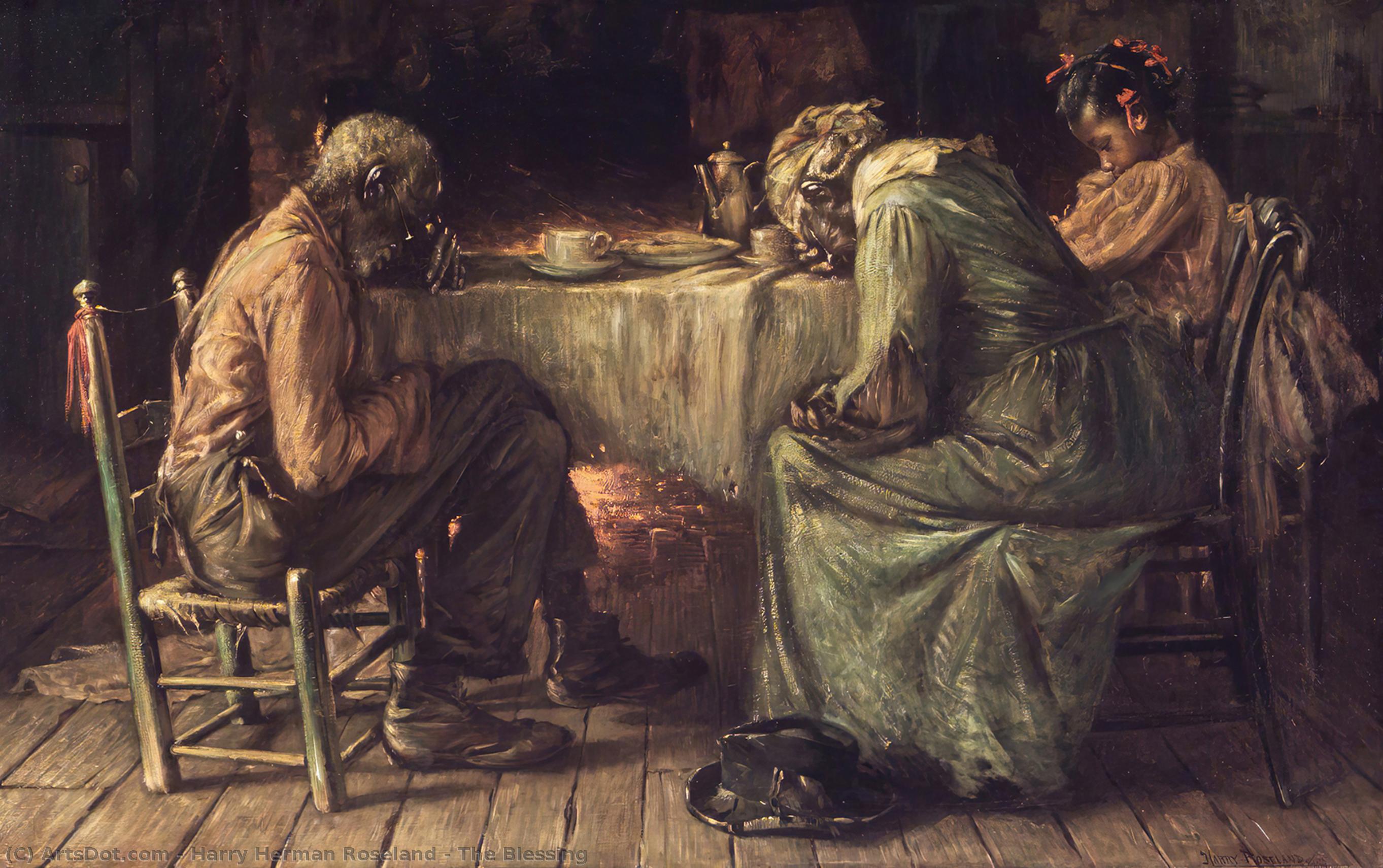
The Blessing

 Pročitaj više
Ručno rađena uljana reprodukcija
Ručno oslikano uljanim bojama na platnu u dimenzijama i okviru po vašem izboru, izrađeno po porudžbini od strane naših umetnika. ( Pređi na prodaju štampanih primeraka Pređi na prodaju digitalnih slika)




P118B дин10

P118H дин10

P118W дин10

P438Z дин10

P508JH дин12

P508YH дин12

P805H дин10

P805Z дин10

P919BZ дин10

P919G дин10

P919XJ дин10

P959ZH дин10

P968JZ дин12

W106C дин8

W218G дин10

W218JH дин8

W218Y дин10

W307PJ дин10

W316G дин10

W316PJ дин8

W316Y дин10

W398PJ дин8

W4111J дин10

W500HY дин15

W500JH дин15

W692G дин12

W849H дин8

W940BG дин15

W953PJ дин8




Izaberite jednu od naših unapred definisanih veličina koje odgovaraju originalnim proporcijama umetničkog dela.

Unesite širinu i visinu koja vam je potrebna, kako bi se uklopili u vaš ram ili zid. Pošto je ovo ručno oslikano delo, umetnik može naslikati malo više prostora oko slike ili malo skratiti ivice za dimenzije drugačijeg oblika — izbor je na vama. Pre početka rada, poslaćemo vam digitalni prikaz radi potvrde. Slika prikazana na ovoj stranici ne predstavlja konačan rezultat — samo digitalni prikaz pokazuje stvarnu sliku.
Nakon narudžbine, tim ArtsDot.com će klijentu putem e-pošte poslati uputstva i dostaviti prikaz predloženog rešenja
Svetska isporuka () za 3/4 nedelje umesto uobičajenih 5 nedelja. (27 октобар). Bez kompromisa po pitanju kvaliteta.

Besplatna ekspresna dostava širom sveta

Visokokvalitetno laneno platno

Sveobuhvatno osiguranje transporta

Garancija povraćaja carine i uvoznih dažbina

Garancija vernosti boja i autentičnosti pri reprodukciji

Politika povraćaja u roku od 100 dana (samo u slučaju nedostataka)

Garancija povrata 100% novca

Popust pri većoj količini
 Opcija sa staklom dostupna je samo za dimenzije manje od 110 cm

The Blessing
Tehnika izrade reprodukcije
Veličina reprodukcije
-


Ukupna cena
дин 27175
Srodna umetnička dela


Biografija umetnika
A Life Depicted: The Evocative World of Harry Herman Roseland
Harry Herman Roseland, born in Brooklyn, New York around 1867 and passing away in 1950, occupies a fascinating, often-overlooked space within the landscape of early 20th-century American art. While not formally trained abroad like many of his contemporaries, Roseland forged a distinctive path, becoming renowned for his poignant depictions of African American life—a subject matter that resonated deeply with a public increasingly captivated by social realities yet still largely segregated in its artistic representations. His canvases weren’t grand historical narratives or idealized portraits; instead, they offered intimate glimpses into the everyday lives of Black Americans, often focusing on scenes of fortune telling, family moments, and quiet contemplation. Roseland's life was rooted in Brooklyn, where he spent his entire career, a testament to his dedication to observing and interpreting the world immediately around him. He became an active member of prominent art societies like the Salmagundi Club and the Brooklyn Society of Artists, demonstrating a commitment to the artistic community even as his subject matter often challenged conventional norms.Early Influences and Artistic Development
Roseland’s artistic journey began with self-study, supplemented by instruction from John Bernard Whittaker and later James Carroll Beckwith. This unconventional training allowed him a freedom to develop his unique style, unburdened by the rigid academic traditions prevalent at the time. Initially exploring landscapes and still lifes, Roseland gradually gravitated towards genre painting—scenes of everyday life. It was in this realm that he discovered his true passion: portraying African Americans. His choice of subject matter wasn’t merely a stylistic preference; it reflected a keen observational eye and an emerging desire to capture the nuances of a community often marginalized or misrepresented in art. He didn't shy away from depicting poverty, but did so with dignity and empathy, avoiding caricature and instead focusing on the humanity of his subjects. This approach set him apart from many artists of his era who tended towards stereotypical portrayals.Themes of Fortune, Family, and Social Commentary
Roseland’s most recognizable works center around Black women fortune tellers reading palms or tea leaves for white clients. These paintings are particularly compelling because they subtly address the complex social dynamics of the time. While seemingly innocuous scenes, they hint at a power imbalance—a white woman seeking guidance from a Black woman—and offer a glimpse into the cultural exchange and hidden interactions that existed despite societal barriers. Beyond fortune telling, Roseland’s canvases frequently depict intimate family moments: mothers with children, couples sharing quiet conversations, individuals lost in thought. These scenes are imbued with a sense of realism and emotional depth, capturing the resilience, strength, and dignity of Black families. To the Highest Bidder, perhaps his most famous work—and a favorite of Oprah Winfrey—is a particularly striking example of this sensitivity, portraying an auction scene that speaks to themes of vulnerability and societal pressures.Popularity and Reproduction: Reaching a Wider Audience
Roseland’s art gained significant popularity through widespread reproduction. His paintings were frequently featured on postcards and large-scale prints distributed as Sunday supplements in newspapers, bringing his work into the homes of countless Americans. This accessibility was crucial to his success; it allowed him to reach an audience far beyond the confines of galleries and museums. While some critics may have dismissed his work as sentimental or overly commercial, the sheer volume of reproductions suggests a deep resonance with the public. The widespread circulation of his images contributed to a broader understanding—albeit often romanticized—of African American life during this period. He wasn’t simply creating art for an elite audience; he was engaging in a dialogue with everyday people, prompting reflection and sparking conversations about race, class, and society.Legacy and Historical Significance
Harry Herman Roseland's legacy is one of quiet observation and empathetic portrayal. Though not as widely celebrated as some of his contemporaries, his work offers a valuable window into the early 20th-century American experience. He challenged conventional artistic norms by focusing on African American life with dignity and respect, paving the way for future generations of artists to explore similar themes.- His paintings provide important visual documentation of a community often overlooked in historical narratives.
- He subtly addressed complex social issues through seemingly innocuous scenes, prompting viewers to question existing power dynamics.
- His widespread reproduction ensured that his work reached a broad audience, contributing to a wider—though imperfect—understanding of African American life.

Harry Herman Roseland
1867 - 1950 , United States of America
Brzi pregled
- Full Name: Harry Herman Roseland
- Nationality: American
- Date Of Birth: 1867
- Date Of Death: 1950
- Place Of Birth: Brooklyn, United States of America
- Notable Artworks:
- He Loves Me
- The Blessing
- To the Highest Bidder
- Artistic Movement Or Style: Genre painting, Realism
- Artists Who Influenced This Artist:
- John B. Whittaker
- James C. Beckwith
Srodni članci

Dark Masterpieces: 10 Iconic Paintings Dominated by Black Tones |
Explore 10 iconic paintings dominated by black tones, from Rembrandt’s chiaroscuro to Goya's dark expressions. Discover the stories behind these masterpieces & find museum-quality art reproductions for your home at .

Echoes of Place: Regionalism & American Identity in Interwar Art
Explore the rise of American Regionalism in interwar art! Discover Grant Wood, Thomas Hart Benton & the movement's impact on American identity. Expert analysis & historical context.

American Realism's Defining Works: 10 Masterpieces for Your Home
Explore 10 defining American Realism masterpieces – Hopper, Homer & more. Discover the stories behind these iconic paintings and bring timeless art to your home with ArtsDot's museum-quality reproductions. Explore the full collection online.

American Realism: Social Commentary & Artistic Representation in Early 20th-Century Painting
Explore the powerful social commentary & artistic representation of American Realism. Discover key artists like Bellows & Sloan, and understand the movement's lasting impact on 20th-century art history.

Grant Wood & American Regionalism: Identity, Myth & the Rural Landscape
Explore the world of Grant Wood & American Regionalism with ArtsDot. Discover the symbolism behind 'American Gothic', recurring themes, and the movement's lasting impact on art history. High-quality reproductions available.