
- Početna strana

- Štampa na platnu
- harold dearden
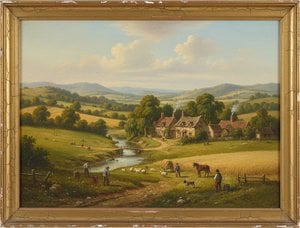
- Log Cutting

 Naručite reprodukciju Kupi digitalnu sliku
 Pošalji
 Podeli
 Detalji o delu
 Dodaj u omiljene

 Преузми
 Slični predmeti
 Rendgenski snimak
 Slajdovi
Log Cutting
 Contemporary Realism
 74.0 x 66.0 cm
 Swindon Art Gallery
 Pročitaj više
Giclee štampa / Umetnički otisak
Giclée štampa ili print na platnu muzejskog kvaliteta uz brzu proizvodnju i fleksibilne opcije završne obrade.




































Izaberite jednu od naših unapred definisanih veličina koje odgovaraju originalnim proporcijama umetničkog dela.

Možete uneti sopstvene dimenzije kako biste umetničko delo prilagodili specifičnom okviru ili prostoru. Ako odabrani format ne odgovara proporcijama originalne slike, mi ćemo ili iscrtati deo dela ili proširiti sliku pomoću ogledane ivice ili jednobojnog popunjavanja. Digitalni prikaz će vam biti poslat na odobrenje pre početka proizvodnje.
Imajte na umu da pregled na ekranu ne odražava stvarno iscrtavanje ili proširivanje. Samo će prikaz (mockup) precizno pokazati finalnu kompoziciju.
Iako su prilagođene dimenzije dostupne, preporučujemo da odaberete dimenziju sa unapred definisane liste kako biste očuvali originalne proporcije.
Dostava širom sveta () za 2 nedelje umesto uobičajenih 4/5 nedelja. (16 јул)

Besplatna ekspresna dostava širom sveta

Visokokvalitetno laneno platno

Kompletno osiguranje transporta

Garancija povraćaja carine i uvoznih dažbina

Garancija vernosti boja

Politika povrata u roku od 60 dana (samo u slučaju nedostataka)

Garancija povrata novca od 100%

Popust pri grupnoj kupovini
 Opcija sa staklom dostupna je samo za dimenzije manje od 110 cm

Log Cutting
Giclee štampa / Umetnički otisak
Dimenzije reprodukcije
-


Konačna cena
-
Srodna umetnička dela


Biografija umetnika
Harold Dearden (1888–1962): A Swindon Artist Rediscovered
Harold Dearden remains a relatively obscure figure in British art history, overshadowed by contemporaries like Stanley Spencer and Graham Sutherland. Yet, his contribution to the artistic landscape of Swindon—and indeed, to Victorian illustration—deserves renewed attention. Born in Bolton, Lancashire, on December 13th, 1882, Dearden’s life unfolded against a backdrop of significant social and cultural shifts, shaping both his personal journey and his artistic output.
His formative years were spent at Rochdale School of Art under the tutelage of Henry Barret Carpenter, where he honed his observational skills and developed an early appreciation for colour theory—a discipline championed by Carpenter himself. This influence would prove crucial in informing Dearden’s subsequent work, particularly his celebrated biblical illustrations for *The Copping Bible*, a monumental undertaking that cemented his reputation as one of Britain's foremost Victorian artists.
A scholarship to the Royal College of Art in London propelled him into a wider artistic milieu. Studying under Gerald Moira between 1910 and 1915, Dearden embraced a comprehensive curriculum encompassing architecture alongside painting and sculpture—a testament to his intellectual curiosity and ambition. The RCA’s emphasis on mural design instilled in him a profound understanding of scale and narrative, concepts that would permeate his artistic endeavors.
During World War I, Dearden enlisted with the Royal Army Medical Corps and served as a medical officer for the 3rd Battalion of the Grenadier Guards. He bravely confronted the horrors of trench warfare, sustaining injuries—most notably a lost eye—that profoundly impacted his life and artistic vision. The psychological scars of combat undoubtedly fueled his exploration of themes related to trauma and resilience in his later works.
Following the war, Dearden continued his teaching career at York Art School, where he mentored aspiring artists and fostered a vibrant creative environment. He married Ann Verity Gibson Watt in 1927 and established a family life centred around Swindon—a town that would become inextricably linked to his artistic legacy. His enduring commitment to Swindon’s art scene is reflected in his role as president of Swindon Artists' Society.
Dearden’s prolific output spanned painting, illustration, and theatrical design. He achieved considerable acclaim for *The Copping Bible*, a lavish depiction of biblical narratives that showcased his masterful draughtsmanship and meticulous attention to detail. His paintings—often imbued with rich colour palettes and evocative compositions—capture the spirit of the Victorian era while simultaneously grappling with profound philosophical questions.
Beyond his artistic achievements, Dearden’s intellectual engagement extended into areas such as psychology and spiritualism. He conducted rigorous investigations into paranormal phenomena, comparing cases of witchcraft to mediums' performances—a stance rooted in a skeptical yet intellectually honest approach. His book *Devilish But True* stands as a landmark contribution to the debate surrounding psychic abilities.
Harold Dearden passed away peacefully at his home in Hay-on-Wye on July 6th, 1962, leaving behind a legacy of artistic excellence and intellectual curiosity. His work continues to inspire admiration for its beauty, craftsmanship, and enduring relevance—a testament to the transformative power of art and the importance of remembering artists whose contributions may have faded from public consciousness.

Osnovne informacije
- Artistic Movement Or Style: Modern Art
- Artists Or Movements Influenced By This Artist: ['Gerald Moira']
- Artists Who Influenced This Artist: ['Henry Barret Carpenter']
- Date Of Birth: December 13, 1882
- Date Of Death: July 6, 1962
- Full Name: Harold Dearden
- Nationality: British
- Notable Artworks:
- Log Cutting
- The Locarno
- Salubritas
- Place Of Birth: Bolton, Lancashire
Povezani članci

From Imagination to Canvas: Commissioning Bespoke Fantasy Art with Traditional Oil Painting Techniques
Commission breathtaking bespoke fantasy art with skilled oil painters. Explore techniques, artist selection & preservation tips. Invest in a unique masterpiece today!

Daniel Ridgway Knight: A Study in Victorian Genre Painting & Rural Idealism
Explore the captivating world of Daniel Ridgway Knight, a master of Victorian genre painting. Discover his serene rural scenes, realistic technique & lasting influence on American Impressionism. Learn about his life, art, and collectibility.

Oil on Canvas Masters: 10 Paintings That Redefined Art History |
Journey through art history with our guide to 10 legendary oil on canvas masterpieces! Explore iconic works by Van Gogh, Monet & Rembrandt. Find museum-quality reproductions and elevate your home decor at . Discover all masterpieces online.

Echoes of Rural Life: Nostalgia, Labor & Identity in Art History
Explore the rich history of rural life in art! Discover how Realism captured labor & identity through masterpieces by Van Gogh, Millet & more. Expert analysis for collectors and enthusiasts.
Evocations of Rural Life: A Historical Journey Through Landscape Painting
Explore the rich history of rural life in painting! Discover Impressionist masterpieces, Italian Macchiaioli scenes & the enduring appeal of pastoral landscapes. Find your perfect artwork at ArtsDot.

