

 Pošalji
 Podeli
 Detalji o delu
 Vodič
Vodič

 Preuzmi
 Slični predmeti
 Automatska prezentacija
 Pitanja i odgovori
 Statistika
Square tray with

- 22.0 x 17.0 cm


 Pročitaj više
Umetničko delo prikazano na ovoj stranici zaštićeno je autorskim pravima, što znači da zakonski nismo u mogućnosti da kreiramo niti prodajemo identičnu reprodukciju. Ova zaštita se sprovodi u skladu sa međunarodnim sporazumima kao što su Bernska konvencija i nacionalnim zakonima, uključujući i one koji su definisani u Američki zakon o autorskom pravu – Naslov 17.
Ovaj metod je u potpunosti usklađen sa regulativama o autorskim pravima jer ne podrazumeva kopiranje ili dupliranje zaštićenih umetničkih dela. Umesto toga, reč je o kreativnoj reinterpretaciji – novom slikarskom delu koje je inspirisano originalom, ali nije identično njemu.
Giclee štampa / Umetnički otisak
Giclée štampa ili print na platnu muzejskog kvaliteta uz brzu izradu i raznovrsne opcije završne obrade. ( Kupite ručno oslikano delo Pređi na digitalnu sliku)




































Izaberite jednu od naših unapred definisanih veličina koje odgovaraju originalnim proporcijama umetničkog dela.

Unesite željenu širinu i visinu kako bi se štampa uklopila u vaš ram ili zid. Štampu je moguće samo iseći, ali nikada povećati iznad dimenzija originalne slike, stoga format sa drugačijim proporcijama uzrokuje gubitak dela slike. Pre početka štampe, poslaćemo vam digitalni prikaz radi potvrde. Slika prikazana na ovoj stranici ne predstavlja stvarni isrez — to pokazuje samo digitalni prikaz.
Dostava širom sveta () za 2 nedelje umesto uobičajenih 4/5 nedelja. (4 новембар)

Besplatna ekspresna dostava širom sveta

Visokokvalitetno laneno platno

Potpuno osiguranje transporta

Garancija povraćaja carine i uvoznih dažbina

Garancija vernosti boja

Politika povraćaja u roku od 100 dana (samo u slučaju nedostataka)

Garancija povrata 100% novca

Popust na više proizvoda
 Opcija sa staklom dostupna je samo za dimenzije manje od 110 cm

Square tray with
Giclee štampa / Umetnički otisak
Dimenzije reprodukcije
-


Ukupna cena
дин 6575
The Soul of Simplicity: A Masterpiece of Mingei Tradition
In the quiet intersection of utility and artistry lies this exquisite Square Tray, a profound testament to the vision of Hamada Shōji. Created in 1960, this ceramic piece is far more than a mere vessel; it is an embodiment of the mingei philosophy—the Japanese movement dedicated to finding sublime beauty in the functional objects crafted by anonymous artisans for everyday use. The tray’s form, characterized by straight, upright sides and uniquely angled cuboid feet, draws direct inspiration from the historic Tamba Ware square dishes. This connection to the past allows the piece to act as a bridge between the ancient traditions of Japanese pottery and the mid-century modern aesthetic, making it an essential acquisition for those who appreciate art that breathes with history.
The tactile allure of the tray is immediate, inviting the viewer to contemplate the earthy, grounded nature of its medium. Rendered in deep, warm tones of clay-brown, the surface serves as a canvas for subtle, rhythmic decorations. Two soft yellow motifs dance across the center and periphery, providing a gentle contrast that illuminates the matte texture of the stoneware. These delicate applications of color are not merely decorative; they represent the spontaneous, unpretentious spirit of the Mashiko pottery tradition, where the hand of the maker is felt in every stroke. For the interior designer, this piece offers a sophisticated focal point that brings an organic, wabi-sabi elegance to any contemporary setting.
To possess a reproduction of such a significant work is to invite the meditative calm of the mingei movement into one's personal space. Hamada Shōji’s legacy is defined by this very balance: the ability to elevate the mundane into the monumental through honest technique and a deep respect for natural materials. This square tray, with its sturdy geometry and soulful ornamentation, resonates with an emotional depth that transcends time. It serves as a reminder that true luxury is found not in opulence, but in the quiet, enduring strength of well-crafted objects that honor both the earth from which they came and the hands that shaped them.
Pitanja i odgovori
U kojoj je tehnici izvedeno delo „Square tray with”, autor Hamada Shōji?
Hamada Shōji je koristio/la tehniku Ceramic za delo "Square tray with". Ova tehnika definiše materijalnu prirodu originalnog dela.
U kojoj fazi karijere Hamada Shōji se nalazi delo "Square tray with", s obzirom na datum njegovog nastanka?
S obzirom na datum nastanka iz 1960. godine, delo "Square tray with" pripada Mature Period periodu umetnika Hamada Shōji.
Za koji prostor je predložen rad „Square tray with”, autor Hamada Shōji?
Preporučeni prostor za „Square tray with”, autor Hamada Shōji je Dining Room. Ovaj predlog se, naravno, može prilagoditi vašem enterijeru.
Srodna umetnička dela


Biografija umetnika
Hamada Shōji: A Pioneer of Mingei and the Soul of Mashiko
Born in Kawasaki, Japan, in 1894, Hamada Shōji’s life was a testament to his unwavering dedication to traditional Japanese crafts. Initially studying at Tokyo Institute of Technology under the guidance of Itaya Hazan, he quickly distinguished himself as a visionary artist deeply influenced by the burgeoning *mingei* (folk art) movement. This fascination with the beauty and functionality of everyday objects created by anonymous artisans would shape not only his artistic practice but also the very landscape of Japanese pottery.
Hamada’s early career was marked by a profound respect for the past, yet he possessed an innate desire to innovate. He spent formative years in Okinawa, immersing himself in the techniques and aesthetics of local ceramic traditions – particularly those employed in creating distinctive tableware. This experience, coupled with his time studying under Bernard Leach in England, provided him with a unique synthesis of Eastern and Western artistic sensibilities. Leach’s emphasis on simplicity, functionality, and direct engagement with materials resonated deeply with Hamada's own values, ultimately leading to the establishment of the Leach Pottery in St Ives alongside his mentor.
The Founding of Mashiko: A Center for Mingei
Returning to Japan in 1924, Hamada made a pivotal decision that would cement his legacy – he chose to establish his workshop and studio in Mashiko, a small, unassuming town nestled in Tochigi Prefecture. At the time, Mashiko was largely unknown as a pottery center, its landscape dotted with abandoned kiln sites. Recognizing the potential of this forgotten region, Hamada embarked on a mission to revive its ceramic heritage, transforming it into a world-renowned hub for *mingei* production.
He meticulously sourced his materials locally – clay from the surrounding hills, glazes derived from natural minerals, and even crafting his own brushes. This commitment to regional authenticity became a defining characteristic of his work and a cornerstone of the Mashiko pottery tradition. Hamada’s influence extended beyond simply producing beautiful ceramics; he actively encouraged local potters, fostering a sense of community and preserving traditional techniques for future generations. In 1955, this dedication was formally recognized when he was designated a “Living National Treasure,” a rare honor bestowed upon individuals who embody the spirit of Japanese craftsmanship.
A Style Defined by Simplicity and Function
Hamada Shōji’s artistic style is instantly recognizable for its profound simplicity and inherent functionality. He eschewed elaborate decoration, preferring instead to focus on the intrinsic beauty of the materials themselves – the texture of the clay, the subtle variations in glaze color, and the tactile quality of each piece. His forms are often understated yet elegant, reflecting a deep understanding of human needs and a respect for the utilitarian purpose of his creations.
His innovative techniques blended traditional Japanese methods with modern approaches. He experimented extensively with glazes, developing unique copper-green, iron, and white combinations that created stunning visual effects. Hamada’s work is characterized by a remarkable sense of balance – between restraint and expression, tradition and innovation. Notable examples include the stoneware jar, now housed in the Nelson-Atkins Museum of Art in Kansas City, and the square dish also found within their collection, both showcasing his exceptional skill and attention to detail.
Legacy and Influence
Hamada Shōji’s impact on Japanese ceramics extends far beyond his own prolific output. He was a key figure in popularizing the *mingei* movement, inspiring countless artists and shaping the course of contemporary studio pottery. His dedication to preserving traditional techniques and promoting regional crafts served as a model for future generations of artisans.
His influence can be seen in the work of other prominent potters, such as Bernard Leach, with whom he maintained a close working relationship, and Kawai Kanjiro, another key figure in the *mingei* movement. Hamada’s legacy continues to resonate today, reminding us of the enduring value of craftsmanship, simplicity, and connection to one's cultural heritage. His work remains a testament to his artistic vision and his profound contribution to the world of ceramics.

Hamada Shōji
1894 - 1978 , Japan
Osnovne informacije
- Full Name: Hamada Shōji
- Nationality: Japanese
- Date Of Birth: 1894
- Date Of Death: 1978
- Place Of Birth: Matsue, Japan
- Notable Artworks:
- Stoneware jar
- Square dish
- Artistic Movement Or Style: Mingei pottery, Studio pottery
- Artists Who Influenced This Artist: ['Kawai Kanjirō']
- Artists Or Movements Influenced By This Artist: ['Bernard Leach']
Povezani članci

The Golden Hue: Exploring Symbolism & Emotion in Yellow Art
Explore the rich symbolism & emotional power of yellow in art history! From Van Gogh to Kandinsky, discover how artists used this vibrant hue. Expert analysis & high-quality reproductions at ArtsDot.

Golden Hues: 10 Masterpieces Dominated by Chrome Yellow | ArtsDot
Immerse yourself in golden light! Explore 10 famous paintings dominated by 'Chrome Yellow', from Van Gogh’s Sunflowers to Monet's Haystacks. Discover the stories behind these iconic Impressionist & Post-Impressionist masterpieces and find museum-quality art reproductions at ArtsDot.com.

Earthy Hues & Masterpieces: Top 10 Paintings Dominated by Clay Tones |
Explore 10 iconic paintings dominated by rich clay tones – from Rembrandt's warmth to Van Gogh’s earthy landscapes. Discover art history, techniques & find museum-quality reproductions at . Explore the full collection online!
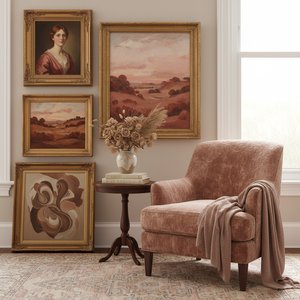
Rosy Brown Hues: 10 Master Paintings & Timeless Decor Ideas |
Explore 10 iconic paintings bathed in captivating rosy brown tones! From Rembrandt to Titian, discover the stories behind these masterpieces & their warm color palettes. Find museum-quality art reproductions and decor inspiration at .
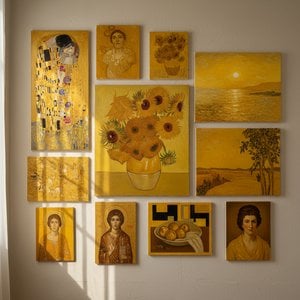
Golden Hues: Top 10 Paintings Dominated by Yellow Ochre |
Explore 10 iconic paintings bathed in golden yellow ochre! From Van Gogh's sunflowers to Monet’s haystacks, discover the stories behind these masterpieces. Find museum-quality art reproductions & elevate your home decor on .