


 Pregledaj u prostoru
 Podeli
 Podeli
 Detalji
 Vodič
Vodič

 Preuzmi sliku
 Slični predmeti
 Rendgenski snimak
 Automatska prezentacija
 Statistika
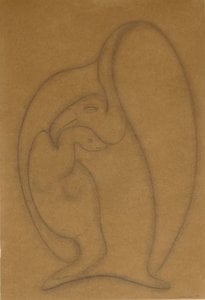
Three Generations
 Pročitaj više
Giclee štampa / Umetnički otisak
Giclée štampa ili print na platnu muzejskog kvaliteta uz brzu izradu i raznovrsne opcije završne obrade. ( Naručite ručno oslikano reprodukciju Pređi na prodaju digitalnih slika)




































Izaberite jednu od naših unapred definisanih veličina koje odgovaraju originalnim proporcijama umetničkog dela.

Možete uneti sopstvene dimenzije kako biste umetničko delo prilagodili specifičnom okviru ili prostoru. Ako odabrani format ne odgovara proporcijama originalne slike, mi ćemo ili iscrtati deo dela ili proširiti sliku pomoću ogledane ivice ili jednobojnog popunjavanja. Digitalni prikaz će vam biti poslat na odobrenje pre početka proizvodnje.
Imajte na umu da pregled na ekranu ne odražava stvarno iscrtavanje ili proširivanje. Samo će prikaz (mockup) precizno pokazati finalnu kompoziciju.
Iako su prilagođene dimenzije dostupne, preporučujemo da odaberete dimenziju sa unapred definisane liste kako biste očuvali originalne proporcije.
Dostava širom sveta () za 2 nedelje umesto uobičajenih 4/5 nedelja. (10 октобар)

Besplatna ekspresna dostava širom sveta

Visokokvalitetno laneno platno

Sveobuhvatno osiguranje transporta

Garancija povraćaja carine i uvoznih dažbina

Garancija vernosti boja i autentičnosti pri reprodukciji

Politika povraćaja u roku od 100 dana (samo u slučaju nedostataka)

Garancija povrata 100% novca

Popust pri većoj količini
 Opcija sa staklom dostupna je samo za dimenzije manje od 110 cm

Three Generations
Giclee štampa / Umetnički otisak
Veličina reprodukcije
-


Ukupna cena
дин 6259
Srodna umetnička dela



Biografija umetnika
A Life Forged in Wood and War
The life of Gyula Derkovits was a profound struggle between the heavy reality of manual labor and the ethereal call of artistic expression. Born in Szombathely, Hungary, his early years were defined by the scent of sawdust and the discipline of craftsmanship, as he was initially apprenticed to his father’s carpentry workshop. This foundation in physical labor would later haunt and inform the very texture of his visual language. Despite a burgeoning talent nurtured by a sign painter, Derkovical's path was diverted by the onset of World War I. He volunteered for service, a decision that left him with lasting scars: a paralyzed left hand and a debilitating lung condition. These physical hardships did not stifle his spirit but rather redirected it toward the pursuit of art through night schools and private instruction, eventually leading him to study under Károly Kernstok.
The Evolution of a Visual Language
As Derkovits navigated the turbulent political landscape of early 20th-century Hungary, his artistic style underwent a remarkable metamorphosis. His early works, shaped by his time in Budapest and later in Vienna, vibrated with the energy of Expressionism, Cubism, and Constructivism. During his years in Vienna, the influence of German expressionist painting became palpable, lending a certain raw intensity to his compositions. However, as he matured, his work moved away from purely formal experimentation toward a deeply personal and eccentric style. He began to favor tempera, utilizing it to create larger, almost monumental paintings that captured the essence of daily life with a unique blend of strict image editing and lyrical color.
Social Consciousness and Graphic Mastery
Beyond the canvas, Derkovits was a master of graphic arts, using printmaking to voice his profound social critiques. His connection to the political movements of his time—including his period of involvement with the Hungarian Communist Party—deeply permeated his subject matter. One of his most significant achievements remains his series of twelve woodcuts depicting the peasant revolt of 1514, a work that solidified his reputation through its powerful depiction of historical struggle. His graphic output often served as a biting satire of bourgeois society, utilizing sharp lines and stark contrasts to highlight the plight of the common person. Through both his monumental paintings and his intricate etchings, Derkovits left an indelible mark on Hungarian visual arts, blending social criticism with an unmistakable, individual formal language.

Gyula Derkovits
1894 - 1934 , Hungary
Brzi pregled
- Artistic Movement Or Style: Expressionism, Cubism and Constructivism
- Artists Who Influenced This Artist: ['Károly Kernstok']
- Full Name: Gyula Derkovits
- Nationality: Hungarian
- Notable Artworks:
- The Last Supper
- Sleeping Woman
- Boat Smith
- Mother
- 1514 woodcuts
- Place Of Birth: Szombathely, Hungary
- Date Of Birth: 1894
- Date Of Death: 1934