


Slika prati vaše izbore: , .
Opis predmeta
Gustave Moreau’s ‘untitled (9468)’ presents two nude figures amidst a symbolic forest scene, characteristic of the Symbolist movement. Explore this enigmatic artwork and discover its rich details for a captivating addition to your collection.
 Pročitaj više
Biografija umetnika
Жртва симбола и визионар слике, Густав Море је био француски ренесансни уметник који је оставио траг у историји сликања. Из познатог музеја Мореа у Парису су му се прецизније прилагодиле техничке карактеристике и стил, док су његове најзначајније слике представљале митове и бибљске приче које су га одликовале. Иновативни и веома емоционални Море је био утицајан на последишње уметнике као што су Ма
Ručno rađena uljana reprodukcija
Ručno oslikano uljanim bojama na platnu u dimenzijama i okviru po vašem izboru, izrađeno po porudžbini od strane naših umetnika. ( Pređi na štampu Pređi na digitalnu sliku)
Saznajte više o ovoj slici
 Pregledaj u prostoru
 Pošalji
 Podeli
 Detalji o delu
 Vodič
Vodič

 Preuzmi
 Slični predmeti
 Rendgenski snimak
 Automatska prezentacija
 Pitanja i odgovori
 Statistika
Naručite svoju sliku u četiri jednostavna koraka
Ne žurite. Možete promeniti bilo koji odgovor; cena u vašoj korpi se ažurira nakon svakog izbora.
1 Prvi od četiri koraka
Koju veličinu želite?
Ovi formati zadržavaju proporcije originalnog slikarskog dela. Crtež prikazuje vaš izbor na zidu, iznad dvometarske garniture.
Ili unesite sopstvene dimenzije
Izaberite jednu od naših unapred definisanih veličina koje odgovaraju originalnim proporcijama umetničkog dela.

Unesite potrebnu širinu i visinu kako bi se slika uklopila u vaš ram ili zid. Pošto je ovo ručno oslikano delo, umetnik može za dimenzije drugačijeg oblika naslikati malo više prostora oko slike ili malo skratiti ivice — izbor je na vama. Pre početka rada, poslaćemo vam digitalni prikaz radi potvrde. Slika prikazana na ovoj stranici ne predstavlja konačan rezultat — samo digitalni prikaz pokazuje stvarnu sliku.
2 Drugi od četiri koraka
Na koji način želite da bude pripremljeno: u rolni, na platnu ili u ramu?
Cene u nastavku odnose se na dimenziju koju ste izabrali u prvom koraku.
Izaberite ivice platna
Izaberite svoj okvir

Beli rub дин1

zamrljene ivice дин1

Prošireno дин1

P118B дин10

P118H дин10

P118W дин10

P438Z дин10

P508JH дин12

P508YH дин12

P805H дин10

P805Z дин10

P919BZ дин10

P919G дин10

P919XJ дин10

P959ZH дин10

P968JZ дин12

W106C дин8

W218G дин10

W218JH дин8

W218Y дин10

W307PJ дин10

W316G дин10

W316PJ дин8

W316Y дин10

W398PJ дин8

W4111J дин10

W500HY дин15

W500JH дин15

W692G дин12

W849H дин8

W940BG дин15

W953PJ дин8

H24-GOLD дин30

H24-SILVER дин30

H36-GOLD дин45

H36-SILVER дин45
Uokvireno
Profil: . Ukupna veličina sa okvirom: .
3 Treći od četiri koraka
Da li biste želeli da nešto promenite na slici?
Većina ljudi odgovara sa ne. Pošto je svaka slika ručno rađena, naš umetnik je može i prilagoditi vašim željama.
Nakon porudžbine, tim ArtsDot.com će poslati imejl klijentu radi dobijanja uputstava i dostaviti prikaz makete
4 Četvrti korak od četiri
Nekoliko opcija za završnu obradu
Sve su opcione. Odgovori koji su već izabrani ne podrazumevaju dodatni trošak.
Ko je autor?
Svetska isporuka () za 3/4 nedelje umesto uobičajenih 5 nedelja. (8 новембар). Bez kompromisa po pitanju kvaliteta.
Plakica, kao u muzeju?
Detalji gravirane bronze ploče
This elegant plaque features the artist's name and the title of the artwork, finely engraved for a timeless presentation.
It is made from bronze with a refined, elegant finish. The text is precisely laser-engraved for a sharp and permanent result. Measuring 9x2 cm, the plaque is compact yet easy to read. It's built to be durable and scratch-resistant, offering a professional, museum-quality look. Mounting is simple thanks to the included adhesive backing.
Detalji prozirne akrilne pločice
The plaque includes essential engraved details such as the artist's name, the title of the artwork, the date it was created, the type of media used-like oil on canvas or watercolor-a brief description of the piece, and a QR code that links to the complete artwork information.
It is crafted from clear acrylic, offering a sleek, modern appearance. The text is UV-engraved in black to ensure strong visual contrast. With a size of 10x15 cm, it ensures optimal readability. It comes equipped with two metal hooks for secure wall mounting. The plaque is designed to be weather-resistant, making it suitable for various environments, and it includes interactive features that work seamlessly with smartphone scanning.
Detalji crne akrilne pločice
This elegant plaque includes engraved information such as the artist's name, the title of the artwork, the date it was created, the type of media used (like oil on canvas or watercolor), a short description of the artwork, and a QR code for quick access to more information.
The plaque itself is made from refined black acrylic with a premium finish. The text is laser-engraved in white for high contrast and readability. Its size is 10x15 cm, designed to be easy to read. It comes with two metal hooks for professional mounting. The design is sleek and fits any interior style. It is also weather-resistant and durable, with built-in digital integration for mobile compatibility.
Zaštitni lak?
Kada vam je potrebno?
✓ Proverite i naručite
Vaša slika, upravo onakva kakvu ste naručili

untitled (9468)
Tehnika reprodukcije
Dimenzije reprodukcije
-

Vrhunski maestri umetnosti
Više detalja, prefinjenosti i dodatnog vremena za izradu
-

Okvir za reprodukciju
-
-
Za umetnička dela ili reprodukcije čija je bilo koja strana veća od 105 cm (približno 41 inč), okvir će biti isporučen u obliku rastavljenog seta za sklapanje. Ovaj metod osigurava bezbednu dostavu i sprečava oštećenja tokom transporta.
Potrebna je profesionalna montaža – ovo nije proizvod namenjen samostalnoj izradi.
Set mora sastaviti i platno zategnuti iskusni profesionalni ramitelj, koristeći drveni lepak (nije uključen u set), hvataljku za zatezanje platna i stege kako bi se održao prav ugao okvira dok se lepak suši. Nepravilno sklapanje ili neravnomerno zategnuto platno mogu trajno oštetiti umetničko delo, što nije pokriveno našom garancijom.
 Za umetnička dela ili reprodukcije čija je bilo koja strana veća od 105 cm (približno 41 inč), okvir će biti isporučen u obliku rastavljenog seta za sklapanje. Ovaj metod osigurava bezbednu dostavu i sprečava oštećenja tokom transporta.
Sve šipke od masivnog drveta su uključene, precizno isečene po veličini.
Montira se pomoću priloženih šrafova, uz dodatno korišćenje lepka za drvo za spojeve u uglovima, koji nije uključen u set i koji vaš čuvar okvira mora obezbediti.
Potreban je profesionalni alat koji nije uključen u set: klešta za zatezanje platna (zatezač) i stege za održavanje pravih uglova letvica tokom sušenja lepka.
Važno:
Za spojeve u uglovima neophodan je lepak za drvo, šipke se moraju pričvrstiti stezgama dok lepak potpuno ne osuši, a za zatezanje platna na sklopljenom ramu potrebne su hvataljke za zatezanje platna. Nijedan od ovih alata nije uključen u komplet. Pre naručivanja ove veličine, molimo Vas da unapred obezbedite iskusnog profesionalca za ramačenje.

Kratki opis natpisa
-
-

Zaštitni lak
Sjajni lak (pojačava intenzitet boja, štiti od svetlosti i vlage)
-

Personalizujte svoje umetničko delo
Primeri mogućnosti izmene: Zamena lica fotografijom kupca; Dodavanje ljubimca (npr. zamena mačke psom); Uključivanje skrivene poruke u pozadini; Promena pejzaža ili elemenata pozadine.
-

Hitna dostava
Svetska isporuka () za 3/4 nedelje umesto uobičajenih 5 nedelja. (8 новембар). Bez kompromisa po pitanju kvaliteta.
-
Brza dostava
Dostava širom sveta () u roku od 5 nedelja. (15 новембар).
Uključeno u cenu
Ukupna cena
дин 27551
Opcija sa staklom dostupna je samo za dimenzije manje od 110 cm
Uključeno uz svaku porudžbinu
- Besplatna ekspresna dostava širom sveta
- Visokokvalitetno laneno platno
- Potpuno osiguranje transporta
- Garancija povraćaja carine i uvoznih dažbina
- Garancija vernosti boja
- Politika povraćaja u roku od 100 dana (samo u slučaju nedostataka)
- Garancija povrata 100% novca
- Popust na više proizvoda


Unveiling the Enigmatic Depths of "Untitled (9468)"
Gustave Moreau’s “Untitled (9468)” is not merely a depiction of two women in a forest; it's an immersion into a realm of potent symbolism and dreamlike atmosphere, characteristic of the Symbolist movement that flourished in 19th-century Paris. Born in 1826, Moreau rejected the objective realism favored by his contemporaries, instead dedicating himself to exploring the subjective world – the landscapes of the mind, the whispers of myth, and the profound mysteries of human emotion. This painting exemplifies his unique approach, presenting a scene brimming with layered meaning that continues to captivate viewers today.
- Subject Matter: The central focus is on two nude women engaged in an intimate interaction within a richly detailed forest setting. Their postures and gestures invite speculation about their relationship – are they lovers, companions, or perhaps figures from a forgotten legend?
- Composition: Moreau masterfully employs a pyramidal composition, drawing the eye upwards towards the central figures while simultaneously anchoring it with the intricate details of the surrounding foliage and the scattered birds.
- Color Palette: The painting is dominated by rich, jewel-toned colors – deep reds, blues, and greens – creating an opulent and slightly unsettling atmosphere. These hues were meticulously applied to evoke a sense of otherworldly beauty.
A Window into Symbolist Philosophy
Moreau’s work aligns perfectly with the core tenets of Symbolism, a movement that sought to transcend mere representation and instead convey emotional and spiritual truths through evocative imagery. Influenced by Romanticism and Pre-Raphaelitism, Moreau drew inspiration from classical mythology, medieval symbolism, and esoteric traditions. The painting's narrative isn't about literal events; it’s about the *feeling* of those events – a sense of longing, mystery, and perhaps even melancholy. The inclusion of the birds, frequently associated with freedom and spirituality in Symbolist art, further reinforces this interpretation.
The presence of the two additional figures—one on the left and one on the right—adds another layer of complexity to the scene. They are not clearly defined, existing almost as shadowy presences, suggesting a deeper, perhaps unsettling, narrative unfolding beyond the immediate interaction between the central women. The cup resting on a surface hints at a ritualistic gathering, further enriching the symbolic weight of the composition.
Technique and Artistic Process
Moreau’s technique is characterized by meticulous detail and a deliberate avoidance of smooth brushwork. He built up layers of paint—often using glazing techniques—to achieve a luminous effect and create a sense of depth and texture. His use of gold leaf, particularly in the details of the birds and foliage, adds to the painting's opulent and dreamlike quality. Moreau’s studio was renowned for its highly controlled environment, with assistants meticulously preparing pigments and applying layers of paint under his exacting supervision.
The artist’s dedication to creating a richly textured surface is evident in the intricate rendering of the forest – every leaf, branch, and shadow contributing to the overall atmosphere. This painstaking attention to detail reflects Moreau's belief that art should be more than just a representation; it should be an immersive experience for the viewer.
Emotional Resonance and Timeless Appeal
"Untitled (9468)" possesses a haunting beauty that transcends its historical context. The painting’s enigmatic subject matter, combined with Moreau's masterful technique, creates a powerful emotional resonance. It invites viewers to contemplate themes of love, loss, spirituality, and the mysteries of the human psyche. This artwork is not simply a beautiful image; it’s an invitation to enter into a world of dreams and symbolism – a testament to Gustave Moreau’s enduring legacy as one of Symbolism's most visionary artists.
Pitanja i odgovori
U kom je položenu (vertikalnom ili horizontalnom) prikazano delo „untitled (9468)”, autor Густав Море Ау?
„untitled (9468)”, autor Густав Море Ау je kompozicija u Tall formatu. Vredno je proveriti proporcije pre odabira veličine printa.
Ko je umetnik koji stoji iza dela "untitled (9468)"?
Delo "untitled (9468)" pripisuje se umetniku Густав Море Ау.
Kolika je luminancija dela „untitled (9468)”, autor Густав Море Ау?
Boje dela "untitled (9468)" pokazuju luminancu od Soft Shadow.
Srodna umetnička dela


Густав Море Ау
1826 - 1898, Француска
Biografija umetnika
A Dream Weaver of Symbolism: The Life and Art of Gustave Moreau
Gustave Moreau, a name synonymous with the ethereal beauty and enigmatic depths of Symbolist painting, emerged from 19th-century Paris as a singular artistic voice. Born in April 6, 1826, into a bourgeois family—his father an architect and archivist—Moreau’s early life was steeped in intellectual curiosity and aesthetic sensibility. From a young age, he displayed a remarkable gift for drawing, nurtured through traditional academic training at the École des Beaux-Arts under figures like François-Édouard Picot. However, Moreau's artistic path would diverge sharply from the prevailing Realist and Impressionist currents of his time. He wasn’t interested in capturing fleeting moments or objective reality; instead, he sought to unlock the hidden realms of myth, religion, and the human psyche through a deeply personal and symbolic visual language. His journey was one of inward exploration, translating subjective emotions and spiritual yearnings onto canvas with an obsessive attention to detail and a vibrant, often opulent palette.The Forge of Imagination: Influences and Artistic Development
Moreau’s artistic development wasn't born in a vacuum. While rejecting the dominant trends of his era, he drew inspiration from diverse sources. The dramatic use of color and exotic subject matter found in the works of Eugène Delacroix ignited a passion for narrative painting imbued with emotional intensity—a fascination that would shape many of his early compositions. He held Renaissance masters like Michelangelo and Leonardo da Vinci in high esteem, admiring their mastery of composition, anatomy, and psychological insight; figures whose monumental sculptures and paintings profoundly impacted his artistic sensibilities. Yet, Moreau wasn’t merely imitating these artists; he was synthesizing their influences into something entirely new. His formative years were spent absorbing the art of antiquity and the Renaissance, meticulously copying Old Master paintings—not as an exercise in mere replication, but as a means of immersing himself in their techniques and unlocking their secrets. This dedication to craft, combined with his burgeoning interest in mythology and literature, laid the foundation for his unique artistic vision. He diligently studied the works of Dante Alighieri and Friedrich Nietzsche, whose philosophical ideas resonated deeply with his own spiritual quest.A World of Symbols: Themes and Techniques
Moreau’s paintings are not simply illustrations of myths or biblical stories; they are complex allegories that invite contemplation and interpretation. He delved into narratives like those of Salome, Orpheus, Jupiter and Semele, exploring their underlying psychological and spiritual truths—truths far beyond the surface appearance of the tales themselves. His canvases teem with symbolic imagery—serpents representing temptation, jewels signifying earthly desires, and figures embodying abstract concepts like grief, loss, or redemption. He masterfully created a dreamlike atmosphere through intricate detail, rich textures, and an unsettling juxtaposition of light and shadow; techniques honed during his extensive travels to Italy where he encountered the grandeur of Roman ruins and the artistic fervor of Florentine Renaissance studios. Moreau’s technique was characterized by meticulous layering of paint—a painstaking process that resulted in surfaces shimmering with iridescent colors and evoking a sense of otherworldly beauty. He prioritized expressive power over realistic representation, focusing on color and form to convey mood and meaning—a deliberate departure from the prevailing Impressionist preoccupation with capturing fleeting visual sensations.Notable Works
- Salome Dancing before Herod: Perhaps his most iconic work, this painting exemplifies Moreau’s opulent style and fascination with biblical narratives; its unsettling gaze and dramatic lighting continue to captivate viewers today.
- Jupiter and Semele: A monumental depiction of Greek mythology showcasing Moreau's mastery of composition and color—a testament to his ambition and artistic prowess.
- Orpheus: Several paintings by Moreau explore the myth of Orpheus, reflecting themes of loss, grief, and artistic inspiration; these works demonstrate his profound understanding of human emotion.
- The Apparition: Demonstrrates Moreau’s skill in creating ethereal and otherworldly scenes—a hallmark of his Symbolist style.
- Desdemona: A poignant portrayal of Shakespeare's tragic heroine, imbued with psychological depth and emotional resonance.
Legacy and Influence: The Enduring Power of Symbolism
Though initially met with mixed reactions from the Parisian art establishment, Moreau gradually gained recognition as a pivotal figure in the burgeoning Symbolist movement during the 1890s—a movement that championed imagination, subjectivity, and artistic freedom. Unlike many of his contemporaries who actively sought public acclaim, he remained somewhat reclusive, preferring to work independently and avoid artistic controversies; prioritizing artistic integrity above social prestige. Nevertheless, Moreau’s influence extended far beyond his immediate circle. He accepted a professorship at the École des Beaux-Arts in 1893, where he profoundly impacted generations of artists—including Henri Matisse and Georges Rouault—inspiring them to embrace Symbolist principles and forge their own distinctive artistic paths. His unwavering belief in the transformative power of art—coupled with his meticulous craftsmanship and profound understanding of mythology—established him as a towering presence in the history of modern art. Gustave Moreau died April 18, 1898, leaving behind an unparalleled body of work that continues to inspire artists and scholars alike—a legacy enshrined in the Musée Gustave Moreau, established in his former studio and home in Paris—where visitors can immerse themselves in the captivating world of this extraordinary artist.


Povezani članci

Gustave Moreau: Symbolism's Enigmatic Visionary & Precursors of Modern Fantasy Art
Explore the captivating world of Gustave Moreau, the leading Symbolist painter. Discover his iconic masterpieces, influences, and lasting legacy. Expert analysis for collectors & art enthusiasts.
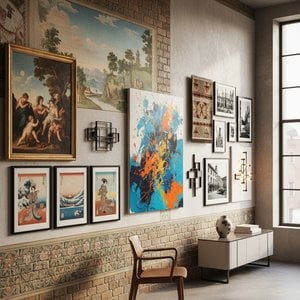
Transforming Spaces: A Comprehensive Exploration of Wall Decor Through Art History & Contemporary Practice
Explore the art of transforming spaces with our comprehensive guide to wall decor. From historical movements to contemporary trends, discover how to curate impactful interiors and commission bespoke artwork for a truly personalized aesthetic.

Giclée Prints: Archival Quality & Aesthetic Nuances for the Discerning Collector
Explore the world of giclée prints with ArtsDot. Learn about archival quality, aesthetic nuances & investment potential. Expert guidance for discerning art collectors seeking museum-quality reproductions and lasting value.