


 Pregledaj u prostoru
 Podeli
 Podeli
 Detalji
 Vodič
Vodič

 Preuzmi sliku
 Slični predmeti
 Rendgenski snimak
 Automatska prezentacija
 Statistika
Chimera


 Pročitaj više
Giclee štampa / Umetnički otisak
Giclée štampa ili print na platnu muzejskog kvaliteta uz brzu izradu i raznovrsne opcije završne obrade. ( Naručite ručno oslikano reprodukciju Pređi na prodaju digitalnih slika)




P118B дин10

P118H дин10

P118W дин10

P438Z дин10

P508JH дин12

P508YH дин12

P805H дин10

P805Z дин10

P919BZ дин10

P919G дин10

P919XJ дин10

P959ZH дин10

P968JZ дин12

W106C дин8

W218G дин10

W218JH дин8

W218Y дин10

W307PJ дин10

W316G дин10

W316PJ дин8

W316Y дин10

W398PJ дин8

W4111J дин10

W500HY дин15

W500JH дин15

W692G дин12

W849H дин8

W940BG дин15

W953PJ дин8




Izaberite jednu od naših unapred definisanih veličina koje odgovaraju originalnim proporcijama umetničkog dela.

Unesite širinu i visinu koja vam je potrebna, kako bi se uklopili u vaš ram ili na vaš zid. Štampa se može samo iseći, nikada ne može biti veća od originalne slike, stoga format sa drugačijim proporcijama gubi deo slike. Poslaćemo vam digitalni prikaz radi potvrde pre nego što započnemo štampu. Slika prikazana na ovoj stranici ne pokazuje stvarni rez — to pokazuje samo digitalni prikaz.
Dostava širom sveta () za 2 nedelje umesto uobičajenih 4/5 nedelja. (21 октобар)

Besplatna ekspresna dostava širom sveta

Visokokvalitetno laneno platno

Sveobuhvatno osiguranje transporta

Garancija povraćaja carine i uvoznih dažbina

Garancija vernosti boja i autentičnosti pri reprodukciji

Politika povraćaja u roku od 100 dana (samo u slučaju nedostataka)

Garancija povrata 100% novca

Popust pri većoj količini
 Opcija sa staklom dostupna je samo za dimenzije manje od 110 cm

Chimera
Giclee štampa / Umetnički otisak
Veličina reprodukcije
-


Ukupna cena
дин 6355
A Vision of Mythic Hybridity: Exploring Gustave Moreau’s “Chimera”
Gustave Moreau's "Chimera," painted around 1884, stands as a cornerstone of Symbolist art—a movement that prioritized emotion and imagination over mere representation. More than just a depiction of fantastical beasts, it embodies the core tenets of Symbolism: an attempt to capture inner psychological states through evocative imagery rooted in mythology and folklore. This watercolor captures a scene brimming with otherworldly beauty and unsettling mystery, inviting viewers into a realm where dreams intertwine with primal fears.Subject Matter & Composition
The painting centers on two women positioned atop intertwined serpents—a motif prevalent throughout Symbolist art reflecting anxieties about feminine power and the duality of nature. One woman dominates the composition, radiating an aura of regal composure while simultaneously conveying vulnerability. Her wings suggest ascension, hinting at spiritual aspiration yet simultaneously anchoring her to earthly concerns. Beside her floats another figure, seemingly propelled upwards by unseen forces—a representation of ethereal grace and perhaps a yearning for transcendence. The inclusion of a bird perched prominently in the upper right corner reinforces this theme of flight and symbolizes freedom, albeit within a constricted space.Style & Technique: Symbolist Aesthetics
Moreau’s masterful technique exemplifies the Symbolist preoccupation with meticulous detail and luminous color palettes. Watercolor lends itself beautifully to capturing subtle gradations of tone and creating an atmospheric haze—essential for conveying mood and enhancing the painting's dreamlike quality. The artist employs a flattened perspective, characteristic of Symbolism, prioritizing expressive color over accurate spatial realism. Notice how Moreau utilizes blues and golds to establish a serene yet opulent backdrop, mirroring the ethereal luminescence of the figures themselves. The rock formations on either side serve as grounding elements, juxtaposed against the expansive sky—a deliberate contrast designed to heighten the painting’s emotional impact.Historical Context & Influences
“Chimera” emerged during a period of profound intellectual ferment in Paris—the Belle Époque—marked by burgeoning interest in psychoanalysis and spiritualism alongside a rejection of positivist dogma. Moreau drew inspiration from classical mythology, particularly tales of monstrous hybrids like the Chimera itself—a creature composed of lion, goat, and serpent—representing chaos and primal instinct. He was deeply influenced by Dante Alighieri’s *Inferno*, whose depiction of Hell as a landscape of tormented souls resonated powerfully with Symbolist artists seeking to explore the darker recesses of human consciousness.Symbolism & Emotional Resonance
Beyond its visual splendor, “Chimera” operates on multiple symbolic levels. The serpents represent temptation and duality—the feminine principle intertwined with destructive forces. The wings symbolize aspiration but also confinement—reflecting the struggle between desire and repression. The bird embodies freedom yet is trapped within the confines of the composition—underscoring the elusive nature of spiritual enlightenment. Ultimately, Moreau’s painting evokes a sense of unease mingled with wonder—a contemplation on the complexities of human experience and the enduring power of myth to illuminate our deepest fears and aspirations. It's a piece that lingers in the mind long after viewing, prompting reflection on themes of beauty, terror, and transcendence.Pitanja i odgovori
Od čega je izrađeno "Chimera" i u kom stilu?
U delu "Chimera", tehnika Acrylic On Canvas susreće pokret Symbolist Painting.
Koliki je intenzitet boja kod dela „Chimera”, Густав Море Ау?
„Chimera”, Густав Море Ау prikazuje Balanced intenzitet boja.
U kojoj godini je nastalo delo „Chimera”, Густав Море Ау?
„Chimera“ potiče iz 1884. Ovaj datum smešta delo u okviru karijere umetnika Густав Море Ау i njegove ere.
Srodna umetnička dela


Biografija umetnika
A Dream Weaver of Symbolism: The Life and Art of Gustave Moreau
Gustave Moreau, a name synonymous with the ethereal beauty and enigmatic depths of Symbolist painting, emerged from 19th-century Paris as a singular artistic voice. Born in April 6, 1826, into a bourgeois family—his father an architect and archivist—Moreau’s early life was steeped in intellectual curiosity and aesthetic sensibility. From a young age, he displayed a remarkable gift for drawing, nurtured through traditional academic training at the École des Beaux-Arts under figures like François-Édouard Picot. However, Moreau's artistic path would diverge sharply from the prevailing Realist and Impressionist currents of his time. He wasn’t interested in capturing fleeting moments or objective reality; instead, he sought to unlock the hidden realms of myth, religion, and the human psyche through a deeply personal and symbolic visual language. His journey was one of inward exploration, translating subjective emotions and spiritual yearnings onto canvas with an obsessive attention to detail and a vibrant, often opulent palette.The Forge of Imagination: Influences and Artistic Development
Moreau’s artistic development wasn't born in a vacuum. While rejecting the dominant trends of his era, he drew inspiration from diverse sources. The dramatic use of color and exotic subject matter found in the works of Eugène Delacroix ignited a passion for narrative painting imbued with emotional intensity—a fascination that would shape many of his early compositions. He held Renaissance masters like Michelangelo and Leonardo da Vinci in high esteem, admiring their mastery of composition, anatomy, and psychological insight; figures whose monumental sculptures and paintings profoundly impacted his artistic sensibilities. Yet, Moreau wasn’t merely imitating these artists; he was synthesizing their influences into something entirely new. His formative years were spent absorbing the art of antiquity and the Renaissance, meticulously copying Old Master paintings—not as an exercise in mere replication, but as a means of immersing himself in their techniques and unlocking their secrets. This dedication to craft, combined with his burgeoning interest in mythology and literature, laid the foundation for his unique artistic vision. He diligently studied the works of Dante Alighieri and Friedrich Nietzsche, whose philosophical ideas resonated deeply with his own spiritual quest.A World of Symbols: Themes and Techniques
Moreau’s paintings are not simply illustrations of myths or biblical stories; they are complex allegories that invite contemplation and interpretation. He delved into narratives like those of Salome, Orpheus, Jupiter and Semele, exploring their underlying psychological and spiritual truths—truths far beyond the surface appearance of the tales themselves. His canvases teem with symbolic imagery—serpents representing temptation, jewels signifying earthly desires, and figures embodying abstract concepts like grief, loss, or redemption. He masterfully created a dreamlike atmosphere through intricate detail, rich textures, and an unsettling juxtaposition of light and shadow; techniques honed during his extensive travels to Italy where he encountered the grandeur of Roman ruins and the artistic fervor of Florentine Renaissance studios. Moreau’s technique was characterized by meticulous layering of paint—a painstaking process that resulted in surfaces shimmering with iridescent colors and evoking a sense of otherworldly beauty. He prioritized expressive power over realistic representation, focusing on color and form to convey mood and meaning—a deliberate departure from the prevailing Impressionist preoccupation with capturing fleeting visual sensations.Notable Works
- Salome Dancing before Herod: Perhaps his most iconic work, this painting exemplifies Moreau’s opulent style and fascination with biblical narratives; its unsettling gaze and dramatic lighting continue to captivate viewers today.
- Jupiter and Semele: A monumental depiction of Greek mythology showcasing Moreau's mastery of composition and color—a testament to his ambition and artistic prowess.
- Orpheus: Several paintings by Moreau explore the myth of Orpheus, reflecting themes of loss, grief, and artistic inspiration; these works demonstrate his profound understanding of human emotion.
- The Apparition: Demonstrrates Moreau’s skill in creating ethereal and otherworldly scenes—a hallmark of his Symbolist style.
- Desdemona: A poignant portrayal of Shakespeare's tragic heroine, imbued with psychological depth and emotional resonance.
Legacy and Influence: The Enduring Power of Symbolism
Though initially met with mixed reactions from the Parisian art establishment, Moreau gradually gained recognition as a pivotal figure in the burgeoning Symbolist movement during the 1890s—a movement that championed imagination, subjectivity, and artistic freedom. Unlike many of his contemporaries who actively sought public acclaim, he remained somewhat reclusive, preferring to work independently and avoid artistic controversies; prioritizing artistic integrity above social prestige. Nevertheless, Moreau’s influence extended far beyond his immediate circle. He accepted a professorship at the École des Beaux-Arts in 1893, where he profoundly impacted generations of artists—including Henri Matisse and Georges Rouault—inspiring them to embrace Symbolist principles and forge their own distinctive artistic paths. His unwavering belief in the transformative power of art—coupled with his meticulous craftsmanship and profound understanding of mythology—established him as a towering presence in the history of modern art. Gustave Moreau died April 18, 1898, leaving behind an unparalleled body of work that continues to inspire artists and scholars alike—a legacy enshrined in the Musée Gustave Moreau, established in his former studio and home in Paris—where visitors can immerse themselves in the captivating world of this extraordinary artist.
Густав Море Ау
1826 - 1898 , Француска
Brzi pregled
- Artistic Movement Or Style: Симболизам
- Artists Or Movements Influenced By This Artist:
- Хенри Матисс
- Жорж Роуолт
- Artists Who Influenced This Artist:
- Евгење Делакроа
- Микеланђело
- Леонардо да Винчи
- Date Of Birth: Април 6, 1826
- Date Of Death: Април 18, 1898
- Full Name: Gustave Moreau
- Nationality: Француски
- Notable Artworks:
- Саломе Джижући Предо Herod
- Юпитер И Семеле
- Орфейс
- Априцитион
- Десдемона
- Place Of Birth: Париз, Француска
Srodni članci
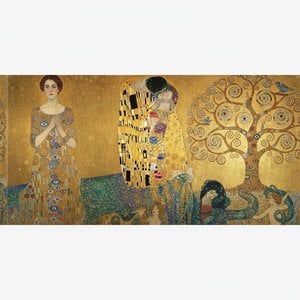
Gustav Klimt: 25 Remek-Dela Koje Očaravaju Svet – Reprodukcije za Vaš Dom
Uronite u svet Gustava Klimta! Otkrijte 25 remek-dela bečkog secesiona, od 'Poljupca' do portreta Adele Bloch-Bauer. Reprodukcije slika vrhunskog kvaliteta za luksuzni enterijer – inspiracija i dekoracija na ArtsDot.com.

Ephemeral Visions: Exploring the Artistic Legacy & Contemporary Practice of Watercolor Painting
Explore the captivating world of watercolor painting! Discover its rich history, essential techniques, influential artists & collecting tips. A comprehensive guide for art enthusiasts from ArtsDot.

Watercolor Wonders: 10 Masterpieces That Redefined Art History | ArtsDot
Journey through 10 legendary watercolor masterpieces by Sargent, Turner & Homer! Explore iconic landscapes, portraits & floral art that redefined history. Find museum-quality reproductions and curated decor ideas at ArtsDot.com.

Gustave Moreau: Symbolism's Enigmatic Visionary & Precursors of Modern Fantasy Art
Explore the captivating world of Gustave Moreau, the leading Symbolist painter. Discover his iconic masterpieces, influences, and lasting legacy. Expert analysis for collectors & art enthusiasts.

Ephemeral Visions: Exploring the History & Emotional Resonance of Watercolor Painting
Explore the captivating history of watercolor painting, from ancient techniques to modern masters like Kandinsky & Blake. Discover essential artists, collecting tips & the emotional power of this luminous medium. Expert insights for art enthusiasts.


