


 Pregledaj u prostoru
 Podeli
 Podeli
 Detalji
 Vodič
Vodič

 Preuzmi sliku
 Slični predmeti
 Rendgenski snimak
 Automatska prezentacija
 Statistika
Spring


 Pročitaj više
Giclee štampa / Umetnički otisak
Giclée štampa ili print na platnu muzejskog kvaliteta uz brzu izradu i raznovrsne opcije završne obrade. ( Naručite ručno oslikano reprodukciju Pređi na prodaju digitalnih slika)




































Izaberite jednu od naših unapred definisanih veličina koje odgovaraju originalnim proporcijama umetničkog dela.

Možete uneti sopstvene dimenzije kako biste umetničko delo prilagodili specifičnom okviru ili prostoru. Ako odabrani format ne odgovara proporcijama originalne slike, mi ćemo ili iscrtati deo dela ili proširiti sliku pomoću ogledane ivice ili jednobojnog popunjavanja. Digitalni prikaz će vam biti poslat na odobrenje pre početka proizvodnje.
Imajte na umu da pregled na ekranu ne odražava stvarno iscrtavanje ili proširivanje. Samo će prikaz (mockup) precizno pokazati finalnu kompoziciju.
Iako su prilagođene dimenzije dostupne, preporučujemo da odaberete dimenziju sa unapred definisane liste kako biste očuvali originalne proporcije.
Dostava širom sveta () za 2 nedelje umesto uobičajenih 4/5 nedelja. (10 октобар)

Besplatna ekspresna dostava širom sveta

Visokokvalitetno laneno platno

Sveobuhvatno osiguranje transporta

Garancija povraćaja carine i uvoznih dažbina

Garancija vernosti boja i autentičnosti pri reprodukciji

Politika povraćaja u roku od 100 dana (samo u slučaju nedostataka)

Garancija povrata 100% novca

Popust pri većoj količini
 Opcija sa staklom dostupna je samo za dimenzije manje od 110 cm

Spring
Giclee štampa / Umetnički otisak
Veličina reprodukcije
-


Ukupna cena
дин 6259
A Blossoming Reverie: Gustave Loiseau's "Spring"
Step into a world of vibrant renewal with Gustave Loiseau’s captivating painting, “Spring.” This work, created around 1920, offers a delightful glimpse into the heart of springtime, portraying a majestic tree bursting with blossoms set against the backdrop of what appears to be a castle or grand estate. The scene is further enriched by a lush grassy area and the presence of other trees, creating a layered landscape teeming with life. A scattering of birds adds a touch of movement and joy, perfectly capturing the lively atmosphere of the season. This isn't merely a depiction of nature; it’s an invitation to experience its invigorating energy.Post-Impressionist Technique & Style
Loiseau, a prominent figure in the Post-Impressionist movement, masterfully employs a style that bridges Impressionism and Fauvism. While rooted in capturing fleeting moments like his Impressionist predecessors, Loiseau moves beyond purely optical representation. Notice how he uses distinct brushstrokes and vibrant color to convey not just what he *sees*, but also the feeling of spring—its warmth, its exuberance, and its promise of new beginnings. Although research doesn't specify a particular technique used in this piece, Loiseau was known for experimenting with pointillism and developing a unique cross-hatching style evident in other works like "Flowering Orchard, Spring." This suggests a potential application of similar textural approaches here to build depth and visual interest within the foliage.Historical Context & Artistic Influences
The 1920s were a period of significant artistic experimentation following World War I. Loiseau’s work reflects this era's desire for optimism and beauty after years of hardship. His landscapes, often depicting rural scenes or the outskirts of Paris, offered a respite from the anxieties of urban life. He was influenced by artists like Camille Pissarro and Georges Seurat, evident in his exploration of color theory and broken brushwork. The painting’s focus on nature aligns with a broader trend among Post-Impressionists who sought to explore the emotional and symbolic potential of the natural world, moving away from purely representational art.Symbolism & Emotional Resonance
Beyond its aesthetic appeal, "Spring" carries rich symbolism. The blossoming tree is an age-old symbol of rebirth, renewal, and hope—perfectly embodying the spirit of spring. The presence of a castle or stately building suggests themes of permanence and tradition juxtaposed with the transient beauty of nature. The birds in flight symbolize freedom and joy. Overall, the painting evokes feelings of tranquility, optimism, and a deep appreciation for the simple pleasures of life. It’s an artwork designed to uplift the spirit and bring a sense of serenity to any space.Pitanja i odgovori
Ko je kreirao "Spring"?
Delo "Spring" pripisuje se umetniku Густав Лоизоу.
Koliki je intenzitet boja kod dela „Spring”, Густав Лоизоу?
„Spring”, Густав Лоизоу prikazuje Balanced intenzitet boja.
U kojoj fazi karijere Густав Лоизоу pripada delo "Spring", s obzirom na njegov datum nastanka?
"Spring", nastalo 1920. godine, pripada Mature Period u karijeri umetnika Густав Лоизоу.
U kojim godinama je Густав Лоизоу stvorio/la "Spring"?
Kada je delo "Spring" nastalo 1920. godine, Густав Лоизоу – rođen/a 1865. godine – imao/la je 55 godina.
Kada je "Spring" nastalo?
Delo „Spring”, Густав Лоизоу nastalo je 1920.
Koliko je izražen kontrast u delu „Spring”, Густав Лоизоу?
„Spring”, Густав Лоизоу prikazuje Serene kontrast između svojih svetlih i tamnih delova.
Kolika je zasićenost boja u delu „Spring”, Густав Лоизоу?
„Spring”, Густав Лоизоу je zabeležen sa Balanced Soft zasićenjem.
Srodna umetnička dela


Biografija umetnika
A Parisian Vision: The Life and Art of Gustave Loiseau
Gustave Loiseau, a name perhaps less immediately recognized than some of his Post-Impressionist contemporaries, nevertheless occupies a significant place in the story of French painting at the turn of the 20th century. Born in Paris on October 3rd, 1865, and passing away there on October 10th, 1935, Loiseau’s life was deeply intertwined with the evolving artistic landscape of his city and the broader currents of modernism. His journey began not within the hallowed halls of an art academy—though he briefly attended the École des arts décoratifs—but amidst the practical world of his parents' butcher shop. This early exposure to everyday Parisian life, coupled with a subsequent apprenticeship with a family friend who was a decorator, would profoundly shape his artistic sensibilities. It instilled in him a keen observation of the city’s rhythms and textures, a fascination that would become central to his oeuvre. A modest inheritance from his grandmother proved pivotal, allowing Loiseau to dedicate himself fully to painting in 1887, though his formal training was cut short by a disagreement with a teacher—a testament to his independent spirit.From Brittany to ‘En Treillis’: The Development of a Unique Style
Loiseau’s artistic development wasn't immediate or straightforward. He initially experimented with Pointillism, the meticulous technique championed by Georges Seurat and Paul Signac, attempting to capture light and color through tiny dots of pigment—a method that seemed too restrictive for his burgeoning vision. However, he swiftly abandoned this approach, recognizing its inability to convey the emotional depth he sought. A transformative encounter occurred during his first visit to Pont-Aven in Brittany in 1890. This artist colony, already celebrated as a sanctuary for those rejecting academic conventions—particularly Paul Gauguin and Émile Bernard—presented Loiseau with fresh perspectives on color, form, and the expressive potential of landscape. He didn’t simply emulate their stylistic choices; instead, he embarked upon forging his own distinctive path. This pivotal decision led to the genesis of *en treillis*, or cross-hatching—a technique that would become synonymous with his artistic identity. Unlike the fractured brushstrokes characteristic of Impressionism or the systematic application of dots found in Pointillism, Loiseau utilized a network of delicate, interwoven lines to sculpt form and capture the subtleties of light and atmosphere. This resulted in a textural richness unparalleled in Impressionist painting—a shimmering effect that distinguished him from his peers. It wasn’t born from theoretical contemplation but from an intuitive grasp of how to translate sensory experience onto canvas.Parisian Streets and Rural Landscapes: Recurring Themes
Loiseau's artistic focus consistently centered around two dominant motifs: the vibrant streets of Paris and the tranquil vistas of Brittany’s countryside. His Parisian scenes—such as *Rue de Clignancourt* and *Avenue de Fiedland*—were not grand panoramas but intimate portraits of urban life. He meticulously rendered the movement of carriages, the bustle of pedestrians, and the dappled illumination filtering through buildings—with remarkable sensitivity to detail. Simultaneously, he developed a series of landscapes that revisited familiar subjects—orchards, gardens, fields—at various seasons and under diverse meteorological conditions. These compositions echoed Monet’s exploration of atmospheric phenomena but Loiseau's *en treillis* technique imbued them with an unparalleled textural quality—a palpable sense of presence that transcended mere visual representation. He wasn’t merely documenting what he perceived; he was conveying his emotional response to the environment, capturing its inherent beauty and serenity. His paintings radiate a quiet lyricism—a celebration of the commonplace elevated through artistic vision.Influences and Artistic Legacy
Loiseau's artistic trajectory was profoundly shaped by several influential figures and movements. Early exposure to Impressionism instilled in him an appreciation for capturing fleeting moments of light and color, mirroring Monet’s groundbreaking explorations of atmospheric effects. However, he swiftly distanced himself from Impressionistic fragmentation, recognizing its limitations in conveying emotional resonance. The Pont-Aven artist colony—populated by Gauguin, Bernard, and Quignon—provided Loiseau with invaluable inspiration regarding color palettes and compositional strategies. Crucially, his embrace of *en treillis* represented a decisive break from prevailing artistic conventions—a technique championed by Seurat and Signac that prioritized scientific precision over expressive spontaneity. Despite not achieving the widespread acclaim enjoyed by some contemporaries, Loiseau’s work gained recognition from discerning critics and collectors alike—secured through exhibitions at prestigious venues like the Salon des Indépendants and the Société Nationale. Today, Loiseau's paintings are increasingly appreciated for their distinctive style, their evocative atmosphere, and their astute portrayal of French life during a period of significant societal transformation. He stands as an emblem of artistic independence—an artist who remained steadfast to his own aesthetic convictions while engaging with the evolving currents of modernism.Notable Works
Loiseau’s oeuvre comprises numerous captivating canvases that exemplify his signature technique and thematic preoccupations. Among his most celebrated paintings are *Rue de Clignancourt*, capturing the dynamism of Parisian commerce; *Avenue de Fiedland*, portraying a serene urban vista bathed in sunlight; *Overcast Weather...*, depicting Brittany's moody skies with masterful tonal gradation; *Etretat*, showcasing the dramatic cliffs and sea spray of Normandy; and *Field and Hills*, presenting tranquil rural landscapes imbued with subtle textural nuances. These artworks serve as enduring testament to Loiseau’s artistic genius—a profound engagement with both urban and pastoral environments, rendered with unparalleled sensitivity to light and atmosphere. His legacy resides not in overturning artistic dogma but in refining it—offering a uniquely personal and captivating perspective on the world around him.
Густав Лоизоу
1865 - 1935 , Француска
Brzi pregled
- Artistic Movement Or Style: Постимпрезионизам
- Artists Or Movements Influenced By This Artist: ['Клод Моне']
- Date Of Birth: Октобар 3, 1865.
- Date Of Death: Октобар 10, 1935.
- Full Name: Gustave Loiseau
- Nationality: Француски
- Notable Artworks:
- Улица Клињанкор”, “Авеню де Фиелланд”, “Прекооблачно време…”], "Artists who influenced this artist": [
- Пол Гоген”, “Емил Бернар
- Place Of Birth: Париз, Француска
Srodni članci

Paul Cézanne: 25 Remek-dela Revolucionarnog Umjetnika | ArtsDot
Istražite 25 remek-dela Paula Cézanna, revolucionarnog slikara impresionizma i postimpresionizma. Otkrijte priče iza ikoničnih pejzaža, portreta i mrtve prirode. Kupite luksuzne reprodukcije slika na ArtsDot.com!

Gustave Loiseau: Capturing the Ephemeral Light of French Landscapes
Explore the captivating landscapes of Gustave Loiseau, a key Post-Impressionist painter. Discover his unique 'en treillis' technique and artistic legacy with our comprehensive guide.
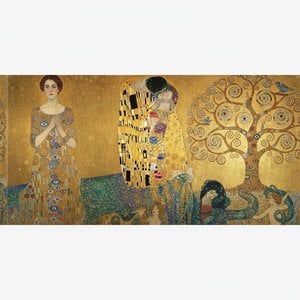
Gustav Klimt: 25 Remek-Dela Koje Očaravaju Svet – Reprodukcije za Vaš Dom
Uronite u svet Gustava Klimta! Otkrijte 25 remek-dela bečkog secesiona, od 'Poljupca' do portreta Adele Bloch-Bauer. Reprodukcije slika vrhunskog kvaliteta za luksuzni enterijer – inspiracija i dekoracija na ArtsDot.com.

Evocations of Place: A Historical Journey Through Landscape Art
Explore the rich history of landscape art with ArtsDot. Discover renowned artists, movements like Impressionism & tonalism, and expert guidance for collecting timeless pieces. Find your perfect serene escape today!

Evocations of Place: A Historical Journey Through Landscape Art
Explore the rich history of landscape art with ArtsDot. Discover renowned artists, movements like Impressionism & Romanticism, and expert guidance for collecting timeless pieces. Find your perfect serene escape today!