

 Pregledaj u prostoru
 Pošalji
 Podeli
 Detalji o delu
 Vodič
Vodič

 Preuzmi
 Slični predmeti
 Rendgenski snimak
 Automatska prezentacija
 Pitanja i odgovori
 Statistika
Page with figured initial M

- 61.0 x 40.0 cm


 Pročitaj više
Umetničko delo prikazano na ovoj stranici zaštićeno je autorskim pravima, što znači da zakonski nismo u mogućnosti da kreiramo niti prodajemo identičnu reprodukciju. Ova zaštita se sprovodi u skladu sa međunarodnim sporazumima kao što su Bernska konvencija i nacionalnim zakonima, uključujući i one koji su definisani u Američki zakon o autorskom pravu – Naslov 17.
Ovaj metod je u potpunosti usklađen sa regulativama o autorskim pravima jer ne podrazumeva kopiranje ili dupliranje zaštićenih umetničkih dela. Umesto toga, reč je o kreativnoj reinterpretaciji – novom slikarskom delu koje je inspirisano originalom, ali nije identično njemu.
Giclee štampa / Umetnički otisak
Giclée štampa ili print na platnu muzejskog kvaliteta uz brzu izradu i raznovrsne opcije završne obrade. ( Kupite ručno oslikano delo Pređi na digitalnu sliku)




































Izaberite jednu od naših unapred definisanih veličina koje odgovaraju originalnim proporcijama umetničkog dela.

Unesite željenu širinu i visinu kako bi se štampa uklopila u vaš ram ili zid. Štampu je moguće samo iseći, ali nikada povećati iznad dimenzija originalne slike, stoga format sa drugačijim proporcijama uzrokuje gubitak dela slike. Pre početka štampe, poslaćemo vam digitalni prikaz radi potvrde. Slika prikazana na ovoj stranici ne predstavlja stvarni isrez — to pokazuje samo digitalni prikaz.
Dostava širom sveta () za 2 nedelje umesto uobičajenih 4/5 nedelja. (5 новембар)

Besplatna ekspresna dostava širom sveta

Visokokvalitetno laneno platno

Potpuno osiguranje transporta

Garancija povraćaja carine i uvoznih dažbina

Garancija vernosti boja

Politika povraćaja u roku od 100 dana (samo u slučaju nedostataka)

Garancija povrata 100% novca

Popust na više proizvoda
 Opcija sa staklom dostupna je samo za dimenzije manje od 110 cm

Page with figured initial M
Giclee štampa / Umetnički otisak
Dimenzije reprodukcije
-


Ukupna cena
дин 6575
Srodna umetnička dela


Biografija umetnika
A Luminary of the Lombard Gothic: Guiniforte da Vicomerchato
Guiniforte da Vimercate, a name resonating softly through the annals of 15th-century Italian art, represents a fascinating intersection of meticulous craftsmanship and devout artistic expression. Active primarily during a period of transition, he stands as a compelling figure bridging the late Gothic traditions with the burgeoning Renaissance aesthetic. While not widely celebrated in mainstream historical narratives, Guiniforte’s legacy is profoundly etched within the exquisite details of manuscript illumination, specifically his contributions to the Olivetan monastic order. Born in Vimercate, Italy, the precise dates of his birth and death remain elusive, yet his work speaks volumes about a life dedicated to embellishing sacred texts with unparalleled artistry. He wasn't merely a copyist or decorator; Guiniforte was a member of a family steeped in the profession of pen flourishing—a lineage that instilled within him not just technical skill but also an understanding of the symbolic weight carried by each stroke and flourish.Illuminating Faith: The Olivetan Anthem Books
Guiniforte’s most significant association lies with the Olivetan monastery, a religious community renowned for its liturgical music and devotion to elaborate choral performances. He is principally known for his work on two anthem books – designated ‘L’ and ‘M-N’—commissioned by this order. These were not simply functional texts; they were intended as objects of beauty, designed to elevate the spiritual experience during worship. The artistry within these volumes reflects a deep understanding of Gothic aesthetics: vibrant reds and blues dominate, often paired with an opulent use of gold leaf. This wasn't merely decorative excess; gold symbolized divine light and served to highlight key passages and intricate initial letters. Guiniforte’s skill lay in his ability to integrate complex figural scenes within these illuminated spaces, creating a harmonious blend of text and image. The marginal friezes are particularly noteworthy—delicate arrangements of foliage, animals, and miniature figures that seem to dance around the sacred words. His work on the ‘Diurnal gradual for all the time of the year’ and the ‘Common Office of the Saints’ further demonstrates his versatility and dedication to monastic patronage.Technique and Style: A Family Tradition Refined
The artistic style of Guiniforte da Vicomerchato is deeply rooted in the Gothic tradition, characterized by its emphasis on elegant line work, rich color palettes, and intricate detailing. However, he wasn’t simply replicating existing forms; his work reveals a subtle evolution within this established framework. The influence of his family's profession as pen flourishers is readily apparent—a mastery of calligraphy and decorative motifs permeates his illuminations. He possessed an exceptional ability to create depth and dimension through layering colors and employing delicate shading techniques. While the use of gold leaf was common in Gothic manuscript illumination, Guiniforte’s application stands out for its precision and luminosity. He wasn't afraid to experiment with different textures and patterns within the gold itself, creating a shimmering effect that draws the eye and enhances the overall visual impact. His frieze initial designs are particularly celebrated—complex arrangements of figures and foliage that showcase his technical prowess and artistic imagination.Historical Context: A Lombard Workshop in Transition
To understand Guiniforte’s significance, it's crucial to consider the broader historical context of 15th-century Lombardy. This region was undergoing a period of significant change—the rise of powerful ducal families like the Sforza and the increasing influence of Renaissance ideals from Florence and other Italian centers. While many artists embraced these new styles, Guiniforte remained firmly rooted in the Gothic tradition. However, this doesn’t mean he was resistant to innovation; rather, his work represents a conscious effort to preserve and refine existing artistic practices within a changing landscape. It's important to note that there is some confusion regarding the artist's identity due to the existence of another figure named Guiniforte Solari, an architect and sculptor active in Milan during the same period. While both artists shared a common name and geographical location, their respective fields of expertise were distinct—Guiniforte da Vicomerchato focused on manuscript illumination, while Guiniforte Solari was primarily involved in architectural projects.Legacy: Preserving Beauty for Future Generations
Although not as widely recognized as some of his contemporaries, Guiniforte da Vicomerchato’s legacy endures through the surviving examples of his exquisite manuscript work. His illuminations offer a rare glimpse into the artistic practices and devotional sensibilities of 15th-century Italy. The meticulous craftsmanship and vibrant colors continue to captivate viewers today, serving as a testament to his skill and dedication. His association with the Olivetan monastery highlights the importance of monastic patronage in supporting artistic production during this period. Furthermore, his work provides valuable insights into the evolution of Gothic illumination—a subtle yet significant refinement of existing forms within a changing cultural landscape. Guiniforte da Vicomerchato’s contributions remind us that artistic innovation isn't always about radical departures from tradition; sometimes, it lies in the masterful preservation and enhancement of established practices. His work continues to inspire art historians, collectors, and enthusiasts alike—a luminary of the Lombard Gothic whose artistry deserves continued recognition.
Osnovne informacije
- Full Name: Guiniforte da Vicomerchato
- Nationality: Italian
- Place Of Birth: Vimercate, Italy
- Notable Artworks:
- Olivetan Anthem book 'L'
- Olivetan Anthem book 'M-N'
- Diurnal gradual
- Common Office of Saints
- Artistic Movement Or Style: Manuscript Illumination
Povezani članci
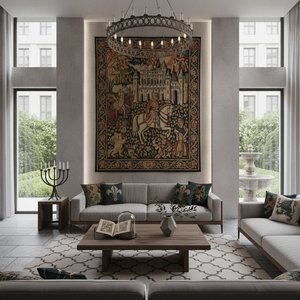
Timeless Elegance: How to Integrate High Medieval Art into Your Modern Interior Design
Discover how to infuse your modern home with the divine light of High Medieval art. From gilded illuminated manuscripts to Gothic-inspired textures, learn expert tips for integrating timeless elegance and historical grandeur into contemporary interior design.

Leonardo da Vinci: 25 Remek-dela Genija za Vaš Dom | ArtsDot
Istražite 25 remek-dela Leonarda da Vince, od Mona Lize do Poslednje večere. Otkrijte priče iza slika renesanse i inspiraciju za dekoraciju enterijera. Kvalitetne reprodukcije na ArtsDot.com!

The Radiant Dusk of Medieval Vision: Exploring Late Gothic Art's Synthesis of Faith, Form & Emotionality (c. 1300-1500)
Explore the exquisite beauty & spiritual depth of Late Gothic art (c. 1300-1500). Discover key artists, symbolism, and its lasting influence on the Renaissance. Expert insights at ArtsDot.

Illuminating Faith & Power: A Journey Through Medieval Art (c. 500 – c. 1500)
Explore the rich history of Medieval Art (c. 500 – c. 1500) with ArtsDot. Discover Byzantine mosaics, Gothic cathedrals & Renaissance masterpieces. Expert insights & museum-quality reproductions.

High Medieval Art: 10 Masterpieces That Shaped an Era | ArtsDot
Journey through High Medieval Art! Explore 10 iconic masterpieces – from Giotto's frescoes to stunning Gothic cathedrals. Discover the stories behind these timeless paintings, sculptures & illuminated manuscripts. Find museum-quality art reproductions at ArtsDot.com.