


 Pregledaj u prostoru
 Podeli
 Podeli
 Detalji
 Vodič
Vodič

 Preuzmi sliku
 Slični predmeti
 Rendgenski snimak
 Automatska prezentacija
 Statistika
Humility


 Pročitaj više
Ručno rađena uljana reprodukcija
Ručno oslikano uljanim bojama na platnu u dimenzijama i okviru po vašem izboru, izrađeno po porudžbini od strane naših umetnika. ( Pređi na prodaju štampanih primeraka Pređi na prodaju digitalnih slika)




































Izaberite jednu od naših unapred definisanih veličina koje odgovaraju originalnim proporcijama umetničkog dela.

Možete uneti sopstvene dimenzije kako biste prilagodili umetničko delo određenom okviru ili prostoru. Ako odabrana veličina ne odgovara proporcijama originala, slika će biti isečena ili proširena dodatnim elementima koji se ručno oslikavaju. Digitalni prikaz će vam biti poslat na odobrenje pre početka proizvodnje.
Imajte na umu da pregled na ekranu ne odražava stvarno prisecanje ili proširenje. Samo mockup će precizno prikazati konačnu kompoziciju.
Iako su dostupne prilagođene veličine, preporučujemo da izaberete dimenziju iz unapred definisane liste kako biste sačuvali originalne proporcije.
Nakon narudžbine, tim ArtsDot.com će klijentu putem e-pošte poslati uputstva i dostaviti prikaz predloženog rešenja
Svetska isporuka () za 3/4 nedelje umesto uobičajenih 5 nedelja. (21 септембар). Bez kompromisa po pitanju kvaliteta.

Besplatna ekspresna dostava širom sveta

Visokokvalitetno laneno platno

Sveobuhvatno osiguranje transporta

Garancija povraćaja carine i uvoznih dažbina

Garancija vernosti boja i autentičnosti pri reprodukciji

Politika povraćaja u roku od 100 dana (samo u slučaju nedostataka)

Garancija povrata 100% novca

Popust pri većoj količini
 Opcija sa staklom dostupna je samo za dimenzije manje od 110 cm

Humility
Tehnika izrade reprodukcije
Veličina reprodukcije
-


Ukupna cena
$ 288
Srodna umetnička dela


Biografija umetnika
The Meteor in the Sicilian Sky
In the golden, sun-drenched landscape of seventeenth-century Sicily, a singular brilliance emerged that would forever alter the texture of Baroque ornamentation. Rudolf Wittkower famously christened Giacomo Serpotta as a “meteor in the Sicilian sky,” a metaphor that perfectly captures the sudden, dazzling impact of an artist who rose from provincial roots to achieve a level of mastery rarely seen in the history of sculpture. Born in Palermo in 1656, Serpotta did not seek the grand stages of Rome or Florence; instead, he remained anchored to his native island, transforming its churches and oratories into ethereal realms of white, luminous splendor. While the great masters of his era were preoccupied with the heavy permanence of marble, Serpotta found his voice in a far more humble medium: stucco.
Serpotta’s life was deeply intertwined with the very material he mastered. Born into a family of artisans, he learned the rhythm of the workshop from a young age, absorbing the secrets of gypsum and lime. This intimate connection to his craft allowed him to perform what many described as alchemy—turning wet, malleable plaster into scenes of such lifelike vitality that they seemed to breathe within the stone. His early career was marked by collaborations, most notably with Procopio de Ferrari in the decoration of the Chiesa della Madonna dell'Itria in Monreale. However, it was his ability to move beyond mere architectural ornament to create entire, self-contained dramatic worlds that truly set him apart.
A Mastery of Motion and Light
The genius of Serpotta lay in his profound understanding of spatial illusion and the emotive power of light. Unlike the rigid structures of classical sculpture, Serpotta’s work possessed a florid elegance and a sense of weightless movement. He utilized the unique properties of stucco to create deep undercuts and delicate, fluttering drapery that caught the shifting Sicilian sunlight, creating a dance of shadows across the walls of Palermo's most sacred spaces. His compositions were often teeming with life—a profusion of putti, graceful figures, and intricate floral motifs that seemed to erupt from the very architecture itself.
His technical achievements reached breathtaking heights in projects such as the Oratory of San Lorenzo and the Oratory of Santa Cita. In the latter, he achieved a feat of narrative complexity by depicting a massive naval battle, inspired by the Battle of Lepanto, all rendered in the delicate medium of plaster. To witness his work is to experience a sense of organized chaos; the walls appear to quiver with the movement of a crowd, yet every figure is placed with an intuitive sense of balance and grace. This ability to blend the monumental with the minute—to make a heavy wall feel as light as lace—is the hallmark of his unparalleled skill.
Legacy of the Stucco Master
Serpotta’s influence was not merely individual but familial, as he spearheaded a prolific artistic enterprise alongside his brother Giuseppe and his son Procopio. Together, they established a studio that became the heartbeat of Sicilian Baroque decoration, leaving an indelible mark on the religious landscape of Palermo. Though some historians suggest he may have lacked direct exposure to the mainstream currents of the Roman Baroque, his work possesses a distinctive, localized energy that feels entirely original. He did not imitate the grandeur of Bernini; he reimagined it through a Sicilian lens, replacing marble's cold permanence with the radiant, ephemeral glow of white stucco.
The historical significance of Giacomo Serpotta extends far beyond the borders of Sicily. He represents a rare moment in art history where a provincial artist, working in isolation from the major artistic capitals, managed to create a style so potent and recognizable that it redefined the aesthetic of an entire region. His legacy remains etched in the very bones of Palermo’s oratories—a testament to a man who could take the simplest of materials and, through sheer vision, turn them into eternal masterpieces of light and motion.

Giacomo Serpotta
1656 - 1732 , Italy
Brzi pregled
- Artistic Movement Or Style: Rococo Stucco Sculpture
- Artists Or Movements Influenced By This Artist: ['Caravaggio']
- Artists Who Influenced This Artist: ['Antonio Raggi']
- Date Of Birth: 1656 Palermo Italy
- Date Of Death: 1732
- Full Name: Giacomo Serpotta
- Nationality: Italian
- Notable Artworks:
- Fortitude
- Humility
- Charity
- Place Of Birth: Palermo Sicily
Srodni članci
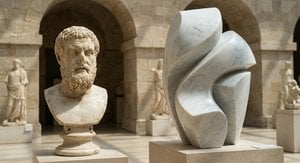
The Enduring Allure of Marble in Art History: From Classical Sculpture to Modern Abstraction
Explore the captivating history of marble sculpture from ancient Greece to modern art. Discover renowned artists like Canova & Michelangelo, carving techniques, and investment insights at ArtsDot.

The Enduring Form: Sculpture Across History, Technique & Emotional Resonance
Explore the rich history of sculpture with ArtsDot. Discover key techniques, influential artists & investment potential for discerning collectors. Expert insights into valuing and collecting timeless masterpieces.

Bronze Sculptures That Defined Art History | ArtsDot
Journey through art history with our Top 10 bronze sculptures! Explore masterpieces by Rodin, Michelangelo & more. Discover stories behind iconic statues and find museum-quality reproductions for your home decor at ArtsDot.com.

The Enduring Form: Exploring Themes & Techniques in Sculpture Across Historical Periods
Explore the rich history of sculpture from ancient masterpieces to contemporary innovations. Discover key techniques, influential artists & investment potential for discerning art collectors.

The Enduring Legacy of Marble: A Comprehensive Exploration of Technique, Symbolism & Artistic Expression
Explore the rich history of marble sculpture from antiquity to the Renaissance! Discover key techniques, influential artists & enduring themes in classical art. Expert insights for collectors and enthusiasts at ArtsDot.