


 Pregledaj u prostoru
 Podeli
 Podeli
 Detalji
 Vodič
Vodič

 Preuzmi sliku
 Slični predmeti
 Rendgenski snimak
 Automatska prezentacija
 Statistika
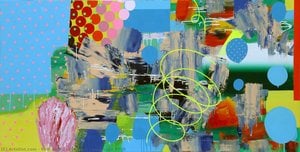
Kube
 Ulje na platnu
- Umetnost za zidove
- Abstract Expressionism
 1982
1982- Savremeno doba
 200.0 x 206.0 cm
 Pročitaj više
Umetničko delo prikazano na ovoj stranici zaštićeno je autorskim pravima, što znači da zakonski nismo u mogućnosti da kreiramo niti prodajemo identičnu reprodukciju. Ova zaštita se sprovodi u skladu sa međunarodnim sporazumima kao što su Bernska konvencija i nacionalnim zakonima, uključujući i one koji su definisani u Američki zakon o autorskom pravu – Naslov 17.
Kao poštovana i legalna alternativa, nudimo prilagođene, ručno oslikane umetničke radove inspirisane originalom. Naši stručni i profesionalni umetnici pažljivo proučavaju stil, ambijent i umetničku suštinu originala kako bi kreirali novo, unikatno delo koje budi istu emociju – ostajući pritom potpuno autentično stvaranje.
Ovaj metod je u potpunosti usklađen sa regulativama o autorskim pravima jer ne podrazumeva kopiranje ili dupliranje zaštićenih umetničkih dela. Umesto toga, reč je o kreativnoj reinterpretaciji – novom slikarskom delu koje je inspirisano originalom, ali nije identično njemu.
Ručno rađena uljana reprodukcija
Ručno oslikano uljanim bojama na platnu u dimenzijama i okviru po vašem izboru, izrađeno po porudžbini od strane naših umetnika. ( Pređi na prodaju štampanih primeraka Pređi na prodaju digitalnih slika)




P118B дин10

P118H дин10

P118W дин10

P438Z дин10

P508JH дин12

P508YH дин12

P805H дин10

P805Z дин10

P919BZ дин10

P919G дин10

P919XJ дин10

P959ZH дин10

P968JZ дин12

W106C дин8

W218G дин10

W218JH дин8

W218Y дин10

W307PJ дин10

W316G дин10

W316PJ дин8

W316Y дин10

W398PJ дин8

W4111J дин10

W500HY дин15

W500JH дин15

W692G дин12

W849H дин8

W940BG дин15

W953PJ дин8




Izaberite jednu od naših unapred definisanih veličina koje odgovaraju originalnim proporcijama umetničkog dela.

Unesite širinu i visinu koja vam je potrebna, kako bi se uklopili u vaš ram ili zid. Pošto je ovo ručno oslikano delo, umetnik može naslikati malo više prostora oko slike ili malo skratiti ivice za dimenzije drugačijeg oblika — izbor je na vama. Pre početka rada, poslaćemo vam digitalni prikaz radi potvrde. Slika prikazana na ovoj stranici ne predstavlja konačan rezultat — samo digitalni prikaz pokazuje stvarnu sliku.
Nakon narudžbine, tim ArtsDot.com će klijentu putem e-pošte poslati uputstva i dostaviti prikaz predloženog rešenja
Svetska isporuka () za 3/4 nedelje umesto uobičajenih 5 nedelja. (21 октобар). Bez kompromisa po pitanju kvaliteta.

Besplatna ekspresna dostava širom sveta

Visokokvalitetno laneno platno

Sveobuhvatno osiguranje transporta

Garancija povraćaja carine i uvoznih dažbina

Garancija vernosti boja i autentičnosti pri reprodukciji

Politika povraćaja u roku od 100 dana (samo u slučaju nedostataka)

Garancija povrata 100% novca

Popust pri većoj količini
 Opcija sa staklom dostupna je samo za dimenzije manje od 110 cm

Kube
Tehnika izrade reprodukcije
Veličina reprodukcije
-


Ukupna cena
дин 26957
A Symphony of Abstraction: Exploring Gerhard Richter’s “Clouds”
Gerhard Richter's 1982 masterpiece, "Clouds," je značajan rad u savremenoj umetnosti, koji odražava njegov ceo životni pohod prema granicama reprezentacije i abstrakcije. Ovo veliko platno није само образац *од* облаци; то је истрага о перцепцијама, чињењу виђења и самом приликом сликарства. То нас охрабрује да питамо шта очекујемо од пейзажа и уживамо у чистом визуелном искуству.Deconstructing Reality: Stil i Техника
“Clouds” примећује јединствени приступ Рихтера – мастерски мешање експресионизма са абстрактним елементима, са фин реалазмом. Платно од 200 x 206 цм је потопљено слојевима уља, нанетих снажним ударцима, гребењима и мрвљењем. Ово није прецизно представљање; то је *евокација* атмосфере. Техника – често описана као облик умекшег фотореализма повучен са своје абстрактне границе – ствара осећај дубине и кретања.- Импасто и слојеви: Рихтеров великопримерни прилагодба боја, видљива кроз текстуру импаста, додаје физичност и динамику.
- Бојна палета: Живописна игра плава, зелена, жута, црвена и портупена боја указује на динамичан небу, можда бура или осветљен променљивим светлом.
- Гестурална абстракција: Широки ударци и умекши облици нису случајни; они су пажљиво састављени да створе импресионијанско визуелно искуство.
Richterov уметнички пут и контекст
Gerhard Richter (рођен 1932) је немачки уметник чије каријере одређено су стилски преокрети и концептуална строгост. Појављујући се у пост-ратном периоду, он се борио са питањима историје, меморије и представљања. Његова дела често колебају између фотореалистичних слика – заснованих на фотографијама – и абстрактних композиција као што је “Clouds”. Ова двострука природа одражава његов скептицизам према фиксним значењима и жељу да се изазове уметнички конвенције. "Clouds" удобно стаје у овој осцилацији, играјући се нашег очекивања шта би требало да буде пейзаж. То је део низа облачних слика које је Рихтер створио, истражујући привремену приробу ових атмосферских формација.Симболизам и емоционална резонанса
Иако делује без експлицитног симболизма, “Clouds” резонатује са дубљим значењима. Амбиваленција унутар абстрактних облика омогућава појединачним интерпретацијама. Узбуђени облици могу да изазову осећај побуне, величине или чак сандука. Рихтеров намера није била *да* нас рекомндаје како да се осећамо, већ да створи искуство које омогућава личну везу и емоционални одзив.Legacy & Accessibility
“Clouds” је значајан рад у Рихтеровом опуту и модерној уметности. Изложени су на престижним институцијама као што су Tate Modern у Лондону, а тренутно се налази у колекцији Музеја савремене уметности (MoMA) у Њу Иорку, потврђујући свој значај.- За колекционаре: Поседовање дела које одражава Рихтерову иновативност је инвестиција у уметничку историју.
- За интерне дизајнере: Динамична композиција и боја “Clouds” могу да служе као задивљујући фокус у било ком савременом простору, додајући дубину и сложениност.
- Репродукције доступне су: Осетите есенцу Рихтерове генија са висококвалитетним ручно израђеним мастилним сликама доступним на ArtsDot.com.
Further Exploration
Дефинитивно истражите свет Рихтера и историју сликарства са ресурсима као што су Wikipedia’s History of Painting page. “Clouds” је више од само слике; то је позив да размислите о моћи абстракције, сложености перцепције и трајном наслеђу једног од најутицајнијих фигура савремене уметности.Pitanja i odgovori
Na koji način se stil dela "Kube" odnosi na εποhu njegovog tvorca?
U delu „Kube”, Георг Рихтер, umetnički pravac Abstract Expressionism susreće eru Moderna era.
Od čega je izrađeno "Kube" i u kom stilu?
„Kube”, Георг Рихтер spaja tehniku Ulje na platnu sa stilom Abstract Expressionism. Tehnika i pravac opisuju način izrade i stil dela.
Gde mogu da vidim prikaz za "Kube"?
Pregled dela „Kube”, Георг Рихтер dostupan je na stranici Pregled za prikaz umetničkog dela.
Srodna umetnička dela



Biografija umetnika
Život oblikovan podeljenosti: Rani år i umetničko formiranje Gerharda Rihtera
Riхterova priča neraskidivo je povezana sa razbijenom istorijom Nemačke 20. veka. Rođen u Diseldorfu 1932. godine, njegovo detinjstvo odvijalo se pod senkom uspona nacionalsosijalističkog režima. Ovaj formativni period, obeležen raseljavanjem – njegova porodica se nekoliko puta selila tokom ratnih godina – u njemu je usadio duboko osećanje neizvesnosti i upitnički duh koji će prožimati njegov umetnički rad decenijama kasnije. Idilični pejzaži njegovog ranog odrastanja u Rajhenau i Valtersdorfu ubrzo su narušeni sukobom, ostavljajući neizbrisiv trag na njegovoj psihi. Njegov otac, iako nije bio žestoki pristalica nacističke partije, snalao se u složenostima života pod autoritarnom vlašću kao učitelj, dok je njegova majka negovala ljubav prema književnosti i muzici unutar porodice. Ova dualnost – pragmatično prihvatanje okolnosti uz čežnju za kulturnim izrazom – postala je definišuća karakteristika samog Riхterovog umetničkog pristupa. Formalno obrazovanje započeo je u Akademiji lepih umetnosti u Diseldorfu 1951. godine, prvobitno uronjen u tradiciju socijalističkog realizma koju je zahtevala Istočnonemačka država. Međutim, čak i unutar tog ograničenog okruženja, želja za umetničkom slobodom tinjala je ispod površine, podstaknuta rastućim nezadovoljstvom ideološkim ograničenjima i žudnjom da istraži šire kreativne mogućnosti.Bekstvo od ograničenja: Diseldorf i istraživanje stila
Godina 1961. pokazala se kao presudna. Riхter je, zajedno sa svojom suprugom Marijan Eufinger, doneo hrabru odluku da pobegne iz Istočne Nemačke, tražeći utočište u brzorastućoj umetničkoj sceni Diseldorfa. Ovaj potez označio je radikalnu promenu u njegovoj umetničkom putanji. Zapadnonemački pejzaž ponudio je oslobađajuće okruženje u kojem su eksperimentisanje i inovacija bile ne samo dozvoljene, već i aktivno podsticane. U Diseldorfu se susreo sa živopisnom zajednicom umetnika koji su se borili sa pitanjima identiteta, reprezentacije i nasleđa istorije. Brzo je počeo da razgrađuje krute stilske konvencije socijalističkog realizma, upuštajući se u period intenzivnog istraživanja koji će definisati njegov rani zreli rad. Ova era videla je njegovo kolebanje između naizgled različitih pristupa – od fotorealizma, koji je s neverovatnom preciznošću ponovo stvarao fotografske slike, do apstraktnih kompozicija koje karakterišu jarke boje i dinamični potezi četkicom. Njegova saradnja sa Zigmarom Polkom dovela je do stvaranja termina „kapitalistički realizam“, namerno dvosmislenog naziva koji je odražavao njihov zajednički skepticizam prema utvrđenim umetničkim normama i njihovo prisvajanje vizuelnih elemenata iz oglašavanja i masovnih medija. Ovaj period nije se radio o pronalaženju *jednog* stila, već o preispitivanju same ideje stilskog koherentnosti, prihvatajući protivrečnost kao fundamentalni princip.Zamućenje granica: Fotorealizam, apstrakcija i moć slučaja
Riхterov umetnički rečnik širio se tokom 1960-ih i kasnije, obuhvatajući izuzetno širok spektar tehnika i tema. Njegove fotorealistične slike, često zasnovane na porodičnim fotografijama ili slikama iz novina, nisu samo kopije stvarnosti, već istraživanja prirode percepcije i reprezentacije. Preciznim prikazivanjem ovih slika, gotovo sa kliničkom distanciranošću, on primorava posmatrače da se suoče sa inherentnom dvosmislenošću fotografske istine. Istovremeno, Riхter je zaranjao dublje u apstrakciju, stvarajući platna slojevita vibrantnim bojama i gestualnim tragovima. Ova apstraktna dela često su nastala korišćenjem jedinstvene tehnike sa staklenim raklama – alatima koji se obično koriste za čišćenom prozora – koje on vuče preko površine platna, manipulišući bojom na nepredvidiv način. Ovakvo prihvatanje slučaja i spontanosti je centralno za njegovu umetničku filozofiju, omogućavajući mu da se odrekne kontrole i pozove neočekivane ishode. Njegove „Tablice boja“, sistematični aranžmani obojenih kvadrata, dodatno izazivaju tradicionalne koncepte umetničkog izražavanja, preispitujući samu definiciju slikarstva. Ova dela nisu pitanje individualnih estetskih preferencija, već istraživanje inherentnih svojstava boje i njenih organizacionih mogućnosti.Nasleđe i uticaj: Majstor savremene umetnosti
Uticaj Gerharda Riхtera na savremenu umetnost je neosporan. Njegova spremnost da izazove konvencije, njegov neumoljivi eksperimenti sa tehnikom i njegova duboka posvećenost istorijskim i političkim temama učinili su ga jednim od najvažnijih umetnika našeg vremena. Dosledno se odupirao lakom kategorisanju, prkoseći pokušajima da se njegov rad smesti u jedan stilski okvir. Ovo odbijanje da bude definisan, zajedno sa njegovom tehničkom virtuoznošću i intelektualnom rigoroznošću, donelo mu je široku kritičku priznatost i komercijanski uspeh – njegove slike redovno dostižu rekordne cene na aukcijama. Međutim, izvan tržišne vrednosti, leži dublji značaj. Riхterova umetnost govori o složenostima modernog postojanja, baveći se pitanjima sećanja, identiteta i potrage za smislom u fragmentiranom svetu. On ne nudi odgovore, već postavlja pitanja, podstičući posmatrače da se suoče sa sopstvenim predrasudama i uključe u kritički dijalog. Njegov uticaj može se videti u radu bezbrojnih umetnika koji su krenuli njegovim stopama, privučeni njegovim inovativnim tehnikama i nepokolebljivom posvećenošću umetničkom istraživanju. Riхterovo nasleđe nije samo stvar stvaranja lepih predmeta; ono je stvar proširivanja mogućnosti samog slikarstva. On ostaje vitalna sila u savremenoj umetnosti, nastavljajući da inspiriše i provocira publiku svojim izazovnim i duboko rezonantnim radom.
Георг Рихтер
1932 - , Германија
Brzi pregled
- Artistic Movement Or Style:
- Фотореализам
- Абстракција
- Artists Who Influenced This Artist:
- Жан Арп
- Пабло Пикассо
- Date Of Birth: 9 фебруара 1932.
- Full Name: Gerhard Richter
- Nationality: Германија
- Notable Artworks:
- Абстрактно сликарство 610-1
- Gilbert
- С. са дететом
- Place Of Birth: Дрезден, Германија
Srodni članci

Gerhard Richter: A Retrospective on Abstraction, Memory & the Photographic Source
Explore the profound world of Gerhard Richter's abstract paintings. Discover his techniques, influences, and lasting impact on contemporary art – a guide for discerning collectors.

Kandinsky's Masterpieces: 25 Paintings That Define Abstract Art | ArtsDot
Journey through Wassily Kandinsky's 25 most iconic abstract paintings. Explore his revolutionary use of color, form & spiritual expressionism. Find museum-quality Kandinsky reproductions and elevate your home decor with ArtsDot.com. Discover all masterpieces on ArtsDot.com!

Abstraktni Ekspresionizam: 10 Remek Dela Koja Su Definisala Pokret
Otkrijte 10 remek dela koja su definisala apstraktni ekspresionizam! Istražite dela Pola Krausa, Džejson Poloka i drugih. Saznajte priče iza umetnosti i inspirisanje za dekoraciju doma. Eksplorirajte kolekciju na ArtsDot.com!

Oil on Canvas: A Historical & Technical Exploration of a Timeless Artistic Medium
Explore the rich history & enduring techniques of oil painting on canvas. Discover the science behind its longevity, conservation practices, and contemporary relevance. Expert insights for art enthusiasts.

The Enduring Legacy of Oil on Canvas: Technique, History & Aesthetic Impact
Explore the rich history & techniques of oil painting – from Renaissance masters to Impressionism. Discover pigments, layering methods, and why this timeless medium endures. Expert insights for artists & art enthusiasts.


