

 Pregledaj u prostoru
 Pošalji
 Podeli
 Detalji o delu

 Преузми
 Slični predmeti
 Rendgenski snimak
 Slajdovi
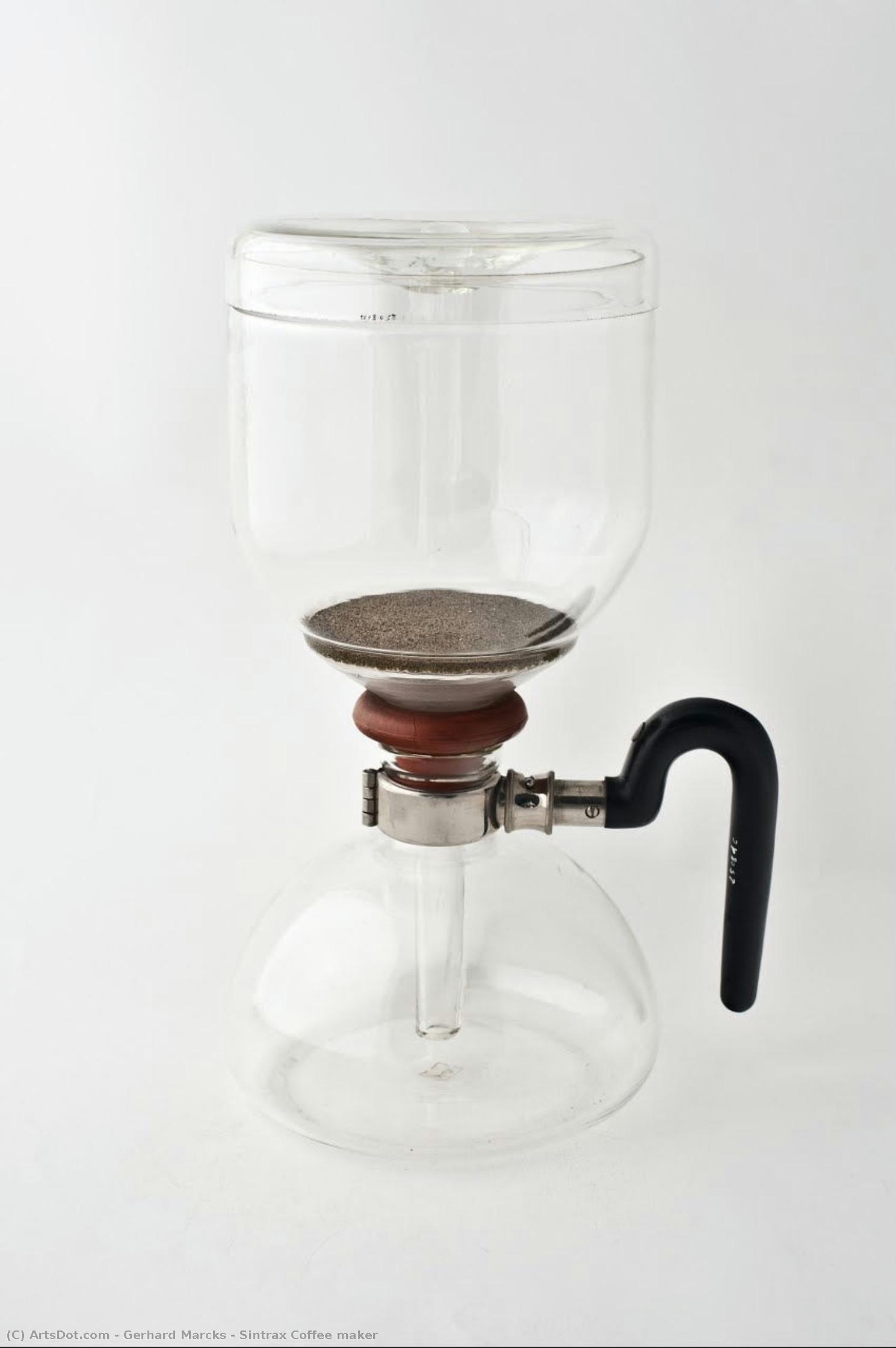
Sintrax Coffee maker
 1925
1925 15.0 x 31.0 cm
 Nacionalni muzej dekorativnih umetnosti u Madridu
 Pročitaj više
Kupite digitalnu sliku visoke rezolucije i poboljšanog kvaliteta, koja je znatno superiornija od onoga što vidite u online prikazu.
Svaka datoteka je pedantno pripremljena od strane naših stručnjaka koristeći napredne alate i profesionalnu ručnu retušu. Osiguravamo da svaka slika ima izuzetnu oštrinu, preciznu reprodukciju boja i fine detalje.
Konačna datoteka se dostavlja putem e-pošte u roku od 72 sata, optimizovana za neposrednu upotrebu u profesionalnim, izdavačkim i štamparskim okruženjima. To je isti kvalitet kojem veruju vrhunski studiji dizajna, izdavači i galerije.
Digitalna slika
Preuzmite datoteku visoke rezolucije za ličnu upotrebu, štampanje i kreativne projekte. ( Kupi print Kupi ručno naslikanu sliku)
Uključeno uz svaku porudžbinu digitalne slike
Profesionalna digitalna isporuka, zagarantovana
Kada odaberete ArtsDot.com, ne dobijate samo sliku – vi primate profesionalno unapređeno digitalno umetničko delo, izrađeno sa najvećom preciznošću i uz garanciju zadovoljstva. Evo svega što automatski dolazi uz vašu porudžbinu:

Brza dostava putem e-pošte
Vaša digitalna slika visoke rezolucije biće vam poslata putem e-pošte u roku od 72 sata od poručivanja – spremna za trenutnu upotrebu.

Digitalna datoteka unapređena veštačkom inteligencijom
Vaše umetničko delo je profesionalno optimizovano korišćenjem naprednih AI alata i ručne obrade, čime se osiguravaju maksimalni detalji, oštrina i preciznost boja.

Besplatna ponovna isporuka doživotno
Slučajno ste obrisali ili izgubili svoju datoteku? Ne brinite – poslaćemo vam je ponovo u bilo kom trenutku, potpuno besplatno.

Bez troškova uvoza – zauvek
Uživajte u svojim umetničkim delima trenutno, bez carine, dažbina ili troškova dostave – digitalni download je uvek bez poreza.

Garancija vernosti boja
Uz pomoć profesionalnih alata i upravljanja bojama, osiguravamo da vaša digitalna slika što vernije odražava originalne boje.

Garancija zadovoljstva u roku od 60 dana
Ako niste zadovoljni svojom digitalnom slikom, revidirat ćemo je ili vratiti 100% novca u roku od 60 dana – bez ikakvih pitanja.

100% garancija povrata novca
Niste zadovoljni? Obezbedite pun povrat novca u roku od 60 dana od trenutka kada ste primili svoju digitalnu datoteku – bez suvišnih pitanja.

Popusti na velike porudžbine
Kupite 3 slike, uštedite 10% - Kupite 5 slika, uštedite 15% - Kupite 10+ slika, uštedite 20%. Odlično za kreativne projekte, galerije i agencije.
Srodna umetnička dela


Biografija umetnika
Early Life and Education
- Gerhard Marcks was born on February 18, 1889, in Berlin, Germany.
- At the age of 18, he began an apprenticeship with sculptor Richard Scheibe, where he honed his skills in sculpting animals using terracotta.
- He married Maria Schmidtlein in 1914 and together they raised six children.
- Marcks served in the German army during World War I, an experience that significantly impacted his health for years to come.
Bauhaus Affiliation and Artistic Development
- Following WWI, Marcks became involved with influential art groups like the Novembergruppe and the Arbeitsrat für Kunst, alongside artists such as Walter Gropius and Lyonel Feininger.
- In 1919, he joined the faculty of the newly founded Bauhaus in Weimar, appointed as the Form Master of the pottery workshop. He collaborated with master potter Max Krehan, blending artistic vision with traditional craftsmanship.
- During his time at the Bauhaus, Marcks explored woodcutting techniques, inspired by Feininger, and began creating works like “Die Katzen” (“The Cats”) and “Die Eule” (“The Owl”).
- His artistic focus gradually shifted from animal forms to the human figure, a subject that would dominate his work for the remainder of his career.
- He resigned from Bauhaus when it moved to Dessau in 1925, feeling its increasing emphasis on technology conflicted with his artistic principles.
Mid-Career and Challenges Under Nazism
- Marcks took a teaching position at the Halle School of Arts and Crafts, dedicating himself to figurative sculpture.
- His Expressionistic style became more subdued but retained emotional depth.
- The rise of the Nazi regime brought significant challenges. He was dismissed from his post in 1933, and his work was labeled “degenerate” in 1937, leading to its inclusion in the infamous "Degenerate Art" exhibition in Munich.
- Despite persecution, Marcks remained in Germany throughout World War II, making trips to Italy where he worked at Villa Romana in Florence and Villa Massimo in Rome.
- His studio in Berlin was bombed during an air raid in 1943, resulting in the destruction of many artworks.
Later Life and Legacy
- After WWII, Marcks became a professor of sculpture at the Landeskunstschule (Regional Art School) in Hamburg for four years before retiring to Cologne.
- He designed numerous war memorials dedicated to soldiers and civilians.
- Gerhard Marcks died on November 13, 1981, in Burgbrohl, Eifel, Germany.
- The Gerhard Marcks Haus, a museum dedicated to his work, was established in Bremen, Germany, housing over 12,000 sketches, prints, and sculptures.
- A significant collection of his works is also held at Luther College in Decorah, Iowa, including the monumental bronze statue “Oedipus and Antigone”.
- His work continues to be recognized for its expressive power, humanist themes, and contribution to modern sculpture.

Gerhard Marcks
1889 - 1981 , Germany
Kratke činjenice
- Artistic Movement Or Style: Bauhaus, Expressionism
- Artists Or Movements Influenced By This Artist: ['Bauhaus movement']
- Artists Who Influenced This Artist:
- Richard Scheibe
- Walter Gropius
- Date Of Birth: 18 February 1889
- Date Of Death: 13 November 1981
- Full Name: Gerhard Marcks
- Nationality: German
- Notable Artworks:
- Die Katzen
- Die Eule
- Oedipus and Antigone
- Gaea
- The Mourner
- Place Of Birth: Berlin, Germany

