

- 78.0 x 74.0 cm


Slika prati vaše izbore: , .
Opis predmeta
Discover Gerard ter Borch the Younger, a Dutch Golden Age master of genre painting renowned for his intimate scenes of domestic life and psychological realism.
 Pročitaj više
Biografija umetnika
Istražite život i umetnost Gerarda ter Borcha (1617–1681), majstora holandskog zlatnog doba poznatog po intimnim žanrovskim slikama koje prikazuju svakodnevni život sa neverovatnim realizmom i svetlošću. Otkrijte 'Pismo' i još mnogo toga!
Ručno rađena uljana reprodukcija
Ručno oslikano uljanim bojama na platnu u dimenzijama i okviru po vašem izboru, izrađeno po porudžbini od strane naših umetnika. ( Pređi na štampu Pređi na digitalnu sliku)
Saznajte više o ovoj slici
 Pregledaj u prostoru
 Pošalji
 Podeli
 Detalji o delu
 Vodič
Vodič

 Preuzmi
 Slični predmeti
 Rendgenski snimak
 Automatska prezentacija
 Pitanja i odgovori
 Statistika
Naručite svoju sliku u četiri jednostavna koraka
Ne žurite. Možete promeniti bilo koji odgovor; cena u vašoj korpi se ažurira nakon svakog izbora.
1 Prvi od četiri koraka
Koju veličinu želite?
Ovi formati zadržavaju proporcije originalnog slikarskog dela. Crtež prikazuje vaš izbor na zidu, iznad dvometarske garniture.
Ili unesite sopstvene dimenzije
Izaberite jednu od naših unapred definisanih veličina koje odgovaraju originalnim proporcijama umetničkog dela.

Unesite potrebnu širinu i visinu kako bi se slika uklopila u vaš ram ili zid. Pošto je ovo ručno oslikano delo, umetnik može za dimenzije drugačijeg oblika naslikati malo više prostora oko slike ili malo skratiti ivice — izbor je na vama. Pre početka rada, poslaćemo vam digitalni prikaz radi potvrde. Slika prikazana na ovoj stranici ne predstavlja konačan rezultat — samo digitalni prikaz pokazuje stvarnu sliku.
2 Drugi od četiri koraka
Na koji način želite da bude pripremljeno: u rolni, na platnu ili u ramu?
Cene u nastavku odnose se na dimenziju koju ste izabrali u prvom koraku.
Izaberite ivice platna
Izaberite svoj okvir

Beli rub дин1

zamrljene ivice дин1

Prošireno дин1

P118B дин10

P118H дин10

P118W дин10

P438Z дин10

P508JH дин12

P508YH дин12

P805H дин10

P805Z дин10

P919BZ дин10

P919G дин10

P919XJ дин10

P959ZH дин10

P968JZ дин12

W106C дин8

W218G дин10

W218JH дин8

W218Y дин10

W307PJ дин10

W316G дин10

W316PJ дин8

W316Y дин10

W398PJ дин8

W4111J дин10

W500HY дин15

W500JH дин15

W692G дин12

W849H дин8

W940BG дин15

W953PJ дин8

H24-GOLD дин30

H24-SILVER дин30

H36-GOLD дин45

H36-SILVER дин45
Uokvireno
Profil: . Ukupna veličina sa okvirom: .
3 Treći od četiri koraka
Da li biste želeli da nešto promenite na slici?
Većina ljudi odgovara sa ne. Pošto je svaka slika ručno rađena, naš umetnik je može i prilagoditi vašim željama.
Nakon porudžbine, tim ArtsDot.com će poslati imejl klijentu radi dobijanja uputstava i dostaviti prikaz makete
4 Četvrti korak od četiri
Nekoliko opcija za završnu obradu
Sve su opcione. Odgovori koji su već izabrani ne podrazumevaju dodatni trošak.
Ko je autor?
Svetska isporuka () za 3/4 nedelje umesto uobičajenih 5 nedelja. (10 новембар). Bez kompromisa po pitanju kvaliteta.
Plakica, kao u muzeju?
Detalji gravirane bronze ploče
This elegant plaque features the artist's name and the title of the artwork, finely engraved for a timeless presentation.
It is made from bronze with a refined, elegant finish. The text is precisely laser-engraved for a sharp and permanent result. Measuring 9x2 cm, the plaque is compact yet easy to read. It's built to be durable and scratch-resistant, offering a professional, museum-quality look. Mounting is simple thanks to the included adhesive backing.
Detalji prozirne akrilne pločice
The plaque includes essential engraved details such as the artist's name, the title of the artwork, the date it was created, the type of media used-like oil on canvas or watercolor-a brief description of the piece, and a QR code that links to the complete artwork information.
It is crafted from clear acrylic, offering a sleek, modern appearance. The text is UV-engraved in black to ensure strong visual contrast. With a size of 10x15 cm, it ensures optimal readability. It comes equipped with two metal hooks for secure wall mounting. The plaque is designed to be weather-resistant, making it suitable for various environments, and it includes interactive features that work seamlessly with smartphone scanning.
Detalji crne akrilne pločice
This elegant plaque includes engraved information such as the artist's name, the title of the artwork, the date it was created, the type of media used (like oil on canvas or watercolor), a short description of the artwork, and a QR code for quick access to more information.
The plaque itself is made from refined black acrylic with a premium finish. The text is laser-engraved in white for high contrast and readability. Its size is 10x15 cm, designed to be easy to read. It comes with two metal hooks for professional mounting. The design is sleek and fits any interior style. It is also weather-resistant and durable, with built-in digital integration for mobile compatibility.
Zaštitni lak?
Kada vam je potrebno?
✓ Proverite i naručite
Vaša slika, upravo onakva kakvu ste naručili

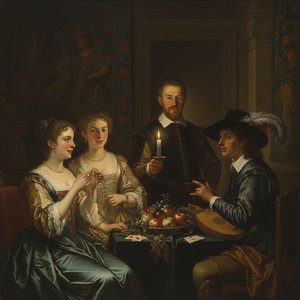
The Visit
Tehnika reprodukcije
Dimenzije reprodukcije
-

Vrhunski maestri umetnosti
Više detalja, prefinjenosti i dodatnog vremena za izradu
-

Okvir za reprodukciju
-
-
Za umetnička dela ili reprodukcije čija je bilo koja strana veća od 105 cm (približno 41 inč), okvir će biti isporučen u obliku rastavljenog seta za sklapanje. Ovaj metod osigurava bezbednu dostavu i sprečava oštećenja tokom transporta.
Potrebna je profesionalna montaža – ovo nije proizvod namenjen samostalnoj izradi.
Set mora sastaviti i platno zategnuti iskusni profesionalni ramitelj, koristeći drveni lepak (nije uključen u set), hvataljku za zatezanje platna i stege kako bi se održao prav ugao okvira dok se lepak suši. Nepravilno sklapanje ili neravnomerno zategnuto platno mogu trajno oštetiti umetničko delo, što nije pokriveno našom garancijom.
 Za umetnička dela ili reprodukcije čija je bilo koja strana veća od 105 cm (približno 41 inč), okvir će biti isporučen u obliku rastavljenog seta za sklapanje. Ovaj metod osigurava bezbednu dostavu i sprečava oštećenja tokom transporta.
Sve šipke od masivnog drveta su uključene, precizno isečene po veličini.
Montira se pomoću priloženih šrafova, uz dodatno korišćenje lepka za drvo za spojeve u uglovima, koji nije uključen u set i koji vaš čuvar okvira mora obezbediti.
Potreban je profesionalni alat koji nije uključen u set: klešta za zatezanje platna (zatezač) i stege za održavanje pravih uglova letvica tokom sušenja lepka.
Važno:
Za spojeve u uglovima neophodan je lepak za drvo, šipke se moraju pričvrstiti stezgama dok lepak potpuno ne osuši, a za zatezanje platna na sklopljenom ramu potrebne su hvataljke za zatezanje platna. Nijedan od ovih alata nije uključen u komplet. Pre naručivanja ove veličine, molimo Vas da unapred obezbedite iskusnog profesionalca za ramačenje.

Kratki opis natpisa
-
-

Zaštitni lak
Sjajni lak (pojačava intenzitet boja, štiti od svetlosti i vlage)
-

Personalizujte svoje umetničko delo
Primeri mogućnosti izmene: Zamena lica fotografijom kupca; Dodavanje ljubimca (npr. zamena mačke psom); Uključivanje skrivene poruke u pozadini; Promena pejzaža ili elemenata pozadine.
-

Hitna dostava
Svetska isporuka () za 3/4 nedelje umesto uobičajenih 5 nedelja. (10 новембар). Bez kompromisa po pitanju kvaliteta.
-
Brza dostava
Dostava širom sveta () u roku od 5 nedelja. (17 новембар).
Uključeno u cenu
Ukupna cena
дин 27550
Opcija sa staklom dostupna je samo za dimenzije manje od 110 cm
Uključeno uz svaku porudžbinu
- Besplatna ekspresna dostava širom sveta
- Visokokvalitetno laneno platno
- Potpuno osiguranje transporta
- Garancija povraćaja carine i uvoznih dažbina
- Garancija vernosti boja
- Politika povraćaja u roku od 100 dana (samo u slučaju nedostataka)
- Garancija povrata 100% novca
- Popust na više proizvoda


A Window Into Seventeenth-Century Domestic Life: Exploring Gerard Ter Borch’s “The Visit”
Gerard ter Borch, a pivotal figure in Dutch Golden Age art history, stands as a beacon of psychological realism and meticulous observation within the genre of domestic painting. Born in Zwolle in 1617, he embarked on an artistic journey that traversed Europe, absorbing influences from diverse artistic traditions – notably the Baroque – shaping his distinctive style and cementing his legacy as one of the era’s foremost masters. His sister, Gesina ter Borch, also pursued a career in painting, fostering a familial commitment to artistic excellence that would resonate throughout their lives. Ter Borch's oeuvre is characterized by an unparalleled sensitivity to capturing subtle emotions and nuanced interactions within seemingly commonplace settings—a hallmark that distinguishes him from many of his contemporaries.Composition and Technique: Mastering Light and Texture
“The Visit,” painted circa 1655, exemplifies ter Borch’s masterful command of technique. Executed in oil on canvas – a medium favored for its ability to achieve remarkable luminosity and textural detail – the artwork presents four figures engaged in conversation within a richly furnished bedroom. The artist skillfully employs chiaroscuro—the dramatic interplay between light and shadow—to sculpt the forms of the women seated on a bench and the men standing nearby, creating an illusionistic depth that draws the viewer into the scene. Ter Borch’s meticulous brushwork captures the delicate weave of fabric, the sheen of polished surfaces, and the subtle nuances of skin tones with astonishing accuracy. This painstaking attention to detail underscores ter Borch's dedication to portraying reality as faithfully as possible—a cornerstone of his artistic philosophy.Symbolism Within Everyday Reality: Decoding Gestures and Expressions
Beyond its technical brilliance, “The Visit” is laden with symbolic significance. The bed draped in a scarlet blanket serves as a visual anchor, representing comfort, intimacy, and perhaps even unspoken desires. The postures and gestures of the figures convey a complex tapestry of emotions—ranging from polite cordiality to veiled apprehension—reflecting the psychological depth that ter Borch sought to achieve. Scholars have interpreted subtle facial expressions and glances as indicators of hidden agendas and unspoken feelings, prompting ongoing debate about the artwork’s intended message. Ter Borch's ability to transform ordinary domestic life into a vehicle for profound emotional exploration distinguishes him from many other artists of his time.Historical Context: Reflecting Dutch Society’s Values
“The Visit” emerged during a period of considerable social and intellectual ferment in Holland—the Dutch Golden Age (approximately 1648-1702). This era witnessed unprecedented economic prosperity, fueled by maritime trade and colonial expansion, fostering a vibrant cultural landscape characterized by artistic innovation and humanist ideals. Genre painting flourished as a response to the prevailing fascination with portraying the realities of everyday life—a deliberate departure from grand mythological narratives favored by earlier Baroque artists. Ter Borch’s work reflects the Dutch obsession with moral virtue and social decorum—values that underpinned the nation's reputation for stability and sophistication.Emotional Resonance: Capturing Transient Moments
Ultimately, “The Visit” transcends its formal qualities to evoke a powerful emotional response in the viewer. The artwork captures a fleeting moment of human connection—a conversation between friends or family members—rendered with breathtaking tenderness and sensitivity. Ter Borch’s masterful depiction of psychological realism invites contemplation about the complexities of human relationships and the enduring power of unspoken emotions. Like many of his contemporaries, ter Borch aimed to elevate genre painting beyond mere visual representation, transforming it into a medium for conveying profound truths about the human condition—a testament to his artistic genius and lasting influence on art history.Location: Staatliches Museum Schwerin
The Staatliches Museum Schwerin houses an impressive collection of artworks from various periods and styles. You can find more information about the museum on Wikipedia: https://en.wikipedia.org/wiki/Staatliches_MusPitanja i odgovori
Kojom tehnikom i stilom se odlikuje „The Visit”, autor Gerard Ter Borch?
„The Visit”, autor Gerard Ter Borch spaja tehniku Oil On Canvas sa stilom Dutch Golden Age Genre. Tehnika i pravac opisuju način izrade i stil dela.
Kolika je luminancija dela „The Visit”, autor Gerard Ter Borch?
Luminansa zabeležena za „The Visit”, autor Gerard Ter Borch iznosi Dark.
Koji umetnički pravac pripada delu "The Visit"?
„The Visit“ je delo Dutch Golden Age Genre pokreta. Ovaj pokret označava umetničku tradiciju kojoj je delo pripada.
Srodna umetnička dela


Gerard Ter Borch
1617 - 1681, Holandija
Biografija umetnika
**predstavnik holandske žanrovske slike**
Gerard ter Borch, istaknuta figura hollandskog zlatnog doba, ostavio je neizbrisiv trag u svetu umetnosti svojim žanrovskim slikama. Rođen u decembru 1617. godine i preminut 8. decembra 1681. godine, Ter Borhov život bio je svedočanstvo njegove umetničke virtuoznosti.**rani život i uticaji**
Iako njegovi rani životni tragovi nisu detaljno dokumentovani, poznato je da je intenzivno putovao širom Evrope, obuhvatajući London, Nemačku, Francusku, Španiju i Italiju. Ovo bogato iskustvo proširilo je njegove umetničke vidike, oblikujući njegov jedinstveni stil. Njegova sestra, Gesina ter Borch, takođe je sledila umetničku karijeru, čime je dodatno učvrstila porodičnu umetničku predispoziciju.**istaknuta dela i dostignuća**
Njegov opus obeležili su remek-dela poput slike Pismo, koja predstavlja vrhunac njegove veštine u dočaravanju teksture i svetlosti. Delo Galan conversation (Galan conversation), koje je gravirao Johan Georg Vil, savršeno prikazuje umetnikovu sposobnost da prenese najsuptilnije emocije. Rano delo Čovek na konju (1634) svedoči o njegovom tada još uvek otkrivajućem talentu, dok slika Dolazak Adrijana Paua u Minster (1646) predstavlja značajno delo koje ističe njegovu narativnu moć.**muzeji i kolekcije koje čuvaju radove Ter Borcha**
Njegova međunarodna važnost potvrđena je prisustvom njegovih dela u najprestižnijim svetskim galerijama. Ermitaz poseduje jednu od najvećih kolekcija sa čak šest njegovih dela. Berlinski muzej takođe čuva šest komada, slaveći Ter Borhov globalni značaj, dok se tri njegove slike nalaze u cenjenoj kolekciji Getty Centra.**nasleđe i uticaj**
Uticaj koji je Ter Borch ostavio na holandske slikare poput Gabriela Metsua, Gerita Doua, Egloona van der Neera i Tomasa Vermeera dobro je dokumentovan. Njegov inovativni pristup žanrovskoj slici učinio ga je ključnom figurom u istoriji umetnosti.- za više informacija o Ter Borhovom životu i delima, posetite https://ArtsDot.com/@/gerard-ter-borch
- istražite Muzej Boijmans Van Beuningen u Roterdamu, Holandija, koji prikazuje neke od Ter Borhovih savremenika na https://ArtsDot.com/@@/a@d3arrk-museum-boijmans-van-beuningen-rotterdam-netherlands
- saznajte više o holandskom zlatnom dobu i njegovim značajnim umetnicima na https://en.wikipedia.org/wiki/dutch_golden_age

Povezani članci
Gerard van Honthorst: Illuminating the Dutch Golden Age with Caravaggism & Courtly Grace
Explore the captivating world of Gerard van Honthorst, a Dutch Golden Age master renowned for his dramatic chiaroscuro & courtly portraits. Discover his life, art, and lasting influence on Baroque painting.

Gerard ter Borch: Intimacy & Light in the Dutch Golden Age
Explore the captivating world of Gerard ter Borch, a master of Dutch Golden Age genre painting. Discover his intimate scenes, masterful light, and lasting influence on art history. Learn more at ArtsDot.

Golden Age Reflections: Dutch Baroque Painting & Cultural Innovation
Explore the Dutch Golden Age of painting! Discover key artists like Vermeer & ter Borch, their innovative techniques, and the rich cultural context behind these Baroque masterpieces. Learn about collecting & appreciating this iconic art period.