

 Pregledaj u prostoru
 Pošalji
 Podeli
 Detalji o delu

 Преузми
 Slični predmeti
 Rendgenski snimak
 Slajdovi
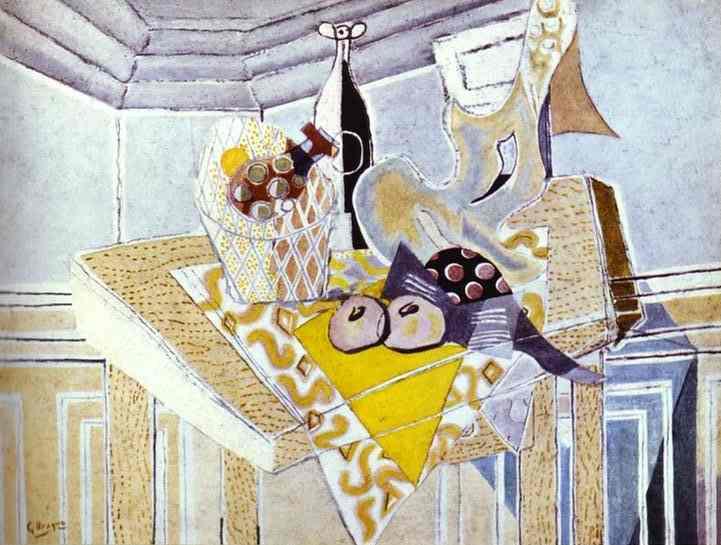
The Yellow Napkin


 Pročitaj više
Giclee štampa / Umetnički otisak
Giclée štampa ili print na platnu muzejskog kvaliteta uz brzu proizvodnju i fleksibilne opcije završne obrade. ( Pređite na ručno oslikano umetničko delo Prebacite na sliku)




P118B $10

P118H $10

P118W $10

P438Z $10

P508JH $12

P508YH $12

P805H $10

P805Z $10

P919BZ $10

P919G $10

P919XJ $10

P959ZH $10

P968JZ $12

W106C $8

W218G $10

W218JH $8

W218Y $10

W307PJ $10

W316G $10

W316PJ $8

W316Y $10

W398PJ $8

W4111J $10

W500HY $15

W500JH $15

W692G $12

W849H $8

W940BG $15

W953PJ $8




Izaberite jednu od naših unapred definisanih veličina koje odgovaraju originalnim proporcijama umetničkog dela.

Možete uneti sopstvene dimenzije kako biste umetničko delo prilagodili specifičnom okviru ili prostoru. Ako odabrani format ne odgovara proporcijama originalne slike, mi ćemo ili iscrtati deo dela ili proširiti sliku pomoću ogledane ivice ili jednobojnog popunjavanja. Digitalni prikaz će vam biti poslat na odobrenje pre početka proizvodnje.
Imajte na umu da pregled na ekranu ne odražava stvarno iscrtavanje ili proširivanje. Samo će prikaz (mockup) precizno pokazati finalnu kompoziciju.
Iako su prilagođene dimenzije dostupne, preporučujemo da odaberete dimenziju sa unapred definisane liste kako biste očuvali originalne proporcije.
Dostava širom sveta () za 2 nedelje umesto uobičajenih 4/5 nedelja. (9 август)

Besplatna ekspresna dostava širom sveta

Visokokvalitetno laneno platno

Kompletno osiguranje transporta

Garancija povraćaja carine i uvoznih dažbina

Garancija vernosti boja

Politika povrata u roku od 60 dana (samo u slučaju nedostataka)

Garancija povrata novca od 100%

Popust pri grupnoj kupovini
 Opcija sa staklom dostupna je samo za dimenzije manje od 110 cm

The Yellow Napkin
Giclee štampa / Umetnički otisak
Dimenzije reprodukcije
-


Konačna cena
$ 62
Opis predmeta
Georges Braque's "The Yellow Napkin": A Cubist Still Life of Everyday Intrigue
Georges Braque’s “The Yellow Napkin,” painted in 1935, is more than just a charming depiction of a domestic scene; it’s a pivotal work that encapsulates the core tenets of early Cubism. This vibrant still life, brimming with carefully arranged objects – a basket overflowing with fruit, a bowl, bottles, and a languid cat – invites viewers into a world where form and perception are playfully deconstructed. The painting's immediate impact stems from its bold color palette and fragmented representation, hallmarks of Braque’s exploration of space and volume during this crucial period in modern art.
- Cubist Techniques: Braque, alongside Pablo Picasso, was instrumental in developing Cubism, a revolutionary style that abandoned traditional perspective. “The Yellow Napkin” exemplifies this through its fractured forms, presenting multiple viewpoints of the same object simultaneously. The table, fruit, and cat are not rendered as single, unified entities but rather as geometric shapes layered upon one another, challenging the viewer’s conventional understanding of depth and space.
- Color and Texture: Notice the deliberate use of color – the rich yellows, oranges, and reds dominate, creating a sense of warmth and vibrancy. Braque employed thick impasto strokes in certain areas, adding textural complexity and further emphasizing the fragmented nature of the composition. This tactile quality invites closer inspection and encourages the viewer to actively engage with the painting’s surface.
Historical Context: The Rise of Cubism
“The Yellow Napkin” was created during a period of immense artistic experimentation in Paris. Following the Impressionists' focus on light and atmosphere, Braque and Picasso sought to represent reality not as it appears from a single vantage point but rather as it is perceived by the mind – a concept profoundly influenced by Paul Cézanne’s exploration of geometric forms within landscapes. The rise of Cubism coincided with advancements in science, particularly Einstein's theory of relativity, which challenged established notions of space and time. Braque’s work reflects this intellectual ferment, questioning traditional artistic conventions and paving the way for subsequent movements like Futurism and Constructivism.
- Influence of Cézanne: Braque deeply admired Cézanne's ability to reduce complex forms to their essential geometric components. This influence is clearly visible in “The Yellow Napkin,” where objects are broken down into basic shapes – cubes, cones, and cylinders – creating a sense of underlying structure.
- Early Cubism: The painting represents an early example of Analytical Cubism, characterized by monochromatic palettes and the dissection of subjects into fragmented forms. It’s a crucial step in Braque's development as an artist and a foundational work within the history of modern art.
Symbolic Layers and Emotional Resonance
While ostensibly a still life, “The Yellow Napkin” possesses subtle symbolic layers that invite interpretation. The yellow napkin itself – a recurring motif in Braque’s work – is often associated with cleanliness, purity, and perhaps even the artist's own creative process. The cat, a frequent presence in Braque’s paintings, can be seen as a symbol of domesticity, tranquility, or even mischief. The arrangement of the objects—the fruit, the bowl—suggests a moment of quiet contemplation, a pause within the everyday.
- Domestic Tranquility: The scene evokes a sense of peacefulness and order, despite the fragmented representation. It’s a snapshot of domestic life, imbued with a subtle melancholy that resonates with the artist's own introspective nature.
- The Artist's Studio: Many scholars believe that Braque painted this work in his studio, reflecting his immediate surroundings and offering a glimpse into his creative environment.
Collecting and Displaying This Masterpiece
"The Yellow Napkin" is more than just a beautiful painting; it’s an investment in art history. A hand-painted reproduction offers the opportunity to bring this iconic work into your home or office, allowing you to appreciate its complexity and beauty firsthand. Whether adorning a gallery wall or serving as a focal point in a sophisticated interior design scheme, this piece will undoubtedly spark conversation and admiration.


Biografija umetnika
Early Life and Artistic Foundations
Georges Braque, geboren in Argenteuil, Frankreich, im Jahr 1882, begann eine Lebensbahn tief verwurzelt in der sich entwickelnden Landschaft der modernen Kunst. Seine Kindheit innerhalb einer Familie von Hausmalern und Dekorateuren vermittelte ihm nicht nur technische Meisterschaft über Materialien, sondern auch eine frühe Wertschätzung für Form und Struktur. Obwohl er zunächst seinem Vater folgte und dessen Beruf ausübte, führten seine natürlichen künstlerischen Neigungen ihn bald zu einer Ausbildung am École des Beaux-Arts in Le Havre hinweg, wodurch sein Weg zum Erreichen eines der einflussreichsten Maler des 20. Jahrhunderts begann. Diese Grundlage – eine Mischung aus praktischem Handwerk und akademischem Studium – würde sich als entscheidend herausstellen, als er später traditionelle künstlerische Konventionen aufbrach und neu imaginierte.
Er zog im Jahr 1902 nach Paris um und setzte seine Ausbildung an der Académie Humbert fort, indem er sich in der lebhaften künstlerischen Umgebung der Stadt eintauchte. Dort lernte er Künstler wie Marie Laurencin und Francis Picabia kennen und schuf Verbindungen, die seinen frühen Entwicklungsprozess prägten. Seine ersten Arbeiten reflektierten die vorherrschenden Einflüsse von Impressionismus und Post-Impressionismus, aber ein entscheidender Begegnung mit der lebhaften Farbe und dem expressiven Freiheitsgefühl des Fauvismus im Jahr 1905 entzündete eine neue Richtung in seiner künstlerischen Erkundung.
The Embrace of Fauvism and the Dawn of Cubism
Braques Übernahme von Fauvist Prinzipien – gekennzeichnet durch intensive, nicht natürliche Farbe und emotionale Ausdruckskraft – wird eindrucksvoll dargestellt in Gemälden wie Die Geduld. Diese Periode sah ihn bei der Arbeit mit Künstlern wie Henri Matisse und André Derain, die mit lebhaften Farbpaletten und vereinfachten Formen experimentierten. Braques Engagement mit Fauvismus war jedoch nicht nur imitativ; er infundierte es mit einer einzigartigen Sensibilität und ließ damit die ungezügelte Ekstase der Bewegung mit einem ausgeglicheneren und analytischeren Ansatz maßstabieren.
Ein Wendepunkt gelang ihm im Jahr 1907 durch seine Begegnung mit der Retrospektive Ausstellung von Paul Cézannes Werk. Cézannes Betonung geometrischer Formen und mehrfacher Perspektiven hatte tiefgreifenden Einfluss auf Braque und bereitete den Weg für seine bahnbrechende Zusammenarbeit mit Pablo Picasso vor. Seit 1908 begannen diese beiden künstlerischen Titanen eine intensive intellektuelle Begegnung, die zur Geburt von Kubismus führte – einer revolutionären Bewegung, die traditionelle Vorstellungen von Darstellung zerstörte.
Gemeinsam entwickelten Braque und Picasso Analytical Cubism, indem sie Objekte in fragmentierte geometrische Formen zerteilten und mehrere Perspektiven gleichzeitig präsentierten. Werke wie Haus Nr. L'Estaque demonstrieren diese frühe Phase und zeigen damit einen radikalen Bruch mit konventioneller Perspektive und eine Fokussierung auf die zugrunde liegende Struktur von Formen.
Innovation Through Fragmentation and Collage
Die Zusammenarbeit zwischen Braque und Picasso setzte sich fort und drängte die Grenzen künstlerischen Ausdrucks hinaus, was zur Entwicklung von Synthetischem Kubismus um 1912 führte. Diese Phase brachte die Einführung von Collage ein – die Aufnahme echter Weltmaterialien wie Zeitungsartikel, Tapeten und Stoff in Gemälde. Diese Innovation stellte die hierarchische Beziehung zwischen Malerei und Bildhauerei in Frage und verschwärte die Grenzen zwischen Kunst und Leben.
Braques Pionierarbeit mit *papier collé* (pasted paper) markierte einen bedeutenden Wendepunkt in seiner künstlerischen Entwicklung. Indem er Fragmente alltäglicher Objekte in seine Kompositionen integrierte, störte er den illusionistischen Raum traditioneller Malerei und brachte damit eine neue Ebene der Materialität und Textur hervor. Diese Technik erweiterte nicht nur die formalen Möglichkeiten von Kunst, sondern spiegelte auch ein wachsendes Interesse an der Beziehung zwischen Darstellung und Realität wider.
Die Ausbruch des Ersten Weltkriegs im Jahr 1914 unterbrach diese intensive Zusammenarbeit, als Braque zum Militärdienst verpflichtet wurde. Seine Kriegserfahrungen prägten seine künstlerische Vision tiefgreifend und führten ihn dazu, persönlichere und lyrische Themen in seinen Nachkriegsarbeiten zu erkunden.
Later Years and Enduring Legacy
Nach dem Krieg entwickelte sich Braques Stil über die engen Grenzen von Kubismus hinaus und integrierte Elemente klassischer Komposition und ein erneutes Interesse an Landschaftsgemälden. Während er die geometrischen Einflüsse bewahrte, die seine frühere Arbeit definiert hatten, entwickelte er einen nuancierteren und kontemplativeren Ansatz zum Malen. Seine späteren Landschaften und Innenräume zeichnen sich durch ihre ruhige Atmosphäre und subtile Harmonie von Farbe aus.
Er blieb seinen gesamten Karriere über seinem Ziel verpflichtet, die grundlegenden Prinzipien von Form, Raum und Darstellung zu erforschen. Er experimentierte weiterhin mit verschiedenen Materialien und Techniken und drängte damit die Grenzen künstlerischen Ausdrucks bis zu seinem Tod im Jahr 1963.
Braques Vermächtnis geht über seine einzelnen Gemälde hinaus; er veränderte grundlegend unser Verständnis davon, wie wir die Welt um uns herum wahrnehmen und darstellen. Seine Zusammenarbeit mit Picasso, geprägt von seinem einzigartigen künstlerischen Blickwinkel sowie seinem eigenen Mut zur Herausforderung von Konventionen und zum Neuwirken der Möglichkeiten von Malerei festigte seinen Platz als echter Pionier moderner Kunst – ein Meister, der sich nicht scheute, Traditionen aufzubrüchen und die Entwicklung der modernen Kunst zu prägen.
Influences and Notable Works
- Influenced By: Henri Matisse, André Derain, Paul Cézanne
- Key Works: Houses at L'Estaque, The Patience, Violin and Palette, Mandola
- Impact on Art History: Revolutionized 20th-century art through Cubism; challenged traditional notions of perspective and representation.

Жорж Брак
1882 - 1963 , Франција
Osnovne informacije
- Artistic Movement Or Style: Кубизам и Фавизам
- Artists Or Movements Influenced By This Artist: ['Пабло Пикасо']
- Artists Who Influenced This Artist:
- Анри Матис
- Андре Деран
- Пол Цезан
- Date Of Birth: Мај 13, 1882
- Date Of Death: 1963
- Full Name: Georges Braque
- Nationality: Француски
- Notable Artworks:
- Дома код Л'Естаке
- Трпење
- Виолин и Палета
- Place Of Birth: Аргентеуил, Француска
Povezani članci
Deconstructing Reality: A Comprehensive Exploration of Cubist Still Life
Explore the revolutionary world of Cubist Still Life with ArtsDot. Discover Picasso & Braque's groundbreaking techniques, its philosophical roots, and lasting impact on modern art. Expert insights for collectors.

Deconstructing Reality: Cubism's Revolutionary Impact on 20th-Century Art
Explore the revolutionary world of Cubism with ArtsDot. Discover Picasso & Braque's groundbreaking techniques, its philosophical roots, and lasting impact on modern art. Expert insights for collectors.

Cubism's Revolution: 10 Masterpieces That Redefined Modern Art | ArtsDot
Explore 10 Cubist masterpieces by Picasso, Braque & more! Delve into the history of this revolutionary art movement. Find museum-quality reproductions and elevate your home decor with ArtsDot. Discover all masterpieces on ArtsDot.com

Od klasične mrtve prirode do savremene apstrakcije: Uzdižući prostore vile kroz umetničku reprodukciju stila i elegancije
Otkrijte bogatu istoriju mrtve prirode i kako umetničke reprodukcije transformišu prostore vile u elegantan ambijent. Saveti stručnjaka, simbolizam dela & investicioni potencijal.

Kubaizam: Najboljih 10 Remek Dela Koja Su Definisala Revolucionarni Stil
Otkrijte 10 remek dela koja su revolucionisala umetnost! Analiziramo Pablo Picassa, Georga Braquea i kubizam. Inspiracija za dekoraciju doma i kolekcionare - vrhunske reprodukcije na ArtsDot.com!



