


Slika prati vaše izbore: , .
Opis predmeta
Georges Braque's 'Sao': A minimalist black & white drawing of an abstracted figure within a circle, embodying Cubist principles and evoking themes of containment and perception.
 Pročitaj više
Biografija umetnika
Пијонир кубизма Жорж Брак је ко-основао овај правце са Пикасом. Истражите његова револуциона дела и новаторске колаже већ данас.
Ovo umetničko delo je zaštićeno autorskim pravima
Umetničko delo prikazano na ovoj stranici zaštićeno je autorskim pravima, što znači da zakonski nismo u mogućnosti da kreiramo niti prodajemo identičnu reprodukciju. Ova zaštita se sprovodi u skladu sa međunarodnim sporazumima kao što su Bernska konvencija i nacionalnim zakonima, uključujući i one koji su definisani u Američki zakon o autorskom pravu – Naslov 17.
Kao poštovana i legalna alternativa, nudimo prilagođene, ručno oslikane umetničke radove inspirisane originalom. Naši stručni i profesionalni umetnici pažljivo proučavaju stil, ambijent i umetničku suštinu originala kako bi kreirali novo, unikatno delo koje budi istu emociju – ostajući pritom potpuno autentično stvaranje.
Ovaj metod je u potpunosti usklađen sa regulativama o autorskim pravima jer ne podrazumeva kopiranje ili dupliranje zaštićenih umetničkih dela. Umesto toga, reč je o kreativnoj reinterpretaciji – novom slikarskom delu koje je inspirisano originalom, ali nije identično njemu.
Naručite svoj u četiri jednostavna koraka
Ne žurite. Možete promeniti bilo koji odgovor; cena u vašoj korpi se ažurira nakon svakog izbora.
1 Prvi od četiri koraka
On which medium should it be printed?
Canvas is printed with giclée inks and can be stretched or framed like a painting; paper comes flat, or framed behind glass.
2 Drugi od četiri koraka
Koju veličinu želite?
Ovi formati zadržavaju proporcije originalnog slikarskog dela. Crtež prikazuje vaš izbor na zidu, iznad dvometarske garniture.
Ili unesite sopstvene dimenzije
Izaberite jednu od naših unapred definisanih veličina koje odgovaraju originalnim proporcijama umetničkog dela.

Unesite željenu širinu i visinu kako bi se štampa uklopila u vaš ram ili zid. Štampu je moguće samo iseći, ali nikada povećati iznad dimenzija originalne slike, stoga format sa drugačijim proporcijama uzrokuje gubitak dela slike. Pre početka štampe, poslaćemo vam digitalni prikaz radi potvrde. Slika prikazana na ovoj stranici ne predstavlja stvarni isrez — to pokazuje samo digitalni prikaz.
3 Treći od četiri koraka
Na koji način želite da bude pripremljeno: u rolni, na platnu ili u ramu?
Cene u nastavku odnose se na dimenziju koju ste izabrali u prvom koraku.
Izaberite ivice platna
Izaberite svoj okvir

Beli rub дин1

zamrljene ivice дин1

Prošireno дин1

P118B дин10

P118H дин10

P118W дин10

P438Z дин10

P508JH дин12

P508YH дин12

P805H дин10

P805Z дин10

P919BZ дин10

P919G дин10

P919XJ дин10

P959ZH дин10

P968JZ дин12

W106C дин8

W218G дин10

W218JH дин8

W218Y дин10

W307PJ дин10

W316G дин10

W316PJ дин8

W316Y дин10

W398PJ дин8

W4111J дин10

W500HY дин15

W500JH дин15

W692G дин12

W849H дин8

W940BG дин15

W953PJ дин8

H24-GOLD дин30

H24-SILVER дин30

H36-GOLD дин45

H36-SILVER дин45
Uokvireno
Profil: . Ukupna veličina sa okvirom: .
4 Četvrti korak od četiri
Nekoliko opcija za završnu obradu
Sve su opcione. Odgovori koji su već izabrani ne podrazumevaju dodatni trošak.
Dostava širom sveta () za 2 nedelje umesto uobičajenih 4/5 nedelja. (22 новембар)
Plakica, kao u muzeju?
Detalji gravirane bronze ploče
This elegant plaque features the artist's name and the title of the artwork, finely engraved for a timeless presentation.
It is made from bronze with a refined, elegant finish. The text is precisely laser-engraved for a sharp and permanent result. Measuring 9x2 cm, the plaque is compact yet easy to read. It's built to be durable and scratch-resistant, offering a professional, museum-quality look. Mounting is simple thanks to the included adhesive backing.
Detalji prozirne akrilne pločice
The plaque includes essential engraved details such as the artist's name, the title of the artwork, the date it was created, the type of media used-like oil on canvas or watercolor-a brief description of the piece, and a QR code that links to the complete artwork information.
It is crafted from clear acrylic, offering a sleek, modern appearance. The text is UV-engraved in black to ensure strong visual contrast. With a size of 10x15 cm, it ensures optimal readability. It comes equipped with two metal hooks for secure wall mounting. The plaque is designed to be weather-resistant, making it suitable for various environments, and it includes interactive features that work seamlessly with smartphone scanning.
Detalji crne akrilne pločice
This elegant plaque includes engraved information such as the artist's name, the title of the artwork, the date it was created, the type of media used (like oil on canvas or watercolor), a short description of the artwork, and a QR code for quick access to more information.
The plaque itself is made from refined black acrylic with a premium finish. The text is laser-engraved in white for high contrast and readability. Its size is 10x15 cm, designed to be easy to read. It comes with two metal hooks for professional mounting. The design is sleek and fits any interior style. It is also weather-resistant and durable, with built-in digital integration for mobile compatibility.
Zaštitni lak?
Kada vam je potrebno?
✓ Proverite i naručite
Your print, as you ordered it

Sao
Tehnika reprodukcije
Dimenzije reprodukcije
-

Okvir za reprodukciju
-
-
Za umetnička dela ili reprodukcije čija je bilo koja strana veća od 105 cm (približno 41 inč), okvir će biti isporučen u obliku rastavljenog seta za sklapanje. Ovaj metod osigurava bezbednu dostavu i sprečava oštećenja tokom transporta.
Potrebna je profesionalna montaža – ovo nije proizvod namenjen samostalnoj izradi.
Set mora sastaviti i platno zategnuti iskusni profesionalni ramitelj, koristeći drveni lepak (nije uključen u set), hvataljku za zatezanje platna i stege kako bi se održao prav ugao okvira dok se lepak suši. Nepravilno sklapanje ili neravnomerno zategnuto platno mogu trajno oštetiti umetničko delo, što nije pokriveno našom garancijom.
 Za umetnička dela ili reprodukcije čija je bilo koja strana veća od 105 cm (približno 41 inč), okvir će biti isporučen u obliku rastavljenog seta za sklapanje. Ovaj metod osigurava bezbednu dostavu i sprečava oštećenja tokom transporta.
Sve šipke od masivnog drveta su uključene, precizno isečene po veličini.
Montira se pomoću priloženih šrafova, uz dodatno korišćenje lepka za drvo za spojeve u uglovima, koji nije uključen u set i koji vaš čuvar okvira mora obezbediti.
Potreban je profesionalni alat koji nije uključen u set: klešta za zatezanje platna (zatezač) i stege za održavanje pravih uglova letvica tokom sušenja lepka.
Važno:
Za spojeve u uglovima neophodan je lepak za drvo, šipke se moraju pričvrstiti stezgama dok lepak potpuno ne osuši, a za zatezanje platna na sklopljenom ramu potrebne su hvataljke za zatezanje platna. Nijedan od ovih alata nije uključen u komplet. Pre naručivanja ove veličine, molimo Vas da unapred obezbedite iskusnog profesionalca za ramačenje.

Kratki opis natpisa
-
-

Zaštitni lak
Sjajni lak (pojačava intenzitet boja, štiti od svetlosti i vlage)
-

Hitna dostava
Dostava širom sveta () za 2 nedelje umesto uobičajenih 4/5 nedelja. (22 новембар)
-
Brza dostava
Svetska isporuka () u roku od 4 do 5 nedelja. (29 новембар).
Uključeno u cenu
Ukupna cena
дин 6609
Opcija sa staklom dostupna je samo za dimenzije manje od 110 cm
Uključeno uz svaku porudžbinu
- Besplatna ekspresna dostava širom sveta
- Visokokvalitetno laneno platno
- Potpuno osiguranje transporta
- Garancija povraćaja carine i uvoznih dažbina
- Garancija vernosti boja
- Politika povraćaja u roku od 100 dana (samo u slučaju nedostataka)
- Garancija povrata 100% novca
- Popust na više proizvoda


A Stark Dialogue with Form: Georges Braque’s *Sao*
Georges Braque's *Sao*, a deceptively simple monochrome drawing, isn’t merely an exercise in line and space; it’s a profound meditation on containment, fragmentation, and the very nature of representation. Executed around 1932, this work embodies the core tenets of Cubism while simultaneously hinting at the nascent explorations of collage that would soon redefine Braque's artistic trajectory. The piece immediately commands attention with its stark contrast: a dense, black void punctuated by a network of precise, white lines – a visual vocabulary that speaks volumes about the artist’s intent.
The composition centers on an abstracted human figure, roughly delineated within a large, encompassing circle. This isn't portraiture in the traditional sense; rather, it’s a deconstruction of the form, reduced to its essential elements – lines that suggest limbs, torso, and head, yet never fully resolve into recognizable features. The asymmetry inherent in the arrangement—the figure subtly off-center—introduces an element of dynamism, preventing the image from feeling static or overly formal. A smaller oval at the base adds a layer of ambiguity, perhaps representing legs or a lower body, further contributing to the sense of incompleteness and ongoing construction.
The Language of Line: Technique and Materiality
Braque’s masterful control of line is paramount to *Sao*'s impact. The lines aren't smooth or flowing; they possess a deliberate, almost hesitant quality, as if drawn with charcoal or chalk on a slightly textured surface. This gestural approach imbues the work with a sense of immediacy and spontaneity, contrasting sharply with the precision required for rendering a realistic image. The varying thickness and density of the lines create a subtle textural landscape, adding depth and visual interest without relying on shading or modeling – techniques that Braque would later abandon in favor of more fragmented approaches.
Considering the materials—likely charcoal or chalk on paper—the work’s longevity is remarkable. The monochrome palette amplifies the impact of the lines themselves, forcing the viewer to engage with their form and spatial relationships. It's a testament to Braque’s ability to create a powerful visual statement using minimal resources.
Cubism, Collage, and the Deconstruction of Reality
*Sao* firmly situates itself within the context of early Cubism, a movement that challenged traditional notions of perspective and representation. Like Picasso, Braque sought to depict objects from multiple viewpoints simultaneously, fracturing forms into geometric shapes and reassembling them on the canvas. However, *Sao* feels particularly prescient in its anticipation of collage – a technique that would soon become synonymous with Braque’s name. The very act of layering lines within a defined space echoes the principles of collage, suggesting an exploration of surface and texture.
The circle itself is a potent symbol—representing wholeness, containment, or perhaps even the cyclical nature of existence. Juxtaposed against the fragmented figure, it creates a compelling tension between order and chaos, stability and disintegration. The ambiguity surrounding the figure’s identity invites interpretation, prompting viewers to project their own emotions and experiences onto the image.
A Quiet Intensity: Emotional Resonance
Despite its apparent simplicity, *Sao* possesses a remarkable emotional depth. It's not a work that shouts for attention; rather, it whispers with an understated intensity. The stark contrast between black and white evokes feelings of isolation, introspection, and perhaps even melancholy. The fragmented figure suggests a sense of loss or incompleteness, while the enclosing circle offers a fragile promise of protection. *Sao* is a powerful reminder that art can communicate complex emotions through the most subtle means – a carefully considered line, a strategic placement, and a profound understanding of form.
Pitanja i odgovori
Kakvu bi atmosferu "Sao" unela u prostor?
Sa svojim Calm raspoloženjem, delo "Sao" je idealno za Living Room.
Koji je format dela "Sao"?
„Sao”, autor Жорж Брак je kompozicija u Portrait formatu. Vredno je proveriti proporcije pre odabira veličine printa.
Ko je kreirao "Sao" i u kom je stilu?
Saznajte više o ovoj slici
 Pregledaj u prostoru

 Kupite ručno oslikano delo
 Pošalji
 Podeli
 Detalji o delu
 Vodič


 Preuzmi
 Slični predmeti
 Rendgenski snimak
 Automatska prezentacija
 Pitanja i odgovori
 Statistika
Srodna umetnička dela


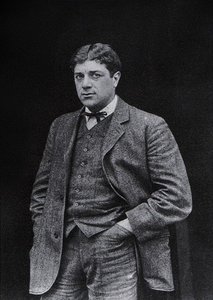
Жорж Брак
1882 - 1963, Француска
Biografija umetnika
Early Life and Artistic Foundations
Georges Braque, geboren in Argenteuil, Frankreich, im Jahr 1882, begann eine Lebensbahn tief verwurzelt in der sich entwickelnden Landschaft der modernen Kunst. Seine Kindheit innerhalb einer Familie von Hausmalern und Dekorateuren vermittelte ihm nicht nur technische Meisterschaft über Materialien, sondern auch eine frühe Wertschätzung für Form und Struktur. Obwohl er zunächst seinem Vater folgte und dessen Beruf ausübte, führten seine natürlichen künstlerischen Neigungen ihn bald zu einer Ausbildung am École des Beaux-Arts in Le Havre hinweg, wodurch sein Weg zum Erreichen eines der einflussreichsten Maler des 20. Jahrhunderts begann. Diese Grundlage – eine Mischung aus praktischem Handwerk und akademischem Studium – würde sich als entscheidend herausstellen, als er später traditionelle künstlerische Konventionen aufbrach und neu imaginierte.
Er zog im Jahr 1902 nach Paris um und setzte seine Ausbildung an der Académie Humbert fort, indem er sich in der lebhaften künstlerischen Umgebung der Stadt eintauchte. Dort lernte er Künstler wie Marie Laurencin und Francis Picabia kennen und schuf Verbindungen, die seinen frühen Entwicklungsprozess prägten. Seine ersten Arbeiten reflektierten die vorherrschenden Einflüsse von Impressionismus und Post-Impressionismus, aber ein entscheidender Begegnung mit der lebhaften Farbe und dem expressiven Freiheitsgefühl des Fauvismus im Jahr 1905 entzündete eine neue Richtung in seiner künstlerischen Erkundung.
The Embrace of Fauvism and the Dawn of Cubism
Braques Übernahme von Fauvist Prinzipien – gekennzeichnet durch intensive, nicht natürliche Farbe und emotionale Ausdruckskraft – wird eindrucksvoll dargestellt in Gemälden wie Die Geduld. Diese Periode sah ihn bei der Arbeit mit Künstlern wie Henri Matisse und André Derain, die mit lebhaften Farbpaletten und vereinfachten Formen experimentierten. Braques Engagement mit Fauvismus war jedoch nicht nur imitativ; er infundierte es mit einer einzigartigen Sensibilität und ließ damit die ungezügelte Ekstase der Bewegung mit einem ausgeglicheneren und analytischeren Ansatz maßstabieren.
Ein Wendepunkt gelang ihm im Jahr 1907 durch seine Begegnung mit der Retrospektive Ausstellung von Paul Cézannes Werk. Cézannes Betonung geometrischer Formen und mehrfacher Perspektiven hatte tiefgreifenden Einfluss auf Braque und bereitete den Weg für seine bahnbrechende Zusammenarbeit mit Pablo Picasso vor. Seit 1908 begannen diese beiden künstlerischen Titanen eine intensive intellektuelle Begegnung, die zur Geburt von Kubismus führte – einer revolutionären Bewegung, die traditionelle Vorstellungen von Darstellung zerstörte.
Gemeinsam entwickelten Braque und Picasso Analytical Cubism, indem sie Objekte in fragmentierte geometrische Formen zerteilten und mehrere Perspektiven gleichzeitig präsentierten. Werke wie Haus Nr. L'Estaque demonstrieren diese frühe Phase und zeigen damit einen radikalen Bruch mit konventioneller Perspektive und eine Fokussierung auf die zugrunde liegende Struktur von Formen.
Innovation Through Fragmentation and Collage
Die Zusammenarbeit zwischen Braque und Picasso setzte sich fort und drängte die Grenzen künstlerischen Ausdrucks hinaus, was zur Entwicklung von Synthetischem Kubismus um 1912 führte. Diese Phase brachte die Einführung von Collage ein – die Aufnahme echter Weltmaterialien wie Zeitungsartikel, Tapeten und Stoff in Gemälde. Diese Innovation stellte die hierarchische Beziehung zwischen Malerei und Bildhauerei in Frage und verschwärte die Grenzen zwischen Kunst und Leben.
Braques Pionierarbeit mit *papier collé* (pasted paper) markierte einen bedeutenden Wendepunkt in seiner künstlerischen Entwicklung. Indem er Fragmente alltäglicher Objekte in seine Kompositionen integrierte, störte er den illusionistischen Raum traditioneller Malerei und brachte damit eine neue Ebene der Materialität und Textur hervor. Diese Technik erweiterte nicht nur die formalen Möglichkeiten von Kunst, sondern spiegelte auch ein wachsendes Interesse an der Beziehung zwischen Darstellung und Realität wider.
Die Ausbruch des Ersten Weltkriegs im Jahr 1914 unterbrach diese intensive Zusammenarbeit, als Braque zum Militärdienst verpflichtet wurde. Seine Kriegserfahrungen prägten seine künstlerische Vision tiefgreifend und führten ihn dazu, persönlichere und lyrische Themen in seinen Nachkriegsarbeiten zu erkunden.
Later Years and Enduring Legacy
Nach dem Krieg entwickelte sich Braques Stil über die engen Grenzen von Kubismus hinaus und integrierte Elemente klassischer Komposition und ein erneutes Interesse an Landschaftsgemälden. Während er die geometrischen Einflüsse bewahrte, die seine frühere Arbeit definiert hatten, entwickelte er einen nuancierteren und kontemplativeren Ansatz zum Malen. Seine späteren Landschaften und Innenräume zeichnen sich durch ihre ruhige Atmosphäre und subtile Harmonie von Farbe aus.
Er blieb seinen gesamten Karriere über seinem Ziel verpflichtet, die grundlegenden Prinzipien von Form, Raum und Darstellung zu erforschen. Er experimentierte weiterhin mit verschiedenen Materialien und Techniken und drängte damit die Grenzen künstlerischen Ausdrucks bis zu seinem Tod im Jahr 1963.
Braques Vermächtnis geht über seine einzelnen Gemälde hinaus; er veränderte grundlegend unser Verständnis davon, wie wir die Welt um uns herum wahrnehmen und darstellen. Seine Zusammenarbeit mit Picasso, geprägt von seinem einzigartigen künstlerischen Blickwinkel sowie seinem eigenen Mut zur Herausforderung von Konventionen und zum Neuwirken der Möglichkeiten von Malerei festigte seinen Platz als echter Pionier moderner Kunst – ein Meister, der sich nicht scheute, Traditionen aufzubrüchen und die Entwicklung der modernen Kunst zu prägen.
Influences and Notable Works
- Influenced By: Henri Matisse, André Derain, Paul Cézanne
- Key Works: Houses at L'Estaque, The Patience, Violin and Palette, Mandola
- Impact on Art History: Revolutionized 20th-century art through Cubism; challenged traditional notions of perspective and representation.


Povezani članci

Georges Braque: Pioneering Cubism & the Evolution of Modern Form
Explore the revolutionary art of Georges Braque, a pioneer of Cubism alongside Picasso. Discover his artistic evolution, key works, and lasting impact on modern art. A guide for discerning collectors.

Deconstructing Reality: A Comprehensive Exploration of Cubist Expression & its Enduring Legacy
Explore the revolutionary world of Cubism with ArtsDot. Discover Picasso & Braque's groundbreaking techniques, its philosophical roots, and lasting impact on modern art. Expert insights for collectors.

Deconstructing Reality: Cubism's Revolutionary Impact on 20th-Century Art
Explore the revolutionary world of Cubism with ArtsDot. Discover Picasso & Braque's groundbreaking techniques, its philosophical roots, and lasting impact on modern art. Expert insights for collectors.