


 Pregledaj u prostoru
 Pošalji
 Podeli
 Detalji o delu

 Преузми
 Slični predmeti
 Rendgenski snimak
 Slajdovi
Two Models
 Expressionism
 60.0 x 96.0 cm
 Pročitaj više
Ručno rađena uljana reprodukcija
Ručno oslikano uljanim bojama na platnu u dimenzijama i okviru po vašem izboru, izrađeno po porudžbini od strane naših umetnika. ( Pređi na štampu Prebacite na sliku)




































Izaberite jednu od naših unapred definisanih veličina koje odgovaraju originalnim proporcijama umetničkog dela.

Можете унети сопствене димензије како бисте прилагодили дело одређеном оквиру или простору. Ако одабрана величина не одговара пропорцијама оригинала, слика ће бити исечена или проширена додатним елементима који се ручно насликавају. Дигитални prikaz ће вам бити послат на одобрење пре почетка производње.
Имајте на уму да преглед на екрану не одражава стварно исецање или проширење. Само приказ (mockup) ће тачно приказати коначну композицију.
Иако су доступне прилагођене величине, препоручујемо да одаберете димензију из дефинисане листе како бисте сачували оригиналне пропорције.
Nakon narudžbine, tim ArtsDot.com će klijentu putem e-pošte poslati uputstva i dostaviti prikaz predloženog rešenja
Isporuka širom sveta () za 3/4 nedelje umesto uobičajenih 5 nedelja. (9 август). Bez kompromisa po pitanju kvaliteta.

Besplatna ekspresna dostava širom sveta

Visokokvalitetno laneno platno

Kompletno osiguranje transporta

Garancija povraćaja carine i uvoznih dažbina

Garancija vernosti boja

Politika povrata u roku od 60 dana (samo u slučaju nedostataka)

Garancija povrata novca od 100%

Popust pri grupnoj kupovini
 Opcija sa staklom dostupna je samo za dimenzije manje od 110 cm

Two Models
Tehnika reprodukcije
Dimenzije reprodukcije
-


Konačna cena
$ 338
Srodna umetnička dela


Biografija umetnika
George Mayer-Marton: A Hungarian Visionary Shaped by Exile and Byzantine Influence
Georg Mayer-Marton (1897–1960) was a Hungarian Jewish artist whose life’s journey—marked by artistic brilliance, personal tragedy, and profound engagement with the spiritual landscape of his time—established him as a pivotal figure in Viennese art between the first and second world wars. His distinctive style, characterized by expressive brushwork and a fascination with Byzantine mosaics, continues to resonate with collectors and scholars alike. Born in Győr, Hungary, Mayer-Marton’s formative years coincided with the waning days of Austro-Hungarian Empire. He served bravely in the Austro-Hungarian army during World War I, gaining invaluable experience that would later inform his artistic sensibilities. From 1919 to 1924, he pursued formal training at the Academy of Fine Arts Vienna and Munich, immersing himself in the avant-garde currents shaping European art. It was in Vienna that he established a career as an artist and secured a position as secretary, subsequently vice-president, within the Hagenbund—a prestigious society championing progressive artistic ideals. Despite facing challenges securing recognition through competitions like the 1928 Summer Olympics, Mayer-Marton’s dedication to his craft remained unwavering. The Anschluss of Austria in 1938 and the enactment of Hitler's Nuremberg Laws irrevocably altered Mayer-Marton’s trajectory. Forced into exile alongside his wife, he sought refuge in England, where he endured the harrowing ordeal of the London Blitz when his studio home was destroyed by an incendiary bomb—resulting in a devastating loss of irreplaceable artwork and personal possessions. Undeterred by adversity, he persevered in painting, resuming oil work only in 1948 after overcoming significant obstacles. The tragic fate of his parents – deported and murdered during the Holocaust – profoundly impacted Mayer-Marton’s artistic vision, inspiring him to create “Women with Boulders,” a poignant depiction reflecting themes of resilience and sorrow amidst bleak surroundings. His academic pursuits continued at Liverpool College of Art from 1952 onwards, where he lectured on painting and undertook significant mosaic commissions for the Roman Catholic Church in Northwest England, notably adorning Holy Rosary Church in Oldham with a monumental Byzantine-inspired mural—a testament to his pioneering technique and enduring legacy. Mayer-Marton’s artistic output spanned decades, reflecting both personal hardship and unwavering commitment to exploring spiritual themes through innovative visual language.- Notable Works: “Self Portrait,” “Llanthony Valley,” “Waterfall”
- Style Characteristics: Expressionism, Byzantine Mosaic Technique
- Influences: Viennese Avant-Garde Art Movements

georg mayer marton
1897 - 1960
Osnovne informacije
- Artistic Movement Or Style: Expressionism
- Artists Or Movements Influenced By This Artist: ['Byzantine mosaic']
- Artists Who Influenced This Artist: ['Franz Marc']
- Date Of Birth: June 3, 1897
- Date Of Death: August 8, 1960
- Full Name: Georg Mayer Marton
- Nationality: Hungarian
- Notable Artworks:
- Self Portrait
- Llanthony Valley
- Waterfall
- Place Of Birth: Győr, Hungary
Povezani članci

The Eloquent Form: A Historical & Aesthetic Exploration of the Nude in Art
Explore the captivating history of the nude in art! From ancient Greece to modern masters, discover its evolving symbolism, techniques & enduring beauty. Expert insights for collectors and enthusiasts.

The Visceral Language of Emotion: Exploring Expressionist Painting's Enduring Legacy
Explore the powerful world of Expressionism with ArtsDot. Discover key artists like Kirchner & Nolde, understand its emotional impact, and learn about this revolutionary art movement's lasting legacy. Handmade oil paintings available.
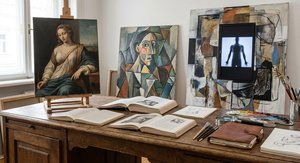
The Eloquent Body: A Historical Survey of Figure Painting & Representation
Explore the rich history of figure painting from antiquity to the Renaissance! Discover iconic artworks, masterful techniques & enduring symbolism. Find museum-quality reproductions at ArtsDot.

From Imagination to Canvas: Commissioning Bespoke Fantasy Art with Traditional Oil Painting Techniques
Commission breathtaking bespoke fantasy art with skilled oil painters. Explore techniques, artist selection & preservation tips. Invest in a unique masterpiece today!
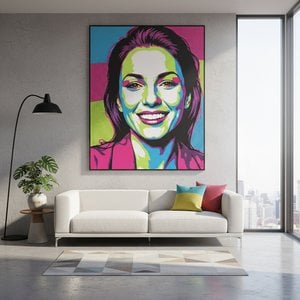
Transformišite Lične Fotografije u Savremenu Umetnost: Pop Art kao Izraz Individualnosti i Trenda u Dizajnu Enterijera
Transformišite omiljene fotografije u unikatna Pop Art dela sa ArtsDot.com! Ručno rađene reprodukcije, vrhunski kvalitet i personalizovani dizajn za vaš dom. Kreirajte nasleđe koje traje!

