


 Pregledaj u prostoru
 Podeli
 Podeli
 Detalji
 Vodič
Vodič

 Preuzmi sliku
 Slični predmeti
 Rendgenski snimak
 Automatska prezentacija
 Statistika
Yan'an


 Pročitaj više
Umetničko delo prikazano na ovoj stranici zaštićeno je autorskim pravima, što znači da zakonski nismo u mogućnosti da kreiramo niti prodajemo identičnu reprodukciju. Ova zaštita se sprovodi u skladu sa međunarodnim sporazumima kao što su Bernska konvencija i nacionalnim zakonima, uključujući i one koji su definisani u Američki zakon o autorskom pravu – Naslov 17.
Kao poštovana i legalna alternativa, nudimo prilagođene, ručno oslikane umetničke radove inspirisane originalom. Naši stručni i profesionalni umetnici pažljivo proučavaju stil, ambijent i umetničku suštinu originala kako bi kreirali novo, unikatno delo koje budi istu emociju – ostajući pritom potpuno autentično stvaranje.
Ovaj metod je u potpunosti usklađen sa regulativama o autorskim pravima jer ne podrazumeva kopiranje ili dupliranje zaštićenih umetničkih dela. Umesto toga, reč je o kreativnoj reinterpretaciji – novom slikarskom delu koje je inspirisano originalom, ali nije identično njemu.
Ručno rađena uljana reprodukcija
Ručno oslikano uljanim bojama na platnu u dimenzijama i okviru po vašem izboru, izrađeno po porudžbini od strane naših umetnika. ( Pređi na prodaju štampanih primeraka Pređi na prodaju digitalnih slika)




































Izaberite jednu od naših unapred definisanih veličina koje odgovaraju originalnim proporcijama umetničkog dela.

Unesite širinu i visinu koja vam je potrebna, kako bi se uklopili u vaš ram ili zid. Pošto je ovo ručno oslikano delo, umetnik može naslikati malo više prostora oko slike ili malo skratiti ivice za dimenzije drugačijeg oblika — izbor je na vama. Pre početka rada, poslaćemo vam digitalni prikaz radi potvrde. Slika prikazana na ovoj stranici ne predstavlja konačan rezultat — samo digitalni prikaz pokazuje stvarnu sliku.
Nakon narudžbine, tim ArtsDot.com će klijentu putem e-pošte poslati uputstva i dostaviti prikaz predloženog rešenja
Svetska isporuka () za 3/4 nedelje umesto uobičajenih 5 nedelja. (22 октобар). Bez kompromisa po pitanju kvaliteta.

Besplatna ekspresna dostava širom sveta

Visokokvalitetno laneno platno

Sveobuhvatno osiguranje transporta

Garancija povraćaja carine i uvoznih dažbina

Garancija vernosti boja i autentičnosti pri reprodukciji

Politika povraćaja u roku od 100 dana (samo u slučaju nedostataka)

Garancija povrata 100% novca

Popust pri većoj količini
 Opcija sa staklom dostupna je samo za dimenzije manje od 110 cm

Yan'an
Tehnika izrade reprodukcije
Veličina reprodukcije
-


Ukupna cena
дин 26957
Pitanja i odgovori
Da li je „Yan'an”, Fu Baoshi svetlo ili tamno umetničko delo?
U pogledu percepcije osvetljenosti, „Yan'an”, Fu Baoshi je bright.
Kako "Yan'an" balansira svetlo i tamno?
„Yan'an“ ima ukupnu osvetljenost od bright, dok je luminansa Gentle Luminance.
Koliki je nivo kontrasta kod dela „Yan'an”, Fu Baoshi?
Svetlo-tamni kontrast dela "Yan'an" zabeležen je kao Statement. Kontrast opisuje koliko se snažno razlikuju svetle i tamne površine.
Srodna umetnička dela


Biografija umetnika
Fu Baoshi: A Pioneer of Modern Chinese Landscape Painting
Fu Baoshi (傅抱石), born October 5, 1904, in Xinyu, Jiangxi Province, China, stands as a pivotal figure in the history of twentieth-century Chinese art. His artistic journey began amidst the turbulent backdrop of China’s transformation—from imperial decline to republican upheaval and ultimately communist revolution—yet he forged an enduring legacy rooted in profound respect for tradition while simultaneously embracing innovative techniques and stylistic explorations. Largely self-taught, Fu Baoshi's early artistic inclinations led him to Japan where he pursued formal studies at the Tokyo School of Fine Arts from 1933 to 1936, immersing himself in the study of Oriental Art history and absorbing influences from Western aesthetics. This dual exposure profoundly shaped his artistic vision.- Early Influences & Training: Fu Baoshi’s formative years were marked by a dedication to mastering both Eastern and Western artistic traditions. He diligently studied calligraphy and painting techniques, recognizing the importance of grounding oneself in established conventions before venturing into experimentation.
- Japanese Connection: His time in Japan wasn't merely academic; it instilled within him an appreciation for Japanese visual elements—particularly Shitao’s masterful landscape style—which would become a cornerstone of his artistic approach.
- Return to China & The Nanjing School: Upon returning to Xinyu, Fu Baoshi established the Jiangsu Province Chinese Painting School and spearheaded the Nanjing School of Fine Arts, attracting talented artists who shared his commitment to revitalizing Chinese painting through modern sensibilities.
The Pursuit of Style & Technique – Embracing Shitao’s Legacy
Fu Baoshi's artistic breakthrough arrived in the early 1940s when he decisively adopted Shitao’s distinctive style—characterized by dynamic ink wash techniques and serene mountain vistas—as his primary inspiration. This stylistic choice wasn’t simply a matter of imitation; it represented a deliberate effort to recapture the grandeur and poetic atmosphere of classical landscape painting while simultaneously adapting it to the realities of the era. He meticulously honed his brushwork, mastering the subtle nuances of tonal gradation and textural variation – techniques that would become synonymous with his oeuvre. Notably, he experimented with “splattered ink,” a revolutionary method mirroring developments in Abstract Expressionism, prioritizing spontaneity and emotional resonance over meticulous detail.- Splattered Ink Method: Fu Baoshi’s innovative splattered ink technique—a bold departure from traditional brushwork—became his signature style, reflecting the spirit of experimentation prevalent during the war years.
- Color Palette & Atmospheric Effects: He skillfully employed color palettes that evoked mood and emotion, prioritizing atmospheric depth and luminosity over literal representation.
- Detailed Observation & Artistic Expression: Despite embracing spontaneity, Fu Baoshi maintained a keen eye for observation, translating his perceptions of nature into powerfully expressive paintings.
Major Achievements & Recognition – A Master Painter Emerges
Fu Baoshi’s artistic accomplishments extended far beyond stylistic innovation; he became one of China's foremost landscape painters and a respected teacher whose influence spanned generations. He undertook extensive research into the history of Chinese landscape painting, meticulously analyzing the works of Gu Kaizhi, Zhan Ziqian, Jing Hao, Wu Daozi, Li Sixun, Li ZhaoDao and Zhang Yan Yuan—giants of Tang Dynasty art—and diligently studied the techniques employed by Gao Kegong and Ni Zan during the Yuan Dynasty. His unwavering dedication to artistic scholarship underpinned his creative output, informing his stylistic choices and enriching his understanding of artistic tradition. He was awarded numerous accolades for his work, cementing his reputation as a visionary artist who successfully blended poetic atmosphere with masterful painting techniques.- Research into Landscape Painting History: Fu Baoshi’s scholarly pursuits—particularly his detailed analysis of Tang Dynasty landscape painters—provided him with invaluable insight into artistic principles and stylistic evolution.
- Influence on Subsequent Generations: His teachings at Nanjing University instilled in countless students a passion for Chinese painting and contributed to the preservation and advancement of artistic traditions.
- Critical Acclaim & Artistic Legacy: Fu Baoshi’s paintings garnered widespread acclaim from critics and collectors alike, securing his place as one of China's most celebrated landscape artists.
Concluding Reflections – A Voice for Modern China
Fu Baoshi died September 29, 1965 in Nanjing, China. His artistic output reflected the complex socio-political landscape of Mao Zedong’s era—a period marked by fervent nationalism and a commitment to socialist ideals—yet he remained steadfastly devoted to his own artistic vision. He championed the revival of traditional Chinese painting styles while simultaneously embracing modern technological subjects like airports and telephone lines, demonstrating an unparalleled ability to synthesize disparate influences into a uniquely expressive aesthetic. Fu Baoshi’s enduring legacy resides not merely in his stunning landscapes but also in his unwavering belief that art could serve as a conduit for conveying profound emotions and celebrating the beauty of China's natural heritage—a conviction that continues to inspire artists today.
Fu Baoshi
1904 - 1965
Brzi pregled
- Full Name: Fu Baoshi
- Nationality: Chinese
- Date Of Birth: 1904
- Date Of Death: 1965
- Place Of Birth: Xinyu, Jiangxi Province
- Notable Artworks:
- The Elixir Terrace
- Yan'an
- Set of Fan Paintings Leaf 5
- Artistic Movement Or Style: Modern Chinese Painting
- Artists Who Influenced This Artist:
- Shi Tao
- Huang Binhong
- Artists Or Movements Influenced By This Artist:
- Gao Kegong
- Ni Zan
Srodni članci

The Beauty of Ink Wash: Discover Serene & Soulful Art for Your Home
Discover the tranquil beauty of ink wash painting. Explore how Sumi-e and monochrome landscapes bring Zen-inspired serenity and soulful elegance to your home decor through expert curation and timeless East Asian aesthetics.

Glavna dela koja su definisala Romantični pejzaž: 10 remek-dela za vaš dom
Otkrijte 10 remek-dela romantičnog pejzažnog slikarstva! Uronite u svet Claude Lorraina, Caspara David Friedricha i Turnera. Ispričane priče umetnosti, inspiracija za dekoraciju doma. Kvalitetne reprodukcije na ArtsDot.com – istražite celu kolekciju online!

Katsushika Hokusai: 25 Remek-dela Japanskog Umetnika za Vaš Dom | ArtsDot
Uronite u svet Katsushike Hokusaija! Otkrijte 25 remek-dela japanskog umetnika, uključujući čuveni 'Veliki talas'. Ukiyo-e štampe, pejzaži i istorija iza svakog dela. Pronađite inspiraciju za dekor enterijera i kupite reprodukcije slika vrhunskog kvaliteta na ArtsDot.com.

Ephemeral Expressions: Exploring the Nuances of Ink on Paper Through History & Contemporary Art
Explore the captivating world of ink wash painting – from its ancient origins to contemporary masters. Discover techniques, symbolism & conservation insights with ArtsDot.com.
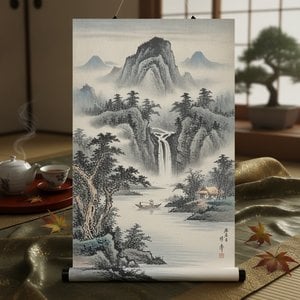
Serenity on Canvas: A Guide to the Timeless Beauty of Japanese Landscape Painting
Discover the serene beauty of Japanese landscape painting. From Hokusai's iconic woodblock prints to meditative sumi-e ink washes, explore a visual journey through the 'floating world' and learn how to bring this timeless Zen aesthetic into your modern home decor.