


 Pregledaj u prostoru
 Pošalji
 Podeli
 Detalji o delu

 Преузми
 Slični predmeti
 Rendgenski snimak
 Slajdovi
 Statistika
A Scene in Tours


 Pročitaj više
Ručno rađena uljana reprodukcija
Ručno oslikano uljanim bojama na platnu u dimenzijama i okviru po vašem izboru, izrađeno po porudžbini od strane naših umetnika. ( Pređi na štampu Pređi na digitalnu sliku)




































Izaberite jednu od naših unapred definisanih veličina koje odgovaraju originalnim proporcijama umetničkog dela.

Можете унети сопствене димензије како бисте прилагодили дело одређеном оквиру или простору. Ако одабрана величина не одговара пропорцијама оригинала, слика ће бити исечена или проширена додатним елементима који се ручно насликавају. Дигитални prikaz ће вам бити послат на одобрење пре почетка производње.
Имајте на уму да преглед на екрану не одражава стварно исецање или проширење. Само приказ (mockup) ће тачно приказати коначну композицију.
Иако су доступне прилагођене величине, препоручујемо да одаберете димензију из дефинисане листе како бисте сачували оригиналне пропорције.
Nakon narudžbine, tim ArtsDot.com će klijentu putem e-pošte poslati uputstva i dostaviti prikaz predloženog rešenja
Isporuka širom sveta () za 3/4 nedelje umesto uobičajenih 5 nedelja. (11 септембар). Bez kompromisa po pitanju kvaliteta.

Besplatna ekspresna dostava širom sveta

Visokokvalitetno laneno platno

Kompletno osiguranje transporta

Garancija povraćaja carine i uvoznih dažbina

Garancija vernosti boja

Politika povraćaja u roku od 100 dana (isključivo u slučaju nedostataka)

Garancija povrata novca od 100%

Popust pri grupnoj kupovini
 Opcija sa staklom dostupna je samo za dimenzije manje od 110 cm

A Scene in Tours
Tehnika reprodukcije
Dimenzije reprodukcije
-


Konačna cena
$ 388
The Artist and His Work
Fredrick G Hall was a talented artist known for his etchings, which often featured scenes from everyday life. His work is characterized by its precision and elegance, making him a notable figure in the art world. A Scene in Tours is a prime example of his skill, capturing the essence of a bustling city street with ease.The Painting
The etching depicts a street scene in Tours, France, with several people walking down the sidewalk. The image features two benches, one near the center and another towards the right side, adding to the sense of depth and perspective. A clock mounted on the wall above the street provides a sense of time, while the overall atmosphere suggests a lively city life. Key Features of the etching include:- The use of black and white to create a sense of contrast and depth
- The attention to detail in the depiction of everyday life
- The elegant lines and precision of the etching technique
Similar Works
Other notable works by Fredrick G Hall include Rouen, Porte de Guillaume, also an etching, which can be found on ArtsDot.com. For more information on the artist and his work, visit ArtsDot.com.The Smithsonian American Art Museum is home to many notable works, including those by Howard Cook and Helen Hyde. For more information on these artists and their work, visit Wikipedia.
Srodna umetnička dela


Biografija umetnika
Early Life and Artistic Foundations
Frederick Hall, known affectionately as Fred Hall by many, emerged onto the British art scene in 1860, born in the quaint village of Stillington, Yorkshire. His early life was steeped in a traditional upbringing—his father’s profession as a physician instilled a sense of observation and detail that would later profoundly influence his artistic pursuits. Hall's formal training began at the Lincoln School of Art between 1879 and 1881, where he honed foundational skills in drawing and painting. However, it was his subsequent move to Antwerp and study under Charles Verlat that truly ignited his passion for art and set him on a path toward becoming a notable figure within the burgeoning Impressionist movement. This period exposed him to continental European techniques and aesthetics, broadening his artistic horizons beyond the constraints of traditional British styles.The Newlyn School and Rustic Realism
Hall’s arrival in Cornwall sometime between 1883 and 1885 marked a pivotal moment in his career. He became an integral part of the celebrated Newlyn School, joining fellow artists like Frank Bramley and Stanhope Forbes in capturing the essence of rural life. The Newlyn painters were committed to *plein air* painting—working directly from nature—and Hall wholeheartedly embraced this approach. His early works from this period reflect a dedication to realism, depicting scenes of everyday Cornish life with an honest and unromanticized gaze. Subjects included laborers returning from the fields, intimate domestic moments, and the rugged beauty of the coastal landscape. These paintings weren’t merely depictions; they were social commentaries, offering glimpses into the lives of working-class communities often overlooked by more conventional artists. Hall's ability to capture light and atmosphere, combined with his keen eye for detail, quickly established him as a promising talent within the school.A Shift Towards Impressionism and Parisian Recognition
While initially rooted in realism, Hall’s artistic style underwent a gradual but significant transformation over time. He began experimenting with looser brushstrokes, brighter palettes, and a greater emphasis on capturing fleeting moments of light and color—characteristics that define Impressionism. This evolution wasn't abrupt; it was a natural progression fueled by his growing desire to move beyond mere representation and explore the emotional impact of visual experience. A testament to this stylistic shift came in 1912, when Hall received a gold medal at the prestigious Paris Salon. This recognition solidified his reputation on an international stage and signaled his departure from the strict confines of the Newlyn School’s aesthetic. He continued exhibiting at the Royal Academy, demonstrating a consistent commitment to artistic innovation throughout his career.Caricatures and Artistic Community
Beyond his paintings, Hall possessed a remarkable talent for caricature. He created a series of witty and insightful drawings that playfully depicted his fellow artists within the Newlyn School—Frank Bramley, Stanhope Forbes, and Norman Garstin among them. These caricatures weren’t malicious; rather, they were affectionate observations that captured the personalities and quirks of his artistic peers. They offer a unique glimpse into the dynamics of the Newlyn community and provide valuable insight into the social lives of these artists. These drawings, often preserved in scrapbooks, reveal Hall's keen sense of humor and his ability to see beyond surface appearances.Legacy and Historical Significance
Frederick Hall’s artistic journey reflects a fascinating interplay between realism and Impressionism. He began as a dedicated chronicler of rural life, capturing the essence of Cornish communities with honesty and detail. Over time, he embraced the principles of Impressionism, seeking to convey not just *what* he saw but *how* it felt. His works offer a valuable window into 19th-century British art, bridging the gap between traditional academic styles and the emerging modern movements. Hall’s influence extends beyond his paintings; his caricatures provide a unique historical record of the Newlyn School and its vibrant artistic community. He settled in Speen, near Newbury in Berkshire, where he continued to paint until his death in 1948 at the age of 88, leaving behind a body of work that continues to captivate and inspire art lovers today. His paintings are held in numerous public collections across England, Australia, and New Zealand, ensuring his legacy endures for generations to come.
Osnovne informacije
- Artistic Movement Or Style: Impressionism
- Artists Or Movements Influenced By This Artist: ['Newlyn School']
- Artists Who Influenced This Artist:
- William Paxton
- Henri Royer
- Date Of Birth: February 6, 1860
- Date Of Death: August 21, 1948
- Full Name: Frederick Garrison Hall
- Nationality: American
- Notable Artworks:
- Homeward
- December
- Place Of Birth: Baltimore, Maryland
Povezani članci

The Intricate World of Etching: A Historical Survey of Technique, Aesthetic Evolution, and Enduring Artistic Impact
Explore the rich history of etching, from its origins to modern practice. Discover techniques, key artists like Rembrandt, and insights for collectors. A comprehensive guide by ArtsDot.

Etching: A Historical Survey of Technique, Aesthetic Qualities & Enduring Artistic Significance
Explore the rich history of etching, from its origins to Rembrandt's masterful innovations. Discover the technique, aesthetic qualities & enduring legacy of this captivating art form. Expert insights for collectors and enthusiasts.
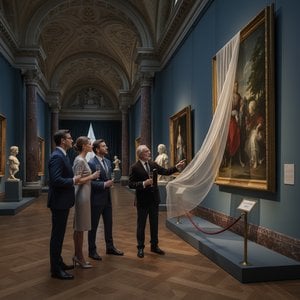
Ekskluzivne VIP Posete Muzejima sa ArtsDot.com: Pristup i Personalizirana Iskustva za Elitne Kolekcionare
Otkrijte ekskluzivne VIP posete muzejima sa ArtsDot.com! Personalizirana iskustva, direktan kontakt sa kustosima i privilegije za elitne kolekcionare. Rezervišite sada!

Etching Masters: 10 Legendary Prints That Revolutionized Art | ArtsDot
Journey through 10 legendary etching masterpieces by Rembrandt, Dürer & Goya. Explore the history of printmaking and discover timeless art for your home. Find museum-quality reproductions at ArtsDot.com.

Ekskluzivne kulturne oaze: Privatni muzejski turovi za klijente sa visokim standardima – Nova paradigma luksuznog turizma.
Otkrijte ekskluzivne privatne muzejske turove za klijente sa visokim standardima. ArtsDot.com nudi personalizirana kulturna iskustva i unapređenje hotelske ponude. Luksuzni turizam na novom nivou!