

 Pregledaj u prostoru
 Pošalji
 Podeli
 Detalji o delu
 Vodič
Vodič

 Preuzmi
 Slični predmeti
 Rendgenski snimak
 Automatska prezentacija
 Pitanja i odgovori
 Statistika
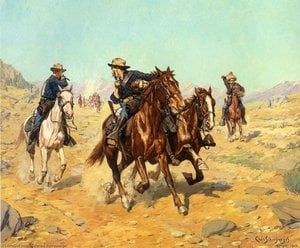
The Cowboy


 Pročitaj više
Giclee štampa / Umetnički otisak
Giclée štampa ili print na platnu muzejskog kvaliteta uz brzu izradu i raznovrsne opcije završne obrade. ( Kupite ručno oslikano delo Pređi na digitalnu sliku)




P118B дин10

P118H дин10

P118W дин10

P438Z дин10

P508JH дин12

P508YH дин12

P805H дин10

P805Z дин10

P919BZ дин10

P919G дин10

P919XJ дин10

P959ZH дин10

P968JZ дин12

W106C дин8

W218G дин10

W218JH дин8

W218Y дин10

W307PJ дин10

W316G дин10

W316PJ дин8

W316Y дин10

W398PJ дин8

W4111J дин10

W500HY дин15

W500JH дин15

W692G дин12

W849H дин8

W940BG дин15

W953PJ дин8




Izaberite jednu od naših unapred definisanih veličina koje odgovaraju originalnim proporcijama umetničkog dela.

Unesite željenu širinu i visinu kako bi se štampa uklopila u vaš ram ili zid. Štampu je moguće samo iseći, ali nikada povećati iznad dimenzija originalne slike, stoga format sa drugačijim proporcijama uzrokuje gubitak dela slike. Pre početka štampe, poslaćemo vam digitalni prikaz radi potvrde. Slika prikazana na ovoj stranici ne predstavlja stvarni isrez — to pokazuje samo digitalni prikaz.
Dostava širom sveta () za 2 nedelje umesto uobičajenih 4/5 nedelja. (4 новембар)

Besplatna ekspresna dostava širom sveta

Visokokvalitetno laneno platno

Potpuno osiguranje transporta

Garancija povraćaja carine i uvoznih dažbina

Garancija vernosti boja

Politika povraćaja u roku od 100 dana (samo u slučaju nedostataka)

Garancija povrata 100% novca

Popust na više proizvoda
 Opcija sa staklom dostupna je samo za dimenzije manje od 110 cm

The Cowboy
Giclee štampa / Umetnički otisak
Dimenzije reprodukcije
-


Ukupna cena
дин 6601
A Pioneer's Vision: Frederic Remington’s “The Cowboy”
Frederic Sackrider Remington (1861-1909) wasn’t merely an artist; he was a chronicler of the vanishing West, capturing its rugged beauty and spirit with unparalleled conviction. Born in Canton, New York, his artistic journey began not amidst the sprawling plains but within the confines of Eastern academia – a surprising contrast that fueled his fascination for the frontier experience. His lineage traced back to French Basque ancestry blended with Republican New England values, shaping him into an individual driven by both intellectual curiosity and a profound connection to the American landscape. This formative influence would ultimately propel him to become arguably the most recognizable artist of his era, cementing his legacy as a pivotal figure in Western art history. Early exposure to military themes instilled within Remington a disciplined eye for detail and storytelling—skills he honed during his service in Cuba and later as a cavalry officer – experiences that profoundly impacted his artistic sensibilities. He moved to Bloomington, Illinois, then Ogdensburg, New York, establishing himself as a family man while simultaneously nurturing his burgeoning passion for capturing the essence of the American West. Remington’s artistic breakthrough arrived with “The Cowboy,” painted in 1902 and now housed prominently within the Frederic Remington Art Museum in Ogdensburg, New York—a monumental canvas that encapsulates the grandeur and drama of the era.Style and Technique: Romantic Realism
Remington's approach to painting defied easy categorization; he embraced what is often termed “Romantic Realism.” Unlike Impressionists who sought fleeting moments of light and color, Remington meticulously rendered his subjects with painstaking accuracy—a testament to his unwavering commitment to portraying the West as it truly appeared. He employed a technique characterized by thick impasto brushstrokes – applying paint thickly onto the canvas – creating palpable texture that conveyed the physicality of the landscape and its inhabitants. This deliberate layering of pigment allowed him to capture not only visual details but also emotional resonance, conveying the ruggedness of the terrain and the determination of the cowboy figure. Remington’s masterful use of color—primarily earthy tones—further enhanced the painting's atmosphere, immersing viewers in the stark beauty of the American frontier.Historical Context: The Twilight Years of Cowboy Culture
“The Cowboy” emerged during a period of significant transformation within the United States – the waning days of the Wild West era. Remington’s depiction reflects the anxieties and aspirations surrounding this transition, portraying a cowboy poised for action amidst a vast expanse of prairie land. The painting captures the spirit of a bygone age—a time when cowboys represented independence, resilience, and mastery over the natural world. Simultaneously, it acknowledges the encroaching influence of civilization, symbolized by the distant mountains looming in the background – a subtle reminder that even the most iconic symbols of freedom were inevitably destined to fade into history. Remington’s work served as a poignant commentary on this pivotal moment in American cultural identity.Symbolism and Emotional Impact: Courage and Isolation
Beyond its technical brilliance, “The Cowboy” resonates deeply with viewers due to its potent symbolism. The cowboy himself embodies courage, perseverance, and unwavering resolve—qualities admired throughout the West’s history. His posture exudes confidence as he prepares for a ride, conveying a sense of mastery over his surroundings and an acceptance of the challenges inherent in frontier life. Furthermore, the solitary figure against the expansive landscape underscores themes of isolation and vulnerability – highlighting the profound connection between humans and nature while simultaneously acknowledging the hardships faced by those who dared to inhabit this untamed wilderness. Remington’s masterful composition evokes a feeling of awe and wonder—inspiring contemplation on the enduring spirit of adventure and the beauty of the American West.Conclusion: An Enduring Legacy
Frederic Remington's “The Cowboy” remains an unforgettable masterpiece, securing its place as one of the most iconic images of the American West. Its meticulous realism combined with emotive brushstrokes continues to captivate audiences today—a testament to Remington’s unparalleled ability to translate experience into art. Reproductions of this monumental painting are treasured by collectors and interior designers alike, serving as a tangible reminder of a bygone era and an enduring celebration of the spirit of exploration and resilience that defined the American frontier.Pitanja i odgovori
U kojoj fazi karijere umetnika Фредерик Ремингтон pripada delo "The Cowboy" (1902)?
S obzirom na datum nastanka iz 1902. godine, delo "The Cowboy" pripada Late Romanticism periodu umetnika Фредерик Ремингтон.
U kom delu doma bi se reprodukcija dela "The Cowboy" lepo uklopila?
„The Cowboy”, autor Фредерик Ремингтон se preporučuje za Living Room. Ovaj predlog je zasnovan na temi, bojama i raspoloženju dela.
Kolika je percepcija osvetljenosti dela „The Cowboy”, autor Фредерик Ремингтон?
Sveukupno, "The Cowboy" je zabeležen kao brilliant. Percepcija osvetljenosti opisuje koliko delo deluje svetlo ili tamno.
Srodna umetnička dela



Biografija umetnika
Хроничар Нестајућег Запада: Живот и Уметност Фредерика Ремингтона
Фредерик Сакридер Ремингтон, рођен у Кантону, Њујорк, 4. октобра 1861. године, није био продукт Дивљег Запада који је тако живописно приказивао; већ Источњак који је обликовао свој уметнички идентитет кроз фасцинацију и посвећено изучавање. Његово порекло указује на живот далеко од прашњавих стаза и кавалтеријских напада – француско-баскенске претке помешане са чврстим републиканским коренима Нове Енглеске, оца који је био пуковник у Грађанском рату и уредник новина, и везе са чувеном династијом Remington Arms кроз далеке рођаке. Ипак, рано излагање војној тематици, заједно са немиром и оштрим оком за приповедање, одвело га је на пут ка томе да постане вероватно најпрепознатљивији уметник Америчког Запада. Његово детињство се преселило у Блумингитон, Илиноис, па назад у Кантон и коначно Огденсбург, Њујорк, али његова машта је остала опседнута причама о животном стилу на граници. Иако је првобитно усмерен ка војној едукацији на Vermont Episcopal Institute, Ремингтонов прави позив није био у праћењу наређења, већ у посматрању и тумачењу света око себе кроз уметност. Кратко време проведено на Универзитету Јејл то је потврдило; фудбал и скицирање су имали много више апела него формално академско тежиште.Од Илустратора до Сликара: Ковање Уметничке Визије
Ремингтонов уметнички пут није започео са великим платнима, већ са мастилом и папиром. Његов први објављени рад, карикатура за *Yale Courant*, сигнализирао је рану способност да зароби акцију и наратив. Кључно путовање у Монтану 1881. године запалило је његову доживотну опсесију Западом. Ово није било само туристички поглед; Ремингтон је тражио да се урони у културу, посматрајући каубоје, домороце и сам пејзаж. Првобитно је покушао са раничарењем и рударством, али то се није показало успешним, ослобађајући га да се потпуно посвети уметности. Вративши се на Исток, брзо се усталио као илустратор за часописе као што су *Harper's Weekly* и *Collier’s*, његове динамичне слике западних сцена очаравајући националну публику жедну прича о граници. Ове илустрације нису биле само извештај; били су прожети драмом, енергијом и романтизованом визијом Запада која је дубоко резонирала са јавним разумевањем. Кроз овај рад је Ремингтон усавршио своје вештине у композицији, хватању покрета и преношењу емоција – квалитетима који су касније дефинисали његова сликања. Примио је минималну формалну обуку осим неколико часова цртања на Јејлу и кратког периода на Art Students League, развијајући уместо тога препознатљив стил карактеризован енергичним потезима кистом, смелим бојама и фокусом на реализам помешан са драматичном страшћу.Заробљање Нестајућег Света: Теме и Стил
Ремингтонова уметност је неодвојиво повезана са специфичним моментом у америчкој историји – сумраком Старог Запада. Његова платна су насељени иконичним фигурама: храбри каубоји који гоне стоку, стоички домороци који се суочавају са расељавањем, и војници америчке коњице укључени у херојске битке и трагичне конфликте. Није избегавао да прикаже тешке стварности живота на граници, али његов рад често тежи романтизованом приступу, истичући храброст, авантуру и судар култура. Његова сликања нису једноставно историјски документи; они су евокативни наративи који истражују теме хероизма, губитка и неизбежног марша прогреса. Ремингтонов стил се развијао током времена, прелазећи од чвршћих, академскијих рендеринга до лабављих, експресивнијих потеза кистом. Био је мајстор у хватању покрета – коњи који галопирају преко равница, каубоји који се боре са биковима, војници који нападају у битку. Често је користио брзе скице и фотографије као референтни материјал, али његова уметност је увек надмашила пуко имитирање, прожето његовом сопственом уникатном визијом и емоционалним интензитетом. Позната дела попут *My Ranch*, *Waiting in the Moonlight*, *Ridden Down* (1905) и *The Long-Horn Cattle Sign* (1908) оличавају његову способност да зароби величину и рањивост Америчког Запада.Наслеђе и Трајан Утицај
Фредерик Ремингтон је изненада умро 1909. године у доби од 48 година, оставивши за собом огроман корпус дела који наставља да очарава публику данас. Његов утицај на западну уметност је неоспоран; он није само сликао Запад, већ је помогао да га *дефинише* за генерације Американаца. Установио је визуелни језик границе – иконографију каубоја, Индијанаца и коњице која је постала дубоко уграђена у популарној култури.- Његов рад је инспирисао безброј других уметника, укључујући Н.Ц. Вајета и Зејна Греја.
- Музеј уметности Фредерика Ремингтона у Огденсбургу, Њујорк, служи као сведочанство његовог трајног наслеђа, чувајући опсежну збирку његових сликања, скулптура и архивског материјала.
- Његова уметност се наставља излагати у главним музејима широм земље, укључујући Метрополитенски музеј уметности и Амон Картер музеј америчке уметности.

Фредерик Ремингтон
1861 - 1909 , Сједињене Америчке Државе
Osnovne informacije
- Artistic Movement Or Style: Zapadnoamerička umetnost
- Artists Or Movements Influenced By This Artist:
- N.C. Wyeth
- Zane Grey
- Date Of Birth: 4. oktobar 1861.
- Date Of Death: 26. decembar 1909.
- Full Name: Frederic Sackrider Remington
- Nationality: Amerikanac
- Notable Artworks:
- My Ranch
- Waiting in the Moonlight
- Ridden Down (1905)
- Place Of Birth: Kanton, SAD
Povezani članci

Charles Marion Russell: Capturing the American West Through a Romantic Lens
Explore the captivating world of Charles Marion Russell, 'the cowboy artist.' Discover his life, iconic paintings, advocacy for Native Americans, and investment potential. A guide for discerning art collectors.

Evocations of Place: A Historical Journey Through Landscape Art
Explore the rich history of landscape art with ArtsDot. Discover renowned artists, movements like Impressionism & Romanticism, and expert guidance for collecting timeless pieces. Find your perfect serene escape today!

Grant Wood & American Regionalism: Identity, Myth & the Rural Landscape
Explore the world of Grant Wood & American Regionalism with ArtsDot. Discover the symbolism behind 'American Gothic', recurring themes, and the movement's lasting impact on art history. High-quality reproductions available.

Alfred Jacob Miller: Chronicling the American West Through Artistic Observation & Narrative
Explore the captivating art of Alfred Jacob Miller, chronicler of the American West. Discover his iconic paintings, techniques & lasting legacy – a valuable addition to any serious collection. Learn more at ArtsDot.

Albert Bierstadt: Luminosity, Landscape & the American Ideal
Explore the breathtaking landscapes of Albert Bierstadt, master of the American West & a leading figure in the Hudson River School. Discover his luminous style and iconic paintings – a timeless investment for art lovers.