

 Pregledaj u prostoru
 Pošalji
 Podeli
 Detalji o delu
 Vodič
Vodič

 Preuzmi
 Slični predmeti
 Rendgenski snimak
 Automatska prezentacija
 Pitanja i odgovori
 Statistika
Lady with Fan

- 109.0 x 82.0 cm


 Pročitaj više
Giclee štampa / Umetnički otisak
Giclée štampa ili print na platnu muzejskog kvaliteta uz brzu izradu i raznovrsne opcije završne obrade. ( Kupite ručno oslikano delo Pređi na digitalnu sliku)




P118B дин10

P118H дин10

P118W дин10

P438Z дин10

P508JH дин12

P508YH дин12

P805H дин10

P805Z дин10

P919BZ дин10

P919G дин10

P919XJ дин10

P959ZH дин10

P968JZ дин12

W106C дин8

W218G дин10

W218JH дин8

W218Y дин10

W307PJ дин10

W316G дин10

W316PJ дин8

W316Y дин10

W398PJ дин8

W4111J дин10

W500HY дин15

W500JH дин15

W692G дин12

W849H дин8

W940BG дин15

W953PJ дин8




Izaberite jednu od naših unapred definisanih veličina koje odgovaraju originalnim proporcijama umetničkog dela.

Unesite željenu širinu i visinu kako bi se štampa uklopila u vaš ram ili zid. Štampu je moguće samo iseći, ali nikada povećati iznad dimenzija originalne slike, stoga format sa drugačijim proporcijama uzrokuje gubitak dela slike. Pre početka štampe, poslaćemo vam digitalni prikaz radi potvrde. Slika prikazana na ovoj stranici ne predstavlja stvarni isrez — to pokazuje samo digitalni prikaz.
Dostava širom sveta () za 2 nedelje umesto uobičajenih 4/5 nedelja. (6 новембар)

Besplatna ekspresna dostava širom sveta

Visokokvalitetno laneno platno

Potpuno osiguranje transporta

Garancija povraćaja carine i uvoznih dažbina

Garancija vernosti boja

Politika povraćaja u roku od 100 dana (samo u slučaju nedostataka)

Garancija povrata 100% novca

Popust na više proizvoda
 Opcija sa staklom dostupna je samo za dimenzije manje od 110 cm

Lady with Fan
Giclee štampa / Umetnički otisak
Dimenzije reprodukcije
-


Ukupna cena
дин 6605
A Portrait of Quietude: Frank Duveneck’s “Lady with Fan”
Frank Duveneck's "Lady with Fan," painted in 1873, is more than just a portrait; it’s a carefully constructed tableau of melancholy and introspection. This intimate scene, rendered in the artist’s signature Impressionistic style, captures a moment suspended between awareness and withdrawal – a young man lost in thought, partially shielded by the delicate grace of a fan. The painting immediately draws the viewer into its somber atmosphere, achieved through a muted color palette dominated by deep blues, browns, and greys, punctuated by subtle highlights that suggest an unseen light source. Duveneck masterfully employs loose brushstrokes, creating a textured surface that invites close examination, revealing the physicality of his technique – thick impastoed layers of oil paint build up the form, lending a tactile quality to the figure’s clothing and face.
The composition itself is subtly arresting. The subject, positioned slightly off-center, avoids direct confrontation, fostering a sense of quiet observation rather than dramatic engagement. His gaze is averted, lost in contemplation, while the fan, held delicately in his hand, becomes a potent symbol – perhaps representing fleeting beauty, a momentary distraction from deeper emotions, or even a veiled attempt to conceal vulnerability. The details are meticulously observed: the subtle lines etched around the eyes, the slight downturn of the mouth, all contribute to an expression of restrained sadness. Duveneck’s skill lies not in idealized representation but in capturing the nuances of human feeling, revealing a depth of emotion beneath a surface of composure.
The Artist and His Context
Frank Duveneck's life was marked by both artistic triumph and profound personal tragedy. Born in Covington, Kentucky, in 1848, he experienced early loss – the death of his father at a young age profoundly shaping his outlook. This formative experience, coupled with his stepfather’s influence and his own burgeoning artistic talent, instilled within him a resilience and sensitivity that would permeate his work. Duveneck's training initially involved church decoration, providing him with invaluable technical skills, but he quickly gravitated towards portraiture, developing a distinctive style influenced by Frans Hals and the Munich School – characterized by its directness, emotional intensity, and vibrant use of color.
The 1870s witnessed a shift in American art away from the rigid conventions of the Hudson River School, and Duveneck was at the forefront of this movement. He embraced Impressionistic techniques, prioritizing capturing fleeting moments of light and atmosphere over meticulous detail. His work resonated with a growing sense of individualism and emotional honesty, reflecting the changing social landscape of late 19th-century America. His decision to move to Europe, particularly Munich, allowed him to refine his technique and connect with other progressive artists, further solidifying his place within this evolving artistic dialogue.
Technique and Materials
“Lady with Fan” is a testament to Duveneck’s mastery of oil paint. The painting's rich texture is achieved through the application of thick, layered impasto – a technique that not only adds visual interest but also emphasizes the physicality of the paint itself. The artist skillfully manipulated light and shadow to create a sense of depth and volume, using subtle gradations of tone to define the figure’s form and clothing. The loose brushstrokes, characteristic of Impressionism, contribute to the painting's atmospheric quality, conveying a sense of movement and immediacy.
Duveneck’s choice of materials – traditional oil paints on canvas – speaks to his commitment to craftsmanship and his desire to create works that would endure over time. The pigments he employed were carefully selected to achieve the desired color palette and luminosity, while the canvas provided a stable surface for his expressive brushwork. The layering technique allows for adjustments and corrections as the painting progressed, demonstrating Duveneck’s deliberate and considered approach to his art.
Symbolism and Emotional Resonance
Beyond its technical merits, “Lady with Fan” is rich in symbolic meaning. The fan itself is a key element, suggesting both elegance and a potential for distraction – a delicate barrier between the subject and the outside world. The muted color palette reinforces the painting’s melancholic mood, while the averted gaze invites contemplation about the inner life of the figure. It's a portrait that doesn’t offer easy answers but instead prompts viewers to engage with their own emotions and interpretations.
Ultimately, “Lady with Fan” is a poignant meditation on solitude, introspection, and the complexities of human emotion. Duveneck’s ability to capture such subtle nuances within a single image speaks volumes about his artistic talent and his profound understanding of the human condition. A reproduction of this evocative work offers a glimpse into a bygone era, inviting us to pause and reflect on the beauty and melancholy inherent in quiet moments.
Pitanja i odgovori
U kom delu doma bi se reprodukcija dela "Lady with Fan" lepo uklopila?
Preporučeni prostor za „Lady with Fan”, autor Френк Дувенек je Living Room. Ovaj predlog se, naravno, može prilagoditi vašem enterijeru.
Da li je „Lady with Fan”, autor Френк Дувенек portret, pejzaž ili kvadratna kompozicija?
„Lady with Fan”, autor Френк Дувенек je u Portrait formatu. Format opisuje proporcije kompozicije.
Gde mogu da vidim prikaz za "Lady with Fan"?
Da biste pregledali reprodukciju dela „Lady with Fan”, autor Френк Дувенек, otvorite stranicu Pregled u prostoru za to umetničko delo.
Srodna umetnička dela


Biografija umetnika
Живот искован у трагедији и реализму
Франк Дувенек, рођен као Франк Декер 1848. године у растућем приобалном граду Ковингтону, Кентаки, био је уметник чија је животска прича подједнако фасцинантна као и његови снажно изведени платни. Ране године су му биле засенчене губитком; смрт оца од колере када је имао непуну годину дана неизбрисиво је обележила његов пут. Ова рана трагедија, у комбинацији са каснијим браком мајке за Јозефа Дувенека – по коме је усвојио своје трајно име – усадила му је осећај отпорности и можда, повећану осетљивост која ће касније проткати његову уметност. Мешавина немачког наслеђа преко очуваја и изразито америчког пејзажа његовог детињства створила је јединствену културну основу за уметника. Још као мали дечак, развио је дар за цртање, што га је одвело на студије код локалног сликара Јохана Шмита и апотекарску праксу са предузећем специјализованим за црквену декорацију – круцијални период у коме је усавршио техничке вештине и апсорбовао наративну моћ визуелног сликарства. Ово није било само овладавању техником; радило се о разумевању како уметност може да пробуди емоције и исприча приче, лекцијама које ће одјекивати током његове каријере.Крстарица Минхена: Прихватање мрачног реализма
Године 1869., Дувенек је кренуо на трансформаторно путовање у Минхен, Немачка, тражећи напреднију уметничку обуку на Краљевској академији. Овај потез се показао као преломан тренутак. Преовладавајућа естетика у Минхену био је строги реализам – намерно одбацивање академског идеализма у корист директног посматрања и неприкривене искрености. То је дубоко резонирало са Дувенеком, који је прихватио тамнију палету и енергичнији, експресивнији потез четкицом. Био је очаран делом холандског мајстора Франса Халса из 17. века, чији су живи портрети и мајсторско бављење светом вештинама снажно утицали на његов стил. Овај утицај је нарочито видљив у сликама као што је *Госпођа са вешалицом* (1873), где сецкајући потези четкицом и мрачна тоналност одјекују духом Халса, а истовремено успостављају Дувенеков властити препознатљиви глас. У овим формативним годинама започео је да развија свој карактеристични стил за који ће бити славан: моћан реализам прожет психолошком дубином и емоционалним интензитетом, одступање од полираних површина које су многи његови савременици фаворизовали. *Свирач писка* (1872) је пример ове ране експресивне моћи, који заробљава пролазни тренутак младог ентузијазма уз изузетну непосредност и опипљив осећај живота.Утицај ментора: "Дувенекови дечаци" и даље
До 1878. године, Дувенек се утврдио као значајна фигура у свету уметности, не само као сликар већ и као педагог. Отворио је своју школу у Минхену, привлачећи кохорту амбициозних америчких уметника који су постали познати као "Дувенекови дечаци". Међу њима су били Џон Твактман, Ото Бачер, Јулиус Ролшовен и Џон Вајт Александер – уметници који би сами постали истакнуте фигуре америчког импресионизма и реализма. Дувенекова филозофија подучавања наглашавала је директно посматрање, смеле потезе четкицом и одбацивање конвенционалних академских ограничења. Подстицао је своје ученике да ковају сопствене уметничке путеве док их је усмеравао на принципе солидног цртежа и експресивне боје. Њихов утицај се проширио назад у Америку када је прихватио позицију на Уметничкој академији у Синсинатију, где је подучавао још једну генерацију уметника укључујући Иду Холтерхоф Холовеј, Џона Кристена Јохансена и Расела Рајта. Неговао је дух иновација и независности који је помогао да обликује ток америчке уметности, остављајући неизбрисив траг на онима који су студирали под његовим руководством.Еволуирајуће визије и трајно наслеђе
Дувенеково уметничко путовање је наставило да се развија након повратка у Америку. Иако је остао посвећен реализму, његова палета је почела да се осветљава, под утицајем импресионизма и његових честих путовања у Италију и Француску. Све учесталије је истраживао пејзажно сликарство, заробљавајући сунцем заливене сцене Венеције и грубу лепоту обале Масачусетса. Упркос овим стилским променама, његово дело је увек задржало карактеристичан карактер – комбинацију техничке мајсторности, емоционалне дубине и психолошког увида. Лична трагедија губитка супруге, Елизабет Бут Дувенек, 1888. године бацила је дубоку сенку на његове касније године, можда доприносећи интроспективном квалитету неких од његових каснијих радова. Франк Дувенек је преминуо у Ковингтону, Кентаки, 1919. године, оставивши иза себе богато уметничко наслеђе. Његове слике се сада чувају у престижним збиркама као што су Метрополитен музеј уметности у Њујорку, Национална галерија уметности у Вашингтону, Д.Ц., и Синсинати музеј уметности – сведочења његовог трајног доприноса америчкој уметности. Остаје кључна фигура у прелазу од академске традиције до модерног реализма, уметник који се усудио да изазове конвенције и кова свој пут са непоколебљивом увереношћу.Трајан утицај
- Пионирски реализам: Дувенекова посвећеност приказивању живота какав је био, без идеализације, отворила је пут будућим генерацијама америчких реалистичких сликара.
- Утицајан педагог: Његово менторство "Дувенекових дечака" и накнадних студената на Уметничкој академији у Синсинатију имало је дубок утицај на развој америчког импресионизма и реализма.
- Техничка мајсторност: Дувенеково вешто бављење четкицом, бојом и композицијом наставља да инспирише уметнике данас

Френк Дувенек
1848 - 1919 , Сједињене Америчке Државе
Osnovne informacije
- Artistic Movement Or Style: Realizam
- Artists Or Movements Influenced By This Artist: ['Američki impresionizam']
- Artists Who Influenced This Artist: ['Frans Hals']
- Date Of Birth: 9. oktobar 1848.
- Date Of Death: 3. januar 1919.
- Full Name: Frank Duveneck
- Nationality: Amerikanac
- Notable Artworks (List Of Titles):
- Lady with Fan
- Whistling Boy
- Place Of Birth (City And Country): Kovington, SAD
Povezani članci
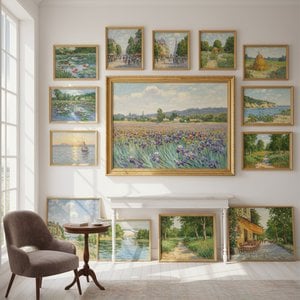
Impresionistički pejzaži: 10 remek-dela koja su definisala umetnički pokret
Otkrijte 10 remek-dela impresionizma koja su zauvek obeležila pejzažnu umetnost! Monet, Renoar i Degas – istražite priče iza svake slike. Inspiracija za dekoraciju enterijera i vrhunske reprodukcije na ArtsDot.com. Istražite kolekciju online!

Impressionistic Realism's Finest: 10 Masterpieces for Your Home | ArtsDot
Journey through Impressionistic Realism with 10 iconic masterpieces by Monet, Renoir & Van Gogh. Explore art history, techniques & find museum-quality reproductions for your home at ArtsDot.com. Discover all masterpieces online!

19th Century Masterpieces: 10 Paintings That Defined an Era | ArtsDot
Journey through 19th century art with ArtsDot! Explore 10 iconic paintings – from Monet & Renoir to Courbet – and discover the stories behind Romanticism, Realism & Impressionism. Find museum-quality reproductions for your home decor. Explore the full collection online!

Top 10 Remek-dela Impresionizma koji su Značili Revoluciju u Umetnosti | ArtsDot
Uronite u svet impresionizma! Otkrijte 10 remek-dela Moneta, Renoara, Degasa i Van Goga. Istorija umetnosti, tehnike slikanja i inspiracija za dekoraciju enterijera. Kvalitetne reprodukcije na ArtsDot.com.

Pierre-Auguste Renoir: 25 Remek-Dela Impresionizma za Vaš Dom | ArtsDot
Uronite u svet Pierre-Auguste Renoara! Otkrijte 25 remek-dela impresionizma, priče iza slika i tehničke detalje. Reprodukcije vrhunskog kvaliteta za vaš dom dostupne na ArtsDot.com. Istražite celu kolekciju online!