


 Pregledaj u prostoru
 Pošalji
 Podeli
 Detalji o delu

 Преузми
 Slični predmeti
 Rendgenski snimak
 Slajdovi
 Statistika
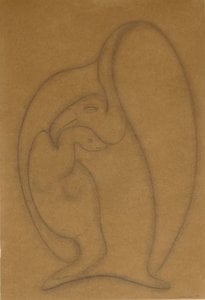
Grape-picker Extemporizing

 Pročitaj više
Ručno rađena uljana reprodukcija
Ručno oslikano uljanim bojama na platnu u dimenzijama i okviru po vašem izboru, izrađeno po porudžbini od strane naših umetnika. ( Pređi na štampu Pređi na digitalnu sliku)




































Izaberite jednu od naših unapred definisanih veličina koje odgovaraju originalnim proporcijama umetničkog dela.

Можете унети сопствене димензије како бисте прилагодили дело одређеном оквиру или простору. Ако одабрана величина не одговара пропорцијама оригинала, слика ће бити исечена или проширена додатним елементима који се ручно насликавају. Дигитални prikaz ће вам бити послат на одобрење пре почетка производње.
Имајте на уму да преглед на екрану не одражава стварно исецање или проширење. Само приказ (mockup) ће тачно приказати коначну композицију.
Иако су доступне прилагођене величине, препоручујемо да одаберете димензију из дефинисане листе како бисте сачували оригиналне пропорције.
Nakon narudžbine, tim ArtsDot.com će klijentu putem e-pošte poslati uputstva i dostaviti prikaz predloženog rešenja
Isporuka širom sveta () za 3/4 nedelje umesto uobičajenih 5 nedelja. (18 септембар). Bez kompromisa po pitanju kvaliteta.

Besplatna ekspresna dostava širom sveta

Visokokvalitetno laneno platno

Kompletno osiguranje transporta

Garancija povraćaja carine i uvoznih dažbina

Garancija vernosti boja

Politika povraćaja u roku od 100 dana (isključivo u slučaju nedostataka)

Garancija povrata novca od 100%

Popust pri grupnoj kupovini
 Opcija sa staklom dostupna je samo za dimenzije manje od 110 cm

Grape-picker Extemporizing
Tehnika reprodukcije
Dimenzije reprodukcije
-


Konačna cena
$ 263
Srodna umetnička dela




Biografija umetnika
The Sculptural Legacy of Francisque Joseph Duret
In the heart of nineteenth-century Paris, a period defined by the tension between classical restraint and the burgeoning passion of Romanticism, the sculptor Francisque Joseph Duret emerged as a vital voice. Born in 1804 into a lineage of artistic excellence, Duret was more than just a practitioner of his craft; he was a bridge between eras. As the son and pupil of the esteemed François-Joseph Duret, his very existence was intertwined with the marble and bronze traditions of France. While his early inclinations toward theatrical studies suggested a fascination with drama and performance, it was the tactile reality of sculpture that ultimately captured his soul. This early exposure to the performing arts would later manifest in his ability to imbue static figures with an almost palpable sense of movement and human vitality.
Duret’s formal education at the Conservatoire under the guidance of François-Joseph Bosio provided him with a rigorous foundation in Neoclassical principles. From Bosio, he inherited a profound respect for anatomical precision and the serene beauty of antiquity. However, Duret possessed a unique sensitivity that allowed him to transcend mere imitation of the past. The prestigious Prix de Rome, which he secured in 1823, served as a transformative milestone, transporting him to Italy. It was amidst the sun-drenched landscapes and ancient ruins of the Italian peninsula that his style began to mature, blending the disciplined lines of Neoclassicism with the emotive, swirling energy characteristic of the Romantic movement.
Mastery of Form and Emotion
The brilliance of Duret’s work lies in his capacity to capture the fleeting essence of human emotion within the permanence of stone and metal. He did not merely sculpt bodies; he sculpted stories. One of his most celebrated achievements, the Neapolitan Fisherman Dancing the Tarantella, showcased this extraordinary talent. Exhibited at the Louvre in 1833, this bronze masterpiece broke away from the stoic stillness of traditional Neoclassicism to embrace a rhythmic, kinetic energy. The sculpture captures the feverish intensity of the folk dance, demonstrating Duret's ability to translate the pulse of life into a frozen moment of artistic triumph.
His technical repertoire was vast, ranging from intimate studies of human behavior to monumental works destined for the grandest stages of France. His contributions to the architectural landscape of Versailles further cemented his status as a sculptor of national importance. In these larger commissions, Duret utilized scale and grandeur to evoke a sense of historical continuity, ensuring that his work resonated with the majesty required by such iconic settings. His ability to observe and replicate the subtle nuances of human gesture—a skill honed through his early interest in theater—allowed him to create figures that felt deeply relatable yet elevated by an idealized grace.
Historical Significance and Artistic Influence
The historical importance of Francisque Joseph Duret extends far beyond the physical presence of his statues. He stood at a pivotal crossroads in art history, navigating the transition from the rigid hierarchies of the Academy to the more expressive, individualistic spirit of the mid-century. By integrating the meticulous detail of the Neoclassical tradition with the emotional depth of Romanticism, he helped pave the way for future generations of sculptors to explore more psychological and dynamic subject matter.
As a figure within the French artistic establishment, his influence was felt through both his personal output and his role as a standard-bearer for excellence. His life and work represent a period where art sought to reconcile the eternal ideals of beauty with the lived experience of human passion. Today, when we look upon the works of Duret, we see more than just historical artifacts; we witness the enduring struggle and ultimate harmony between the disciplined mind and the wandering, emotive heart.

Francisque Joseph Duret
1804 - 1865 , France
Osnovne informacije
- Artistic Movement Or Style: Neoclassical & Romantic Sculpture
- Artists Or Movements Influenced By This Artist: ['Louis Léon Cugnot']
- Artists Who Influenced This Artist: ['François Joseph Bosio']
- Date Of Birth: October 19, 1804
- Date Of Death: May 26, 1865
- Full Name: Francisque Joseph Duret
- Nationality: French
- Notable Artworks:
- Neapolitan Fisherman Dancing the Tarantella
- Grape-picker Ex
- Chactas Meditating on Atala's Tomb
- Place Of Birth: Paris, France