


 Pregledaj u prostoru
 Podeli
 Podeli
 Detalji
 Vodič
Vodič

 Preuzmi sliku
 Slični predmeti
 Rendgenski snimak
 Automatska prezentacija
 Statistika
Церес


 Pročitaj više
Giclee štampa / Umetnički otisak
Giclée štampa ili print na platnu muzejskog kvaliteta uz brzu izradu i raznovrsne opcije završne obrade. ( Naručite ručno oslikano reprodukciju Pređi na prodaju digitalnih slika)




P118B дин10

P118H дин10

P118W дин10

P438Z дин10

P508JH дин12

P508YH дин12

P805H дин10

P805Z дин10

P919BZ дин10

P919G дин10

P919XJ дин10

P959ZH дин10

P968JZ дин12

W106C дин8

W218G дин10

W218JH дин8

W218Y дин10

W307PJ дин10

W316G дин10

W316PJ дин8

W316Y дин10

W398PJ дин8

W4111J дин10

W500HY дин15

W500JH дин15

W692G дин12

W849H дин8

W940BG дин15

W953PJ дин8




Izaberite jednu od naših unapred definisanih veličina koje odgovaraju originalnim proporcijama umetničkog dela.

Unesite širinu i visinu koja vam je potrebna, kako bi se uklopili u vaš ram ili na vaš zid. Štampa se može samo iseći, nikada ne može biti veća od originalne slike, stoga format sa drugačijim proporcijama gubi deo slike. Poslaćemo vam digitalni prikaz radi potvrde pre nego što započnemo štampu. Slika prikazana na ovoj stranici ne pokazuje stvarni rez — to pokazuje samo digitalni prikaz.
Dostava širom sveta () za 2 nedelje umesto uobičajenih 4/5 nedelja. (21 октобар)

Besplatna ekspresna dostava širom sveta

Visokokvalitetno laneno platno

Sveobuhvatno osiguranje transporta

Garancija povraćaja carine i uvoznih dažbina

Garancija vernosti boja i autentičnosti pri reprodukciji

Politika povraćaja u roku od 100 dana (samo u slučaju nedostataka)

Garancija povrata 100% novca

Popust pri većoj količini
 Opcija sa staklom dostupna je samo za dimenzije manje od 110 cm

Церес
Giclee štampa / Umetnički otisak
Veličina reprodukcije
-


Ukupna cena
дин 6355
Ceres: A Symphony of Line and Myth
Francesco Primaticcio’s “Ceres” – painted in 1552 – transcends mere depiction; it embodies the very essence of Mannerist art, presenting a breathtaking tableau that captures both intellectual sophistication and profound emotional resonance. This monumental drawing on paper immediately commands attention with its densely populated composition, reflecting the stylistic preoccupation of the era with complex arrangements and dramatic perspectives. The artwork isn’t simply observed—it's experienced as an immersive journey into a meticulously crafted world steeped in classical mythology.Composition and Technique: Mastering Line Work
The artist skillfully employs hatching and cross-hatching to achieve remarkable tonal variations, conveying textures that invite the viewer’s gaze deeper into the scene. Lines dominate the image – defining not only the contours of figures but also delineating architectural elements like columns and a building façade—creating an impression of dynamism and movement. Primaticcio's technique prioritizes line work over color, mirroring the Mannerist ethos of rejecting opulent hues in favor of precise delineation and expressive shading. This deliberate choice underscores the artist’s commitment to conveying form and volume with unparalleled accuracy. The detailed figures positioned at the foreground contrast beautifully with the softer tones of the background, enhancing the overall visual impact.Mythological Narrative: Ceres and the Bounty of Nature
“Ceres,” named after the Roman goddess of agriculture and fertility, delves into themes central to Renaissance humanist thought. The central figure – likely representing Ceres herself – is surrounded by numerous nude or partially clothed figures engaged in various activities, symbolizing the cyclical renewal of life and the abundance promised by the earth’s harvest. These allegorical representations extend beyond mere visual splendor; they communicate profound ideas about divine providence and humanity's relationship with the natural world. The basket positioned at Ceres’ feet serves as a potent symbol of prosperity and nourishment—a tangible reminder of the goddess’s role in sustaining human existence.Historical Context: Fontainebleau Influence
Primaticcio’s work is inextricably linked to the opulent artistic environment fostered by François I at Fontainebleau Palace, where he served as court painter. This patronage encouraged experimentation with innovative techniques and stylistic approaches, propelling Mannerism to its zenith. The influence of classical sculpture is palpable throughout the composition, reflecting the humanist revival that characterized the period and demonstrating Primaticcio’s mastery of sculptural form within a two-dimensional medium. Studying “Ceres” offers invaluable insight into the artistic sensibilities of Renaissance France and its enduring legacy in Western art history.Emotional Resonance: A Moment Frozen in Time
Ultimately, "Ceres" succeeds in capturing not just visual beauty but also an emotional depth that transcends time. The artist’s meticulous attention to detail—from the expressive drapery to the subtle nuances of shading—invites contemplation and stimulates imagination. It's a piece that speaks to our innate fascination with mythology, nature, and the pursuit of harmony – themes which continue to resonate powerfully with audiences today. Reproductions of this masterpiece allow us to appreciate Primaticcio’s genius and experience the sublime grandeur of Mannerist art firsthand.Pitanja i odgovori
Na koji način se tehnika i stil spajaju u delu "Церес"?
U delu "Церес", tehnika Akril na platnu susreće pokret Italian Mannerism.
Da li autorska prava za „Церес”, Frančesko Primatičio dozvoljavaju reprodukciju?
Originalno delo "Церес" nalazi se u muzeju Muzej Kondé, a rad je u javnom vlasništvu – autorska prava su istekla.
Da li "Церес" prikazuje snažne kontraste svetla i tame?
Nivo kontrasta dela „Церес”, Frančesko Primatičio je Spokojno.
Srodna umetnička dela


Srodni članci

The Enduring Form: Exploring Themes & Techniques in Sculpture Across Historical Periods
Explore the rich history of sculpture from ancient masterpieces to contemporary innovations. Discover key techniques, influential artists & investment potential for discerning art collectors.

Bronze Sculptures That Defined Art History | ArtsDot
Journey through art history with our Top 10 bronze sculptures! Explore masterpieces by Rodin, Michelangelo & more. Discover stories behind iconic statues and find museum-quality reproductions for your home decor at ArtsDot.com.

The Enduring Form: Sculpture Across History, Technique & Emotional Resonance
Explore the rich history of sculpture with ArtsDot. Discover key techniques, influential artists & investment potential for discerning collectors. Expert insights into valuing and collecting timeless masterpieces.
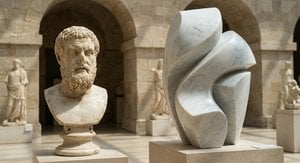
The Enduring Allure of Marble in Art History: From Classical Sculpture to Modern Abstraction
Explore the captivating history of marble sculpture from ancient Greece to modern art. Discover renowned artists like Canova & Michelangelo, carving techniques, and investment insights at ArtsDot.

Bronze Age to Modern Masters: 10 Sculptures That Redefined Art | ArtsDot
Journey through art history with 10 legendary bronze sculptures – from Michelangelo's David to Rodin’s Thinker. Explore the stories, techniques & timeless beauty of these masterpieces. Find museum-quality reproductions & elevate your home decor on ArtsDot.com.


