

 Pregledaj u prostoru
 Pošalji
 Podeli
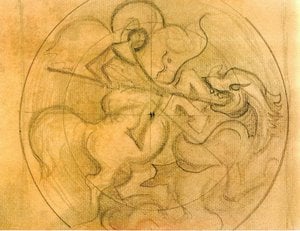
 Detalji o delu
 Vodič
Vodič

 Preuzmi
 Slični predmeti
 Rendgenski snimak
 Automatska prezentacija
 Q&A
Q&A Statistika
Face

- 23.0 x 18.0 cm

 Pročitaj više
Giclee štampa / Umetnički otisak
Giclée štampa ili print na platnu muzejskog kvaliteta uz brzu izradu i raznovrsne opcije završne obrade. ( Kupite ručno oslikano delo Pređi na digitalnu sliku)




































Izaberite jednu od naših unapred definisanih veličina koje odgovaraju originalnim proporcijama umetničkog dela.

Unesite željenu širinu i visinu kako bi se štampa uklopila u vaš ram ili zid. Štampu je moguće samo iseći, ali nikada povećati iznad dimenzija originalne slike, stoga format sa drugačijim proporcijama uzrokuje gubitak dela slike. Pre početka štampe, poslaćemo vam digitalni prikaz radi potvrde. Slika prikazana na ovoj stranici ne predstavlja stvarni isrez — to pokazuje samo digitalni prikaz.
Dostava širom sveta () za 2 nedelje umesto uobičajenih 4/5 nedelja. (2 новембар)

Besplatna ekspresna dostava širom sveta

Visokokvalitetno laneno platno

Potpuno osiguranje transporta

Garancija povraćaja carine i uvoznih dažbina

Garancija vernosti boja

Politika povraćaja u roku od 100 dana (samo u slučaju nedostataka)

Garancija povrata 100% novca

Popust na više proizvoda
 Opcija sa staklom dostupna je samo za dimenzije manje od 110 cm

Face
Giclee štampa / Umetnički otisak
Dimenzije reprodukcije
-


Ukupna cena
дин 6459
Srodna umetnička dela


Biografija umetnika
The Soul of Milan: The Life and Art of Francesco Didioni
In the heart of nineteenth-century Milan, a period defined by the sweeping currents of the Industrial Revolution and a profound longing for classical elegance, Francesco Didioni emerged as a master of the human spirit. Born in 1839, Didioni was destined for the canvas, raised within a family of artists where the scent of oil paint and the discipline of fine lines were part of his very upbringing. His early training, rooted in the prestigious Accademia di Brera, placed him under the tutelage of luminaries such as Raffaele Casnedi and the legendary Francesco Hayez. This academic foundation did more than teach him technique; it immersed him in a tradition of Romanticism that sought to balance meticulous realism with deep, emotive storytelling.
Didioni’s artistic evolution was marked by a remarkable versatility that allowed him to navigate between the intimate confines of portraiture and the grand stages of historical drama. In his youth, he demonstrated an early aptitude for precision, winning competitions with works that captured the stark reality of military life. As his style matured, he began to weave a tapestry of light and shadow influenced by the delicate touch of Tranquillo Cremona. This period saw him perfecting the art of the portrait, where he did not merely record a face but sought to unveil the psychological depth of his subjects. Whether depicting the nobility of Milan or the quiet grace of a young woman, his brushwork possessed an ethereal quality that breathed life into every sitter.
A Legacy of Narrative and Grace
While portraiture provided Didioni with his most enduring connection to the aristocracy, his foray into genre painting and historical scenes allowed him to explore the grander narratives of European history. He possessed a unique ability to transform a single moment into an epic saga. One of his most celebrated achievements, Reasons of State, serves as a breathtaking window into the Napoleonic era, dramatizing the poignant divorce between Napoleon and Josephine de Beauharnais. Through this work, Didioni captured the tension of political upheaval intertwined with personal tragedy, a feat that earned him widespread acclaim and led to numerous etchings that brought his vision to a broader public.
His repertoire was as diverse as the emotions he sought to evoke, ranging from the somber gravity of historical tragedies like The Death of Gian Maria Visconti to the tender, everyday beauty found in his genre scenes. His ability to manipulate oil on canvas—layering textures to create a sense of palpable depth—allowed him to master various moods:
- Intimate Portraiture: Works such as Portrait of a Young Blonde Woman showcase his ability to capture subtle gestures and nuanced expressions that suggest a hidden inner life.
- Historical Grandeur: His historical compositions utilized dramatic lighting and classical motifs to document the pivotal moments of Italian and European heritage.
- Genre Scenes: Pieces like The Conversation or Reading reflect a mastery of light and atmosphere, turning domestic moments into timeless studies of human connection.
Francesco Didioni passed away in Stresa in 1895, leaving behind a body of work that remains a testament to the elegance of the Milanese school. His legacy is not merely found in the museums that house his masterpieces, such as the Galleria d'Arte Moderna in Milan, but in the way he bridged the gap between the rigid realism of his training and the romanticized soul of an era in transition. He remains a vital figure for anyone seeking to understand the delicate balance of history, emotion, and technical brilliance in nineteenth-century Italian art.

Francesco Didioni
1839 - 1895 , Italy
Osnovne informacije
- Artistic Movement Or Style: Romanticism
- Artists Who Influenced This Artist:
- Raffaele Casnedi
- Francesco Hayez
- Tranquillo Cremona
- Full Name: Francesco Didioni
- Nationality: Italian
- Notable Artworks:
- Reasons of State
- Portrait of a Young Blonde Woman
- The Death of Gian Maria Visconti
- Place Of Birth: Milan, Italy
- Date Of Birth: 1839
- Date Of Death: 1895