

 Pregledaj u prostoru
 Pošalji
 Podeli
 Detalji o delu
 Vodič
Vodič

 Preuzmi
 Slični predmeti
 Rendgenski snimak
 Automatska prezentacija
 Q&A
Q&A Statistika
Annunciation


 Pročitaj više
Giclee štampa / Umetnički otisak
Giclée štampa ili print na platnu muzejskog kvaliteta uz brzu izradu i raznovrsne opcije završne obrade. ( Kupite ručno oslikano delo Pređi na digitalnu sliku)




P118B дин10

P118H дин10

P118W дин10

P438Z дин10

P508JH дин12

P508YH дин12

P805H дин10

P805Z дин10

P919BZ дин10

P919G дин10

P919XJ дин10

P959ZH дин10

P968JZ дин12

W106C дин8

W218G дин10

W218JH дин8

W218Y дин10

W307PJ дин10

W316G дин10

W316PJ дин8

W316Y дин10

W398PJ дин8

W4111J дин10

W500HY дин15

W500JH дин15

W692G дин12

W849H дин8

W940BG дин15

W953PJ дин8




Izaberite jednu od naših unapred definisanih veličina koje odgovaraju originalnim proporcijama umetničkog dela.

Unesite željenu širinu i visinu kako bi se štampa uklopila u vaš ram ili zid. Štampu je moguće samo iseći, ali nikada povećati iznad dimenzija originalne slike, stoga format sa drugačijim proporcijama uzrokuje gubitak dela slike. Pre početka štampe, poslaćemo vam digitalni prikaz radi potvrde. Slika prikazana na ovoj stranici ne predstavlja stvarni isrez — to pokazuje samo digitalni prikaz.
Dostava širom sveta () za 2 nedelje umesto uobičajenih 4/5 nedelja. (2 новембар)

Besplatna ekspresna dostava širom sveta

Visokokvalitetno laneno platno

Potpuno osiguranje transporta

Garancija povraćaja carine i uvoznih dažbina

Garancija vernosti boja

Politika povraćaja u roku od 100 dana (samo u slučaju nedostataka)

Garancija povrata 100% novca

Popust na više proizvoda
 Opcija sa staklom dostupna je samo za dimenzije manje od 110 cm

Annunciation
Giclee štampa / Umetnički otisak
Dimenzije reprodukcije
-


Ukupna cena
дин 6484
The Annunciation: A Renaissance Dialogue of Light and Grace
Filippino Lippi’s “Annunciation,” painted in 1489 for the Medici family’s villa near Florence, is more than just a depiction of a pivotal biblical moment; it's a masterful orchestration of light, color, and human emotion. This fresco, now residing within the serene walls of Santa Maria sopra Minerva, offers a glimpse into the burgeoning artistic spirit of the High Renaissance – a period defined by its renewed interest in classical ideals and a profound exploration of human experience.
The scene itself is instantly recognizable: the angel Gabriel, rendered with an almost startlingly youthful energy, delivers the momentous news to Mary. Lippi’s genius lies not merely in his accurate portrayal of the figures but in his manipulation of space and atmosphere. The interior setting, though somewhat simplified, feels remarkably real – a modest chamber furnished with a chair, books, and a table, suggesting a domestic tranquility disrupted by this divine visitation. Note the careful attention to detail: the folds of Mary’s garments, the delicate rendering of Gabriel's wings, and the subtle play of light on the objects within the room all contribute to an immersive experience for the viewer.
A Symphony of Color and Technique
Lippi was a master of tempera paint, a medium known for its luminous quality and ability to achieve rich, vibrant colors. He employed a technique called *sfumato*, blurring lines and softening edges to create an ethereal effect – particularly evident in the hazy light that bathes the scene. The palette is dominated by warm hues: reds, golds, and ochres—reflecting the importance of Mary’s role as the Mother of God. The use of perspective, though not entirely rigorous by Renaissance standards, creates a sense of depth and spatial awareness, drawing the viewer into the heart of the narrative.
Furthermore, Lippi's brushwork is remarkably expressive. Observe how he captures the movement of Gabriel’s hand as he presents the message to Mary, or the gentle curve of her neck in response. These subtle gestures convey a profound sense of emotion and vulnerability – a testament to Lippi’s ability to imbue his figures with life.
Symbolism and Spiritual Resonance
The “Annunciation” is rich in symbolic meaning. Gabriel, often depicted as youthful and radiant, represents divine grace and the messenger of God's will. Mary, presented as a modest and contemplative figure, embodies humility and acceptance. The dove hovering above them symbolizes the Holy Spirit – the source of life and inspiration. The open book on the table is a subtle reference to scripture and the importance of faith.
Beyond these immediate symbols, the painting speaks to broader themes of communication, revelation, and the transformative power of divine grace. It’s a moment of profound significance—the beginning of a new era in Christian theology and art. The composition itself can be interpreted as a dialogue between heaven and earth, between the spiritual realm and the human world.
A Timeless Masterpiece for Reflection
“Annunciation” by Filippino Lippi remains a powerful and moving work of art. Its beauty lies not only in its technical brilliance but also in its ability to evoke a sense of wonder and contemplation. Whether viewed as a historical document, a religious icon, or simply a stunning example of Renaissance artistry, this fresco continues to captivate audiences centuries after its creation. Reproductions offer an accessible way to experience the depth and nuance of Lippi’s vision, bringing this timeless dialogue of light and grace into any space.
Useful Links:
- Annunciation (Filippo Lippi, London) - Wikipedia
- Annunciation 1489-91 Reproduction For Sale | 1st Art Gallery
- The National Gallery, London
Additional Research:
Pitanja i odgovori
Iz koje zemlje potiče High Renaissance rad "Annunciation"?
Delo "Annunciation" delo je Филипино Липи, rođenog u Италија, u okviru pokreta High Renaissance. Poreklom umetnika, ovo delo se povezuje sa High Renaissance stilom kakav su zastupali umetnici iz Италија.
Zašto je status autorskih prava za "Annunciation" takav kakav jeste?
Status autorskih prava za delo "Annunciation" - u javnom vlasništvu – autorska prava su istekla - proizilazi iz godine smrti umetnika, 1504.
Koliko je izražen kontrast u delu „Annunciation”, autor Филипино Липи?
„Annunciation”, autor Филипино Липи prikazuje Bold kontrast između svojih svetlih i tamnih delova.
Srodna umetnička dela


Biografija umetnika
Rano Životno Putovanje i Obuka
Filippino Lippi, rođen u Pratu, Italiji aprila 1457. godine, bio je sin poznatog slikara Fra Filippa Lippija i Lucrezie Buti. Njegovo detinjstvo obeleženo je neobičnim okolnostima – bio je vanbračno dete, što je uticalo na njegovu ranu karijeru i percepciju u umetničkom svetu. Ipak, odrastanje u radionici oca pružilo mu je izvanrednu priliku da se upozna sa tehnikama slikanja i razvije svoj talenat. Fra Filippo Lippi bio je strog učitelj, ali je prepoznao sinov potencijal i posvetio vreme njegovom obrazovanju. Filippino je od malena pokazivao sklonost ka detaljima, preciznosti i živopisnim bojama, karakterističnim za očev stil. Njegova rano dela, iako manje sofisticirana, već su nagoveštavala izuzetan dar i predanost umetnosti. Početak njegove formalne obuke bio je temelj na kome će kasnije graditi svoju prepoznatljivu tehniku i estetski izraz.Umetnički Razvoj i Karakteristike Stila
Nakon očeve smrti, Filippino je nastavio da usavršava svoj stil, prolazeći kroz različite faze razvoja. U periodu od 1475. do 1480. godine, njegove rane kompozicije, poput Madona, karakterisala je manja doterivanost i često su pripisivane anonimnom umetniku poznatom kao "prijatelj Sandra". Međutim, već u periodu od 1480. do 1485. godine, razvio je osobeniji pristup, demonstriran kroz dela poput *Putovanja Tobije*. Ova faza obeležena je jačom individualnošću i sposobnošću da prenese emocije kroz likove i kompoziciju. Vrhunac njegove umetničke mature dostigao je između 1485. i 1504. godine, kada je savršeno usvojio principe Visoke Renesanse, što se jasno vidi u remek-delima poput *Javljanje Hrista Devi*. Filippino Lippi bio je majstor animiranih oblika i linija, toplih boja, detaljnih pejzaža i ekspresivnih figura. Njegov stil karakterisala je jedinstvena kombinacija perspektivne geometrije sa intimnim enterijerima, stvarajući atmosferu dubine i realizma.Značajnija Dela i Saradnje
Filippino Lippi nije radio u izolaciji; sarađivao je sa nekim od najznačajnijih umetnika svog vremena. Učestvovao je u izradi fresaka na vili Lorenca de’ Medičija, zajedno sa Peruginom, Ghirlandaio i Botticellijem. Ova saradnja omogućila mu je da se upozna sa različitim tehnikama i stilovima, što je doprinelo njegovoj umetničkoj zrelosti. Jedan od najznačajnijih projekata bio je dovršavanje nedovršenog dekorisanja Brancacci kapela, započetog od Masaccia, u saradnji sa Masolinom. Njegova dela uključuju *Krunisanje Device*, *Tobija i Anđeo*, *Sveti Jeronim* i *Scena iz života Svetog Tome Akvinskog*. Svako od ovih dela predstavlja jedinstvenu kombinaciju tehničke virtuoznosti, emotivne dubine i inovativnog pristupa kompoziciji. Njegova sposobnost da oživi biblijske priče i svete figure učinila ga je jednim od najtraženijih slikara svog vremena.Uticaji i Nasleđe
Filippino Lippi bio je pod uticajem različitih umetnika, pre svega Sandra Botticellija i njegovog oca Fra Filippa Lippija. Međutim, uspeo je da razvije sopstveni stil koji se isticao originalnošću i inovativnošću. Njegova studija rimskih antikviteta tokom boravka u Rimu takođe je imala značajan uticaj na njegovo delo, uvodeći antičku leksiku u njegovu umetnost. Filippino Lippi smatra se vodećim firentinskim predstavnikom tradicije velikih fresko ciklusa. Njegov uticaj na Visoku Renesansu je neosporan. Dela su mu izložena u muzejima širom sveta, uključujući Galeriju Ufici u Firenci. Poznat je po povezivanju ranijih renesansnih stilova sa estetikom koja se pojavljuje u Visokoj Renesansi. Njegov rad predstavlja važan prelazni period u istoriji umetnosti, otvarajući put novim idejama i tehnikama koje će definisati naredne generacije slikara.
Филипино Липи
1457 - 1504 , Италија
Osnovne informacije
- Artistic Movement Or Style: Visoka renesansa
- Artists Or Movements Influenced By This Artist: ['Raffaellino del Garbo']
- Artists Who Influenced This Artist:
- Fra Filippo Lippi
- Sandro Botticelli
- Date Of Birth: April 1457.
- Date Of Death: April 1504.
- Full Name: Filippino Lippi
- Nationality: Italijan
- Notable Artworks:
- Krunisanje Device Marije
- Putovanje Tobije
- Sv. Jeronim
- Place Of Birth (City And Country): Prato, Italija
Povezani članci

Celestial Messengers: A Comprehensive Exploration of Angelic Representation in Art History
Explore the captivating history of angels in art! Discover symbolism, iconic Renaissance masterpieces & renowned artists. Expert insights for art lovers & collectors at ArtsDot.

Dante Gabriel Rossetti: 25 Remek-dela Pre-Raphaelita i Inspiracija za Vaš Dom
Istražite 25 remek-dela Dante Gabriel Rossettija, ikone Pre-Raphaelita! Otkrijte priče iza slika, simbolizam i inspiraciju za vaš dom. Kvalitetne reprodukcije na ArtsDot.com.

The Enduring Legacy of Fresco Painting: Techniques, History & Contemporary Relevance
Explore the rich history & enduring artistry of fresco painting – from Giotto to Michelangelo! Discover techniques, conservation efforts, & modern applications. Learn how ArtsDot brings this timeless art form to your home.
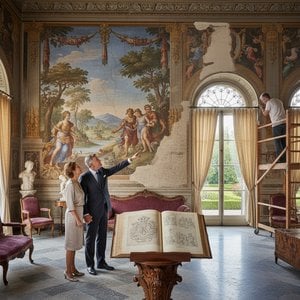
Porodična freska nasleđe: Očuvanje kulture i identiteta kroz zidno slikarstvo – Istorijski uvid za kolekcionare
Istražite bogatu istoriju zidnog slikarstva i njegov značaj za očuvanje kulture i porodičnog nasleđa. Ekskluzivni uvid za kolekcionare, restauratore i ljubitelje umetnosti. Saznajte više o tehnikama, vrednosti i budućnosti ove drevne veštine.

Celestial Messengers: Angels in Painting – A Historical & Artistic Exploration
Explore the captivating history of angels in painting! Discover symbolism, iconic Renaissance & Byzantine masterpieces, and renowned artists. Expert insights for art lovers & collectors at ArtsDot.