

 Pregledaj u prostoru
 Pošalji
 Podeli
 Detalji o delu

 Преузми
 Slični predmeti
 Rendgenski snimak
 Slajdovi
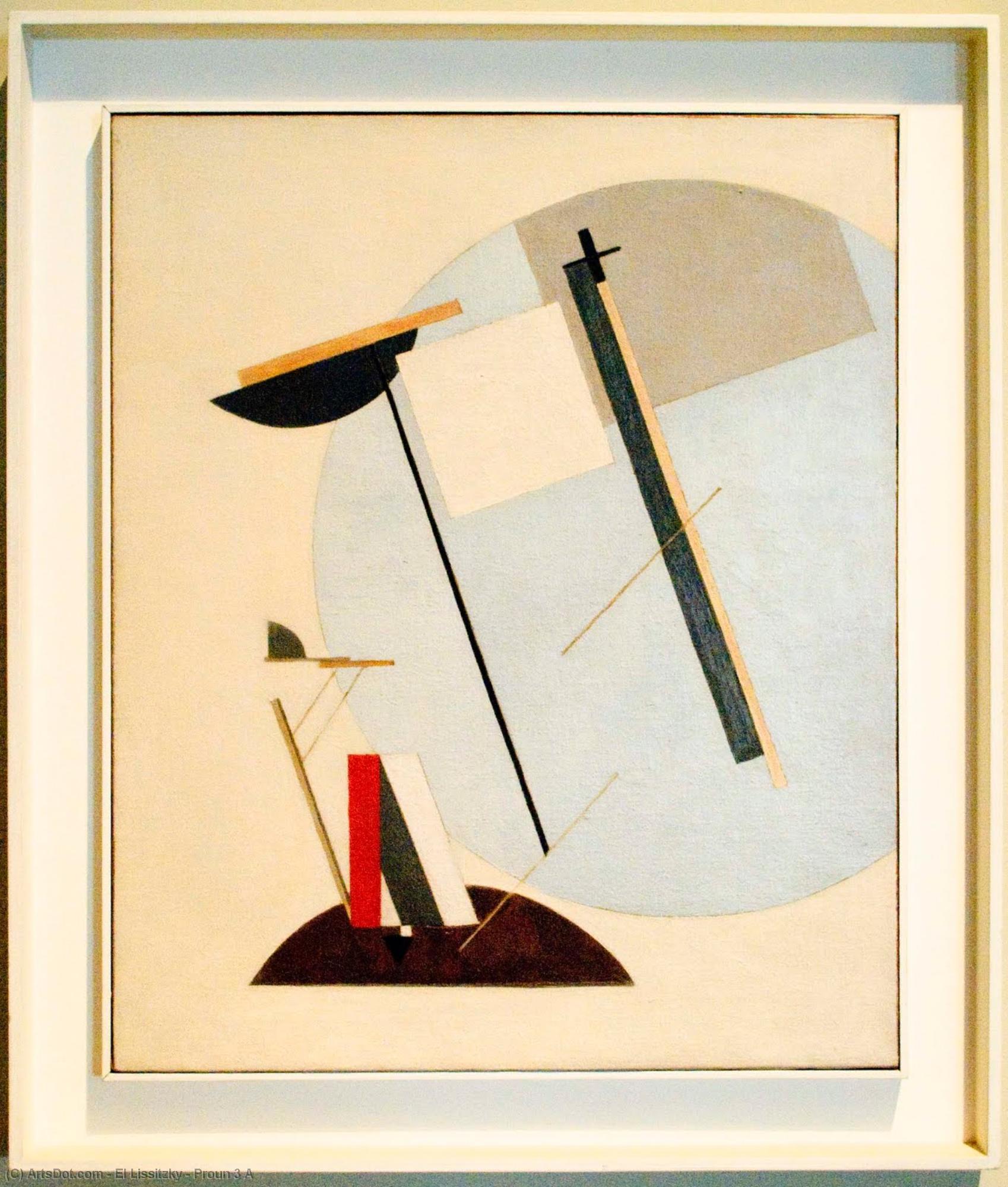
Proun 3 A

 Pročitaj više
Ručno rađena uljana reprodukcija
Ručno oslikano uljanim bojama na platnu u dimenzijama i okviru po vašem izboru, izrađeno po porudžbini od strane naših umetnika. ( Kupi print Kupi digitalnu sliku)




P118B $10

P118H $10

P118W $10

P438Z $10

P508JH $12

P508YH $12

P805H $10

P805Z $10

P919BZ $10

P919G $10

P919XJ $10

P959ZH $10

P968JZ $12

W106C $8

W218G $10

W218JH $8

W218Y $10

W307PJ $10

W316G $10

W316PJ $8

W316Y $10

W398PJ $8

W4111J $10

W500HY $15

W500JH $15

W692G $12

W849H $8

W940BG $15

W953PJ $8




Izaberite jednu od naših unapred definisanih veličina koje odgovaraju originalnim proporcijama umetničkog dela.

Можете унети сопствене димензије како бисте прилагодили дело одређеном оквиру или простору. Ако одабрана величина не одговара пропорцијама оригинала, слика ће бити исечена или проширена додатним елементима који се ручно насликавају. Дигитални prikaz ће вам бити послат на одобрење пре почетка производње.
Имајте на уму да преглед на екрану не одражава стварно исецање или проширење. Само приказ (mockup) ће тачно приказати коначну композицију.
Иако су доступне прилагођене величине, препоручујемо да одаберете димензију из дефинисане листе како бисте сачували оригиналне пропорције.
Nakon narudžbine, tim ArtsDot.com će klijentu putem e-pošte poslati uputstva i dostaviti prikaz predloženog rešenja
Isporuka širom sveta () za 3/4 nedelje umesto uobičajenih 5 nedelja. (3 септембар). Bez kompromisa po pitanju kvaliteta.

Besplatna ekspresna dostava širom sveta

Visokokvalitetno laneno platno

Kompletno osiguranje transporta

Garancija povraćaja carine i uvoznih dažbina

Garancija vernosti boja

Politika povrata u roku od 60 dana (samo u slučaju nedostataka)

Garancija povrata novca od 100%

Popust pri grupnoj kupovini
 Opcija sa staklom dostupna je samo za dimenzije manje od 110 cm

Proun 3 A
Tehnika reprodukcije
Dimenzije reprodukcije
-


Konačna cena
$ 263
A Geometric Symphony of Revolution
El Lissitzky’s Proun 3 A stands as a testament to the fervent idealism of Constructivism—a movement that sought to liberate art from representational illusion and forge it into a tool for social transformation. Created in 1920, this lithograph is part of a larger portfolio exploring Lissitzky's groundbreaking concept of Proun, which aimed to visualize the underlying structure of reality itself. Unlike traditional painting, Proun abandons depiction; instead, it presents a complex geometric arrangement designed to convey an emotional and intellectual resonance far beyond mere visual appearance.- Subject Matter: The composition centers around a prominent circle intersected by a cross—a motif that recurs throughout Lissitzky’s Proun series. This seemingly simple form embodies profound symbolic significance, representing the unity of cosmos and human consciousness according to Lissitzky's philosophical framework.
- Style & Technique: Lissitzky’s meticulous execution demonstrates Constructivist precision. Lithography—a printing process known for its ability to reproduce intricate detail—was chosen to capture the essence of Proun’s geometric abstraction. The artist employed a bold palette, utilizing shades of ochre and crimson to heighten the visual impact.
Symbolism Beyond Geometry
Beyond its formal structure, Proun 3 A resonates with deeper symbolic meanings rooted in Lissitzky’s spiritual explorations. The circle represents wholeness and unity—a concept central to Eastern philosophy and embraced by Lissitzky as a means of overcoming Western dualisms. Simultaneously, the cross symbolizes faith and transcendence—a visual counterpoint that underscores the artist's desire to reconcile reason and spirituality.Emotional Impact & Artistic Legacy
Ultimately, Proun 3 A transcends mere aesthetic contemplation; it invites viewers into a dialogue about the nature of reality and the role of art in shaping perception. Lissitzky’s masterful manipulation of geometric form conveys an aura of intellectual conviction—a palpable sense of optimism tempered by awareness of social responsibility. This lithograph remains a cornerstone of Constructivist art, inspiring generations of artists to explore the expressive potential of abstraction while grappling with pressing societal concerns. Its enduring appeal lies in its ability to communicate profound ideas through deceptively simple visual elements—a testament to Lissitzky’s genius as both artist and visionary.Srodna umetnička dela


Biografija umetnika
El Lissitzky (1890–1941): Russian Avant-garde Artist & Designer
El Lissitzky, born Lazar Markovich Lissitzky in 1890 in the small Russian town of Pochinok, near Smolensk, Russia, emerged as a pivotal figure in the tumultuous landscape of early 20th-century art. His journey was one of constant reinvention, driven by a fervent belief in the power of art to shape society and reflect the dynamism of the modern world. From his initial training as an architect and engineer – pursuits hampered by restrictions placed upon Jewish students – Lissitzky’s path diverged towards artistic expression, initially through illustrations steeped in Jewish folklore. These early works, like his cover for ‘Chad Gadya’, reveal a nascent talent already grappling with narrative and visual storytelling, hinting at the profound cultural roots that would continue to inform his aesthetic. A move to Berlin and Darmstadt broadened his horizons, but it was upon returning to Russia that Lissitzky truly found his artistic voice, becoming inextricably linked with the revolutionary fervor sweeping through the nation.Early Years & Artistic Formation
Lazar Markovich Lissitzky’s formative years were marked by a profound engagement with Jewish culture and tradition. Born into a family of intellectuals—his father Mordukh Zalmanov was a well-educated travel agent who possessed fluency in English and German—Lissitzky benefited from an upbringing that fostered intellectual curiosity and artistic appreciation. He began his formal education at the age of 15, maintaining a teaching career for most of his life, demonstrating a lifelong dedication to disseminating knowledge and fostering creativity. His initial training encompassed architecture and engineering, disciplines that would later inform his groundbreaking approach to design—a perspective shaped by limitations imposed upon Jewish students during Tsarist Russia. Recognizing the importance of visual storytelling, Lissitzky turned to illustration, producing evocative images rooted in Yiddish folklore, notably his celebrated cover for ‘Chad Gadya’ (1917), a poignant retelling of the Passover seder song “One Kid.” This early work foreshadowed Lissitzky's distinctive style—a fusion of Cubo-Futurism and Jewish symbolism—establishing him as an artist deeply attuned to cultural heritage. His travels to Germany, France, Italy, and Belgium broadened his artistic horizons and exposed him to influential European movements.The Suprematist Revolution & Kazimir Malevich’s Influence
A transformative encounter occurred in Vitebsk (now Vitsyebsk), Belarus, where Lissitzky encountered Kazimir Malevich—the architect of Suprematism, a radical movement dedicated to pure geometric abstraction. This meeting ignited Lissitzky's passion for abstraction and cemented his allegiance to Malevich’s uncompromising vision. Together with Malevich and fellow artists, Lissitzky established UNovis (UNOVIS), Vitebsk Group of Constructive Artists—a collective committed to disseminating Suprematist principles through teaching and artistic production. Lissitzky didn’t merely replicate Malevich's style; he forged his own distinctive path, developing *Proun*, a series that blended Suprematism with Constructivism—a daring experiment in spatial representation and architectural design. Proun challenged conventional notions of painting and sculpture, striving to capture the essence of space itself through dynamic compositions featuring intersecting planes and geometric forms. Lissitzky’s unwavering belief in art as a catalyst for social transformation fueled his artistic endeavors—a conviction that would resonate throughout his career. Malevich's influence extended beyond stylistic considerations; it instilled in Lissitzky a fundamental ethos centered on intellectual rigor, uncompromising honesty, and the pursuit of universal visual language.Proun: Spatial Exploration & Architectural Vision
The Proun series represents Lissitzky’s most ambitious exploration of spatial relationships—a bold assertion that art could transcend representational limitations and engage with the very structure of space itself. Departing from traditional painting techniques, Lissitzky employed a unique method combining drawing, painting, sculpture, and architectural design—a holistic approach reflecting his conviction that artistic expression should encompass multiple dimensions. Proun’s geometric forms—primarily squares, rectangles, circles, and triangles—were arranged in complex configurations that resembled architectural blueprints or exploded diagrams—visual representations of spatial transformations. Lissitzky reasoned that the future of art lay in its ability to harmonize with architecture—a vision articulated eloquently in his manifesto “The Space Must Be a Kind of Showcase…” He sought to create environments that fostered contemplation and inspired innovation—challenging established conventions regarding gallery spaces and promoting a new aesthetic sensibility rooted in geometric abstraction. Lissitzky’s Proun series stands as a testament to his intellectual curiosity, artistic daring, and unwavering commitment to pushing the boundaries of visual expression—a legacy that continues to inspire artists and designers worldwide.Typography, Exhibition Design & Propaganda: Artistic Engagement
Beyond his pioneering explorations of spatial representation, Lissitzky revolutionized typography—creating innovative fonts and graphic designs that conveyed complex ideas with clarity and elegance. He recognized that effective communication demanded meticulous attention to visual form—a conviction that guided his work on posters, books, and exhibition displays—often serving as a visual communicator for Soviet propaganda efforts. Lissitzky’s masterful use of color, shape, and text—combined with an uncompromising commitment to social responsibility—established him as one of the foremost designers of his era. His iconic poster “The Constructor” (1924)—a striking depiction of a stylized hammer and sickle—became emblematic of Soviet ideology—a powerful visual statement reflecting the nation’s aspirations for industrial progress and collective action. Lissitzky's exhibition designs—particularly those conceived for the Bauhaus in Weimar—challenged conventional gallery spaces—creating immersive environments that actively engaged viewers—promoting a new aesthetic sensibility rooted in geometric abstraction and functionalism. His work profoundly influenced subsequent generations of artists and designers—solidifying his place as a visionary who reshaped the visual landscape of the 20th century. Lissitzky’s legacy extends far beyond his artistic creations—serving as an inspiration for those striving to harness art's transformative potential—a testament to his enduring influence on cultural discourse and aesthetic innovation.
Ел Лисицкий
1890 - 1941 , Руси́я
Osnovne informacije
- Artistic Movement Or Style:
- Suprematism
- Konstruktivizam
- Artists Or Movements Influenced By This Artist: ['Bauhaus']
- Artists Who Influenced This Artist: ['Kazimir Malevich']
- Date Of Birth: Nov 23, 1890
- Date Of Death: Dec 30, 1941
- Full Name: El Lissitzky
- Nationality: Rusija
- Notable Artworks:
- Izgraditel'
- Pokrov
- Place Of Birth: Pochinok, Russia
Povezani članci

El Greco: 25 Remek-dela koji definišu Viziju i Duh (Reprodukcije za vaš Dom)
Istražite 25 remek-dela El Greka! Otkrijte priče iza njegovih ikoničnih slika, baroknog stila i duboke spiritualnosti. Reprodukcije vrhunskog kvaliteta za vaš dom na ArtsDot.com.

Top 10 dela geometrijske apstrakcije koje morate videti | ArtsDot.com
Istražite 10 remek-dela geometrijske apstrakcije – Mondrian, Malevič i Kandinski. Otkrijte priče iza ovih ikoničnih slika i pronađite inspiraciju za dekoraciju enterijera sa ArtsDot.com! Reprodukcije vrhunskog kvaliteta.

Beyond Form & Color: Geometric Abstraction's Evolution in 20th/21st Century Art
Explore the evolution of geometric abstraction from Cubism to contemporary art. Discover key artists like Malevich & Mondrian, investment insights, and expert collecting advice at ArtsDot.

Kandinsky's Masterpieces: 25 Paintings That Define Abstract Art | ArtsDot
Journey through Wassily Kandinsky's 25 most iconic abstract paintings. Explore his revolutionary use of color, form & spiritual expressionism. Find museum-quality Kandinsky reproductions and elevate your home decor with ArtsDot.com. Discover all masterpieces on ArtsDot.com!

Beyond Form & Color: Geometric Abstraction's Enduring Legacy in Art History
Explore the captivating world of geometric abstraction! Discover its origins, key artists like Malevich & Mondrian, and why this movement remains highly valued by art collectors today. Expert insights at ArtsDot.



