


Slika prati vaše izbore: , .
Opis predmeta
Edward Hopper’s ‘Sun in an Empty Room’ captures poignant solitude with masterful light & shadow—a quintessential depiction of modern American life, exploring isolation and quiet contemplation.
 Pročitaj više
Biografija umetnika
Majstor američkog realizma koji je kroz Nighthawks prikazao samoću. Otkrijte njegove kultne slike i moćnu igru svetlosti i senke već danas.
Ručno rađena uljana reprodukcija
Ručno oslikano uljanim bojama na platnu u dimenzijama i okviru po vašem izboru, izrađeno po porudžbini od strane naših umetnika. ( Pređi na štampu Pređi na digitalnu sliku)
Ovo umetničko delo je zaštićeno autorskim pravima
Umetničko delo prikazano na ovoj stranici zaštićeno je autorskim pravima, što znači da zakonski nismo u mogućnosti da kreiramo niti prodajemo identičnu reprodukciju. Ova zaštita se sprovodi u skladu sa međunarodnim sporazumima kao što su Bernska konvencija i nacionalnim zakonima, uključujući i one koji su definisani u Američki zakon o autorskom pravu – Naslov 17.
Kao poštovana i legalna alternativa, nudimo prilagođene, ručno oslikane umetničke radove inspirisane originalom. Naši stručni i profesionalni umetnici pažljivo proučavaju stil, ambijent i umetničku suštinu originala kako bi kreirali novo, unikatno delo koje budi istu emociju – ostajući pritom potpuno autentično stvaranje.
Ovaj metod je u potpunosti usklađen sa regulativama o autorskim pravima jer ne podrazumeva kopiranje ili dupliranje zaštićenih umetničkih dela. Umesto toga, reč je o kreativnoj reinterpretaciji – novom slikarskom delu koje je inspirisano originalom, ali nije identično njemu.
Saznajte više o ovoj slici
 Pregledaj u prostoru
 Pošalji
 Podeli
 Detalji o delu
 Vodič
Vodič

 Preuzmi
 Slični predmeti
 Rendgenski snimak
 Automatska prezentacija
 Pitanja i odgovori
 Statistika
Naručite svoju sliku u četiri jednostavna koraka
Ne žurite. Možete promeniti bilo koji odgovor; cena u vašoj korpi se ažurira nakon svakog izbora.
1 Prvi od četiri koraka
Koju veličinu želite?
Ovi formati zadržavaju proporcije originalnog slikarskog dela. Crtež prikazuje vaš izbor na zidu, iznad dvometarske garniture.
Ili unesite sopstvene dimenzije
Izaberite jednu od naših unapred definisanih veličina koje odgovaraju originalnim proporcijama umetničkog dela.

Unesite potrebnu širinu i visinu kako bi se slika uklopila u vaš ram ili zid. Pošto je ovo ručno oslikano delo, umetnik može za dimenzije drugačijeg oblika naslikati malo više prostora oko slike ili malo skratiti ivice — izbor je na vama. Pre početka rada, poslaćemo vam digitalni prikaz radi potvrde. Slika prikazana na ovoj stranici ne predstavlja konačan rezultat — samo digitalni prikaz pokazuje stvarnu sliku.
2 Drugi od četiri koraka
Na koji način želite da bude pripremljeno: u rolni, na platnu ili u ramu?
Cene u nastavku odnose se na dimenziju koju ste izabrali u prvom koraku.
Izaberite ivice platna
Izaberite svoj okvir

Beli rub дин1

zamrljene ivice дин1

Prošireno дин1

P118B дин10

P118H дин10

P118W дин10

P438Z дин10

P508JH дин12

P508YH дин12

P805H дин10

P805Z дин10

P919BZ дин10

P919G дин10

P919XJ дин10

P959ZH дин10

P968JZ дин12

W106C дин8

W218G дин10

W218JH дин8

W218Y дин10

W307PJ дин10

W316G дин10

W316PJ дин8

W316Y дин10

W398PJ дин8

W4111J дин10

W500HY дин15

W500JH дин15

W692G дин12

W849H дин8

W940BG дин15

W953PJ дин8

H24-GOLD дин30

H24-SILVER дин30

H36-GOLD дин45

H36-SILVER дин45
Uokvireno
Profil: . Ukupna veličina sa okvirom: .
3 Treći od četiri koraka
Da li biste želeli da nešto promenite na slici?
Većina ljudi odgovara sa ne. Pošto je svaka slika ručno rađena, naš umetnik je može i prilagoditi vašim željama.
Nakon porudžbine, tim ArtsDot.com će poslati imejl klijentu radi dobijanja uputstava i dostaviti prikaz makete
4 Četvrti korak od četiri
Nekoliko opcija za završnu obradu
Sve su opcione. Odgovori koji su već izabrani ne podrazumevaju dodatni trošak.
Ko je autor?
Svetska isporuka () za 3/4 nedelje umesto uobičajenih 5 nedelja. (11 новембар). Bez kompromisa po pitanju kvaliteta.
Plakica, kao u muzeju?
Detalji gravirane bronze ploče
This elegant plaque features the artist's name and the title of the artwork, finely engraved for a timeless presentation.
It is made from bronze with a refined, elegant finish. The text is precisely laser-engraved for a sharp and permanent result. Measuring 9x2 cm, the plaque is compact yet easy to read. It's built to be durable and scratch-resistant, offering a professional, museum-quality look. Mounting is simple thanks to the included adhesive backing.
Detalji prozirne akrilne pločice
The plaque includes essential engraved details such as the artist's name, the title of the artwork, the date it was created, the type of media used-like oil on canvas or watercolor-a brief description of the piece, and a QR code that links to the complete artwork information.
It is crafted from clear acrylic, offering a sleek, modern appearance. The text is UV-engraved in black to ensure strong visual contrast. With a size of 10x15 cm, it ensures optimal readability. It comes equipped with two metal hooks for secure wall mounting. The plaque is designed to be weather-resistant, making it suitable for various environments, and it includes interactive features that work seamlessly with smartphone scanning.
Detalji crne akrilne pločice
This elegant plaque includes engraved information such as the artist's name, the title of the artwork, the date it was created, the type of media used (like oil on canvas or watercolor), a short description of the artwork, and a QR code for quick access to more information.
The plaque itself is made from refined black acrylic with a premium finish. The text is laser-engraved in white for high contrast and readability. Its size is 10x15 cm, designed to be easy to read. It comes with two metal hooks for professional mounting. The design is sleek and fits any interior style. It is also weather-resistant and durable, with built-in digital integration for mobile compatibility.
Zaštitni lak?
Kada vam je potrebno?
✓ Proverite i naručite
Vaša slika, upravo onakva kakvu ste naručili

sun empty room
Tehnika reprodukcije
Dimenzije reprodukcije
-

Vrhunski maestri umetnosti
Više detalja, prefinjenosti i dodatnog vremena za izradu
-

Okvir za reprodukciju
-
-
Za umetnička dela ili reprodukcije čija je bilo koja strana veća od 105 cm (približno 41 inč), okvir će biti isporučen u obliku rastavljenog seta za sklapanje. Ovaj metod osigurava bezbednu dostavu i sprečava oštećenja tokom transporta.
Potrebna je profesionalna montaža – ovo nije proizvod namenjen samostalnoj izradi.
Set mora sastaviti i platno zategnuti iskusni profesionalni ramitelj, koristeći drveni lepak (nije uključen u set), hvataljku za zatezanje platna i stege kako bi se održao prav ugao okvira dok se lepak suši. Nepravilno sklapanje ili neravnomerno zategnuto platno mogu trajno oštetiti umetničko delo, što nije pokriveno našom garancijom.
 Za umetnička dela ili reprodukcije čija je bilo koja strana veća od 105 cm (približno 41 inč), okvir će biti isporučen u obliku rastavljenog seta za sklapanje. Ovaj metod osigurava bezbednu dostavu i sprečava oštećenja tokom transporta.
Sve šipke od masivnog drveta su uključene, precizno isečene po veličini.
Montira se pomoću priloženih šrafova, uz dodatno korišćenje lepka za drvo za spojeve u uglovima, koji nije uključen u set i koji vaš čuvar okvira mora obezbediti.
Potreban je profesionalni alat koji nije uključen u set: klešta za zatezanje platna (zatezač) i stege za održavanje pravih uglova letvica tokom sušenja lepka.
Važno:
Za spojeve u uglovima neophodan je lepak za drvo, šipke se moraju pričvrstiti stezgama dok lepak potpuno ne osuši, a za zatezanje platna na sklopljenom ramu potrebne su hvataljke za zatezanje platna. Nijedan od ovih alata nije uključen u komplet. Pre naručivanja ove veličine, molimo Vas da unapred obezbedite iskusnog profesionalca za ramačenje.

Kratki opis natpisa
-
-

Zaštitni lak
Sjajni lak (pojačava intenzitet boja, štiti od svetlosti i vlage)
-

Personalizujte svoje umetničko delo
Primeri mogućnosti izmene: Zamena lica fotografijom kupca; Dodavanje ljubimca (npr. zamena mačke psom); Uključivanje skrivene poruke u pozadini; Promena pejzaža ili elemenata pozadine.
-

Hitna dostava
Svetska isporuka () za 3/4 nedelje umesto uobičajenih 5 nedelja. (11 новембар). Bez kompromisa po pitanju kvaliteta.
-
Brza dostava
Dostava širom sveta () u roku od 5 nedelja. (18 новембар).
Uključeno u cenu
Ukupna cena
дин 27598
Opcija sa staklom dostupna je samo za dimenzije manje od 110 cm
Uključeno uz svaku porudžbinu
- Besplatna ekspresna dostava širom sveta
- Visokokvalitetno laneno platno
- Potpuno osiguranje transporta
- Garancija povraćaja carine i uvoznih dažbina
- Garancija vernosti boja
- Politika povraćaja u roku od 100 dana (samo u slučaju nedostataka)
- Garancija povrata 100% novca
- Popust na više proizvoda


Edward Hopper’s Solitary Light: Unpacking “Sun in an Empty Room”
Edward Hopper's "Sun in an Empty Room," painted in 1963, isn’t merely a depiction of a vacant room; it’s a distilled essence of modern American isolation and the quiet contemplation that often underlies our daily lives. Created during his late period at his Cape Cod studio, this painting—a deceptively simple composition—holds within it layers of psychological depth and masterful use of light, solidifying its place as one of Hopper's most enduringly poignant works. It’s a scene stripped bare, yet brimming with unspoken narratives, inviting the viewer to project their own experiences onto its stark geometry.
Hopper, famously reticent about interpreting his art, often suggested that his paintings simultaneously held unintended, unconscious ideas alongside deliberate expressions of his personal vision. Critics and scholars have long debated the painting’s meaning, with interpretations ranging from a meditation on loneliness to a reflection on the transient nature of domesticity. However, at its core, “Sun in an Empty Room” speaks powerfully to the human condition—the feeling of being present yet detached, observing life without fully participating.
The Language of Light and Shadow
Hopper’s genius lay not just in his ability to capture a scene but in his manipulation of light. In “Sun in an Empty Room,” sunlight streams through a window on the right side of the room, casting long, dramatic shadows across the walls and floor. This isn't a warm, inviting illumination; it’s a cool, almost clinical light that emphasizes the emptiness and stillness of the space. The trapezoidal shape of the light itself is particularly striking—a geometric element within an otherwise realistic scene, subtly disrupting our perception and drawing attention to the painting’s formal structure.
Notice how Hopper uses shadow to define form. The shadows aren't simply dark patches; they are carefully rendered, creating a sense of volume and depth. This technique, combined with his precise observation of light and its effects, is characteristic of Hopper’s mature style—a deliberate rejection of Impressionistic brushwork in favor of a more controlled, almost photographic realism. The leaves visible through the window further contribute to this interplay of light and shadow, grounding the scene in a tangible reality while simultaneously hinting at an outside world beyond the room's confines.
A Room Full of Unspoken Stories
Despite its apparent simplicity, “Sun in an Empty Room” is rich with symbolic potential. The two doors—one visible, one implied—suggest possibilities and transitions, yet also reinforce the sense of isolation. The room itself feels like a stage set for a play that will never begin. There’s no furniture, no personal belongings, nothing to suggest the identity or history of its occupant. This deliberate lack of detail forces us to confront our own assumptions about what constitutes a “home” and what it means to be alone.
The painting's creation coincided with Hopper’s late period, a time when he was increasingly interested in exploring themes of solitude and the human condition. He had previously considered representing a scene with no observer—a radical concept at the time—and this idea clearly informed his approach to “Sun in an Empty Room.” The absence of a figure isn't simply a technical choice; it’s a profound statement about the nature of perception and the experience of being alone.
Reproductions & Interior Design Inspiration
ArtsDot offers meticulously crafted, hand-painted reproductions of “Sun in an Empty Room” that capture the essence of Hopper's masterpiece. Whether you’re an art collector seeking a piece of American history or an interior designer looking for a statement artwork to evoke a sense of quiet contemplation, our reproductions provide a stunning and authentic representation of this iconic painting.
The subtle gradations of light and shadow, the precise rendering of form, and the evocative atmosphere of “Sun in an Empty Room” are all faithfully reproduced in our high-quality prints. Consider how this piece could complement a minimalist interior space, or add a touch of melancholic beauty to a more traditional setting. Explore our range of sizes and framing options to find the perfect reproduction for your home or office – a timeless reminder of Hopper’s profound insights into the human experience.
Pitanja i odgovori
Koliko je zasićena paleta dela "sun empty room"?
„sun empty room”, autor Edvard Hoper je zabeležen sa Clear Color Presence zasićenjem.
Kolika je bojno ujednačena kompozicija dela „sun empty room”, autor Edvard Hoper?
„sun empty room”, autor Edvard Hoper prikazuje Unified Palette kolorističku harmoniju.
Koje boje dominiraju u delu „sun empty room”, autor Edvard Hoper?
Koloristički identitet dela „sun empty room”, autor Edvard Hoper: paleta u nijansama Dark, sa dominacijom boje Espresso (#533e10).
Srodna umetnička dela


Edvard Hoper
1931 - 1967, SAD
Biografija umetnika
Tišina američke scene
Edvard Hoper je rođen u Njaku, Sjedinjene Američke Države. Svoje rane godine proveo je posmatrajući svet istodobnim i nepokolebljivim pogledom, navikom koja je počela još u detinjstvu kroz pedantno datirane i potpisane skice. Iako su njegovi roditelji sugerisali praktičniji put kroz komercijalnu ilustraciju, njegova pažnja ostala je usmerena ka visokoj umetnosti. Studirao je u Školi umetnosti u Njujorku kod Vilijama Merita Čejsa i Roberta Henrija. Te godine naučile su ga tehničkoj veštini neophodnoj za prikazivanje sveta onakvim kakav jeste – neukrasnim i iskrenim. Nije tragao za prolaznim potezima impresionista koje je sretao u Parizu; umesto toga, razvio je način gledanja koji je favorizovao mir i nepomičnost trenutka nasuprot pokretu gomile.
Njegov rad se često fokusira na svakodnevno, na ono što je obično. Posmatrao je kuće, restorane, kancelarije i hotelske sobe, skidajući suvišne detalje kako bi otkrio duboku emocionalnu istinu scene. U delu Kuća pored železnice (1925), jednostavna kompozicija otkriva osećaj misterije i izolacije. Svetlost i senka za njega nisu bile samo sredstva za opisivanje prostora, već način za stvaranje atmosfere. Precizno prikazivanje senke na zidu ili način na koji svetlost pada na prozor postalo je njegov način komuniciranja psihološkog stanja svojih subjekata.
Svetlost i urbani enterijer
Način na koji svetlost ulazi u prostor predstavlja centralnog lika u njegovim slikama. U delu Nighthawks (1942), oštra fluorescentna svetlost restorana kasno u noć seče kroz tamu napuštene urbane ulice. Figure unutra su fizički blizu, ali deluju izgubljeno u sopstvenim mislima, potpuno odvojene jedna od druge. Taj osećaj anonimnosti u prepunom gradu postao je njegova stalna tema. Hoper je uspešno uhvatio napetost boravka samog u javnom prostoru, osećaj koji odjekuje u delima kao što su Automat i Kancelarija u malom gradu. Bio je fasciniran načinom na koji veštačka svetlost komunicira sa prirodnom tamom noći.
Njegova supruga, Džozefin Nivison Hoper, bila je njegova stalna prisutna figura. Bila je umetnica i često mu je služila kao model, a njeno prisustvo se oseća u karakterizaciji mnogih njegovih ženskih figura. Zajedno su živeli skromnim životom, često provodeći leta u Novoj Engleskoj, što je snažno uticalo na pejzaže koje je slikao. Njegovi prikazi američkog pejzaža, bilo da su ruralni ili urbani, često naglašavaju određenu surovost ili prazninu. Bilo da je reč o benzinskoj pumpi pored puta u delu Gas (1940) ili tihoj sobi u hotelu, subjekat je uvek presek fizičkog mesta i privatnog, unutrašnjeg iskustva.
Nasleđe posmatranja
Hoperov uticaj proteže se u vizuelni jezik filma i književnosti. Njegova sposobnost da kroz kompoziciju stvori osećaj psihološke napetosti primećena je kod mnogih koji proučavaju način na koji se priče prenose putem slika. Njegova dela se nalaze u vodećim svetskim muzejima, u kolekcijama kao što su Muzej američke umetnosti Whitney i Muzej lepih umetnosti u Bostonu. On nije težio velikim istorijskim narativima; svoju temu je pronalazio u tišim uglovima svakodnevnog života, pretvarajući običan prozor ili prolaznog stranca u studiju ljudskog stanja. Njegov rad ostaje studija tišine koja postoji između ljudi.


Povezani članci
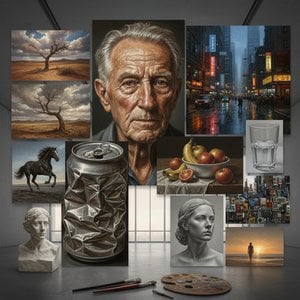
10 Remek Dela Koja Su Definila Savremeni Realizam: Umjetnost i Dekoracija
Otkrijte 10 remek dela savremenog realizma! Istaknuti umetnici, uljane slike i detalji koji definišu ovaj pokret. Inspiracija za dekoraciju doma i kolekcionarsku umetnost – pronađite reprodukcije na ArtsDot.com!

American Realism's Defining Works: 10 Masterpieces for Your Home
Explore 10 defining American Realism masterpieces – Hopper, Homer & more. Discover the stories behind these iconic paintings and bring timeless art to your home with ArtsDot's museum-quality reproductions. Explore the full collection online.

Edward Hopper: 25 Remek-dela Američkog Realizma za Vaš Dom | ArtsDot
Istražite 25 ремек-дела Edward Hopper-a! Otkrijte приче иза његових најпознатијих слика, симболизма америчког реализма и уметничке технике. Купите висококвалитетне репродукције на ArtsDot.com.