


 Pregledaj u prostoru
 Podeli
 Podeli
 Detalji
 Vodič
Vodič

 Preuzmi sliku
 Slični predmeti
 Rendgenski snimak
 Automatska prezentacija
 Statistika
Summer


 Pročitaj više
Ručno rađena uljana reprodukcija
Ručno oslikano uljanim bojama na platnu u dimenzijama i okviru po vašem izboru, izrađeno po porudžbini od strane naših umetnika. ( Pređi na prodaju štampanih primeraka Pređi na prodaju digitalnih slika)




P118B $10

P118H $10

P118W $10

P438Z $10

P508JH $12

P508YH $12

P805H $10

P805Z $10

P919BZ $10

P919G $10

P919XJ $10

P959ZH $10

P968JZ $12

W106C $8

W218G $10

W218JH $8

W218Y $10

W307PJ $10

W316G $10

W316PJ $8

W316Y $10

W398PJ $8

W4111J $10

W500HY $15

W500JH $15

W692G $12

W849H $8

W940BG $15

W953PJ $8




Izaberite jednu od naših unapred definisanih veličina koje odgovaraju originalnim proporcijama umetničkog dela.

Možete uneti sopstvene dimenzije kako biste prilagodili umetničko delo određenom okviru ili prostoru. Ako odabrana veličina ne odgovara proporcijama originala, slika će biti isečena ili proširena dodatnim elementima koji se ručno oslikavaju. Digitalni prikaz će vam biti poslat na odobrenje pre početka proizvodnje.
Imajte na umu da pregled na ekranu ne odražava stvarno prisecanje ili proširenje. Samo mockup će precizno prikazati konačnu kompoziciju.
Iako su dostupne prilagođene veličine, preporučujemo da izaberete dimenziju iz unapred definisane liste kako biste sačuvali originalne proporcije.
Nakon narudžbine, tim ArtsDot.com će klijentu putem e-pošte poslati uputstva i dostaviti prikaz predloženog rešenja
Svetska isporuka () za 3/4 nedelje umesto uobičajenih 5 nedelja. (22 септембар). Bez kompromisa po pitanju kvaliteta.

Besplatna ekspresna dostava širom sveta

Visokokvalitetno laneno platno

Sveobuhvatno osiguranje transporta

Garancija povraćaja carine i uvoznih dažbina

Garancija vernosti boja i autentičnosti pri reprodukciji

Politika povraćaja u roku od 100 dana (samo u slučaju nedostataka)

Garancija povrata 100% novca

Popust pri većoj količini
 Opcija sa staklom dostupna je samo za dimenzije manje od 110 cm

Summer
Tehnika izrade reprodukcije
Veličina reprodukcije
-


Ukupna cena
$ 263
The Artist's Inspiration
Edward Atkinson Hornel was a Scottish artist known for his captivating depictions of landscapes and figures. His work often featured women and children in natural settings, showcasing his ability to capture the beauty of the human form. In Summer, Hornel has symbolized the season through the figure of a girl chasing a butterfly, surrounded by lush greenery and vibrant flowers.The Painting's Style and Technique
The painting's style is reminiscent of Japanese art, with its flat, decorative design and emphasis on pattern and color. The use of bold brushstrokes and vivid hues creates a sense of energy and movement, drawing the viewer into the scene. As noted by ArtsDot.com, Hornel's technique is characterized by a focus on capturing the emotional and psychological depth of his subjects.Notable Features and Similar Works
Some notable features of Summer include its use of symbolism, with the butterfly representing freedom and joy. The painting is also notable for its sense of movement and energy, created through the use of bold brushstrokes and vibrant colors. Similar works by Edward Atkinson Hornel can be found at the Walker Art Gallery in Liverpool, including A Galloway Idyll and Blossom Time, Brighouse Bay. For more information on these paintings, visit ArtsDot.com.- Key elements of the painting: vibrant colors, sense of movement and energy, symbolism
- Influences: Post-Impressionism, Japanese art
- Similar works: A Galloway Idyll, Blossom Time, Brighouse Bay
The Summer painting by Edward Atkinson Hornel is a beautiful representation of the season, characterized by its vibrant colors and sense of joy. As a masterpiece of Scottish art, it continues to inspire and delight audiences today. For those interested in learning more about Hornel's work, visit Wikipedia or explore the collection at Walker Art Gallery.
Srodna umetnička dela


Biografija umetnika
The Vibrant Legacy of Edward Atkinson Hornel
Edward Atkinson Hornel stands as a luminous figure in the tapestry of late Victorian and early twentieth-century Scottish art, a painter whose brush captured the delicate intersection of nature and culture. Though his journey began in Bacchus Marsh, Victoria, Australia, his soul was deeply rooted in the rugged beauty of Scotland. Following his family's return to Kirkcudbright in 1866, Hornel’s artistic identity began to coalesce through rigorous formal training at the Edinburgh Art School and later in Antwerp under the guidance of Professor Verlat. This foundational period instilled in him a profound respect for botanical precision and the structural integrity of landscape, elements that would remain central even as his style evolved toward the more experimental and atmospheric.
Upon returning to Scotland in 1885, Hornel found a kindred spirit in George Henry, a partnership that would become a cornerstone of the influential Glasgow Boys movement. Together, they sought to break away from the stale academic traditions of the era, favoring instead a bold, expressive approach to color and texture. Their collaborative masterpiece, “Druids Bringing In The Mistletoe” (1890), serves as a testament to this period of radical experimentation. In this work, Hornel demonstrated an extraordinary mastery over the paint surface itself, utilizing techniques such as layering, scraping, roughening, and staining to create a tactile, rhythmic quality that prioritized emotional resonance and expressive effect over mere photographic accuracy.
The Influence of Japonisme and Aesthetic Refinement
A transformative epoch in Hornel’s career arrived between 1893 and 1894, when he and Henry embarked on a journey to Japan. This immersion into Japanese culture acted as a profound catalyst, reshaping his artistic sensibilities through the lens of Japonisme. The principles of decorative design, flattened spatial arrangements, and the poetic use of negative space found in Japanese prints began to permeate his canvases. His work transitioned from the heavy textures of his earlier years toward a more refined, atmospheric aesthetic characterized by harmonious color palettes and a nuanced approach to drawing.
This period of refinement is beautifully captured in works such as “Japanese Figures in a Garden” (1896) and “Dancing Geisha.” In these paintings, the artist moves beyond simple representation to evoke a sense of serene, fleeting beauty. He masterfully employs soft colors and gentle brushstrokes to depict traditional Japanese attire and tranquil garden settings, creating scenes that feel both intimate and otherworldly. The influence of the East allowed Hornel to blend the lushness of the Scottish landscape with a sophisticated, decorative elegance, making his work uniquely recognizable within the broader Impressionist movement.
A Life Immersed in Art and Heritage
Hornel’s commitment to his craft was matched by his devotion to his home and community. His residence, Broughton House in Kirkcudbright, became more than just a dwelling; it was a sanctuary where architecture and aesthetic passion were inextricably linked. Having remodeled the townhouse in 1901, he lived within a space that reflected his own artistic evolution—a blend of Victorian grandeur and personal, decorative flair. Despite his growing fame, Hornel remained a dedicated member of the Glasgow Art Club, choosing to exhibit there annually rather than seeking the formal validation of the Royal Scottish Academy.
The historical significance of Edward Atkinson Hornel lies in his ability to bridge the gap between traditional landscape painting and the modern, decorative impulses of the early twentieth century. His legacy is defined by several key artistic contributions:
- Textural Innovation: The pioneering use of manipulation techniques like scraping and staining to create expressive, tactile surfaces.
- Cultural Synthesis: The seamless integration of Japanese aesthetic principles—such as spatial arrangement and color harmony—into the Scottish landscape tradition.
- The Glasgow Boys Movement: His role in revitalizing Scottish art by moving away from academic realism toward a more vibrant, impressionistic vision.
- Botanical Sensibility: A lifelong dedication to capturing the intricate beauty of flora and foliage with both scientific detail and poetic grace.
Through his evocative depictions of gardens, flowers, and figures, Hornel left behind a body of work that continues to enchant viewers with its sense of peace, movement, and enduring beauty.

Edward Atkinson Hornel
1864 - 1933 , Australia
Brzi pregled
- Artistic Movement Or Style: Glasgow Boys
- Artists Or Movements Influenced By This Artist:
- Impressionism
- Japonisme
- Artists Who Influenced This Artist:
- James Hornell
- George Henry
- Date Of Birth: 1864
- Full Name: Edward Atkinson Hornel
- Nationality: Scottish
- Notable Artworks:
- Japanese Figures in a Garden
- Dancing Geisha
- Place Of Birth: Kirkcudbright, Scotland
Srodni članci

Postimpresionizma: 10 Remek Dela Koje Su Izmenila Umjetnost i Dekor
Otkrijte 10 remek dela postimpresionizma koja su revolucionisala umetnost! Van Gog, Monet, Sezan... Istorija, tehnika i emocije u svakoj slici. Inspiracija za vaš dom i vrhunske reprodukcije na ArtsDot.com. Explore the full collection online!

William Merritt Chase: A Study in American Impressionism & Artistic Luminosity
Explore the life & work of William Merritt Chase, a leading American Impressionist painter and influential art educator. Discover his vibrant portraits, landscapes, and lasting legacy with ArtsDot.
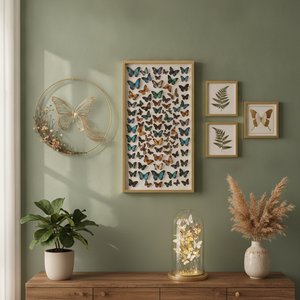
Fluttering Beauty: Elevate Your Interior with Exquisite Butterfly Artworks and Nature-Inspired Masterpieces
Discover the transformative power of butterfly art. From impressionist oil paintings to custom nature-inspired masterpieces, elevate your home with exquisite, hand-painted textures and vibrant colors designed to inspire serenity and elegance in every room.

Beyond Impressionism: Exploring the Emotional Depth of Post-Impressionist Painting
Explore the profound emotional depth & innovative techniques of Post-Impressionism with ArtsDot. Discover Cézanne, Van Gogh, Gauguin & more – and their lasting impact on modern art.

Beyond the Brush: A Visual Journey Through the Emotional Brilliance of Post-Impressionism
Embark on a visual journey through Post-Impressionism. Discover the emotional depth of Van Gogh and Cézanne, explore the tactile beauty of impasto, and learn how to bring these vibrant, soulful masterpieces into your home with expert art curation and custom hand-painted reproductions.