


Slika prati vaše izbore: , .
Opis predmeta
Experience Michelangelo’s David – a High Renaissance bronze sculpture of youthful strength & courage. Admire its anatomical precision & classical beauty in this iconic triptych.
 Pročitaj više
Biografija umetnika
Donato (1386-1466): Florentinski skulptor ranog renesansa. Pionir samostojeće gole muške skulpture poput 'Davida', poznat po ekspresivnom realizmu, klasičnom uticaju i inovativnim tehnikama. Istražite njegova remek-dela i nasleđe.
Naručite svoj u četiri jednostavna koraka
Ne žurite. Možete promeniti bilo koji odgovor; cena u vašoj korpi se ažurira nakon svakog izbora.
1 Prvi od četiri koraka
Koju veličinu želite?
Ovi formati zadržavaju proporcije originalnog slikarskog dela. Crtež prikazuje vaš izbor na zidu, iznad dvometarske garniture.
Ili unesite sopstvene dimenzije
Izaberite jednu od naših unapred definisanih veličina koje odgovaraju originalnim proporcijama umetničkog dela.

Unesite potrebnu širinu i visinu kako bi se slika uklopila u vaš ram ili zid. Pošto je ovo ručno oslikano delo, umetnik može za dimenzije drugačijeg oblika naslikati malo više prostora oko slike ili malo skratiti ivice — izbor je na vama. Pre početka rada, poslaćemo vam digitalni prikaz radi potvrde. Slika prikazana na ovoj stranici ne predstavlja konačan rezultat — samo digitalni prikaz pokazuje stvarnu sliku.
2 Drugi od četiri koraka
Na koji način želite da bude pripremljeno: u rolni, na platnu ili u ramu?
Cene u nastavku odnose se na dimenziju koju ste izabrali u prvom koraku.
Izaberite ivice platna
Izaberite svoj okvir

Beli rub дин1

zamrljene ivice дин1

Prošireno дин1

P118B дин10

P118H дин10

P118W дин10

P438Z дин10

P508JH дин12

P508YH дин12

P805H дин10

P805Z дин10

P919BZ дин10

P919G дин10

P919XJ дин10

P959ZH дин10

P968JZ дин12

W106C дин8

W218G дин10

W218JH дин8

W218Y дин10

W307PJ дин10

W316G дин10

W316PJ дин8

W316Y дин10

W398PJ дин8

W4111J дин10

W500HY дин15

W500JH дин15

W692G дин12

W849H дин8

W940BG дин15

W953PJ дин8

H24-GOLD дин30

H24-SILVER дин30

H36-GOLD дин45

H36-SILVER дин45
Uokvireno
Profil: . Ukupna veličina sa okvirom: .
3 Treći od četiri koraka
Da li biste želeli da nešto promenite na slici?
Većina ljudi odgovara sa ne. Pošto je svaka slika ručno rađena, naš umetnik je može i prilagoditi vašim željama.
Nakon porudžbine, tim ArtsDot.com će poslati imejl klijentu radi dobijanja uputstava i dostaviti prikaz makete
4 Četvrti korak od četiri
Nekoliko opcija za završnu obradu
Sve su opcione. Odgovori koji su već izabrani ne podrazumevaju dodatni trošak.
Ko je autor?
Svetska isporuka () za 3/4 nedelje umesto uobičajenih 5 nedelja. (20 новембар). Bez kompromisa po pitanju kvaliteta.
Plakica, kao u muzeju?
Detalji gravirane bronze ploče
This elegant plaque features the artist's name and the title of the artwork, finely engraved for a timeless presentation.
It is made from bronze with a refined, elegant finish. The text is precisely laser-engraved for a sharp and permanent result. Measuring 9x2 cm, the plaque is compact yet easy to read. It's built to be durable and scratch-resistant, offering a professional, museum-quality look. Mounting is simple thanks to the included adhesive backing.
Detalji prozirne akrilne pločice
The plaque includes essential engraved details such as the artist's name, the title of the artwork, the date it was created, the type of media used-like oil on canvas or watercolor-a brief description of the piece, and a QR code that links to the complete artwork information.
It is crafted from clear acrylic, offering a sleek, modern appearance. The text is UV-engraved in black to ensure strong visual contrast. With a size of 10x15 cm, it ensures optimal readability. It comes equipped with two metal hooks for secure wall mounting. The plaque is designed to be weather-resistant, making it suitable for various environments, and it includes interactive features that work seamlessly with smartphone scanning.
Detalji crne akrilne pločice
This elegant plaque includes engraved information such as the artist's name, the title of the artwork, the date it was created, the type of media used (like oil on canvas or watercolor), a short description of the artwork, and a QR code for quick access to more information.
The plaque itself is made from refined black acrylic with a premium finish. The text is laser-engraved in white for high contrast and readability. Its size is 10x15 cm, designed to be easy to read. It comes with two metal hooks for professional mounting. The design is sleek and fits any interior style. It is also weather-resistant and durable, with built-in digital integration for mobile compatibility.
Zaštitni lak?
Kada vam je potrebno?
✓ Proverite i naručite
Vaša slika, upravo onakva kakvu ste naručili

David
Tehnika reprodukcije
Dimenzije reprodukcije
-

Vrhunski maestri umetnosti
Više detalja, prefinjenosti i dodatnog vremena za izradu
-

Okvir za reprodukciju
-
-
Za umetnička dela ili reprodukcije čija je bilo koja strana veća od 105 cm (približno 41 inč), okvir će biti isporučen u obliku rastavljenog seta za sklapanje. Ovaj metod osigurava bezbednu dostavu i sprečava oštećenja tokom transporta.
Potrebna je profesionalna montaža – ovo nije proizvod namenjen samostalnoj izradi.
Set mora sastaviti i platno zategnuti iskusni profesionalni ramitelj, koristeći drveni lepak (nije uključen u set), hvataljku za zatezanje platna i stege kako bi se održao prav ugao okvira dok se lepak suši. Nepravilno sklapanje ili neravnomerno zategnuto platno mogu trajno oštetiti umetničko delo, što nije pokriveno našom garancijom.
 Za umetnička dela ili reprodukcije čija je bilo koja strana veća od 105 cm (približno 41 inč), okvir će biti isporučen u obliku rastavljenog seta za sklapanje. Ovaj metod osigurava bezbednu dostavu i sprečava oštećenja tokom transporta.
Sve šipke od masivnog drveta su uključene, precizno isečene po veličini.
Montira se pomoću priloženih šrafova, uz dodatno korišćenje lepka za drvo za spojeve u uglovima, koji nije uključen u set i koji vaš čuvar okvira mora obezbediti.
Potreban je profesionalni alat koji nije uključen u set: klešta za zatezanje platna (zatezač) i stege za održavanje pravih uglova letvica tokom sušenja lepka.
Važno:
Za spojeve u uglovima neophodan je lepak za drvo, šipke se moraju pričvrstiti stezgama dok lepak potpuno ne osuši, a za zatezanje platna na sklopljenom ramu potrebne su hvataljke za zatezanje platna. Nijedan od ovih alata nije uključen u komplet. Pre naručivanja ove veličine, molimo Vas da unapred obezbedite iskusnog profesionalca za ramačenje.

Kratki opis natpisa
-
-

Zaštitni lak
Sjajni lak (pojačava intenzitet boja, štiti od svetlosti i vlage)
-

Personalizujte svoje umetničko delo
Primeri mogućnosti izmene: Zamena lica fotografijom kupca; Dodavanje ljubimca (npr. zamena mačke psom); Uključivanje skrivene poruke u pozadini; Promena pejzaža ili elemenata pozadine.
-

Hitna dostava
Svetska isporuka () za 3/4 nedelje umesto uobičajenih 5 nedelja. (20 новембар). Bez kompromisa po pitanju kvaliteta.
-
Brza dostava
Dostava širom sveta () u roku od 5 nedelja. (27 новембар).
Uključeno u cenu
Ukupna cena
дин 27553
Opcija sa staklom dostupna je samo za dimenzije manje od 110 cm
Uključeno uz svaku porudžbinu
- Besplatna ekspresna dostava širom sveta
- Visokokvalitetno laneno platno
- Potpuno osiguranje transporta
- Garancija povraćaja carine i uvoznih dažbina
- Garancija vernosti boja
- Politika povraćaja u roku od 100 dana (samo u slučaju nedostataka)
- Garancija povrata 100% novca
- Popust na više proizvoda


The Majesty of David: A Renaissance Masterpiece
Michelangelo’s “David,” a colossal marble sculpture residing within the Galleria dell’Accademia in Florence, isn't merely a depiction of a biblical hero; it’s an embodiment of human potential, a testament to artistic innovation, and a profound meditation on strength and vulnerability. Completed between 1501 and 1504, this iconic work represents the pinnacle of Renaissance sculpture – a moment when classical ideals were reinterpreted through a distinctly humanist lens. The sheer scale of the statue, standing over seventeen feet tall, immediately commands attention, drawing the viewer into an intimate encounter with the figure’s intense gaze and palpable energy.
The sculpture captures David in the moments *before* his confrontation with Goliath, a crucial detail that elevates it beyond a simple narrative illustration. He's not triumphant, not yet victorious; instead, he embodies resolute contemplation, a young man grappling with immense responsibility and facing an overwhelming challenge. Notice the meticulous anatomical rendering – every muscle fiber, vein, and subtle curve of the body is painstakingly sculpted to achieve breathtaking realism. Michelangelo’s mastery lies in his ability to imbue this cold, hard marble with a sense of life, of movement, of deeply felt emotion. The contrapposto pose, where David's weight shifts subtly onto one leg, creates an exquisite balance and dynamism that seems to defy the static nature of stone.
The Techniques of Divine Creation
Michelangelo’s approach to sculpting “David” was revolutionary for its time. He began with a massive block of Carrara marble – a flawed, uneven piece deemed unsuitable for other projects. This seemingly discarded material became the foundation for one of art history's most celebrated works. The process itself involved an extraordinary level of skill and patience. Michelangelo employed a technique known as *spaccatura*, exploiting existing cracks within the marble to guide his carving. He worked with remarkable precision, using chisels, rasps, and other hand tools to gradually reveal the form hidden beneath the stone. The surface is polished to a breathtaking sheen, reflecting light in a way that enhances the sculpture’s luminosity and brings out the subtle nuances of color within the marble.
Crucially, Michelangelo didn't simply carve *from* the stone; he worked *with* it, responding to its inherent qualities. The rougher textures around the hands and feet hint at the raw material, while the polished torso speaks to the artist’s transformative power. This interplay between form and substance is a hallmark of his style – a demonstration of both technical virtuosity and artistic intuition.
Symbolism and Spiritual Resonance
“David” is rich in symbolic meaning, reflecting Renaissance ideals of civic virtue and human dignity. The biblical David, the shepherd boy who felled the giant Goliath with nothing but a sling and five stones, represents courage, faith, and the triumph of the underdog against overwhelming odds. In Florence during the early 16th century, this narrative resonated deeply with the city’s republican government, which saw itself as defending its freedom from tyranny – mirroring David's victory over Goliath. The statue was originally intended for the exterior of the Florence Cathedral but was ultimately placed in the Galleria dell’Accademia due to its overwhelming scale and impact.
Beyond its political significance, “David” also embodies a broader spiritual message. The youthful figure represents humanity’s potential for greatness, a reminder that even the most ordinary individual can achieve extraordinary things through faith, determination, and moral strength. The statue's nudity is not intended to be overtly sexual but rather symbolizes vulnerability and purity – David stands exposed before God, relying on his own inner resources.
A Timeless Legacy
Michelangelo’s “David” remains one of the most recognizable and beloved sculptures in the world. Its enduring appeal lies in its perfect balance of anatomical realism, emotional intensity, and symbolic depth. It's a work that continues to inspire awe and admiration centuries after its creation, serving as a powerful reminder of the transformative power of art and the boundless capacity of the human spirit. Reproductions, such as those offered by ArtsDot.com, allow viewers to experience this masterpiece in their own homes, bringing a touch of Renaissance grandeur into any space.
Pitanja i odgovori
Kako mogu da nabavim digitalni prikaz dela „David”, autor Донатело?
„David“ je dostupan kao preuzimanje digitalne slike visoke rezolucije, a možete ga kupiti direktno na njegovoj Digitalna slika u visokoj rezoluciji stranici.
Kako mogu da preuzmem sliku dela „David”, autor Донатело?
„David”, autor Донатело možete preuzeti na stranici za Preuzimanje digitalnog prikaza ovog dela, kao preuzimanje digitalne slike visoke rezolucije.
Da li je „David”, autor Донатело slika, crtež ili grafika?
„David”, autor Донатело je klasifikovan/a kao WallArt. Ova kategorija opisuje vrstu umetničkog dela kojoj original pripada.
Saznajte više o ovoj slici
 Pregledaj u prostoru
 Pređi na štampu
 Pošalji
 Podeli
 Detalji o delu
 Vodič
Vodič

 Preuzmi
 Slični predmeti
 Rendgenski snimak
 Automatska prezentacija
 Pitanja i odgovori
 Statistika
Srodna umetnička dela


Донатело
1386 - 1466, Италија
Biografija umetnika
Život i identitet umetnika Донатело
Rođen kao Donato di Niccolò di Betto Bardi, čovek kojeg je istorija zapamtila pod imenom Донатело, proveo je svoj život unutar zidina Firence, u Italiji. Na svet je došao oko 1386. godine, u vreme kada je ovaj grad počeo da preoblikuje sopstveni identitet kroz kamen i bronzu. Njegovo prisustvo u firentanskom pejzažu bilo je neprestano, obeleženo sigurnom rukom i dubokim fokusom na fizičku stvarnost njegovih subjekata. Bio je to skulptor italijanske renesanse koji je duboko razumeo težinu materijala kojima je rukovao, od neukošene tvrđine mermera do fluidnosti voska.
Njegov rad nije bio samo samotna potraga za savršenstvom, već niz odgovora na potrebe njegovog vremena. Koračao je ulicama Firence, radeći u različitim medijumima i ostavljajući za sobom trag figura koje su uhvatile specifično, ljudsko prisustvo. Iako je bio poznat kao ljubazan čovek koji je bio drag među svojim okolinama, borio se sa praktičnim aspektima vođenja posla. Često je prihvatao više porudžbina nego što su njegove ruke mogle da završe na vreme, ostavljajući završne detalje drugima ili isporučujući dela kasnije nego što se očekivalo. Ova sklonost ka prevelikom posvećenju poslu sugeriše umetnika koji je bio više zabeležen samim činom stvaranja nego upravljanjem radionicom.
Донатело je preminuo u Firenci 13. decembra 1466. godine. Za sobom je ostavio opus koji je izmenio način na koji su skulptori pristupali ljudskoj formi, udaljavajući se od krutih tradicija prošlosti ka nečem uzemljenijem i ekspresivnijem. Njegov život bio je neraskidivo povezan sa ovim gradom, a njegov identitet ostaje neodvojiv od firentanske zemlje na kojoj je živeo i stvarao.
Rani život i umetničko obrazovanje
Rođen u Firenci, u Italiji, Донатело је odrastao u gradu koji je služio kao primarni epicentar naglog uspona renesanse. Upravo je ovo okruženje pružilo neophodnu kulturnu energiju za njegov razvoj. Svoje rane godine proveo je uronjen u lokalnu atmosferu, u vreme kada se odmaknuće od krutih srednjovekovnih tradicija već počimalo učvršćivati. Njegova povezanost sa firentinskim pejzažom bila je duboka, jer su evoluirajuće vrednosti grada oblikovale njegov rani pristup formi i figuri.
Njegov proces obuke obuhvatio je pažljivo proučavanje klasične skulpture. Ovaj fokus na antiku pomogao mu je da krene ka novom stilu koji je davao prioritet realizmu i humanizmu. Pre nego što je pronašao svoj autentični glas, od učenja međunarodnog gotičkog stila, koji mu je podučavao Lorenzo Ghiberti, prošao je kroz ključne faze formiranja. Ovaj period učenja omogućio mu je da ovlada tehničkim veštinama svog zanata pre nego što je počeo da odstupa od tih utvrđenih tradicija. Radio je sa različitim materijalima, uključujući kamen, bronzu, drvo, glinu, štauf i vosak, često koristeći staklo na inventivne načine kako bi postigao specifične umetničke efekte.
Pokrovitelji, radionica i porudžbine
Донатело је често imao препуњене руке. Имао је навику да прихвата више посла него што је његов raspored mogao да поднесе, што је била склоност која је понекад значила да се пројекти завршавају са кашњењем или да се предавају другима на завршетку. Овај огроман обим посла захтевао је непрестајану присутност у његовој радионици, где је радио уз неколико асистента. Група од četiri ученика била је типичан број за његов студио, што му је помагало да управља физички тешким захватма у реду, бронзи и глини.
Porodica Медичи пружала је стабилну подршку, нудећи врсту покровитељства која му је омогућила да ствара кроз различите фазе свог живота. Његов утицај и досег прешли су далеко изван улица Фиренце; путовао је како би извршио поруџбине у Риму, Падови и Сијени. Ово кретање између градова значило је да његов рад никада није био ограничен на једно место, јер је своје методе и своје асистенте носио у различите центре стваралачког живота.
- Еквистеричка Statua Gattamelata (1447)
- David (1409)
- Свети Марко (1411)
- Свети Георгије (1416)
Inovativne tehnike i umetnički stil
Донатело је svojim pristupom skulpturi odmaknuo od krutih tradicija međunarodnog gotičkog stila, otvarajući vrata novom dobu. Razvio je stil ranog renesansa koji je slavio neku vrstu novog realizma, postignutog kroz duboko razumevanje ljudske anatomije i fascinantne igre svetlosti na površini materijala. Njegova kreativnost nije bila ograničena na jedan medij; on je maestralno vladao kamenom, bronzom, drvetom, glinom, stukoom i voskom. Čak je pronašao i inventivne načine da koristi staklo kako bi svojim figuralnim delima podario neizmernu detaljnost.
Jedan od njegovih najspecifičnijih tehničkih doprinosa umetnosti bila je razvojna ideja rilievo stiacciato. Reč je o izuzetno plitkom tipu reljefa gde je rezbarica toliko suptilna da stvara iluziju dubine putem nečujnih promena u debljini sloja. Korišćenjem ove metode, он je bio u stanju da sugeriše perspektivu i daljinu na gotovo ravnoj površini, stvarajući prozor u prostor koji fascinira oko. Njegova dela često odražavaju napetost između fizičke težine materijala i ekspresivnog pokreta subjekta; on je umeo da učini da mermer izgleda mekano poput kože, dok je bronzi mogao da podeli osećaj teške, mišićave energije.
- David (bronza)
- Estatua Gattamelata na konju
- Sveti Đorđe (mermor)
Ključna skulpturalna remek-dela
Godine 1416. завршио је Svetog Đorđa, mermernu figuru koja u sebi nosi neneusitnu snagu odlučnog hrabrosti. Ova skulptura prikazuje viteza u oklopu, koji ne stoji u tradicionalnom kontrapostu, već se oslanja na prednji deo stopala, kao da je u trenutku neposredne akcije. Pod površinom kamena gotovo se može osetiti napetost mišića koji rade pod oklopom. Ovo delo bilo je jedno od mnogih koje su naručili firentinski cehovi kako bi ukrasili spoljne niše crkve Orsanmichele.
Njegov bronzani David ostaje ključna tačka u istoriji skulpture, predstavljajući prvu samostojeću golemu mušku skulpturu stvorenu još od antičkog doba. Figura je prikazana sa enigmatičnim osmehom, dok mu je stopalo položeno na odsečenu Gljukovu glavu. Dok je mermerna verzija ove teme bila rani rad, bronzana verzija se izdvaja po svojoj nežnoj, androginičnoj fizičkoj građevini i načinu na koji koristi mladalačku golu kožu kao snažan kontrast teškom maču koji drži u ruci.
Tokom kasnijih faza svoje karijere, Донатело se okrenuo različitim materijalima i razmerama. Konjanički spomenik Gattamelata, nastao 1453. godine, predstavlja masivno bronzano remek-delo smešteno u Padovi. Oko 1440. godine, stvorio je i Pokajenu Magdalenu, drvenu skulpturu izrezubanu iz belog topole. Ova figura je iscrpljena i skeletna, što predstavlja radikalno odstupanje od tipičnih prikaza lepe mlade žene. Njen rez je surov i izuzetno detaljan, otkrivajući potpuno novu dimenziju njegove vrhunske tehničke veštine.
- Sveti Đorđ, 1416.
- David (bronza), oko 1440.
- Pokajena Magdalena, oko 1440.
- Konjanički spomenik Gattamelata, 1453.
Nasleđe i umetnički uticaj
Донатело-ov pristup formi nije odmah pronašao priznanje u svojoj zajednici. Njegov rad se kretao kroz jasno definisane faze, počevši od fokusa na klasičnu monumentalnost, ka sve izraženijem osećaju ekspresivnosti. Kako je njegova karijera napredovala, ovaj stil je dobijao na značaju, na kraju postajući najpopularniji način stvaranja u čitavom regionu. Njegov uticaj protegao se daleko izvan granica Firence, šireći se na druge italijanske dvore i snažno utičući na umetnike širom Evrope.
Način na koji je manipulisao materijalima omogućio mu je da dohvati nepregledne dubine emocija. Prelazio je od teške, čvrste prisutnosti svojih ranih mermernih figura ka surovijim, čak i brutalnim delima u svojim kasnijim godinama. Ova transformacija odrazila je njegovu spremnost da istražuje ljudsko stanje kroz različite teksture — od glatkih površina kamena do teksturiranog, iznemoglog drveta njegovih kasnijih religioznih rezbarija. Njegova sposobnost da uhvati osećaj pokreta i psihološku težinu suštinski je promenila način na koji su skulptori pristupali ljudskoj figuri.
- David (bronza)
- Estatua Gattamelata na konju
- Sveti Đorđe
- Pokajnica Magdalena
Povezani članci

Michelangelo Buonarroti: 25 Remek-dela Renesansnog Genija za Vaš Dom | ArtsDot
Istražite 25 remek-dela Michelangela Buonarottija! Otkrijte priče iza Davida, Pietà i Sikstinske kapele. Reprodukcije slika vrhunskog kvaliteta za luksuzni dekor enterijera. Inspiracija & kupovina na ArtsDot.com
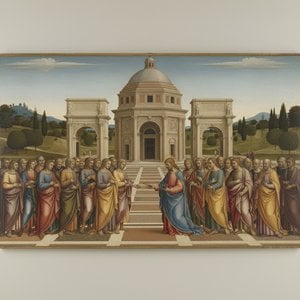
Pietro Perugino: Umbrian Master of Serenity & Precursor to Raphael's High Renaissance
Explore the life & art of Pietro Perugino, a pivotal Renaissance master and Raphael’s influential teacher. Discover his serene compositions, Sistine Chapel frescoes, and lasting legacy with ArtsDot.

Discovering Michelangelo's Most Famous Work: The Story of David
Discover the history of Michelangelo's most famous work and see how its dramatic scale can inspire your own home's art collection