


 Pregledaj u prostoru
 Podeli
 Podeli
 Detalji
 Vodič
Vodič

 Preuzmi sliku
 Slični predmeti
 Rendgenski snimak
 Automatska prezentacija
 Statistika
JEAN BART, CHEF D'ESCADRE (1650 1702)

 Pročitaj više
Giclee štampa / Umetnički otisak
Giclée štampa ili print na platnu muzejskog kvaliteta uz brzu izradu i raznovrsne opcije završne obrade. ( Naručite ručno oslikano reprodukciju Pređi na prodaju digitalnih slika)




































Izaberite jednu od naših unapred definisanih veličina koje odgovaraju originalnim proporcijama umetničkog dela.

Možete uneti sopstvene dimenzije kako biste umetničko delo prilagodili specifičnom okviru ili prostoru. Ako odabrani format ne odgovara proporcijama originalne slike, mi ćemo ili iscrtati deo dela ili proširiti sliku pomoću ogledane ivice ili jednobojnog popunjavanja. Digitalni prikaz će vam biti poslat na odobrenje pre početka proizvodnje.
Imajte na umu da pregled na ekranu ne odražava stvarno iscrtavanje ili proširivanje. Samo će prikaz (mockup) precizno pokazati finalnu kompoziciju.
Iako su prilagođene dimenzije dostupne, preporučujemo da odaberete dimenziju sa unapred definisane liste kako biste očuvali originalne proporcije.
Dostava širom sveta () za 2 nedelje umesto uobičajenih 4/5 nedelja. (23 септембар)

Besplatna ekspresna dostava širom sveta

Visokokvalitetno laneno platno

Sveobuhvatno osiguranje transporta

Garancija povraćaja carine i uvoznih dažbina

Garancija vernosti boja i autentičnosti pri reprodukciji

Politika povraćaja u roku od 100 dana (samo u slučaju nedostataka)

Garancija povrata 100% novca

Popust pri većoj količini
 Opcija sa staklom dostupna je samo za dimenzije manje od 110 cm

JEAN BART, CHEF D'ESCADRE (1650 1702)
Giclee štampa / Umetnički otisak
Veličina reprodukcije
-


Ukupna cena
$ 62
Srodna umetnička dela


Biografija umetnika
The Luminous Legacy of Auguste de Creuse
In the grand, sweeping tapestry of nineteenth-century French painting, certain names shine with an enduring brilliance, while others flicker like a candle in a drafty corridor, leaving behind only a hauntingly beautiful afterglow. Auguste de Creuse, born Jean-Pierre Decreuse, belongs to that poignant second category. A master of the portrait, his life was a brief but intense burst of artistic vitality that spanned from his birth in Montrond-le-Château in 1806 to his untimely passing in Paris in 1839. Though his career was tragically truncated at the age of thirty-three, the works he left behind serve as elegant windows into the soul of a bygone era, capturing the quiet dignity of the aristocracy and the storied grandeur of French history.
The trajectory of Creuse’s talent was irrevocably shaped by his time at the École Supérieure des Beaux-Arts in Paris. It was here that he came under the tutelage of the formidable Antoine-Jean Gros, a mentorship that would become the cornerstone of his aesthetic identity. From Gros, Creuse inherited more than just technical proficiency; he absorbed a profound reverence for historical narrative and an almost surgical precision in detail. This lineage is evident in his ability to weave together the monumental scale of history with the intimate nuances of individual character, creating canvases that feel both epic and deeply personal.
A Mastery of Light and Lineage
To observe a portrait by Creuse is to enter a world defined by a restrained yet evocative palette. Eschewing the garish or the overly dramatic, he favored a sophisticated arrangement of muted browns, warm ochres, and soft creams. This deliberate choice of color allowed him to master the art of sfumato and subtle tonal gradations, employing thin, delicate layers of paint to achieve a luminous quality that seems to emanate from within the subjects themselves. His brushwork, remarkably fine and controlled, captured the tactile reality of silk, lace, and velvet, lending his aristocratic sitters an air of timeless grace.
His technical prowess was not merely reserved for contemporary faces; Creuse possessed a unique ability to breathe life into the ghosts of France's past. His repertoire included:
- Royal Portraits: He achieved significant recognition for his depictions of the House of Orléans, including works featuring the young Louis-Philippe, which found prestigious homes in the Châteaux of Versailles and Trianon.
- Historical Figures: Creuse demonstrated a remarkable capacity for historical reconstruction, painting legendary figures such as Jean Bart and the Duchesse de Belleval.
- The Monarchs of Old: His involvement in the series commissioned by Louis Philippe I for the Musée historique de Versailles allowed him to portray medieval and Renaissance icons, including Louis IX (Saint Louis) and Catherine de Médicis.
An Enduring Impression
The historical significance of Auguste de Creuse lies in his role as a bridge between the classical traditions of the early nineteenth century and the burgeoning romanticism of his era. While he operated within the established frameworks of his mentors, his sensitivity to psychological depth pushed his portraiture beyond mere likeness. He sought to reveal the character beneath the velvet, the humanity beneath the crown. Though his death in 1839 silenced his brush, the echoes of his talent remain preserved in the halls of Versailles and the collections of art historians worldwide. He remains a vital figure for anyone seeking to understand the elegance, the precision, and the profound emotional resonance of French portraiture during one of its most transformative centuries.

Brzi pregled
- Artistic Movement Or Style: Romanticism
- Artists Or Movements Influenced By This Artist: ['European Painting']
- Artists Who Influenced This Artist: ['Jean-Auguste Dominique Gros']
- Date Of Birth: 1806
- Full Name: Auguste de Creuse
- Nationality: French
- Notable Artworks: ["Portrait of Anne Louise Benedikte Charlotte Marguerite d'Orléans"]
- Place Of Birth: Montrond
Srodni članci

Simon Vouet: A Baroque Master's Journey from Italian Influence to French Classicism
Explore the life & art of Simon Vouet, a pivotal French Baroque painter who introduced Italian styles to France. Discover his masterpieces and lasting influence on 17th-century art.
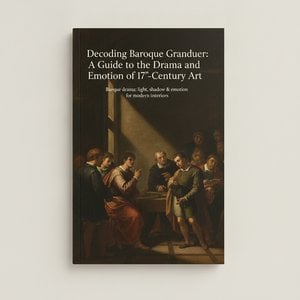
Decoding Baroque Grandeur: A Guide to the Drama and Emotion of 17th-Century Art
Explore the breathtaking drama of 17th-century Baroque art. Our expert guide decodes the use of chiaroscuro, emotional intensity, and historical grandeur to help you appreciate and curate timeless masterpieces for your collection.

The Grandeur of Baroque Portraiture: Power, Emotion & Artistic Innovation
Explore the grandeur of Baroque portraiture! Discover Rubens, Van Dyck & the masters of 17th-century art. Uncover symbolism, techniques & lasting influence. Expert insights for collectors and enthusiasts.

Pierre-Auguste Renoir: 25 Remek-Dela Impresionizma za Vaš Dom | ArtsDot
Uronite u svet Pierre-Auguste Renoara! Otkrijte 25 remek-dela impresionizma, priče iza slika i tehničke detalje. Reprodukcije vrhunskog kvaliteta za vaš dom dostupne na ArtsDot.com. Istražite celu kolekciju online!

From Grandeur to Grace: Exploring the Evolution of Baroque & Rococo Art
Explore the captivating evolution from Baroque's drama to Rococo's grace! Discover key artists, characteristics & lasting influence of these art movements with expert insights at ArtsDot.