

 Pregledaj u prostoru
 Pošalji
 Podeli
 Detalji o delu
 Vodič
Vodič

 Preuzmi
 Slični predmeti
 Rendgenski snimak
 Automatska prezentacija
 Pitanja i odgovori
 Statistika
Jan Both

- 14.0 x 12.0 cm


 Pročitaj više
Giclee štampa / Umetnički otisak
Giclée štampa ili print na platnu muzejskog kvaliteta uz brzu izradu i raznovrsne opcije završne obrade. ( Kupite ručno oslikano delo Pređi na digitalnu sliku)




P118B дин10

P118H дин10

P118W дин10

P438Z дин10

P508JH дин12

P508YH дин12

P805H дин10

P805Z дин10

P919BZ дин10

P919G дин10

P919XJ дин10

P959ZH дин10

P968JZ дин12

W106C дин8

W218G дин10

W218JH дин8

W218Y дин10

W307PJ дин10

W316G дин10

W316PJ дин8

W316Y дин10

W398PJ дин8

W4111J дин10

W500HY дин15

W500JH дин15

W692G дин12

W849H дин8

W940BG дин15

W953PJ дин8




Izaberite jednu od naših unapred definisanih veličina koje odgovaraju originalnim proporcijama umetničkog dela.

Unesite željenu širinu i visinu kako bi se štampa uklopila u vaš ram ili zid. Štampu je moguće samo iseći, ali nikada povećati iznad dimenzija originalne slike, stoga format sa drugačijim proporcijama uzrokuje gubitak dela slike. Pre početka štampe, poslaćemo vam digitalni prikaz radi potvrde. Slika prikazana na ovoj stranici ne predstavlja stvarni isrez — to pokazuje samo digitalni prikaz.
Dostava širom sveta () za 2 nedelje umesto uobičajenih 4/5 nedelja. (7 новембар)

Besplatna ekspresna dostava širom sveta

Visokokvalitetno laneno platno

Potpuno osiguranje transporta

Garancija povraćaja carine i uvoznih dažbina

Garancija vernosti boja

Politika povraćaja u roku od 100 dana (samo u slučaju nedostataka)

Garancija povrata 100% novca

Popust na više proizvoda
 Opcija sa staklom dostupna je samo za dimenzije manje od 110 cm

Jan Both
Giclee štampa / Umetnički otisak
Dimenzije reprodukcije
-


Ukupna cena
дин 6605
Jan Both: A Master of Atmospheric Landscape
Cornelis van Poelenburgh’s “A Landscape with the Judgement of Paris,” painted circa 1645-50, stands as a testament to the burgeoning artistic fervor of the Dutch Golden Age. Executed by Jan Both and Cornelis van Poelenburgh, this captivating landscape captures a serene hillside vista bathed in soft light—a scene imbued with profound symbolic resonance that speaks volumes about humanist ideals prevalent during its creation.
- Subject Matter: The painting depicts a tranquil mountainous terrain dominated by rolling hills and distant peaks. At the center of the composition is a small group of figures engaged in the mythological Judgment of Paris, symbolizing beauty, wisdom, and strength – elements considered crucial for moral virtue during the Renaissance.
- Style & Technique: Both artists employed meticulous oil on copper technique, renowned for its luminosity and durability. The artist’s masterful brushstrokes create a palpable sense of atmosphere, capturing subtle gradations of color and texture that evoke the feeling of a crisp winter day. Van Poelenburgh's signature style is characterized by idealized landscapes reminiscent of Roman villas—a deliberate homage to classical art and philosophy.
- Historical Context: Produced during the reign of William III, “A Landscape with the Judgement of Paris” reflects the broader artistic trends of its time. The Dutch Republic experienced a period of unprecedented prosperity and cultural achievement, fueled by maritime trade and intellectual curiosity. Artists like Both and van Poelenburgh sought to elevate the human spirit through depictions of sublime beauty—a response to the philosophical debates surrounding God’s relationship with humanity.
- Symbolism: The positioning of the figures amidst the landscape serves as a powerful metaphor for moral contemplation. The judges represent the pursuit of virtue, while the hillside symbolizes stability and serenity – ideals that underpinned humanist thought and artistic expression.
The painting’s emotional impact is undeniable—it invites viewers to pause and contemplate the grandeur of nature alongside the complexities of human judgment. Its delicate palette and masterful execution exemplify the highest standards of Dutch landscape painting, securing its place as a cornerstone of Baroque art history. Reproductions offer an exceptional opportunity to appreciate this iconic artwork's beauty and intellectual depth.
- Further Exploration: Interested in delving deeper into Jan Both’s oeuvre? Explore his other celebrated landscapes at Museum Smidt Van Gelder, where you can admire masterpieces alongside fellow Dutch Masters like Goyen and Moretti.
- Comparative Inspiration: Consider examining “Winter Landscape” by Denis van Alsloot (Art UK) for insights into the stylistic nuances of Dutch landscape painting during this era.
- Related Artwork: Admire “The Adoration of the Magi” by Bartholomeus Breenbergh (Art UK) to appreciate a similar exploration of mythological themes within a landscape setting.
Pitanja i odgovori
Da li su boje dela "Jan Both" intenzivne ili nežne?
Intenzitet boja dela "Jan Both" je Monochromatic. Intenzitet opisuje koliko boje deluju snažno.
Koje su teme prikazane u delu „Jan Both”, autor Kornelis Van Poelenbuh?
Teme prisutne u delu „Jan Both”, autor Kornelis Van Poelenbuh obuhvataju landscape, roman mythology, religious scene, dutch painting, classical composition, figures, atmospheric perspective, što zajedno sažima suštinu ovog umetničkog dela.
Gde se "Jan Both" nalazi među uobičajenim motivima umetnika Kornelis Van Poelenbuh?
Učestale teme umetnika Kornelis Van Poelenbuh obuhvataju roman idealism, biblical narrative, landscape harmony, dutch tradition, artist’s reputation; delo "Jan Both" fokusira se na landscape, roman mythology, religious scene, dutch painting, classical composition, figures, atmospheric perspective.
Srodna umetnička dela


Biografija umetnika
Rano detinjstvo i temelj formação
Cornelis van Poelenburgh, istaknuti holandski pejzažni slikar, rođen je u Utrehtu, u Holandiji, 1594. godine. Njegov umetnički put započeo je pod mentorstvom Abrahama Bloemaerta, čuvenog umetnika tog vremena, čija je stručna poduka postavila neophodne temelje za Van Poelenburghov budući uspeh i umetničku zrelost.Umetnička karijera i uticaji
Putovanja u Rim početkom 17. veka ostavila su dubok trag na njegov stvaralački duh, čineći ga vodećim predstavnikom prve generacije holandskih pejzažnih slikara aktivnih u Italiji. Njegova dela, često intimnog formata, prožeta su italijanskim pejzažima u kojima male figure oživljavaju biblijske ili mitološke scene, što je predstavljalo autentičan prikaz njegovog jedinstvenog stila. Istaknuta dela:- Satiri koji špijuniraju nimfe (nakon 1627. godine), karakterističan primer Van Poelenburghovog umeća, koji prikazuje arhaične pejzaže sa figurama u kupanju. (pogledajte na ArtsDot)
- Savet bogova (oko 1630. godine), slika koja prikazuje idealizovani brežuljkasti pejzaž i boginje inspirisane rimskim svetom, čije se nalazi u Muritshusu (Hag, Holandija). (pogledajte na ArtsDot)
Nasleđe i završne godine
Van Poelenburghovo delo uživalo je veliko priznanje među njegovim savremenicima, uključujući velikog vojvodu Toskanije i holandskog stadholera. Na kraju svog života, vratio se u Utreht, gde je preminuo 1667. godine, svega nekoliko godina nakon svog starog učitelja Abrahama Bloemaerta. Ključne tačke:- rođen u Utrehtu, Holandija, 1594. godine
- školovan kod Abrahama Bloemaerta
- pod snažnim uticajem boravka u Rimu
- poznat po malim italijanskim pejzažima sa figurama
- preminuo u Utrehtu 1667. godine pogledajte umetnička dela Cornelisa van Poelenburgha na ArtsDot saznajte više o Cornelisu van Poelenburghu na Wikipediji

Kornelis Van Poelenbuh
1594 - 1667 , Holandija
Osnovne informacije
- Artistic Movement Or Style: Holandski pejzaž, Romanat
- Artists Or Movements Influenced By This Artist: ['Klod Loran']
- Artists Who Influenced This Artist: ['Abraham Bloemaert']
- Date Of Birth: 1594, Utreht, Holandija
- Date Of Death: 1667, Utreht, Holandija
- Full Name: Cornelis van Poelenburgh
- Nationality: Holandski
- Notable Artworks:
- Satiri špijuniraju nymphs
- Savet bogova
- Place Of Birth: Utreht, Holandija
Povezani članci

Jan van Goyen: Master of Dutch Landscape & Atmospheric Perspective
Discover Jan van Goyen, the master of Dutch landscape painting. Explore his subtle technique, atmospheric realism & lasting influence on art history. Learn about this 17th-century pioneer at ArtsDot.
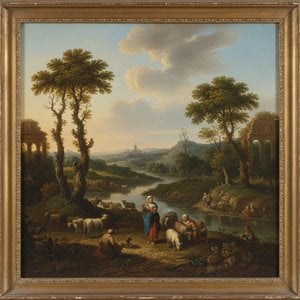
Nicolaes Berchem: Dutch Golden Age Pastoralism & the Evolution of Landscape Painting
Explore the captivating world of Nicolaes Berchem, a leading Dutch Golden Age painter. Discover his idyllic landscapes, masterful technique & lasting influence on art history. Learn more at ArtsDot.

Golden Light & Dutch Skies: Bringing the Magic of Dutch Golden Age Landscapes into Your Home
Transform your home with the breathtaking light of Dutch Golden Age landscapes. Discover how hand-painted oil reproductions of masterworks like Ruisdael and Vermeer bring timeless elegance, atmosphere, and soulful texture to modern interiors. Elevate your space with museum-quality art.
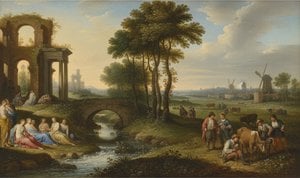
Cornelis van Poelenburch: Bridging Mannerism & the Dutch Baroque Landscape
Discover Cornelis van Poelenburch, a pivotal Dutch Baroque landscape painter bridging Mannerism & Italianate styles. Explore his life, key works, and lasting influence on 17th-century art with ArtsDot.

Jacob van Ruisdael: Master of Dutch Landscape & the Evocation of National Identity
Explore the life & work of Jacob van Ruisdael, the preeminent Dutch landscape painter. Discover his technical brilliance, symbolic depth, and lasting influence on art history. Learn about collecting Ruisdael's masterpieces.